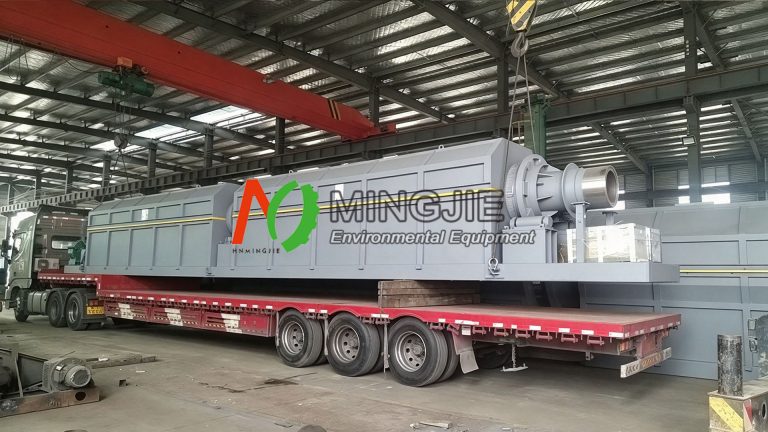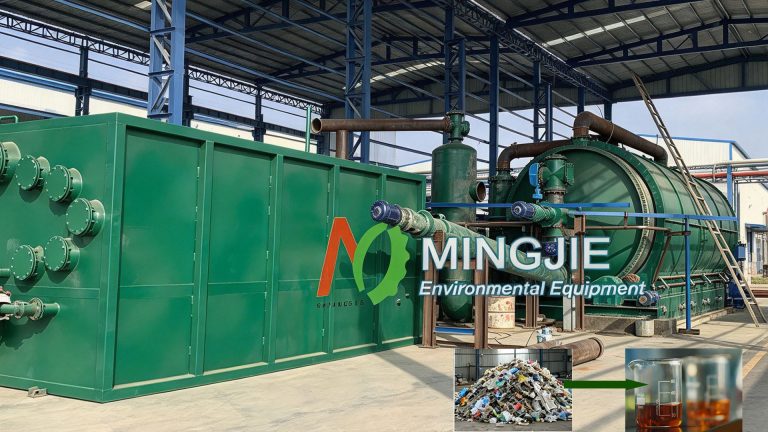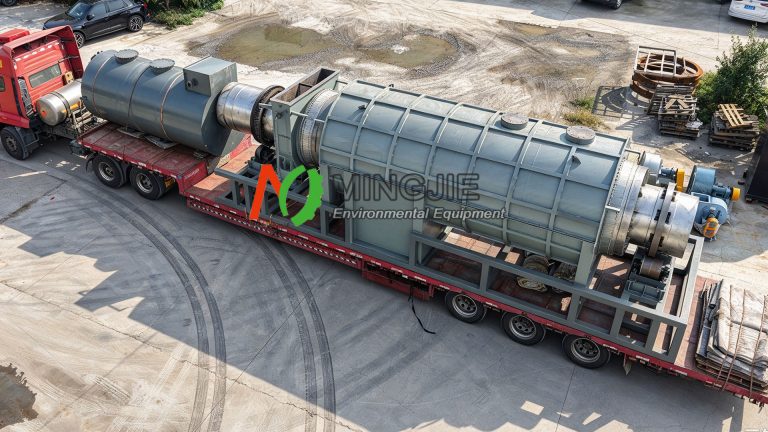

By the end of October 2025, Mingjie Group had completed the installation of MJ-15 medical waste pyrolysis equipment in Philippines. The pyrolysis plant operates at high temperatures in an oxygen-free environment. It enables the reduction, harmlessness, and energy recovery of medical waste.
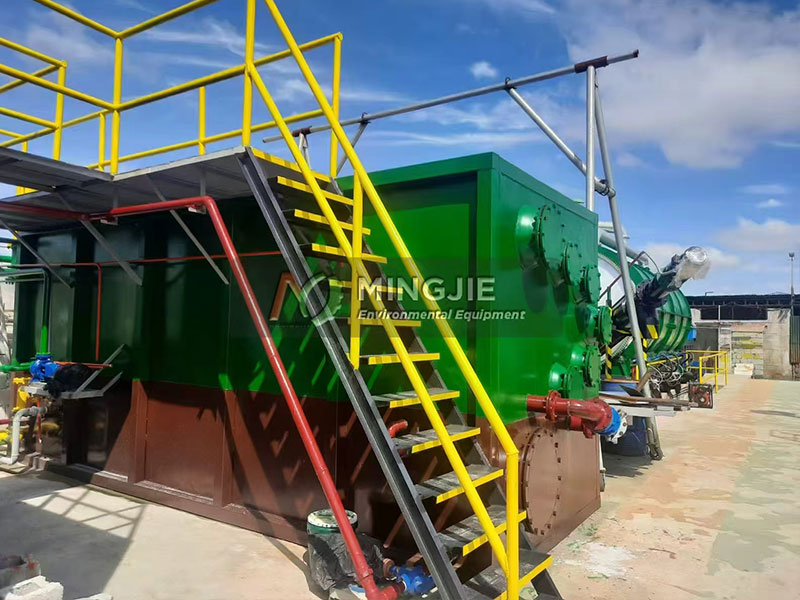
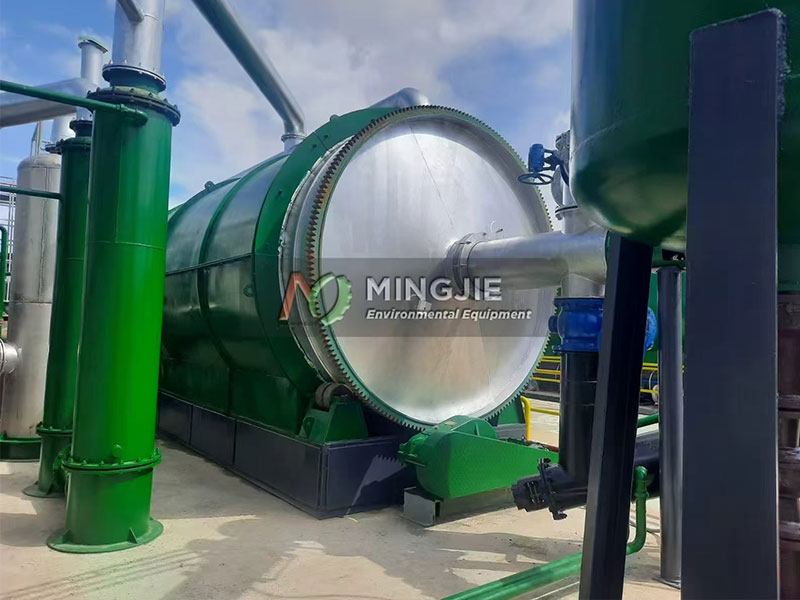
The success of a medical waste pyrolysis plant depends on the technology itself, but even more so on a professional and safe installation process for the equipment.
Core Installation Process of Pyrolysis Equipment in Philippines
Site Hardening and Corrosion Protection: Pyrolysis Equipment foundations must be constructed of poured concrete. An epoxy resin anti-corrosion layer is applied to the surface (to prevent corrosion from medical waste leachate).
Equipment Placement: Heavy equipment such as the pyrolysis furnace and flue gas purification tower are precisely positioned using a crane.
Pyrolysis Reactor: This is the core of the installation. Ensure precise levelness and verticality, good sealing at all flange connections, and complete application of the fire-resistant insulation layer.
Pipelining and Electrical Installation: Flue gas pipes use flange connections, and sealing gaskets prevent flue gas leakage. The electrical system requires a separate grounding network to prevent hazards caused by electrical sparks.
Feeding and Discharge System: The feed inlet must be equipped with double seals to prevent the leakage of toxic gases during operation. The discharge end is equipped with a water-cooled spiral slag discharge system to achieve residue cooling and sealed conveying.
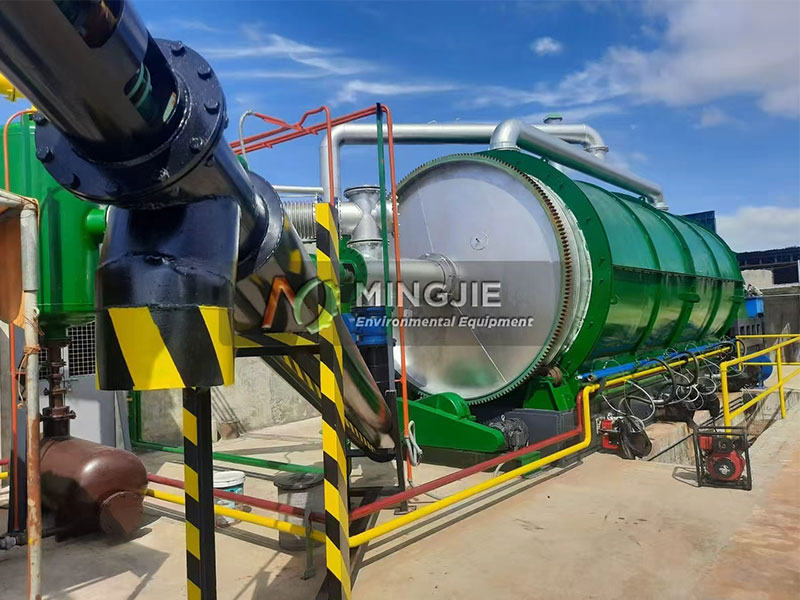
Flue Gas Treatment System: This is crucial for achieving environmental standards. The condensation system, cooling tower, dust collector, scrubbing tower, and other units must be connected strictly according to the sequence and specifications to ensure airtightness.
Electrical and Control System Integration: Dust and moisture protection measures must be taken during control system installation. Complete signal connection and initial debugging of all sensors and actuators.
The installation of medical waste pyrolysis equipment in Philippines must strictly adhere to compliance requirements, while also strengthening personnel training and risk control. Only by standardizing the installation process and refining safety management can the long-term stable operation of the equipment be ensured. This not only meets the needs of harmless disposal of medical waste, but also complies with environmental protection and public health standards.
Advantages of Medical Waste Pyrolysis
Highly Efficient Sterilization: The pyrolysis process of medical waste is carried out in a high-temperature, high-pressure, and closed environment. It can completely destroy all pathogenic microorganisms, bacteria, and viruses, including highly heat-resistant spores.
Volume Reduction: Medical waste has a high organic content. Through pyrolysis, its volume can be reduced by 70%-90%, and its weight by 50%-80%, greatly alleviating the pressure on final disposal (such as landfill).
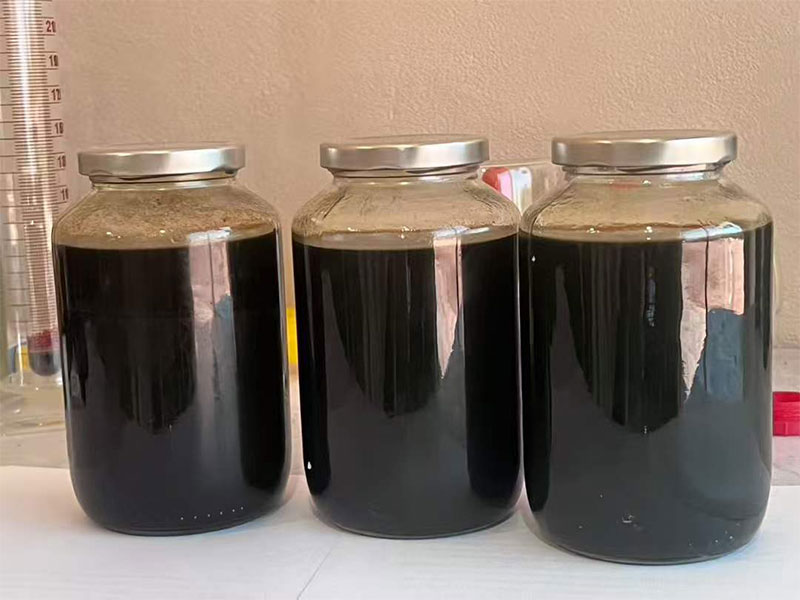
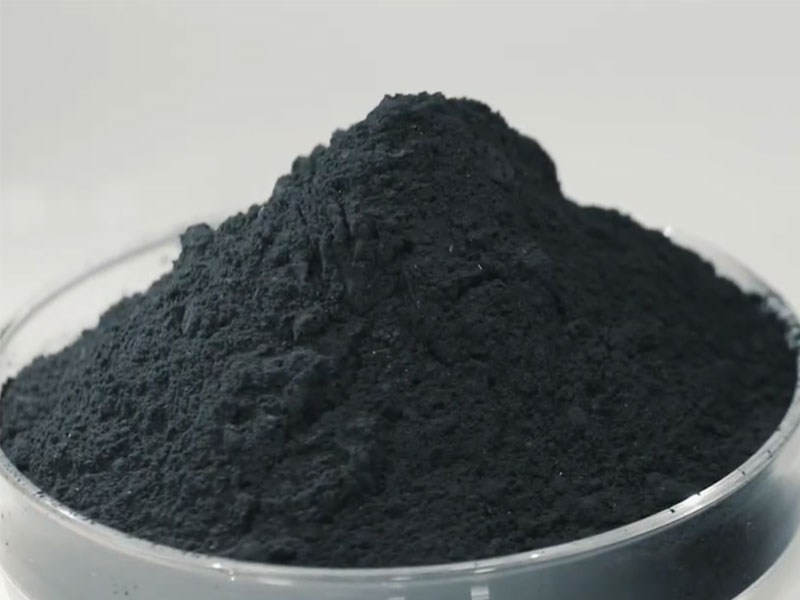
Resource Recovery: The pyrolysis products of medical waste are pyrolysis oil, carbon black, and syngas. Syngas contains combustible gases such as hydrogen, carbon monoxide, and methane. It can be used as fuel to provide energy for the pyrolysis process itself, achieving energy self-sufficiency. Pyrolysis oil and carbon black, after refining, can be used as chemical raw materials or fuels.
Significantly Inhibits Dioxin Formation: Because medical waste pyrolysis is carried out in an anaerobic environment, the precursors and oxidizing environment required for dioxin synthesis are eliminated at the source. The subsequent high-temperature incineration of the pyrolysis gas in the secondary combustion chamber also more effectively controls the resynthesis of dioxins.
Effective Heavy Metal Solidification: After pyrolysis of medical waste, most heavy metals are fixed in the solid residue. This significantly reduces their leaching toxicity and migration, making subsequent landfilling safer.
Low Waste Gas Production: Compared to direct incineration, the pyrolysis process produces far less flue gas. This greatly reduces the load on the exhaust gas purification system, making pollutant control easier.
Operational Safety: The entire medical waste pyrolysis process is conducted in a closed system. This avoids direct contact between operators and medical waste, reducing occupational exposure risks.