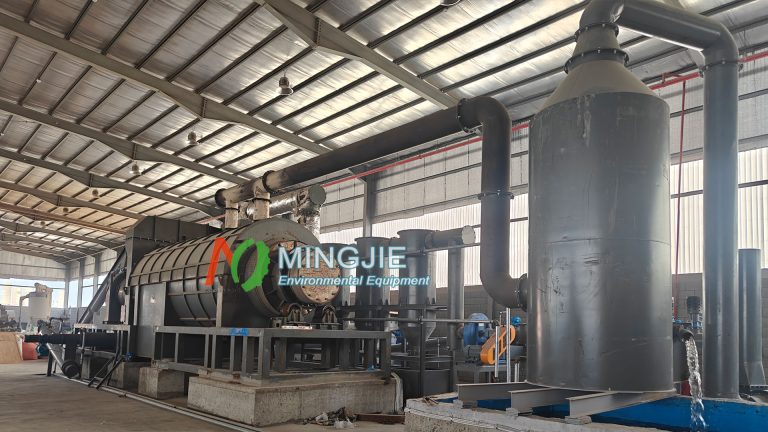
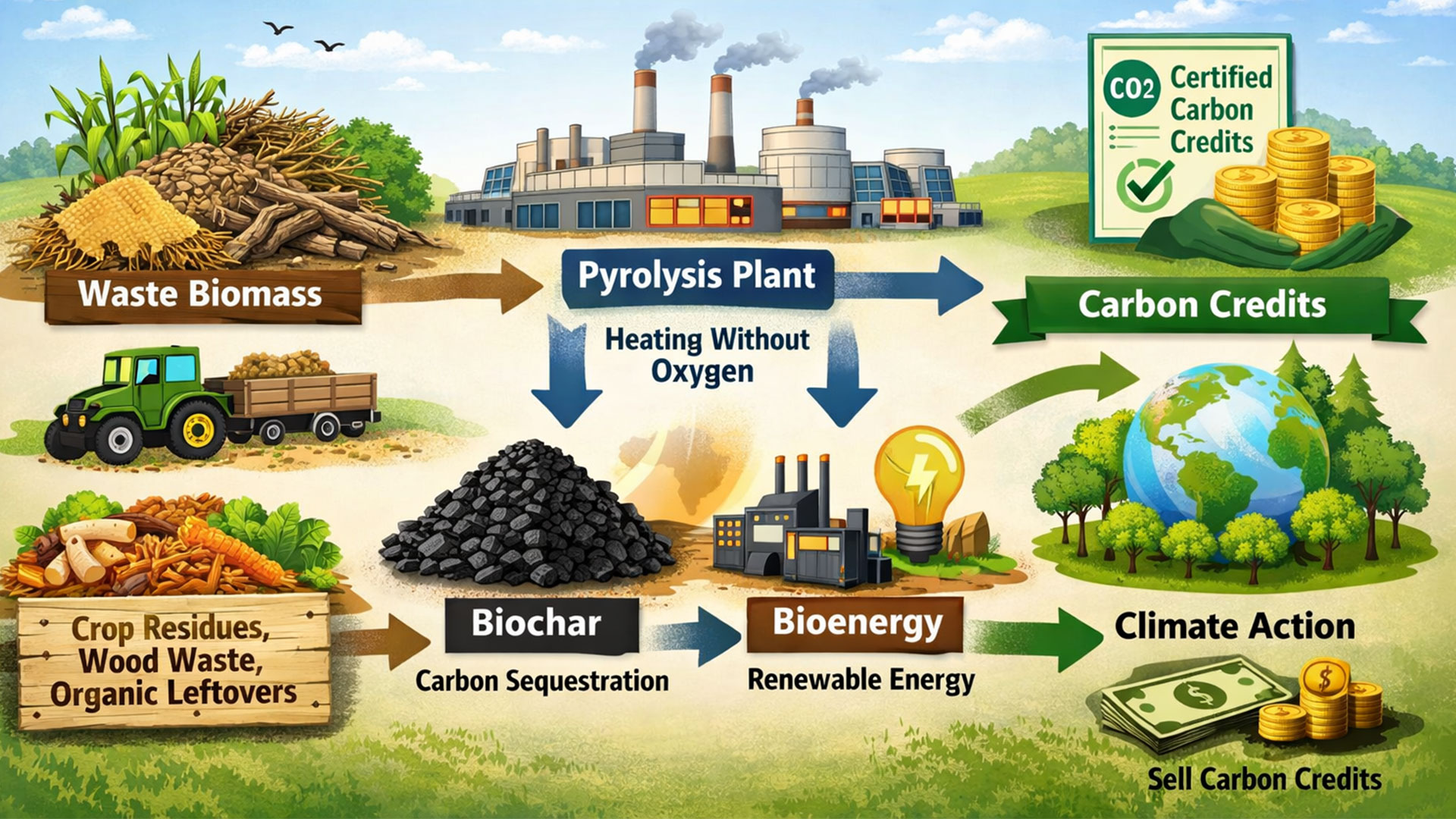
Biochar carbon credit is becoming an important tool for addressing climate change and promoting sustainable agricultural development. It achieves long-term carbon sequestration by converting agricultural and forestry waste into stable carbonaceous materials, generating tradable carbon credits.
In the past two years, the demand for biochar carbon credit has grown at an astonishing rate. This is driven by companies and organizations actively seeking effective carbon offsetting methods to achieve their carbon reduction targets. Biochar carbon credit offers them a viable solution.
Biochar carbon credit certification is based on the additionality and traceability of biomass carbon sequestration.
Additionality refers to emission reduction activities that would not occur without carbon credit incentives, such as carbon sequestration through biochar production. For example, agricultural waste would otherwise be directly burned or discarded. Converting it into biochar and achieving carbon sequestration demonstrates additionality.
Traceability requires the ability to track information throughout the entire process of biochar production, from raw material sourcing and processing to final application.
How to Create and Verify Biochar Carbon Credits?
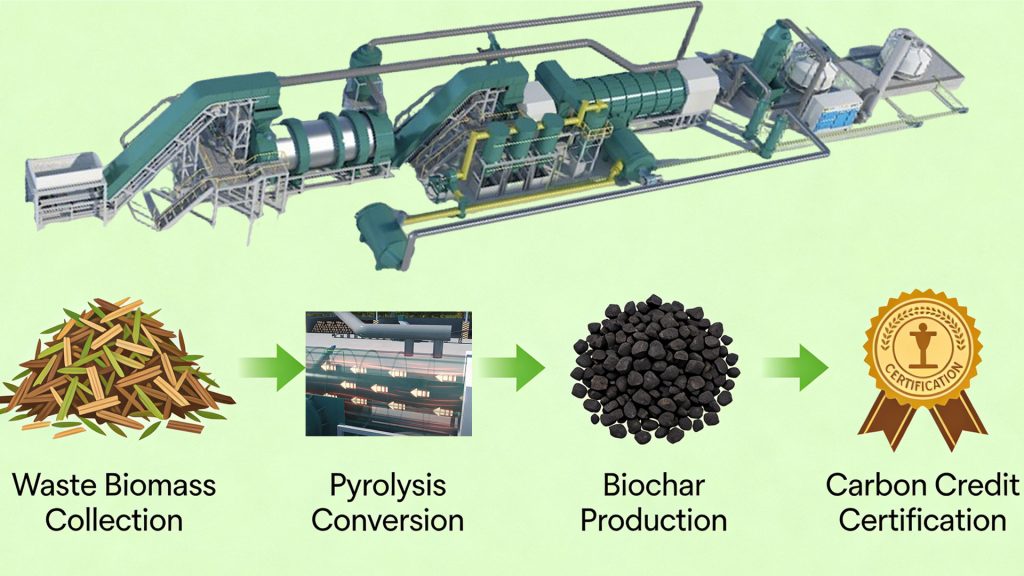
A complete biochar carbon credit project requires a standardized process from raw materials to final verification to ensure its environmental integrity.
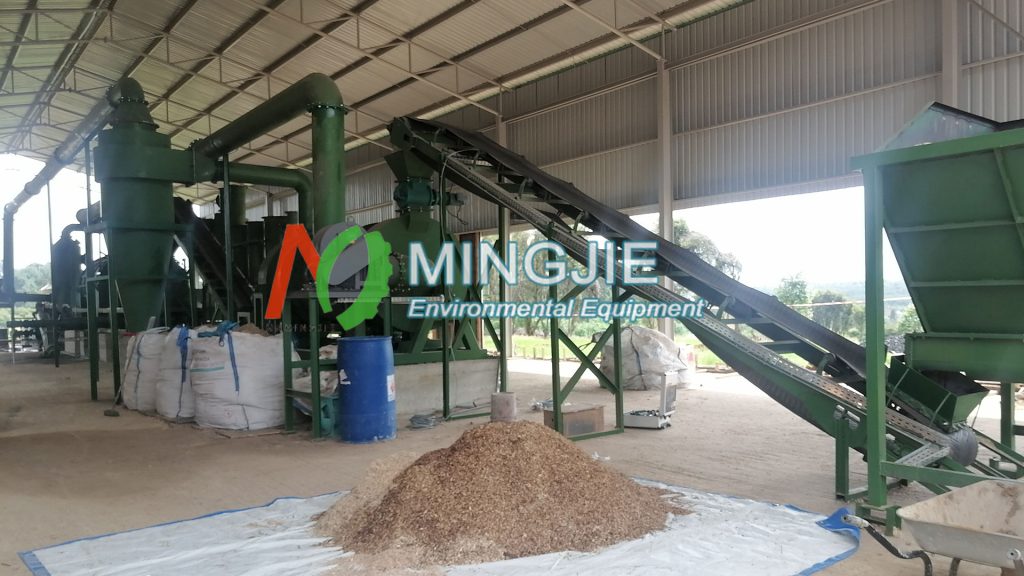
Compliant Raw Materials: The project must use waste or residues, such as straw, rice husks, forestry residues, palm kernel shells, etc. Using specially cultivated energy crops will severely compromise the project’s carbon benefits.
Production and Application: Raw materials are converted into biochar using biomass pyrolysis technology. The biochar is then applied to soil or other suitable environments using scientific methods to ensure its long-term stability.
Rigorous Verification (MRV): This is the core of the project’s credibility and requires a digital monitoring, reporting, and verification (dMRV) system for full traceability. The system records the source of raw materials, production process emissions, biochar carbon content, and final destination. It is then subject to independent third-party auditing to ensure that every ton of carbon credit is real and measurable.
Only biochar projects that pass a comprehensive audit and demonstrate verifiable and credible carbon sequestration effects can obtain the corresponding carbon credits. These biochar carbon credits can be traded on the carbon market, providing economic benefits to project developers.
Key Indicators for Biochar Carbon Credit Certification
Carbon content and chemical stability are crucial parameters for obtaining carbon credits from biochar. They directly relate to biochar’s carbon sequestration capacity and environmental benefits.
Among various types of biomass, wood-based biomass exhibits significant advantages. The carbon content of wood itself is typically between 50% and 60%, higher than other common biomass sources, such as straw and fungal residue.
In the wood pyrolysis plant, lignin in wood decomposes slowly, contributing to the formation of a highly aromatic and stable structure in the biochar. This structure gives wood-based biochar strong resistance to microbial decomposition and chemical oxidation. Its carbon sequestration cycle can last for hundreds of years, far exceeding that of biochar made from many other types of biomass.
International carbon credit certification systems explicitly consider the long-term carbon sequestration capacity of biochar as a core indicator. Wood-based biochar, with its high carbon content and excellent chemical stability, has higher credibility and market value in carbon credit projects.
In contrast, while straw-based biomass is widely available, its carbon content is relatively low. Straw biochar has poorer structural stability and performs less effectively in long-term carbon sequestration compared to wood-based biochar.

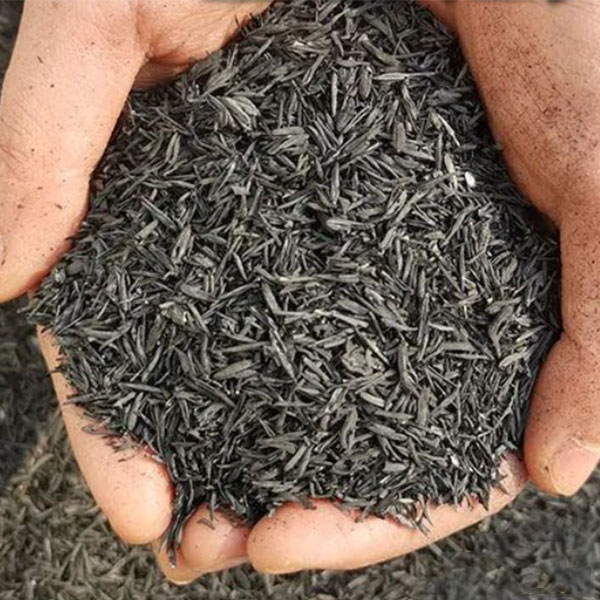
Synergistic Value-Adding Elements
A well-developed porous structure and excellent adsorption performance are important characteristics of high-quality biochar. These are also key elements in achieving synergistic benefits and enhancing market value in carbon credit projects.
Agricultural residues such as straw and fruit husks, due to their high cellulose content, form a rich porous structure during pyrolysis. For example, rice husk after pyrolysis can have a porosity of 60% – 80% and a specific surface area of 200 – 500 square meters per gram. This gives it excellent adsorption capabilities, allowing it to effectively adsorb heavy metal ions, organic pollutants, and harmful substances.
This adsorption performance of biochar helps improve soil quality and reduce environmental pollution. It also brings additional environmental benefits to biochar carbon credit projects.
In carbon credit mechanisms, these additional environmental benefits can be included in the accounting scope of carbon credit projects. By increasing the synergistic benefits of the project, the market value of carbon credits is enhanced.
In contrast, biochar from wood biomass is inferior to biochar prepared from straw and rice husks in porosity and adsorption capacity. This also reflects the differences in the performance of biochar produced from different biomass raw materials, and their impact on the benefits of carbon credit projects.