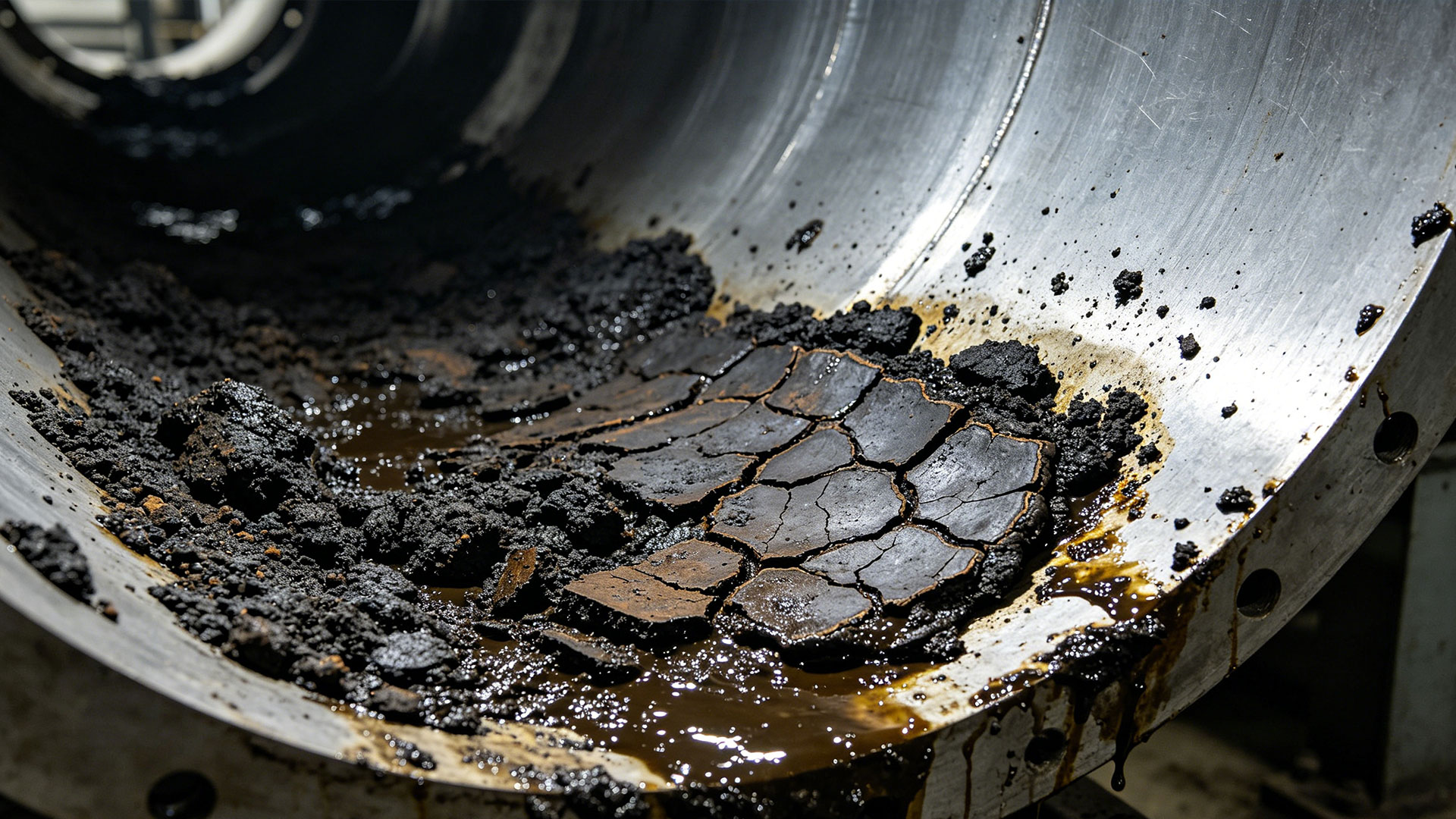
When oil sludge is fed into a pyrolysis reactor, it is highly prone to coking, which causes blockages and jams the equipment. This leads to reduced thermal efficiency, a shortened equipment lifespan, and even operational failures. The issue during the oil sludge pyrolysis process is primarily due to the sludge’s high viscosity.
At high temperatures, the heavy components in oil sludge undergo condensation and polymerization, forming dense coke deposits that adhere to the reactor’s inner walls. This significantly reduces heat transfer efficiency, prolongs pyrolysis cycles, and obstructs oil and gas flow channels.
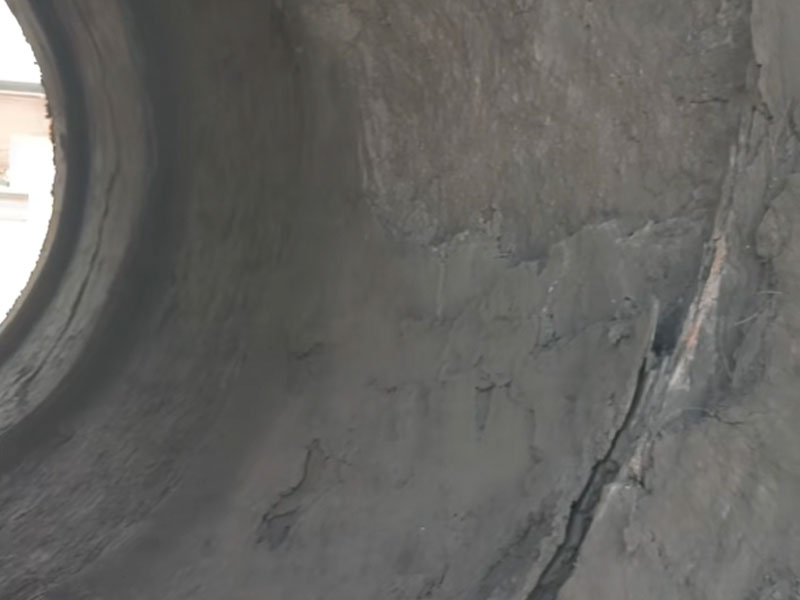
In severe cases, this can lead to screw shaft jamming and localized overheating or deformation of the reactor body, necessitating frequent shutdowns for coke removal and substantially increasing operational costs and safety risks.
How to Minimize Coking During Oil Sludge Pyrolysis Process
Addressing the issues of coking and agglomeration during the oil sludge pyrolysis process requires a systematic strategy. We can approach this from four dimensions: pretreatment, pyrolysis equipment upgrade, process control, and operation and maintenance management.
Feedstock Pretreatment to Reduce Coking
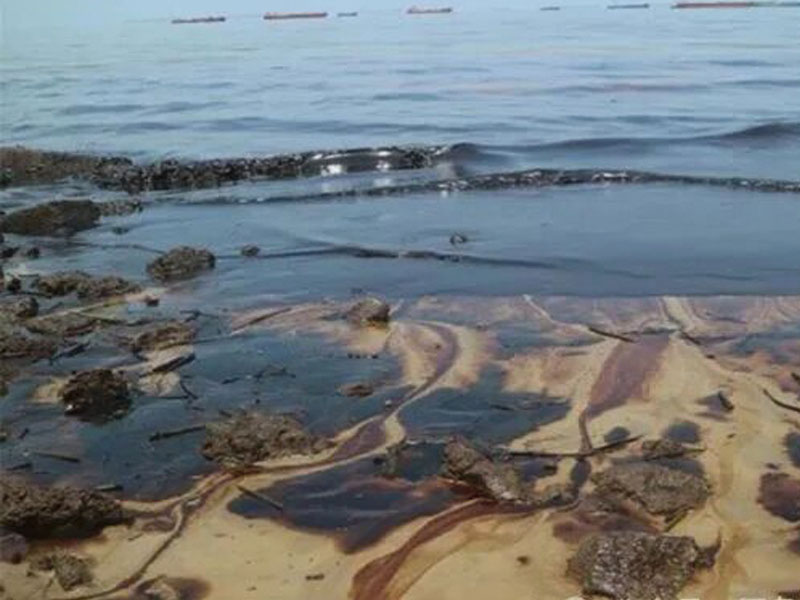
The high water content and viscosity of oil sludge are the primary causes of caking. Effective pretreatment—comprising deep dewatering, impurity removal, and conditioning—is the essential first step.
Deep Dewatering: Mechanical pressing or centrifugation is used to minimize the sludge’s water content—ideally to below 3%. This transforms the material into a loose, dry residue, reducing its adhesiveness by more than 70%.
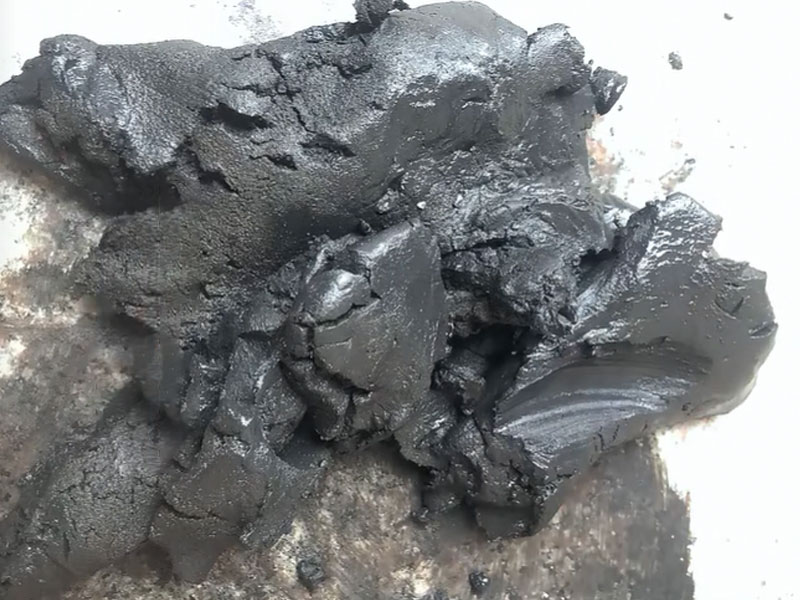
Crushing and Impurity Removal: After drying, the sludge is pulverized into fine particles (1–3 mm) to eliminate large, pasty clumps. Vibrating screens remove stones and large debris, while magnetic separation extracts metallic impurities.
Conditioning: For ultra-viscous tank-bottom sludge, a small amount of lime powder is mixed in during the pretreatment stage to break up sludge agglomerates and reduce viscosity.
Upgrading Oil Sludge Pyrolysis Equipment
Improving the oil sludge pyrolysis equipment itself is the most direct and effective method for preventing and removing caking.
Upgrading the pyrolysis reactor material: Opt for a high-temperature resistant stainless steel liner (such as 304 or 310S). The smooth, corrosion-resistant surface of the stainless steel significantly reduces the adhesion strength of heavy oils at high temperatures. This not only minimizes sludge buildup on the walls but also withstands the high temperatures (approx. 400°C) required for sludge pyrolysis, thereby extending the equipment’s service life.
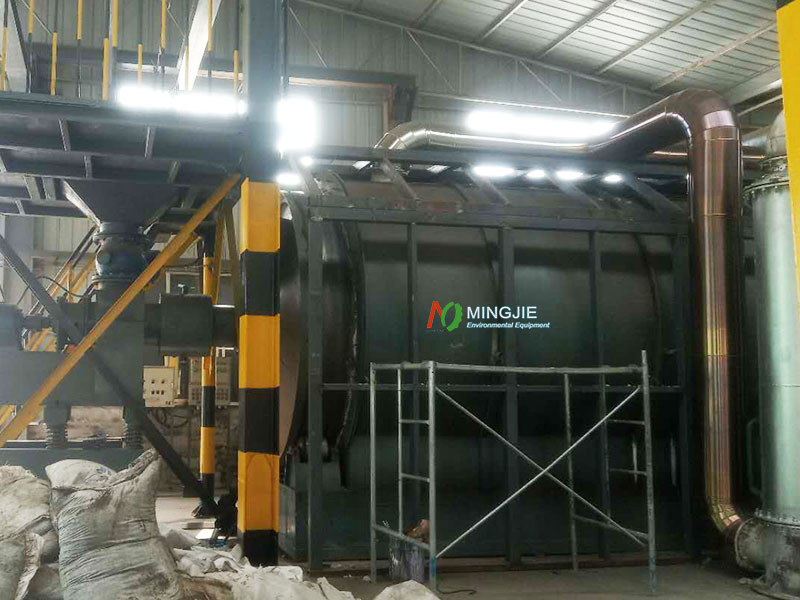
Mingjie oil sludge pyrolysis equipment is designed to withstand high temperatures and corrosion, making it suitable for various oil sludge disposal. It efficiently processes a wide range of oily wastes, including sludge from oilfields, ground-deposited sludge, refinery sludge, tank-bottom sludge, surface oil spills, oil-based drill cuttings, and oil-contaminated waste.
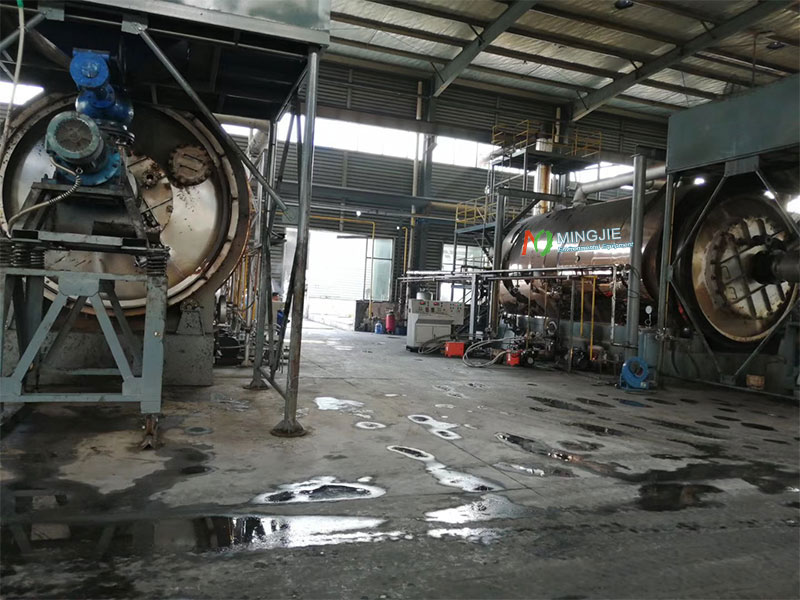
Installing coking removal devices: This is currently the most widely adopted solution.
- Energy balls: High-temperature resistant ceramic energy balls are loaded into the pyrolysis reactor. As the reactor rotates, the balls roll and rub against the inner wall, scraping off uncured coke layers in real-time. They disperse the material and scrape away coking deposits through collision and friction, while also helping to distribute heat evenly.
- Mechanical scraping devices: Components such as scraper blades, pendulum hammers, spiked rollers, and scrapers use mechanical motion to periodically remove caked deposits adhering to the inner wall.
Optimizing Parameters in Oil Sludge Pyrolysis Process
Precise control of parameters during the oil sludge pyrolysis process can effectively inhibit coking reactions.
- Precise temperature control: Avoiding localized overheating is crucial. An intelligent control system should be employed to ensure uniform heating within the reactor and to establish an optimal temperature profile based on the specific characteristics of the oil sludge.
- Controlling residence time: The residence time of the material within the reactor should not be excessive, in order to prevent the over-polymerization of heavy components.
- Adjusting other parameters: Appropriately adjusting parameters, such as system pressure and material feed rate, also helps reduce the risk of caking.
Routine Maintenance and Cleaning
Comprehensive process controls cannot entirely prevent the formation of trace amounts of coke deposits. Therefore, standardized periodic cleaning procedures are required to remove accumulated, hardened deposits.
Simple Physical Cleaning (Routine Operations)
Utilize the reactor existing agitation and energy ball systems. Rotate the empty reactor for 30 minutes after each production cycle to dislodge loose coke layers through friction.
Deep Cleaning (Periodic Maintenance)
- Mechanical Scraping: Use high-pressure pneumatic scrapers and high-pressure water jets on the reactor inner walls. It is suitable for organic coke layers less than 5 cm thick. Mechanical cleaning offers high efficiency and poses no risk of equipment corrosion.
- Chemical Coke Dissolution: For hard, heavy coke deposits, employ a specialized tar-dissolving agent for circulating immersion.
- High-Temperature Calcination: Introduce a small amount of air to burn off the organic coke layer via low-temperature calcination. This method is suitable for thick, stubborn, hardened deposits.
Solid Waste Treatment Solution
As a professional manufacturer of pyrolysis equipment, Mingjie Group provided customized environmental solutions to more than 200 customers around the world. We offer comprehensive, one-stop services, including equipment customization, solution design, installation and commissioning, operational training, and after-sales support. And we have successfully implemented a number of solid waste pyrolysis projects in more than 30 countries, winning wide recognition.
Mingjie pyrolysis plant has been successfully applied to the treatment of over 30 types of materials, including waste tires, waste plastics, oily sludge, medical waste, municipal solid waste, and waste biomass.
We provide customized pyrolysis solutions tailored to client needs regarding material types, processing scale, site conditions, and investment budgets.
Our pyrolysis equipment is highly versatile and suitable for a wide range of organic solid waste treatment scenarios:
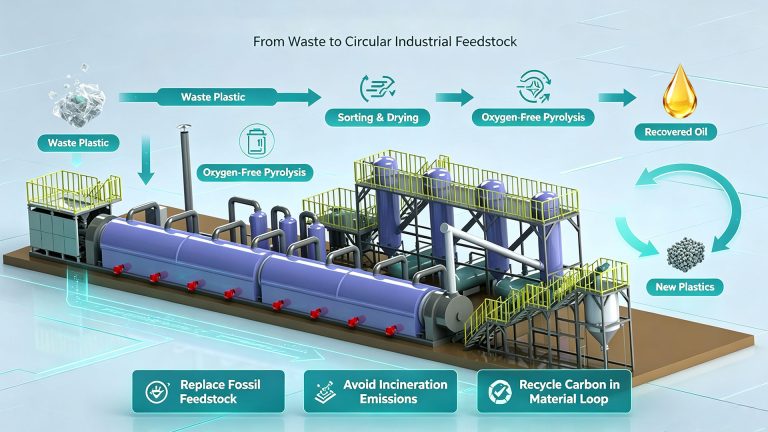
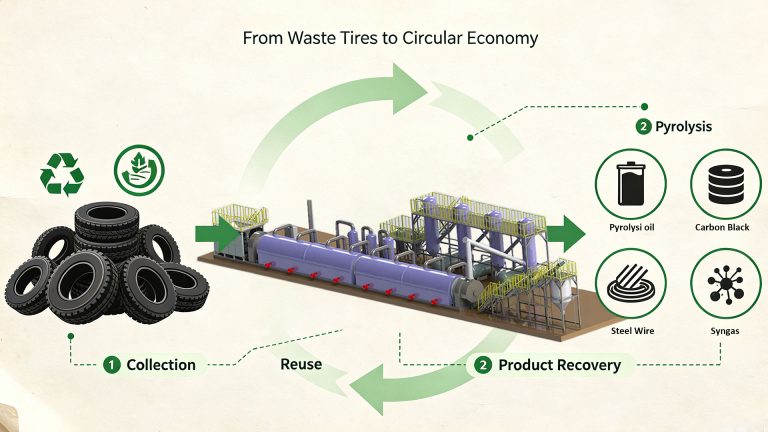
- Rubber & Plastic Recycling: Pyrolysis of waste tires, plastics, and rubber to produce high-quality pyrolysis oil, carbon black, and recoverable steel wire, enabling the circular recycling of these materials.
- Industrial Solid Waste Treatment: Harmless treatment of hard-to-handle hazardous and solid wastes, such as oil sludge, tar residue, and industrial sludge.
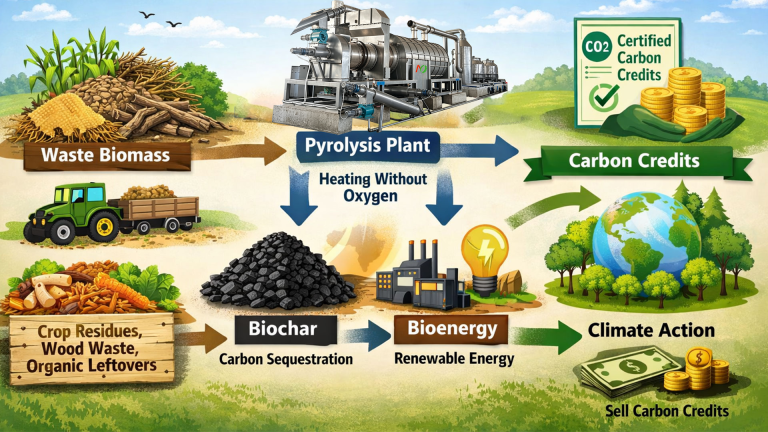
- Biomass Carbonization: Pyrolysis of straw, wood chips, and agricultural forestry waste biomass into biochar, supporting the development of a green circular economy.
- Municipal Solid Waste Treatment: Harmless treatment and volume reduction of decentralized municipal and organic waste.