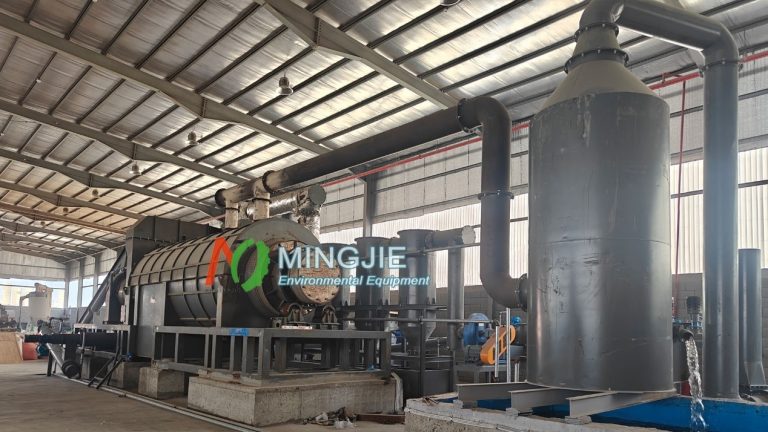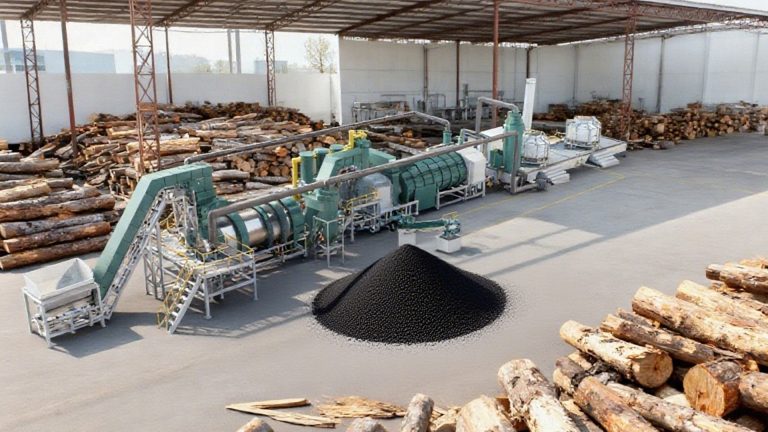
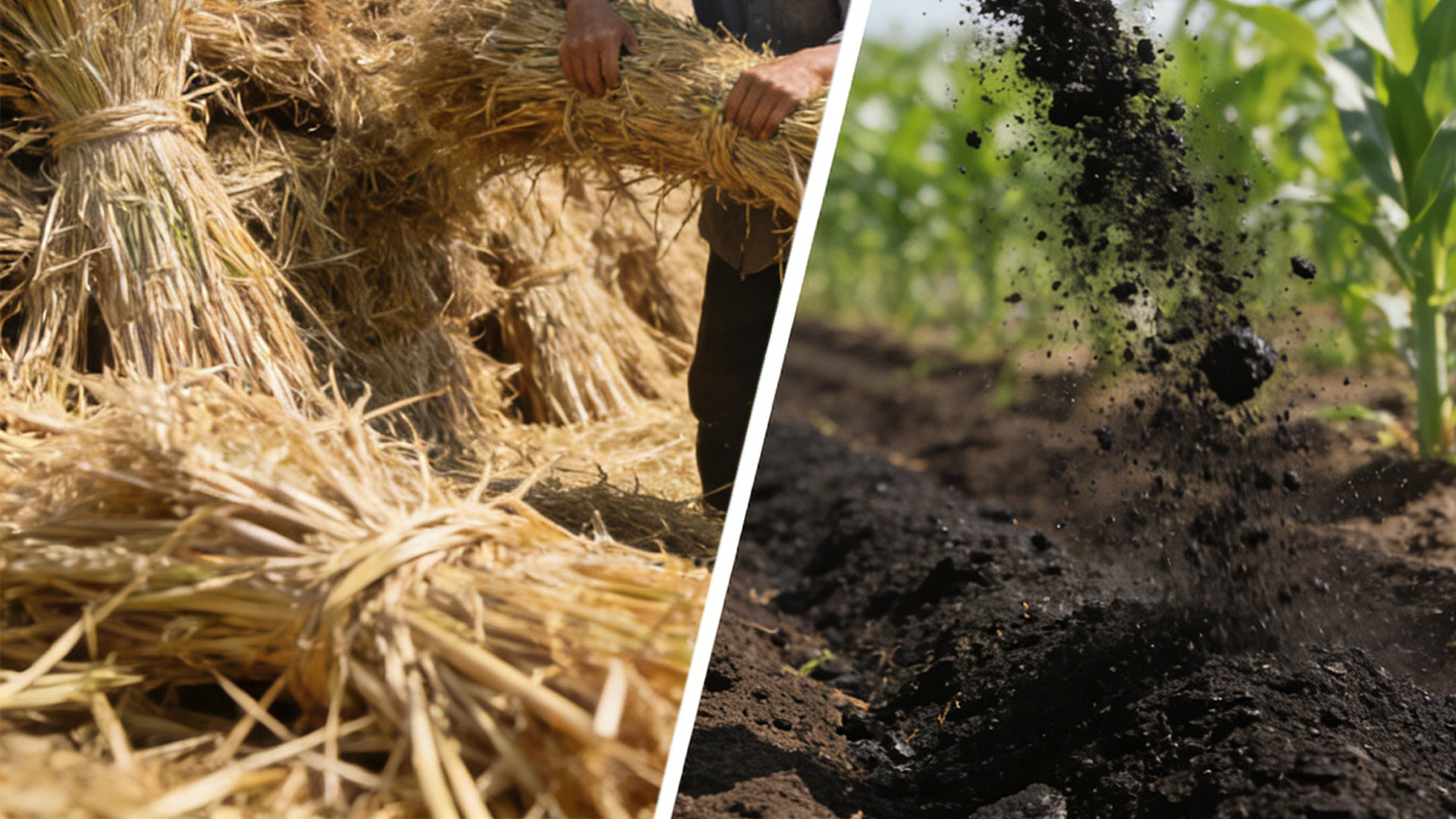
Mingjie biomass carbonization equipment can produce biochar from agricultural waste through continuous pyrolysis technology. It not only processes waste but also generates high-value biochar products. Biochar from agricultural waste is one of the most direct and important ways to achieve negative carbon emissions. It locks waste carbon sources into a stable form, and when applied to soil, it further reduces greenhouse gas emissions.
The raw materials for preparing biochar are materials with high carbon content but low inorganic content. Rice straw, wheat straw, corn stalks, soybean roots, spent coffee grounds, sugarcane bagasse, rice husks, peanut shells, coconut shells, walnut shells, castor shells, corn cobs, olive pits, date pits, sunflower heads, and cottonseed are examples of agricultural wastes used to prepare biochar.
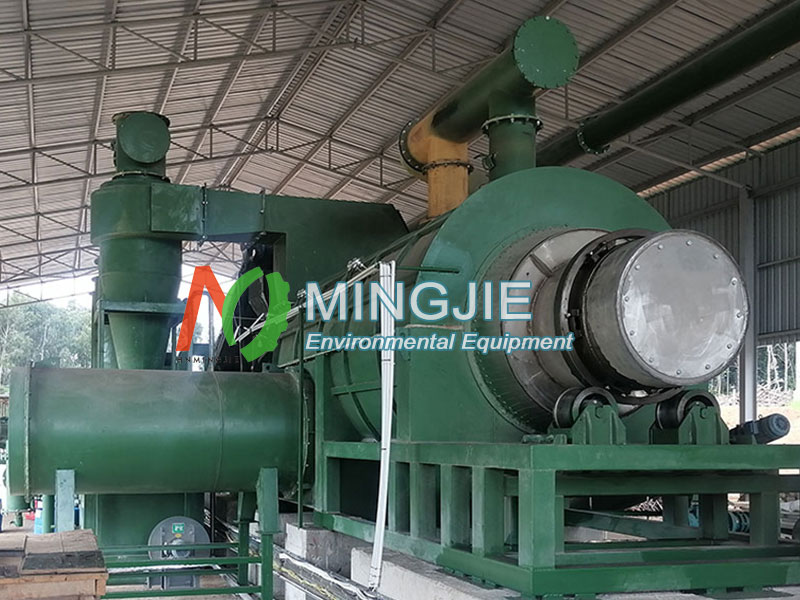
The pyrolysis of agricultural waste into biochar has reached commercial-scale application. Mingjie biomass pyrolysis plant utilizes continuous pyrolysis technology, enabling the continuous production of biochar. It can process a variety of agricultural waste, forestry waste, animal feces and sludge. This provides an economical and environmentally friendly conversion pathway for large quantities of waste biomass.
Biochar from Agricultural Waste Project Showcase
Mingjie Group’s biomass carbonization equipment has been applied to several projects that produce biochar from agricultural waste. These biomass pyrolysis projects have achieved significant results in terms of technological innovation and economic benefits.
Rice Husk Biochar Project
MJT-1000 biomass pyrolysis equipment was used to produce rice husk biochar from agricultural waste. The rice husk biochar project not only recycles agricultural waste, but also creates environmental and economic value through stable carbon sequestration.
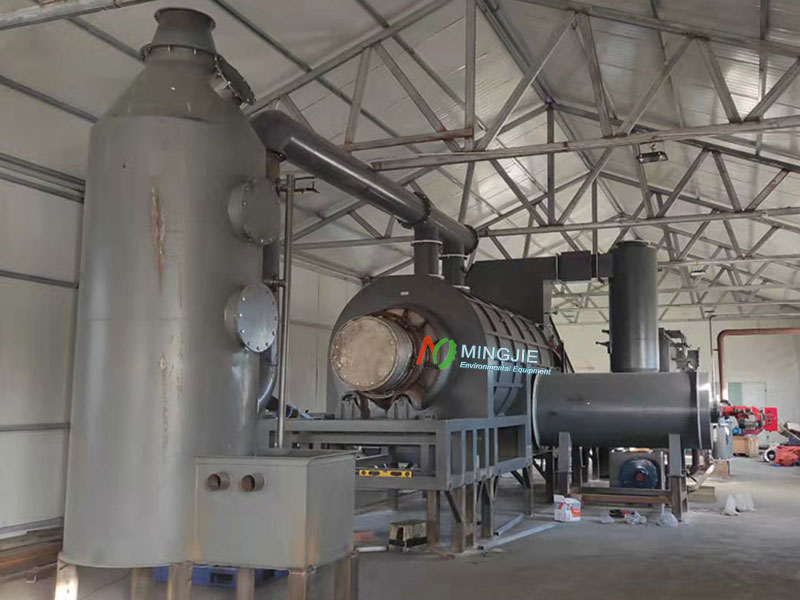
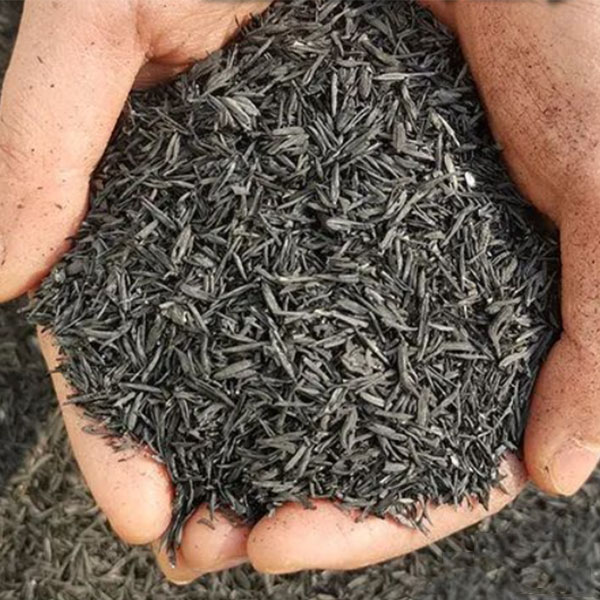
- In the agricultural sector, rice husk biochar can be used as a soil amendment to improve soil fertility and promote crop growth.
- In the environmental protection field, biochar has broad application prospects in wastewater treatment and exhaust gas purification.
- In the energy sector, biochar serves as an important component of solid fuels and bioenergy systems.
The high silicon content of rice husk biochar forms a more stable silicon-carbon structure, which is conducive to long-term carbon sequestration. Its structure can sequester carbon for hundreds to thousands of years.
Waste Biomass to Biochar Project
The MJT-100 mobile biochar machine was used to process biomass pellets. The biomass pellet pyrolysis project first compresses loose biomass (such as straw) into high-density pellets, and then performs pyrolysis. This addresses the challenges of inconsistent biomass raw materials, high collection and transportation costs, and unstable pyrolysis conditions.
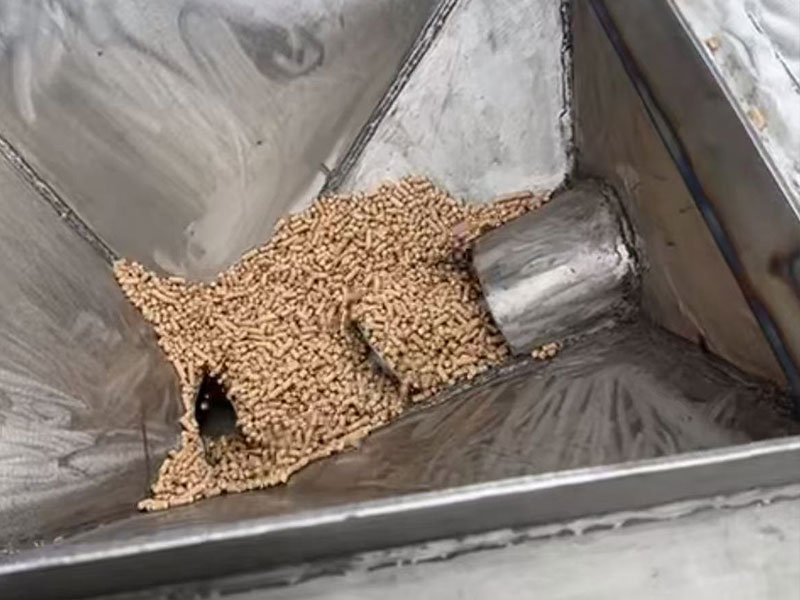
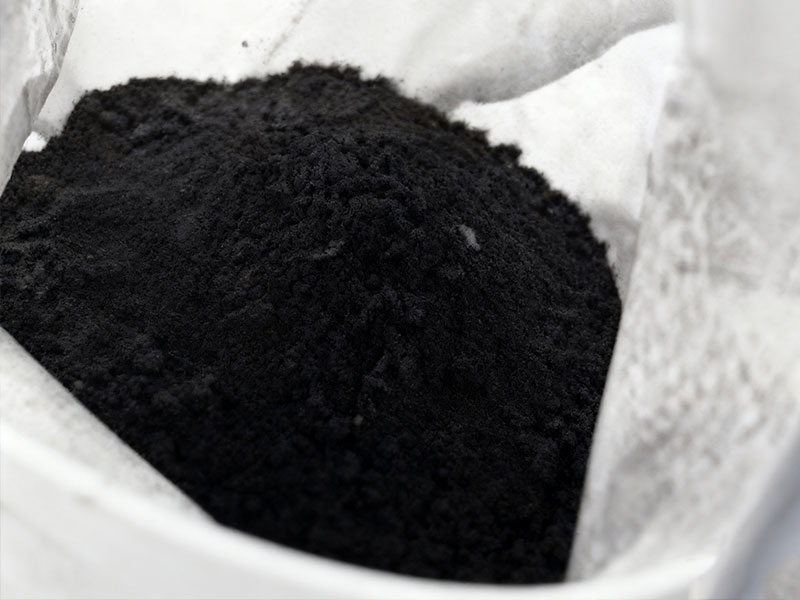
Advantages of Biomass Pellet Pyrolysis
- Wide range of raw material adaptability: Low-density, easily degradable agricultural waste can be converted into standardized industrial raw materials.
- Easier process control: The uniformity of the pellets makes parameters such as pyrolysis temperature and time more stable. This significantly improves the consistency of biochar and bio-oil product quality.
- Superior economic efficiency: The calorific value is increased after pelletization, and the transportation radius is expanded. This lays the foundation for large-scale, continuous production.
Biochar Machine Manufacturer – Mingjie Group
Mingjie Group, as a professional biochar equipment manufacturer, utilizes continuous pyrolysis technology in our biomass carbonization equipment. This technology allows for continuous feeding and char discharge, significantly improving production efficiency. We provide comprehensive technical support to our customers.
Mingjie offers a variety of biomass pyrolysis equipment models, including the mobile biochar machine MJT-100, and large-scale biomass pyrolysis equipment MJT-500, MJT-1000, MJT-2000, MJT-3000, and MJT-5000.
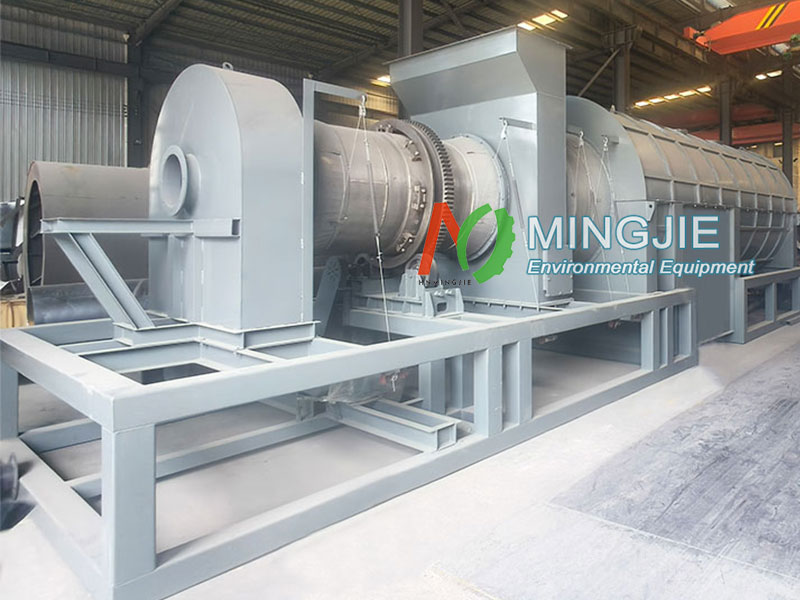
We customize biochar equipment for different biomass raw materials. This meets the diverse needs of different customers, production scales, and raw materials.
Our biomass pyrolysis equipment employs an advanced automated control system that precisely regulates temperature, ensuring stable char quality. Simultaneously, the continuous pyrolysis technology effectively reduces pollutant emissions. The combustible gases produced during the process are purified and recycled, resulting in a high resource utilization rate. This reduces energy consumption and operating costs, demonstrating excellent environmental performance.