The Basics of Pyrolysis Technology
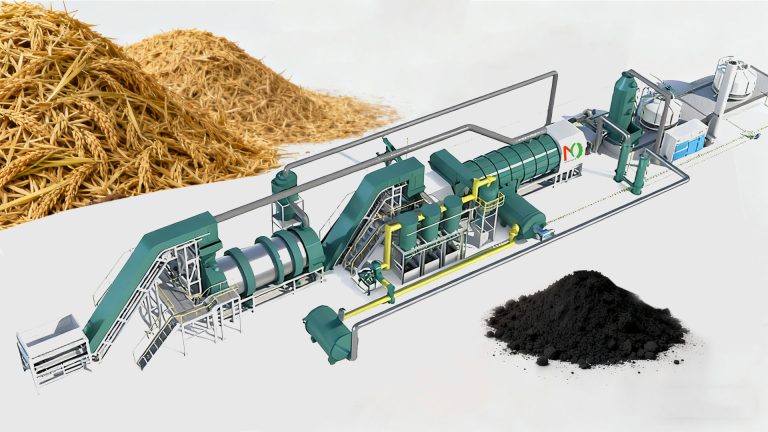
Pyrolysis is a highly advanced thermal process of catalytic or non-catalytic thermal decomposition in the absence of oxygen. Innovative Approaches to Combined Waste Tyre and Plastic Pyrolysis decomposes the complex organic material into simpler constituents using highly controlled heat. Because of its ability to recycle waste materials into useful by-products pyrolysis has become a prominent process in waste management. The process generally takes place at high temperature in the range of 300° – 700° C. At this range the bonds between molecules break down sufficiently and the material is completely decomposed without undergoing complete combustion.
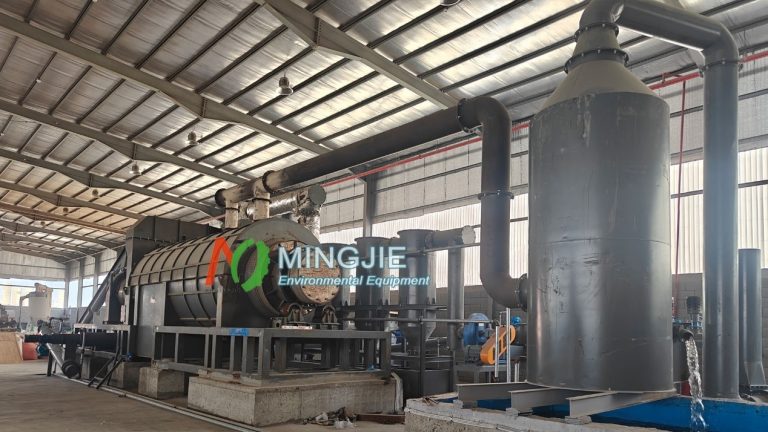
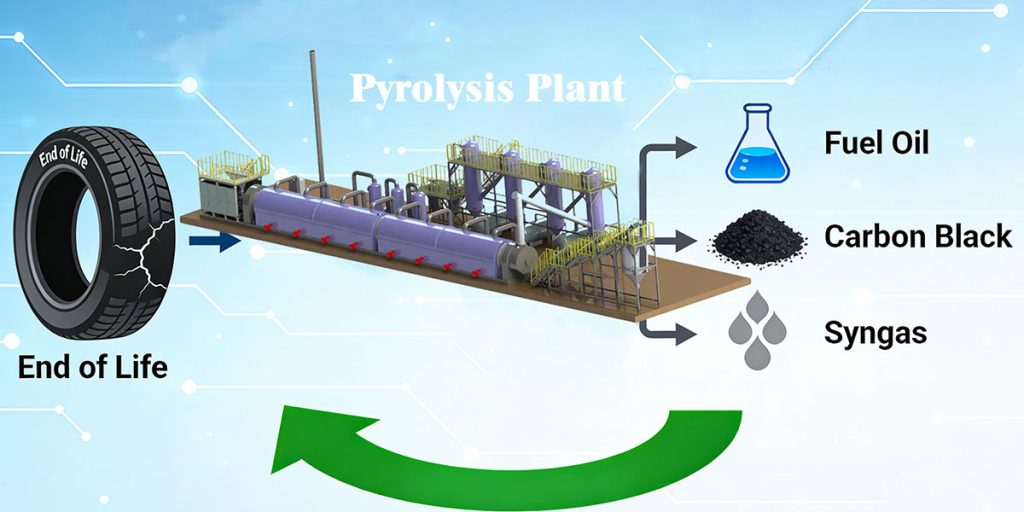
The role of pyrolysis in converting waste materials extends far beyond simple disposal, offering a pathway to recover energy and materials that would otherwise contribute to environmental degradation. Through this process, waste tyre pyrolysis plant operations can transform discarded tyres into pyrolytic oil, carbon black, and synthesis gas, while plastic waste yields similar valuable products.
Benefits of Combining Waste Tyres and Plastics in Pyrolysis
Pyrolysis of waste tyres with plastics increases greatly the pyrolytic yield and quality of the products than that of individual tyres or plastics, because the integration of tyre rubber and various plastics results in different thermal decomposition properties, which helps to attain the advantages of good heat transfer and stable catalytic effect in waste tire pyrolysis plant.
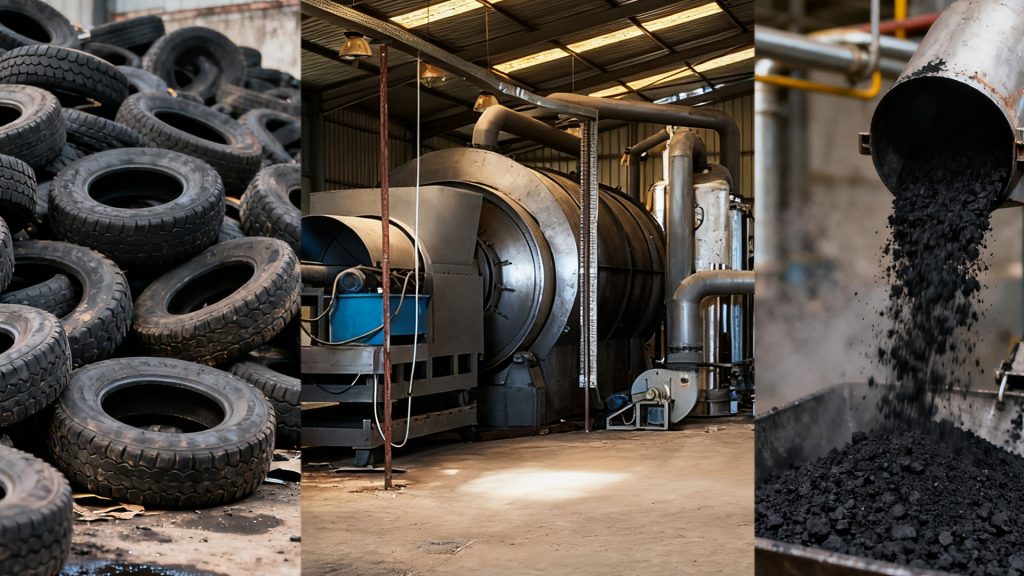
This integrated approach for pollution reduction through co-processing is found to give benefits in handling two major categories of waste. A significant amount of waste from various sources are presently landfill disposed. By processing these wastes into saleable products for revenue generation, it will undoubtedly attract investors and therefore create a viable business opportunity.
Innovative Techniques in Waste Tyre and Plastic Pyrolysis
Advanced Reactor Designs
Modern Pyrolysis plants are using both continuous and batch type of reactors. Continuous type reactors have the advantage of being on line for a longer period of time with continuous production. They are very appropriate for large volume commercial operations. Batch type reactors are used when feed mix varies frequently and also when production capacity is not very large.
Catalytic Pyrolysis Enhancements
Catalysts are combined with the pyrolysis process to significantly increase the conversion rate and selectivity of the products achieved. In Waste Tyre and Plastic Pyrolysis, This way the yields of the desired products can be controlled in accordance with market requirements. Zeolites, metal oxides and modified clay minerals are commonly used as catalysts and their suitability is different for various feedstocks and product mixtures.
Challenges and Solutions in Combined Pyrolysis Processes
Addressing Feedstock Variability
Tyres and plastics are materials with very different properties. Therefore, their processing should be adapted accordingly in order to ensure consistent processing results. The tyre rubber consists of rubber polymers together with sulfur-containing compounds and steel reinforcement. The plastics on the other hand are made of a wide range of polymers, additives and different thermal behaviour patterns.
The pretreatment methods including size reduction, magnetic separation for removal of iron contaminants like steel, and optimization of composition through blending the tire material with precision to achieve the optimal tire to plastic ratio for consistent operation.
Overcoming Technical Barriers
Transitioning a process from a pilot plant to a commercial scale plant is a major challenge. This involves number of technological issues including heat transfer, air and gas pollution control and automation. Careful design of reactor modifications and heat exchange networks is required to achieve an efficient process at large scale.
The development of new heat transfer technologies such as novel heat exchangers and thermal integration strategies has contributed to achieving higher process efficiencies by utilizing and reusing waste heat throughout the process.
Environmental and Economic Impacts of Combined Pyrolysis
Environmental Benefits of Waste Tyre and Plastic Pyrolysis
The benefits of this method are not limited to recycling and reuse of waste. Waste Tyre and Plastic Pyrolysis also include significant reduction of landfilling of the waste and, accordingly, a decrease in emissions of green house gases, such as CO2. If the waste was to be landfilled, it would be subjected to anaerobic decomposition which releases methane and other green house gases. These gases are not released during the pyrolysis process, resulting in lower environmental impacts.
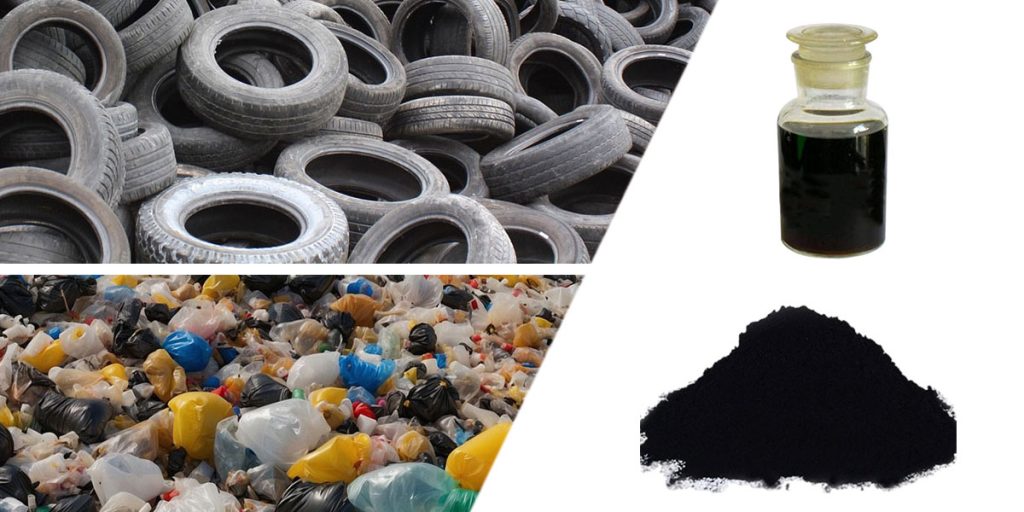
The technology that helps to advance the principles of the circular economy through resource recovery from urban solid waste and convert the traditional linear system of dump sites into a circular economy by recycling waste and making waste into resource so as to turn the non-biodegradable waste into the resources and materials which will enable to meet the targets of the global circular economy agenda and comply with the existing policies and legislation of the circular economy.
Economic Viability and Market Potential
Market demand analysis for products made from pyrolysis reveals great prospects in several areas of economy. The pyrolytic oil can be burned as source of energy, or further refined like crude oil. The carbon black that is recycled from pyrolysis can be used to manufacture rubber products, plastics and other construction materials.
With present regulations and with the escalating costs for landfill disposal, the investment into the waste tyre pyrolysis plant business holds tremendous opportunities. By utilizing our technology, our tyre pyrolysis investors can develop a very unique and highly profitable recycling business as they will have opportunities to earn cash from the sale of the byproducts and also from charging for the disposal of waste materials to the plant.
Future Prospects for Combined Waste Tyre and Plastic Pyrolysis
Emerging Trends in Pyrolysis Technology
Smart monitoring systems is a major development in the world of process optimisation using artificial intelligence and machine learning techniques to predict the best point of operation and potential failures in the plant. The system will allow for real time optimisation, by adjusting the operating point to achieve maximum product yields and energy efficiency. Plays an important role in Waste Tyre and Plastic Pyrolysis
Integration with renewable energy sources allows for sustainable operation of the pyrolysis process by providing additional heat sources via solar thermal systems, biomass heating or waste heat recovery. This lowers the carbon intensity of the pyrolysis process thereby increasing the overall competitiveness of the process.
Policy Support and Industry Collaboration
Government policies are playing a more important role in many countries and are helping in the promotion of pyrolysis technology by offering tax concessions, waste to energy favourable regulations and demonstration project funding to support commercialisation. Key to the growth of innovation is the partnerships between the different actors within the industry. Waste Tyre and Plastic Pyrolysis, By combining the knowledge of waste management companies, technology developers and end-user industries, development of new technologies can be accelerated and the creation of integrated value chains that lead to higher performing systems in the waste and resource management sector.