Conflict interdicts centralized fuel supplies. Local waste management systems fail during urban warfare. The Mobile Pyrolysis Plant creates a strategic energy lifeline. It produces fuel at the point of consumption. This decentralized approach bypasses compromised infrastructure. Tactical self-sufficiency becomes possible through this technology. These units convert hazardous waste into renewable fuel sources. Active local production reduces the need for dangerous fuel transport.
The Strategic Value of Distributed Fuel Production
Distributed production shifts fuel from dangerous transport routes to local sites. This method reduces vulnerability to blockades. The system generates syngas to heat its own reactor. This self-sufficiency eliminates the need for external heating fuel. Operators maintain production even when supply chains vanish. Waste transforms into a critical strategic resource. Resilience grows when communities produce their own power. Infrastructure damage no longer stops all local energy generation.
Turning Battlefield and Urban Waste into Fuel
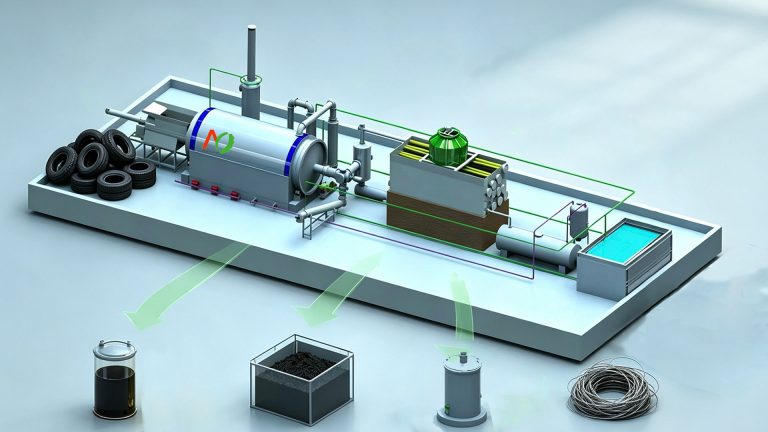
Conflict zones accumulate massive piles of tires and plastics. The Mobile Pyrolysis Plant processes these materials without pre-washing. It handles polyethylene and polypropylene plastics with high efficiency. For municipal solid waste, operators must pre-sort the feed. They must remove metal, glass, and stone to protect the unit. This step ensures consistent machine performance in the field. The equipment turns mountain-high waste tires into industrial fuel oil. This process removes hazardous materials from the local environment.
Technical Performance of the Mobile Pyrolysis Plant
Small-scale units like the MJ-2 process 2 tons daily. The reactor reaches an optimal temperature of 420 ℃. Pure polypropylene yields approximately 800 kilograms of oil per ton. Polyethylene yields between 700 and 800 kilograms of fuel oil. A full batch cycle requires 20 hours for completion. This includes a four-hour reactor cooling period before discharge. The batch pyrolysis units can process 2-15 T/D waste tires, they are suitable for medium-scale local production. They offer high performance for communities facing infrastructure collapse.
Local Fuel Applications for Emergency Logistics
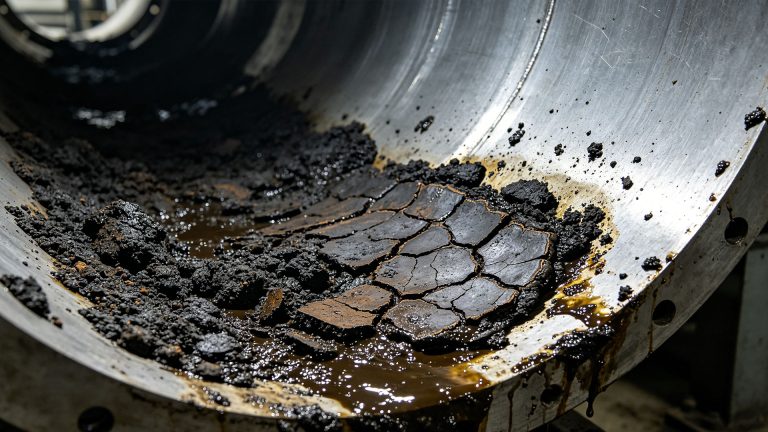
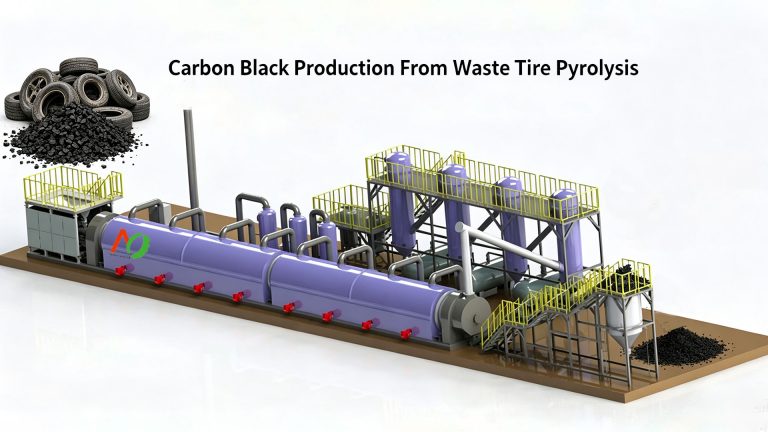
Further processing through distillation creates non-standard diesel and gasoline. These fuels power heavy-load engines and diesel generators. Ships and logistics vehicles operate on these refined products. The Mobile Pyrolysis Plant also produces carbon black. Maintenance teams use carbon black as a fortifier for rubber repairs. It also serves as a fuel for local heating needs. The system uses syngas to maintain the pyrolysis process. These products ensure local logistics remain operational during supply chain failures.
Rapid Deployment and Skid-Mounted Advantages
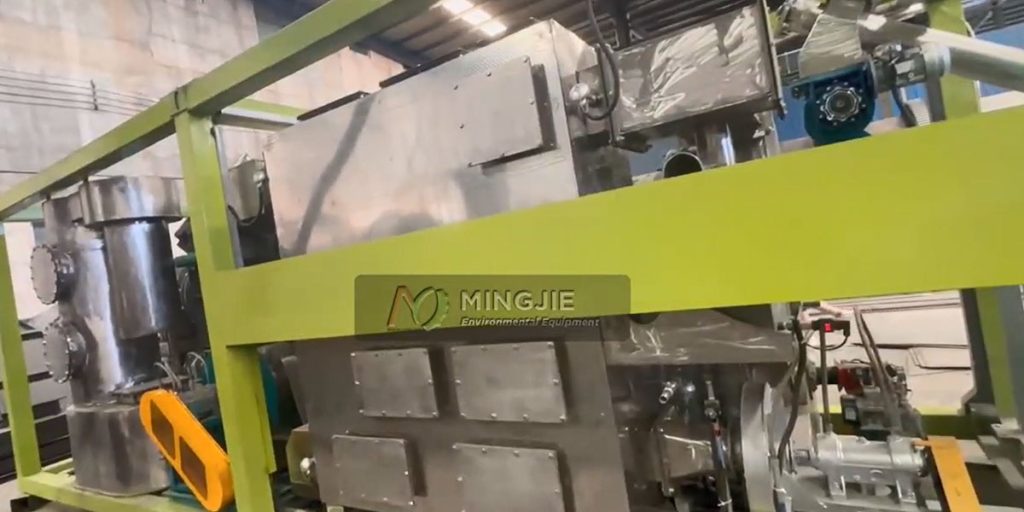
The skid-mounted design allows the Mobile Pyrolysis Plant to be transported and deployed quickly across a wide range of operating environments. Compared with traditional fixed industrial systems, it requires a much smaller operational footprint, making it suitable for remote areas, temporary projects, and locations with limited infrastructure. The compact modular structure simplifies transportation and installation, significantly reducing setup time and enabling operators to begin production rapidly after arrival on site. High cost-effectiveness and flexible deployment make these units particularly valuable for emergency logistics, decentralized energy projects, and fast-response waste treatment applications.
In addition to rapid installation and mobility, the Mobile Pyrolysis Plant is designed to maintain stable performance under changing operational conditions. Its tactical mobility allows the equipment to be relocated efficiently as project requirements or working environments shift. This flexibility provides an effective solution in situations involving infrastructure disruption, temporary industrial demand, or field-based operations where traditional refinery-scale systems are impractical. By combining mobility, compact engineering, and continuous energy conversion capability, these mobile units offer a reliable and adaptable approach for modern waste-to-energy and resource recovery applications.
Managing Biomass and Local Economy Resilience
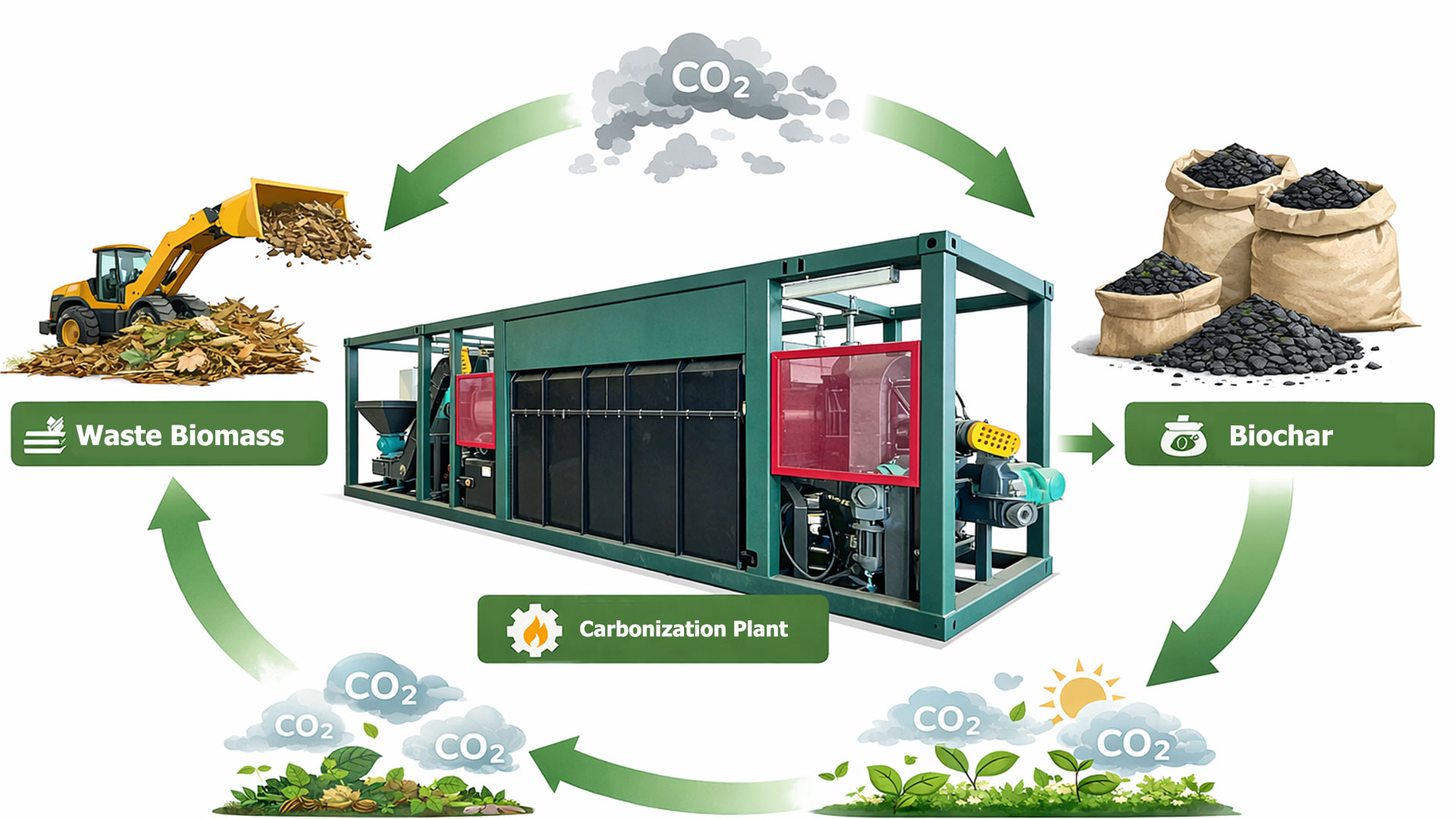
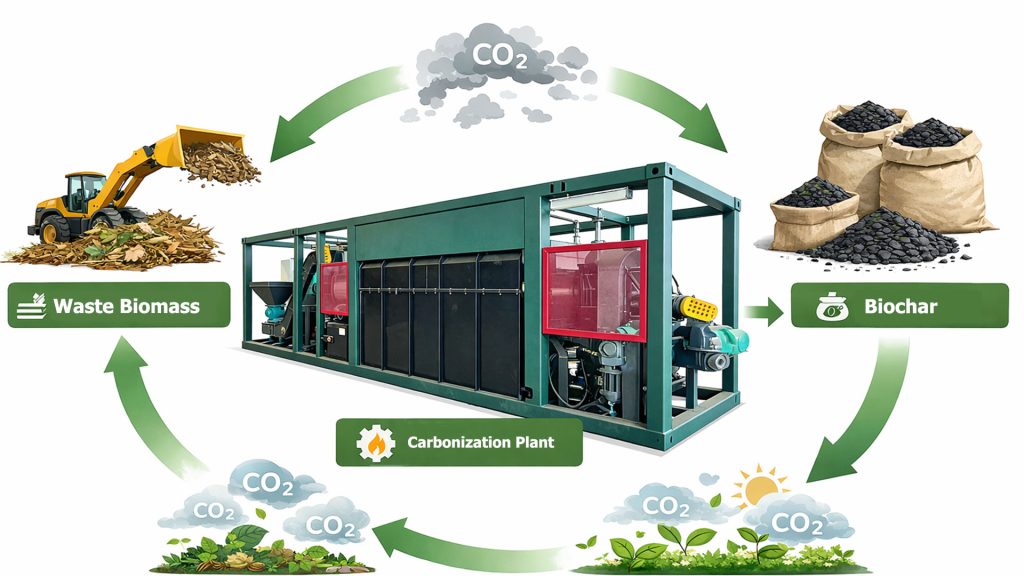
Managing local biomass is vital for long-term regional resilience. A Mobile Pyrolysis Plant can integrate with portable carbonization equipment. This technology processes wood chips, bamboo, and straw into biochar. Biochar provides heating and improves soil for local food production. It revitalizes economies by creating value from organic waste. Communities gain security by utilizing every available local resource. Biochar production also reduces pollution from open biomass burning. Resilience increases as communities utilize every organic material.