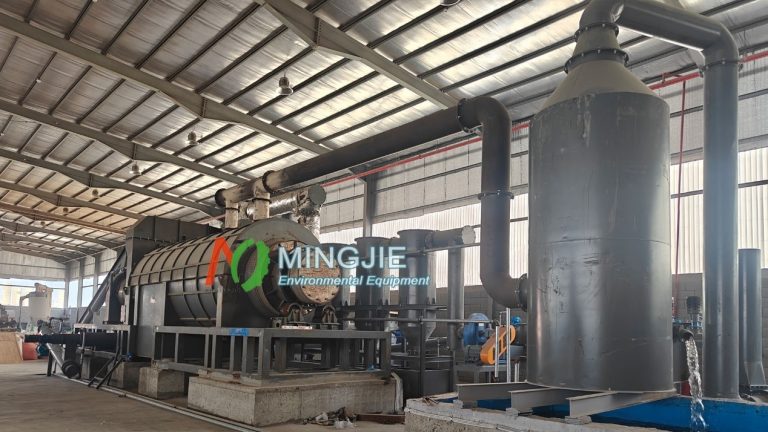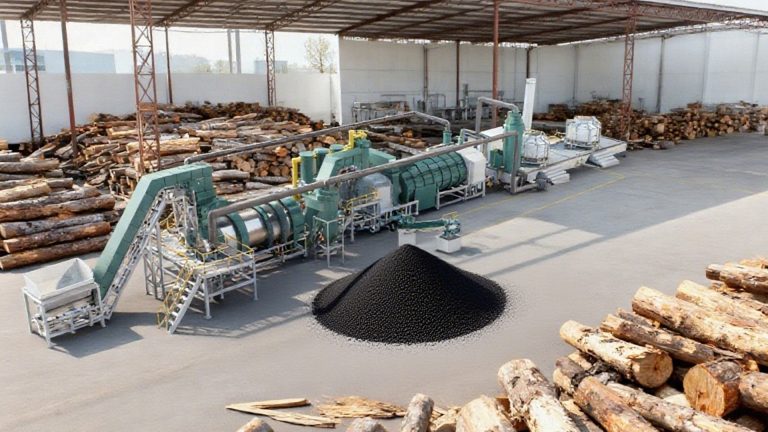
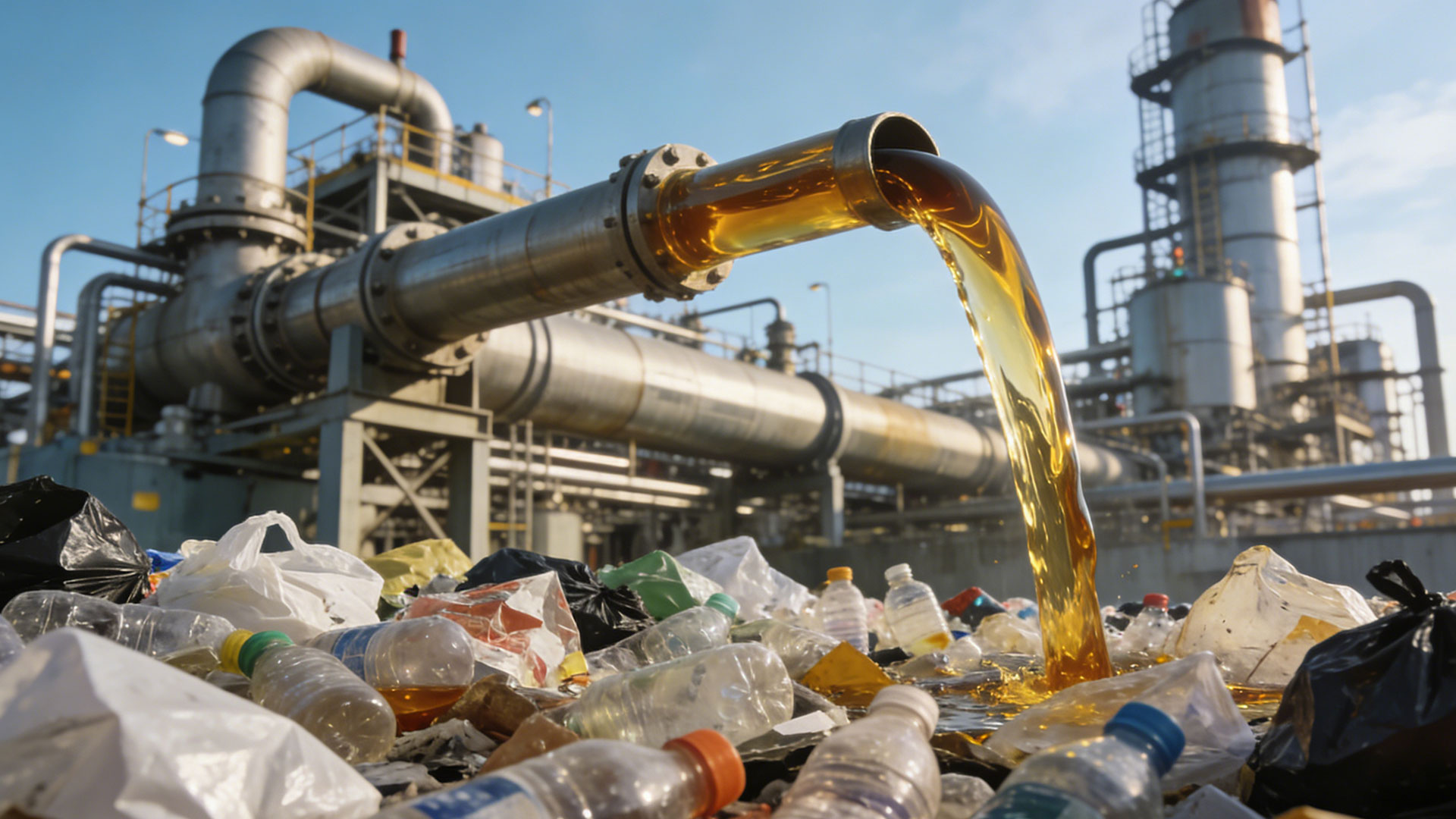
The plastic to diesel plant helps reduce oil consumption, carbon dioxide emissions, and the amount of waste requiring disposal. Furthermore, plastics can be converted into useful products. The pyrolysis process for converting plastic into diesel is one of the most dynamic areas in the plastics industry today.
The key advantage that distinguishes a plastic to diesel plant from other recycling systems is its ability to process or recycle mixed plastic feedstocks. It can tolerate contaminated and dirty plastics. The plastic to diesel plant can also recycle composite plastic films and multi-layer packaging systems, including aluminum-plastic films and printed circuit boards.
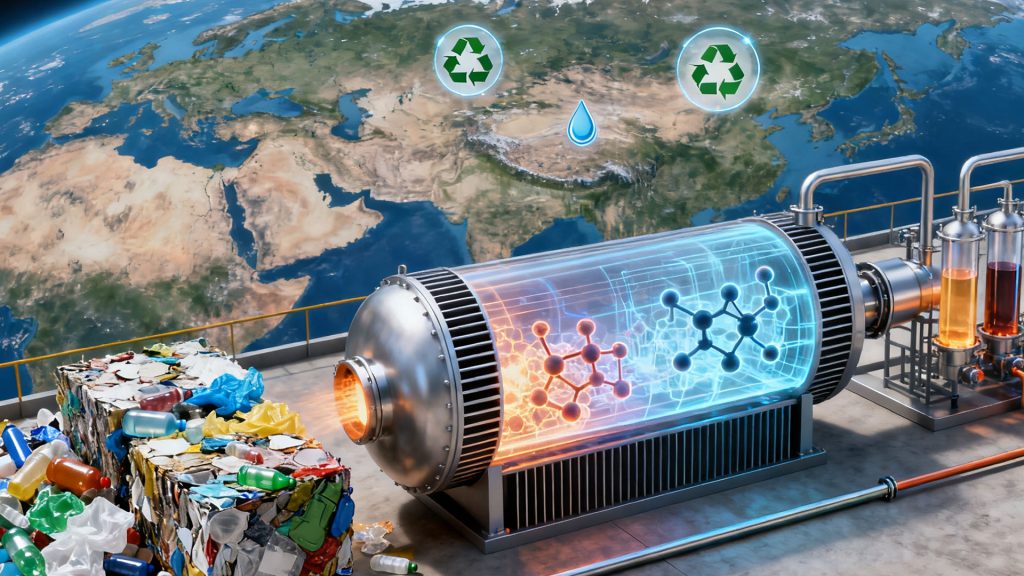
Waste plastic pyrolysis oil refers to the oily substance obtained by converting waste plastics through a pyrolysis reaction. Plastic pyrolysis plant can decompose the large polymer molecules in plastics into small molecular compounds under high temperature and oxygen-free or oxygen-deficient conditions. These large molecular chains are broken, forming various small molecular hydrocarbon substances. After collection and processing, these substances form crude waste plastic pyrolysis oil.
Although crude pyrolysis oil already contains the main components of diesel fuel, it contains impurities and undesirable components. This affects the performance and quality of the diesel fuel, so refining treatment is necessary. Refining methods mainly include pyrolysis oil distillation, acid washing, alkali washing, and adsorption.
How Does Plastic to Diesel Plant Achieve Energy Conversion
The essence of waste plastic into fuel machine is breaking the chemical bonds within the plastic molecules. Plastic molecules are long-chain macromolecules composed of numerous monomers connected by covalent bonds. These chemical bonds break down under high temperatures. The plastic inside the pyrolysis equipment is in an oxygen-free or oxygen-deficient environment, preventing combustion. This allows the smaller molecules formed after the breakdown to be collected in the form of oil and gas.
Turning Plastic to Crude Oil
Specifically, when waste plastics are heated to a certain temperature (300-600℃), the large molecular chains begin to break down, generating various shorter carbon chain molecules. These molecules have different boiling points, and the liquid portion can be collected through condensation. This is crude waste plastic pyrolysis oil. The gaseous portion can be used as fuel to maintain the temperature of the pyrolysis reaction.
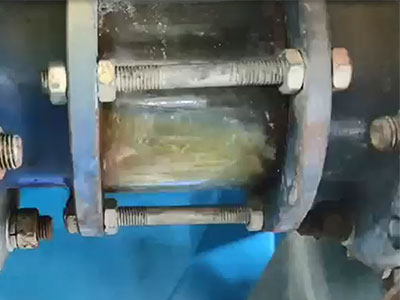
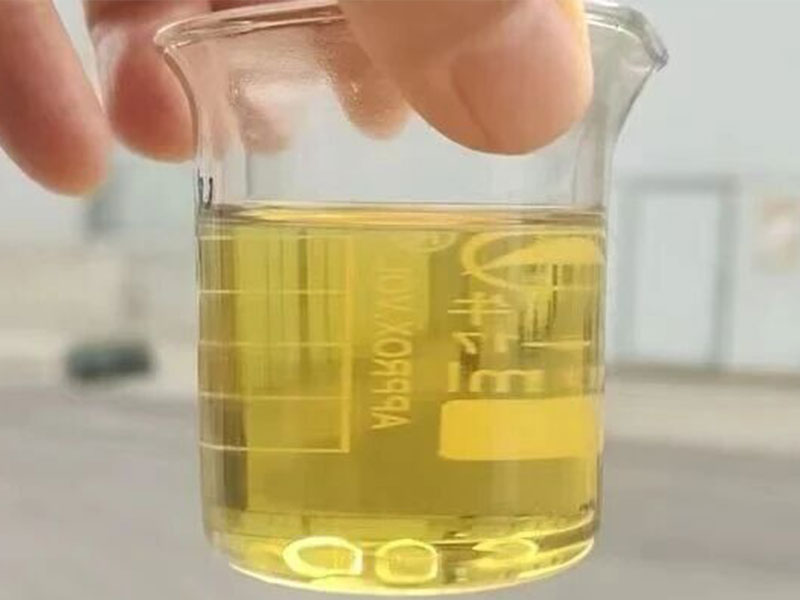
Plastic Pyrolysis Oil into Diesel Fuel Process
Pyrolysis oil from plastics contains impurities and requires further refining to approach the quality of diesel fuel. Distillation machine can be used to process waste engine oil, waste plastic oil, and tire oil, increasing their value. The main method involves separating the diesel fraction (boiling point approximately 200-350°C) through vacuum distillation. It then undergoes further purification steps such as acid washing, alkali washing, and adsorption to remove impurities, resulting in “off-spec diesel.”
Acid washing and alkali washing utilize acid or alkali solutions to react with and remove acidic or alkaline impurities in the crude pyrolysis oil. For example, a dilute sulfuric acid solution can remove alkaline nitrogen compounds from the crude pyrolysis oil, and a sodium hydroxide solution can neutralize acidic substances.
Adsorption methods utilize adsorbents to remove pigments, odor-causing substances, and trace impurities from the crude pyrolysis oil. Commonly used adsorbents include activated carbon and bleaching earth. After refining, the impurity content in the crude pyrolysis oil is significantly reduced, and its performance indicators meet or approach the standards of commercially available diesel fuel.
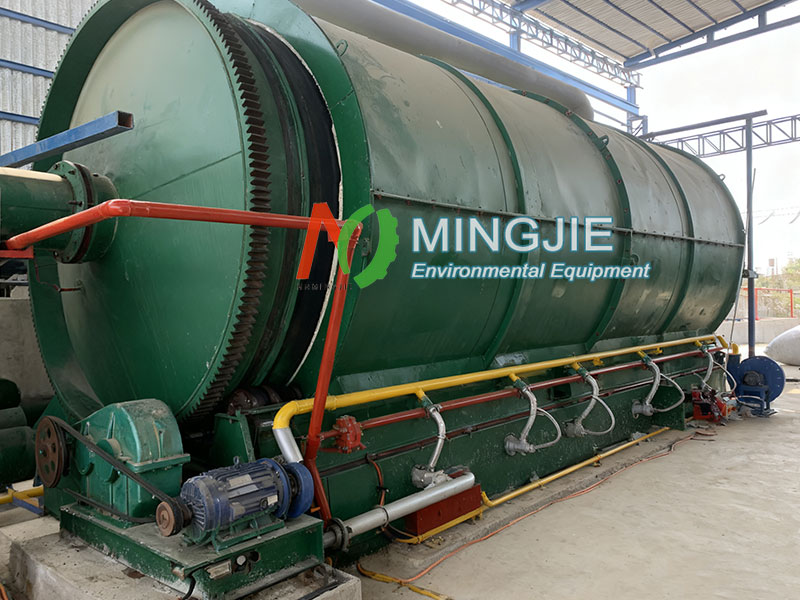
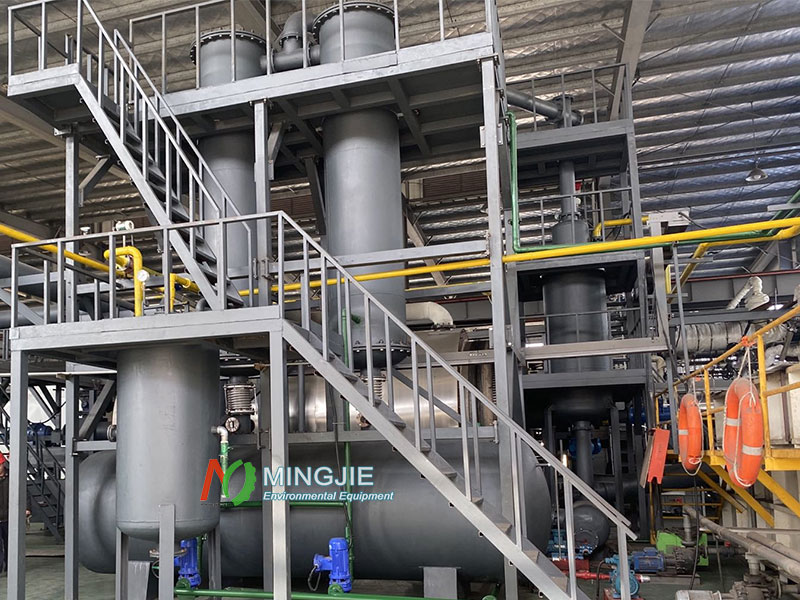
Sustainable Solutions for Plastic Waste
A plastic to diesel plant possesses unique environmental and economic value. It addresses the global problem of plastic waste pollution while simultaneously opening up new sources of resources and wealth.
The plastic pyrolysis equipment converts waste plastics into fuel oil, significantly reducing the amount of plastic waste. The plastic to diesel plant promotes resource recycling and reduces our reliance on virgin petroleum resources. To a certain extent, it alleviates energy shortages and contributes to sustainable development.
Plastic to diesel plant is highly efficient, with oil yields exceeding 70%. The pyrolysis products have a wide range of uses and broad market prospects. After further processing, the pyrolysis oil can be used as diesel fuel in industrial boilers, ships, construction machinery, and other fields.