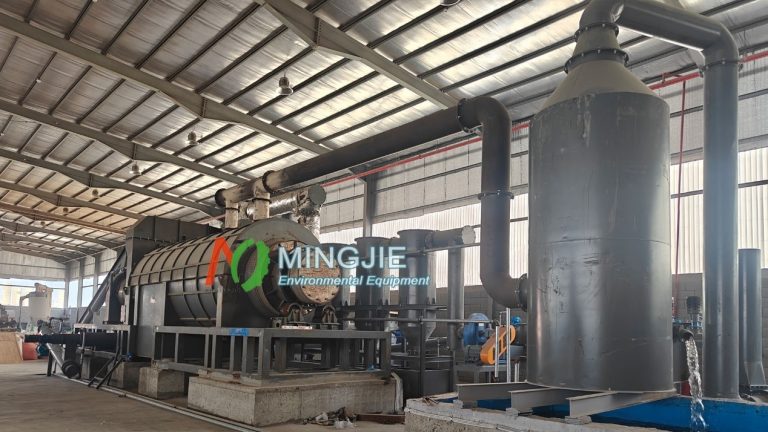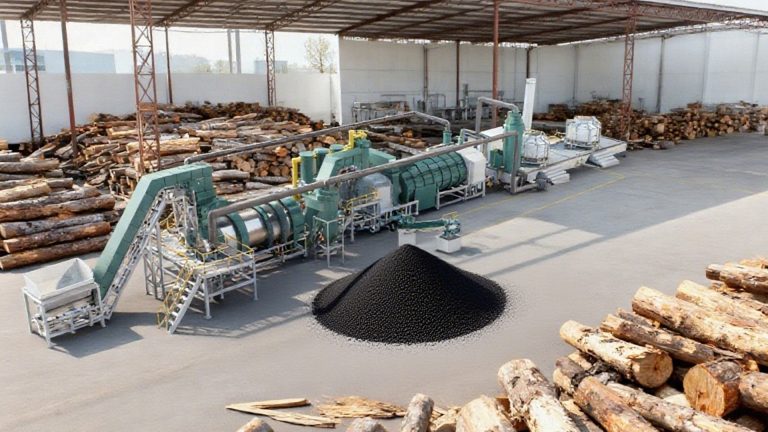
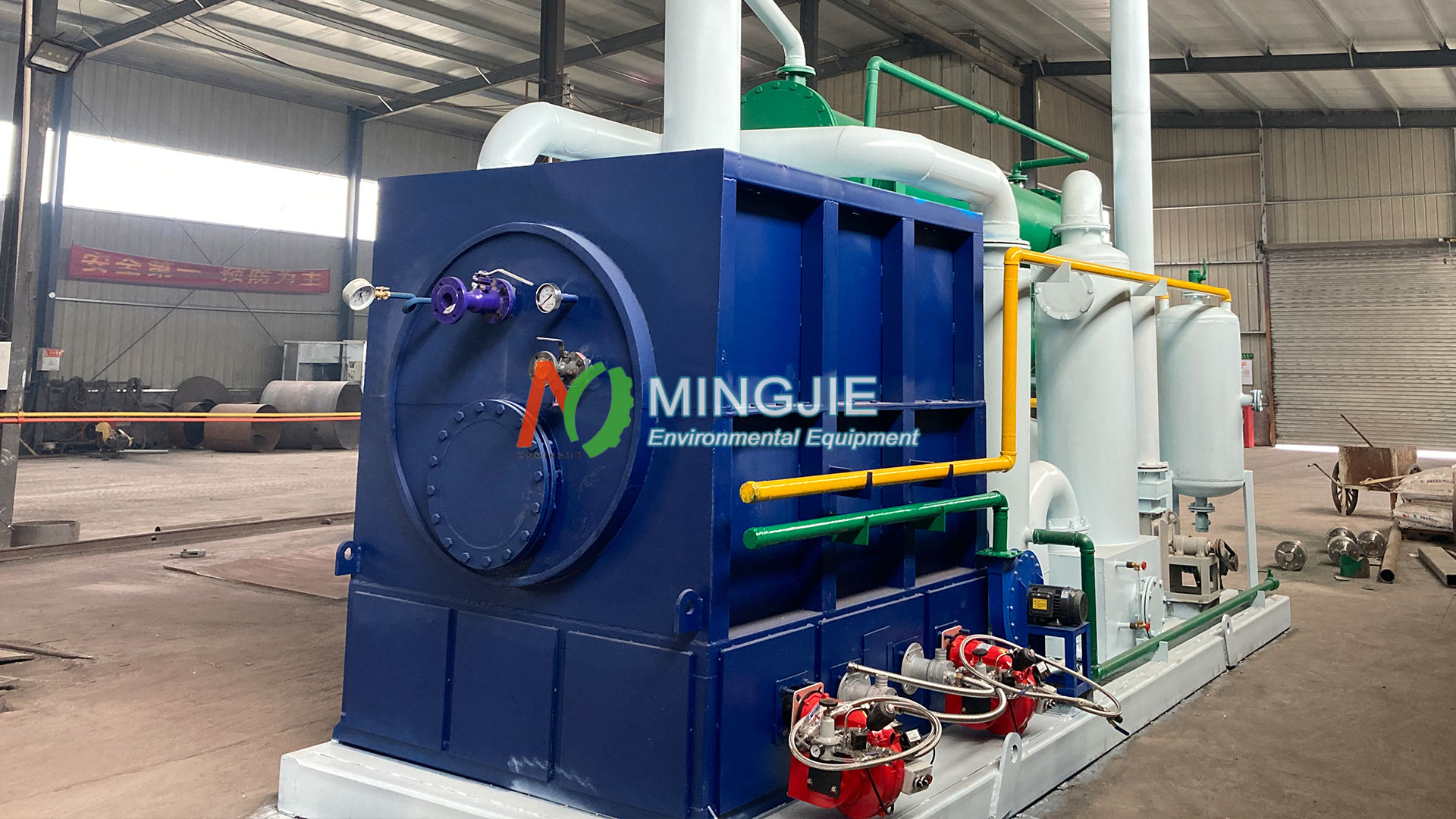
Waste oil to diesel machine can process various waste oils, converting them into clean diesel fuel. The core principle of a waste oil to diesel plant is distillation. Waste oil is heated, vaporized, and condensed, separating and converting it into diesel fuel. Distillation equipment typically operates at a low pressure environment of 300-450℃, ensuring efficient and safe processing.
Thanks to advancements in distillation technology, waste oil can be processed by waste oil to diesel machine to obtain ideal diesel fuel. This not only reduces fuel costs for businesses, but also reduces environmental pollution and achieves resource recycling.
Raw Materials of Waste Oil to Diesel Machine
- Waste engine oil: From automobiles, motorcycles, construction machinery, etc., it is the most common raw material.
- Hydraulic oil: Widely used in construction, mining, and other industries, with high replacement frequency, it is suitable for recycling.
- Transmission oil and gear oil: Containing a high amount of hydrocarbons, high-quality diesel fuel can be obtained after distillation.
- Pyrolysis oil: Crude oil from plastic tire pyrolysis products is produced by pyrolysis plant.
- Industrial lubricating oil: Originating from factory workshops, it contains many impurities but can still be effectively processed.
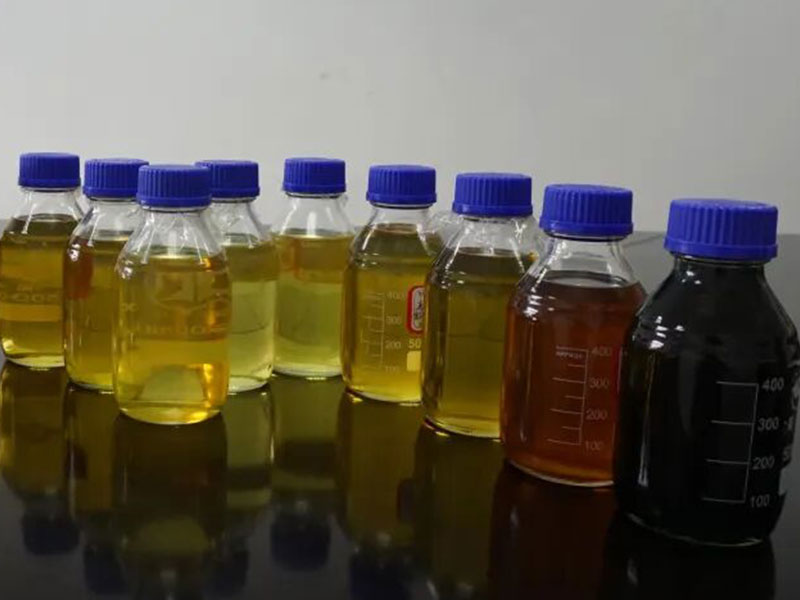
How to Recycle Waste Oil
The conversion of waste oil to diesel machine mainly involves three key steps: purification, refining, and reprocessing.
Purification is the primary treatment method, aiming to remove water, general suspended impurities, and mechanical impurities from the waste oil. After purification, these products are further refined and reprocessed. They serve as raw materials for processing oil products, thereby producing other products.
The distilling waste motor oil mainly employs physical methods, through processes such as distillation, cooling, pressure filtration, and filtration. This effectively separates the waste oil from water and impurities, thereby producing mineral oil that meets certain industrial oil standards.
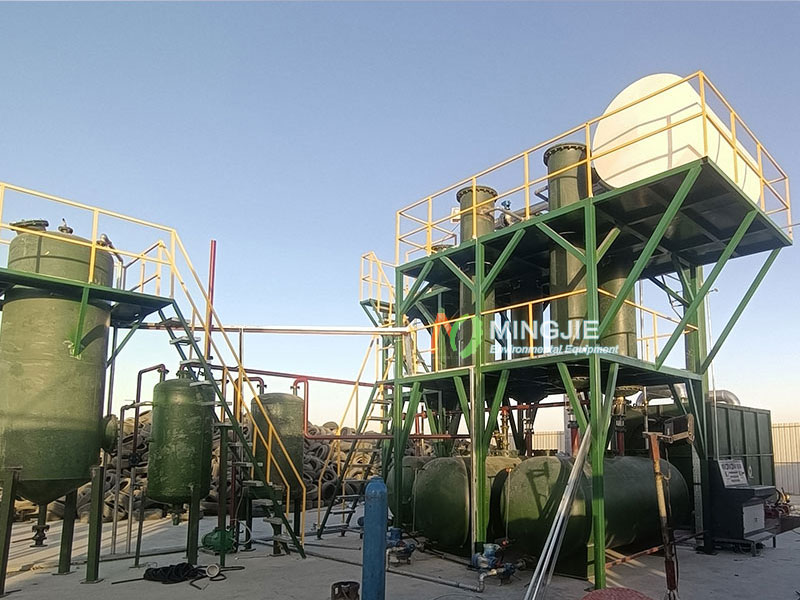
Pyrolysis Oil to Diesel Process
Acid-base washing is a relatively traditional method. Its basic principle is to use the chemical reaction between acids and bases to remove impurities and harmful substances from waste engine oil.
First, the pyrolysis oil undergoes sedimentation. Gravity causes solid impurities in the waste engine oil to precipitate.
Next, distillation is performed. By heating, the lighter fractions such as gasoline and diesel fuel are separated from the heavier engine oil components based on their different boiling points. The lower boiling points evaporate first, thus achieving separation.
Then, the oil enters the acid washing stage, where concentrated sulfuric acid is added. The concentrated sulfuric acid reacts with gum-like and asphalt-like impurities in the waste engine oil through a sulfonation reaction, converting these impurities into separable substances.
A caustic soda solution is then added, acting as a coagulant. It accelerates the stratification of impurities, making it easier to remove them from the waste engine oil. Finally, alkaline washing is performed to remove organic acids from the waste engine oil and neutralize any residual sulfuric acid from the acid washing process, bringing the pH of the waste engine oil to a suitable range.
Finally, filtration further removes tiny impurity particles, resulting in relatively pure diesel fuel.
Pyrolysis Oil Distillation Machine
In the field of converting waste oil into diesel fuel, distillation equipment plays a crucial role in achieving efficient conversion.
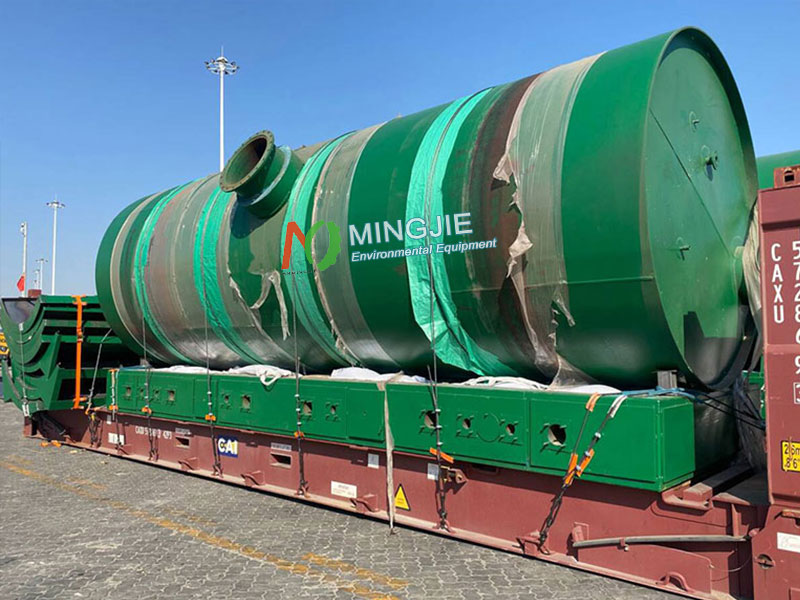
The waste oil to diesel machine can distill and refine all industrial waste oils into recycled base oils. It can also refine high-temperature cracked tire oil and waste plastic oil through distillation. Depending on the type of waste oil, the recovery rate is higher than 75-85%, making it energy-saving and environmentally friendly.
Mingjie Group offers pyrolysis machine and distillation machine that enable the production of high-value naphtha and non-standard diesel from solid waste. This allows investors to seamlessly connect with key markets such as refineries, chemicals, and the energy sector, unlocking greater economic value.