Animal manure has long been considered an environmental burden, but it is now poised to become a key resource in the clean energy transition. Chemical conversion technologies (especially manure pyrolysis) can transform manure into carbon-rich biochar.
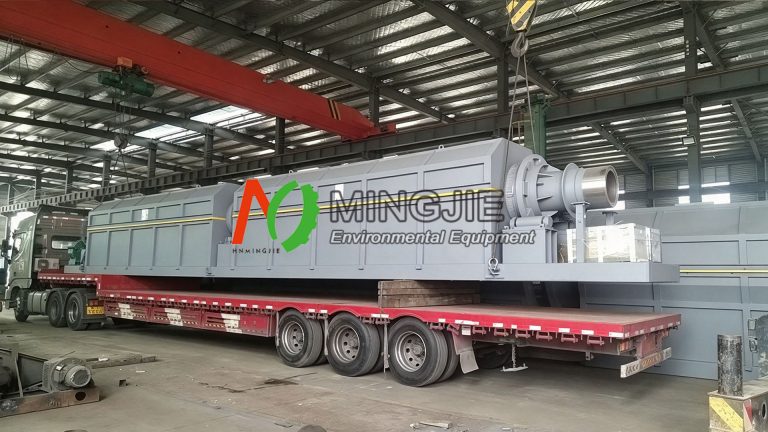
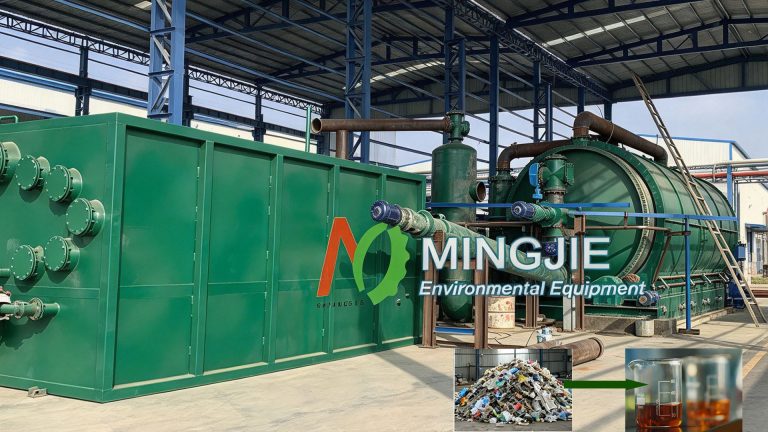
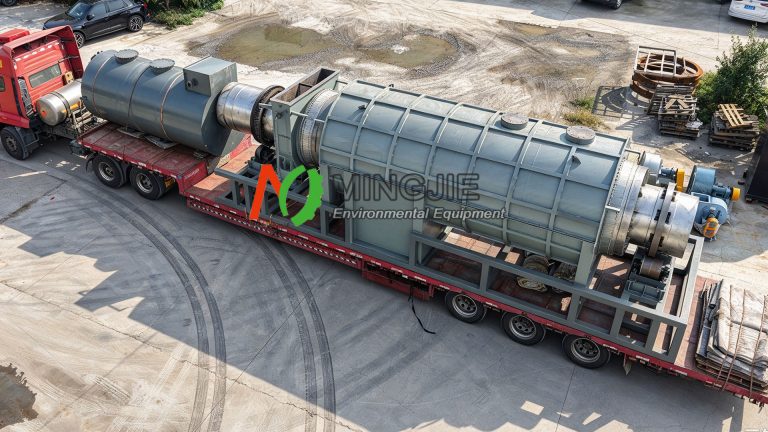
Studies have shown that pyrolysis technology can efficiently utilize cattle and poultry manure to produce biochar with a larger specific surface area. Mingjie biomass pyrolysis plant can convert livestock and poultry manure into high-value products, such as biochar, bio-oil, and syngas.
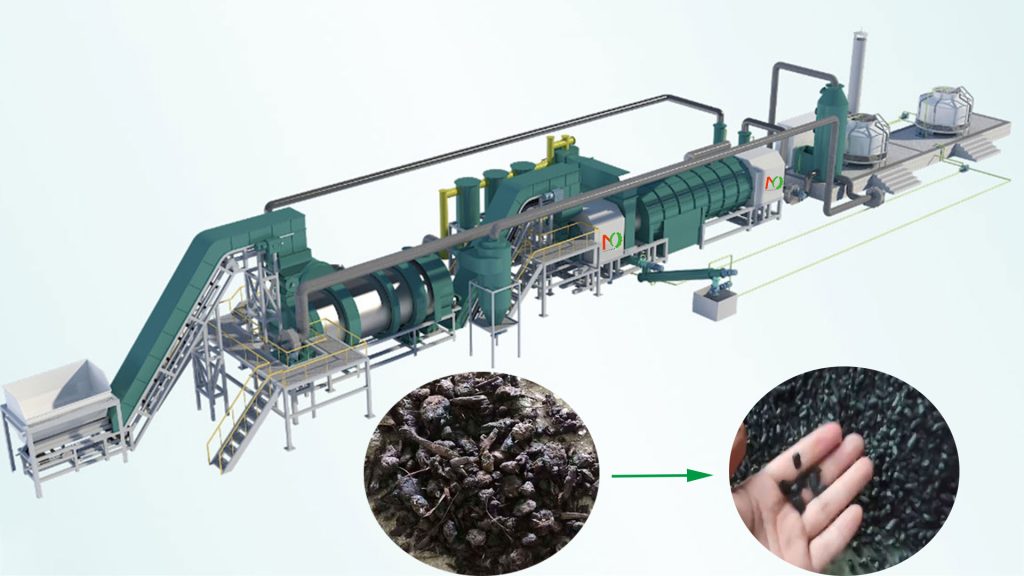
Animal Manure Pyrolysis Plant
Animal manure pyrolysis plant can thermally decompose organic waste (such as cow, sheep, pig, and chicken manure) under anaerobic conditions to produce biochar, combustible gas, and tar. The pyrolysis equipment uses a sealed structure, can achieve waste reduction, harmless treatment, and resource utilization.
As a new type of environmentally friendly equipment, animal manure pyrolysis machines are gradually becoming an important component in green agriculture, circular economy, and carbon emission reduction projects.
Main Systems of Biomass Pyrolysis Plant
1. Raw Material Pre-treatment System
Animal manure usually has a high moisture content, pre-drying improves pyrolysis efficiency. Reducing the moisture content to below 15% through drying equipment is a crucial step in ensuring the efficiency and energy consumption of subsequent animal manure pyrolysis.
2. Continuous Pyrolysis System
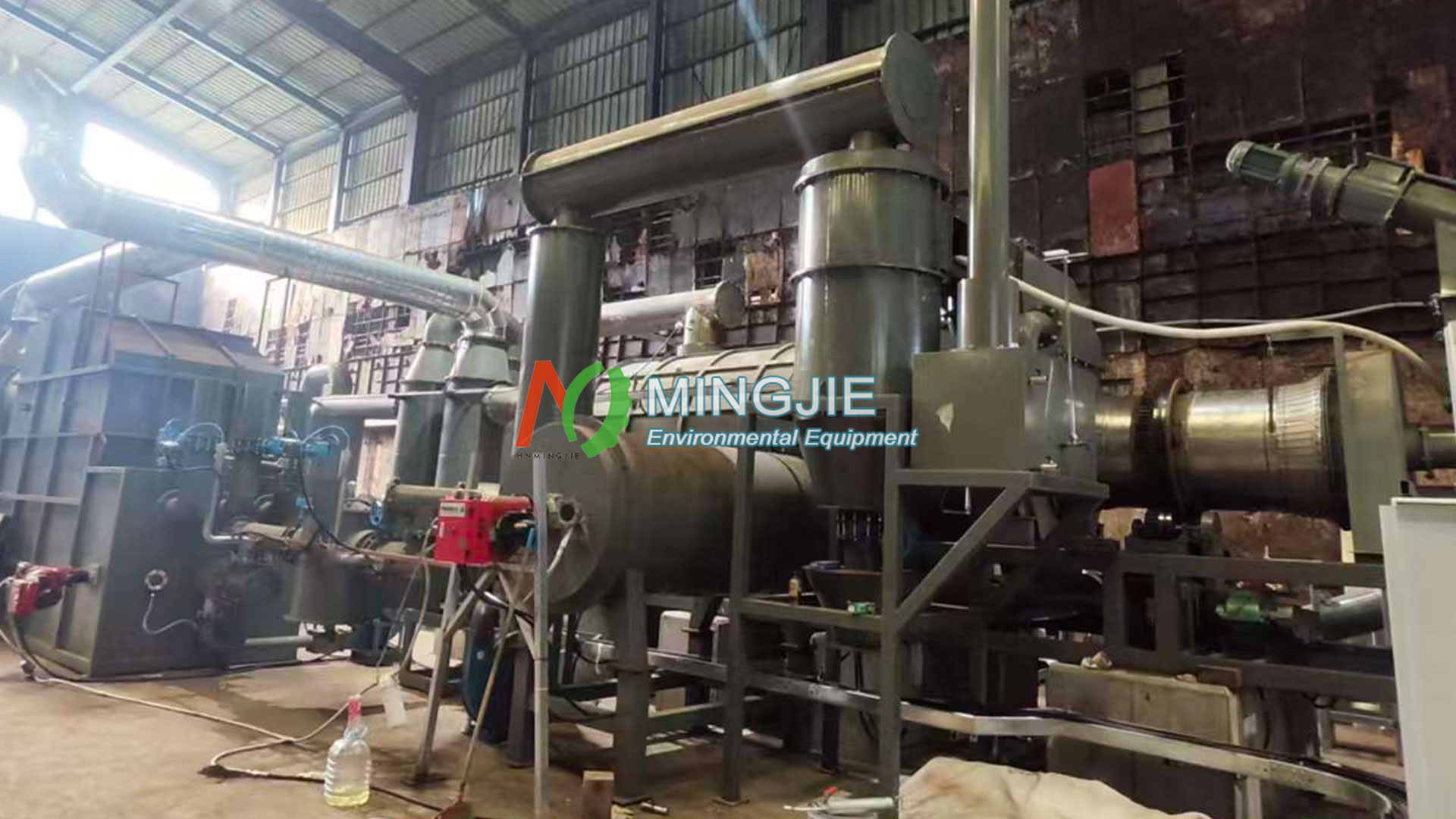
The dried material is fed into the core of the pyrolysis reactor via a sealed feeding system. In an oxygen-limited environment, the material is heated to the target temperature to complete the carbonization process.
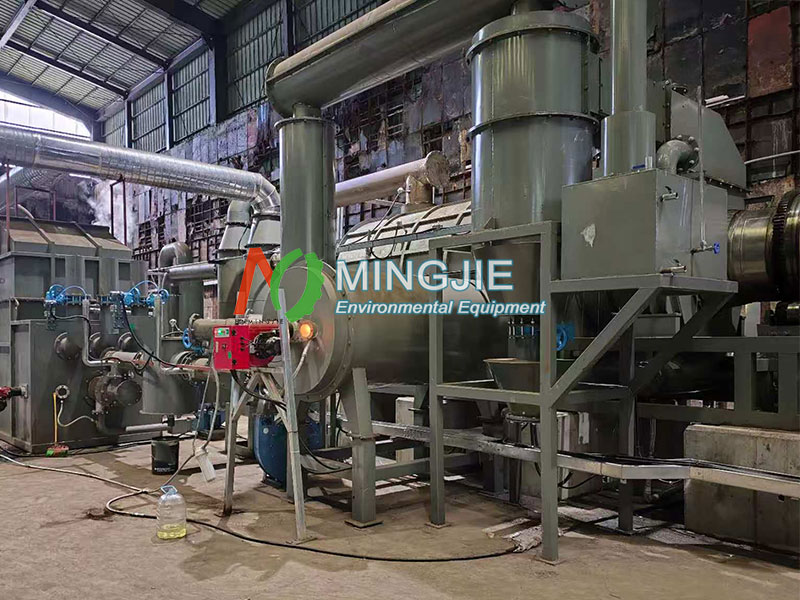
3. Combustible Gas Purification and Recycling System
The high-temperature flue gas produced by animal manure pyrolysis is rich in combustible gases and dust. The flue gas first enters the dust removal system for cooling and dust removal, and liquid products are separated and recovered. The purified combustible gas is returned to the combustion chamber to continuously provide heat for the pyrolysis reaction, forming an energy closed loop.
4. Biochar Cooling and Discharge System
This prevents spontaneous combustion of the char powder and improves product quality. The high-temperature biochar produced by the reaction is rapidly cooled to a safe temperature by a water-cooled or air-cooled screw conveyor before being discharged.
5. Tail Gas Treatment System
This ensures that pollutants such as nitrogen oxides and dioxins meet emission standards, achieving clean production.
Biomass Pyrolysis Machine Contributes to Carbon Neutrality
Making biochar from animal manure is achieved by pyrolysis machine, resulting in a material with a porous structure, large specific surface area, and abundant functional groups. Biochar demonstrates immense potential in carbon sequestration and greenhouse gas emission reduction. Pyrolysis plants provide a viable strategy for sustainable waste management, renewable energy production, and climate change mitigation.
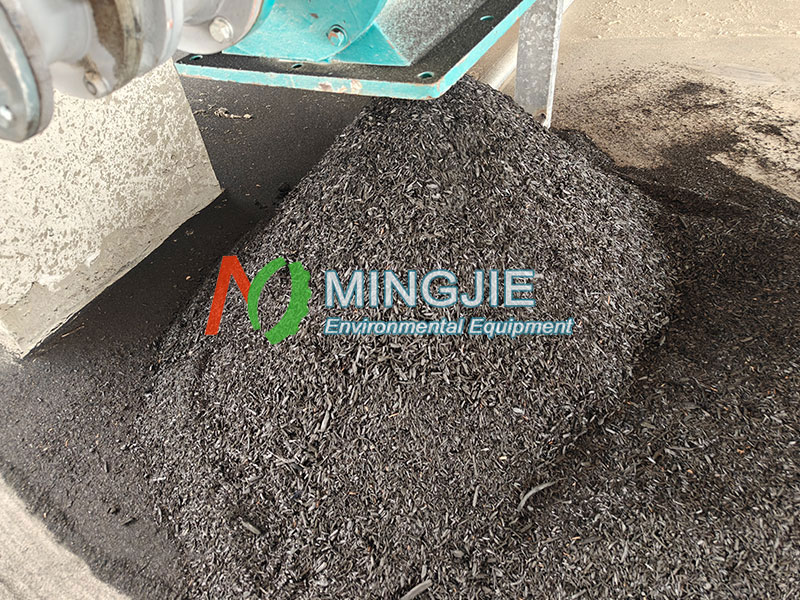
Combining animal manure pyrolysis technology with carbon capture systems can achieve net negative carbon emissions, meaning that more carbon is removed from the atmosphere than is emitted. The integration of these technologies can significantly enhance the environmental and economic benefits of animal manure resource utilization.
Biochar can convert unstable biomass into recalcitrant carbon, persisting in the environment for hundreds of years. It is also applied in soil improvement, pollution remediation, and energy storage.
A life cycle assessment (LCA) based on 1 ton of organic waste shows that pyrolysis is the core energy-consuming process (205.47 kWh). This is also a critical step in generating system value.
Slow pyrolysis at 500-700°C optimizes the balance between biochar yield, stable carbon content, and energy byproducts. Recovering pyrolysis oil and syngas as energy sources can offset energy consumption, equivalent to 692.18 kWh of coal-fired power generation.
The biochar system represents a trade-off between initial energy investment and long-term carbon credit benefits. The net carbon negative result stems from immediate emission reductions (40%, approximately 386.23 kg CO₂-eq) and long-term carbon sequestration (60%, approximately 565.55 kg CO₂-eq). Indirect emission reduction effects include increased crop yields (18.99 kg CO₂-eq), inhibition of soil organic carbon mineralization (18.99 kg CO₂-eq), and reduced N₂O (10.71 kg) and CH₄ (18.54 kg) emissions.