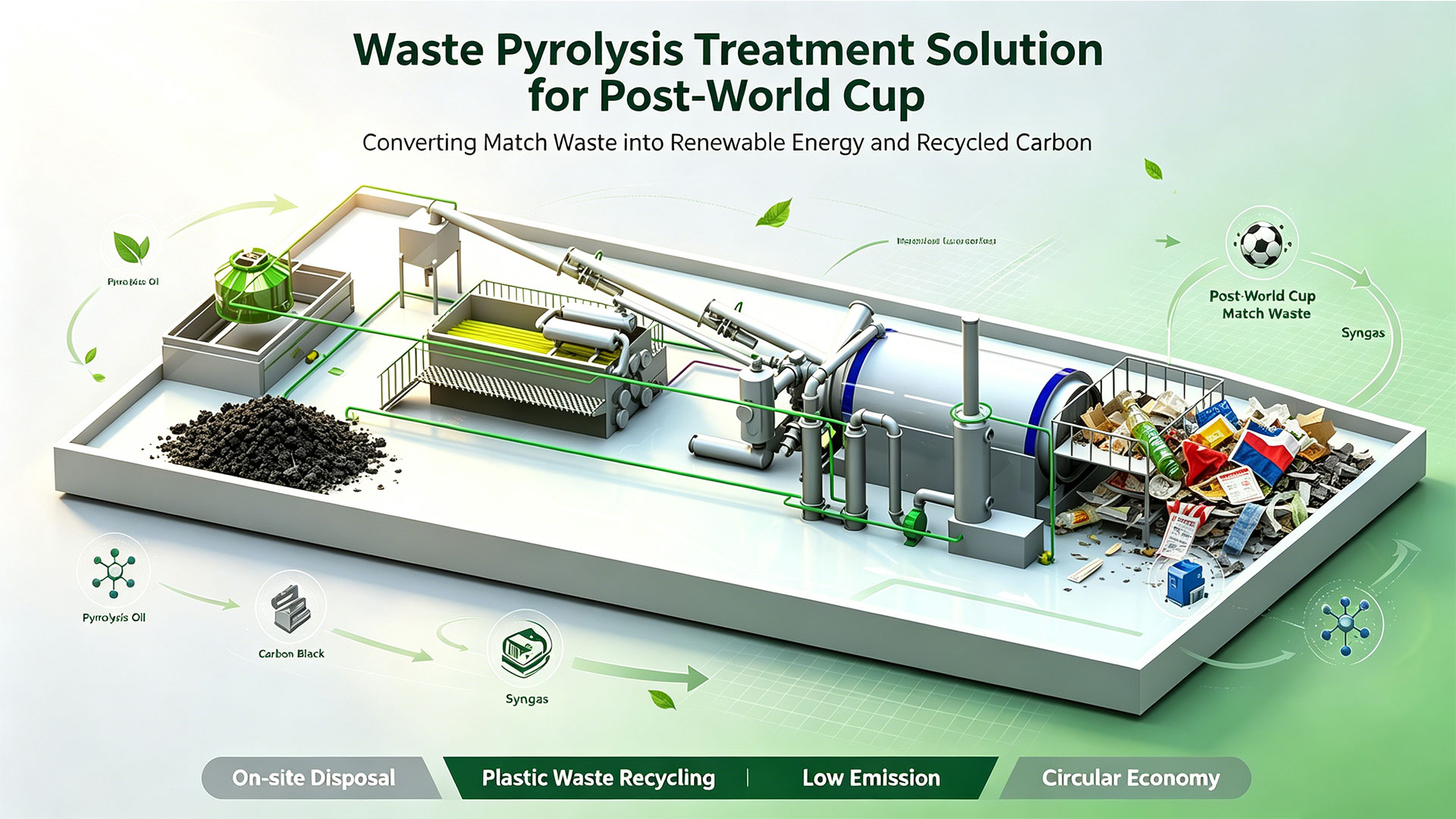
Pyrolysis plant can process large quantities of mixed waste, providing an effective solution for urban environmental management. Waste pyrolysis treatment is a green circular solution for large-scale sporting events, such as the World Cup.
The FIFA World Cup is the world’s largest single sporting event. For over a month, millions of spectators gather in dozens of stadiums and public viewing areas. While large-scale sporting events bring excitement and joy, they also generate a significant amount of waste. Each World Cup generates a massive amount of mixed waste afterward, placing unprecedented pressure on urban environmental management.
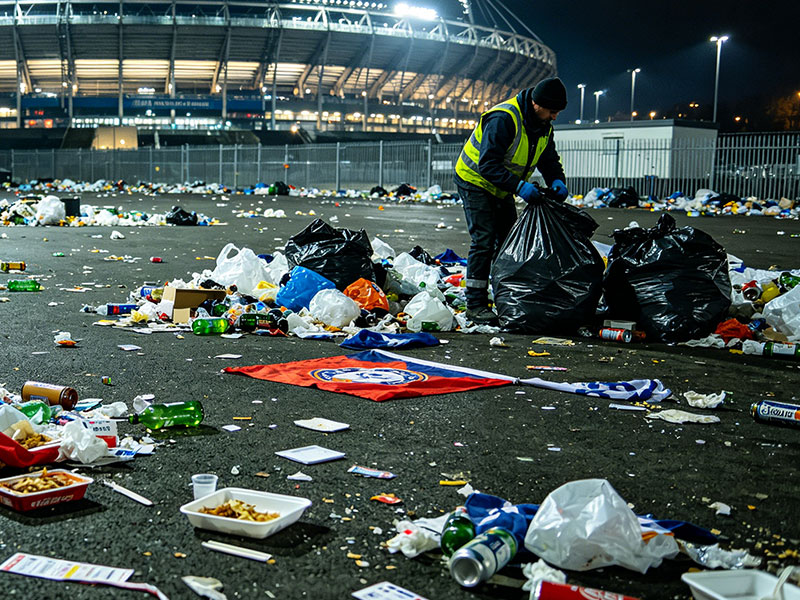
Disposable plastic waste constitutes the largest category of post-World Cup waste. This includes disposable beverage bottles, food packaging, plastic straws, fan flags, branded plastic souvenirs, and disposable tableware. Most of this contaminated plastic cannot be cleaned using traditional mechanical recycling methods. Landfilling or incineration will cause white pollution.
The organizers of the 2026 World Cup aim to create the “most sustainable” tournament ever.
FIFA’s sustainability report indicates that the tournament’s goal is to achieve a waste recycling rate exceeding 90% for the first time. Furthermore, all 16 stadiums will achieve LEED Gold certification and will be powered entirely by renewable energy sources, which is expected to reduce carbon emissions by more than 40%.
It is estimated that during the 2026 World Cup, host cities will generate over 34,000 tons of additional event waste. The majority of this is difficult-to-recycle mixed plastic organic waste. Therefore, an efficient, low-pollution, and resource-recovery treatment technology is needed. Pyrolysis systems can be used to treat mixed post-event waste. Its core technology is anaerobic, medium-temperature pyrolysis, eliminating the need for open flame incineration.
What is Pyrolysis Technology?
Pyrolysis technology can decompose organic waste into combustible gases, liquid fuels, and solid residues under anaerobic oxygen conditions through high temperatures. Unlike direct incineration, pyrolysis does not involve violent oxidation reactions. Therefore, waste pyrolysis treatment produces fewer harmful gases and has higher resource recovery efficiency.
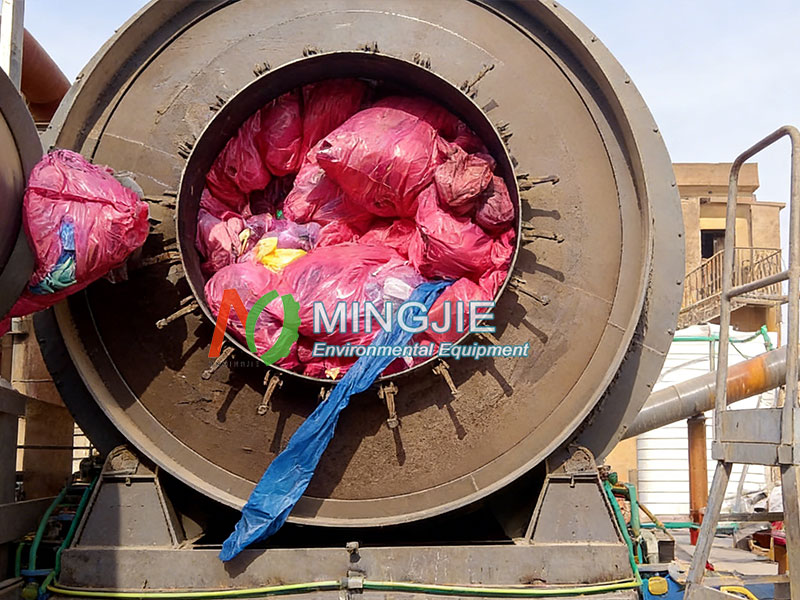
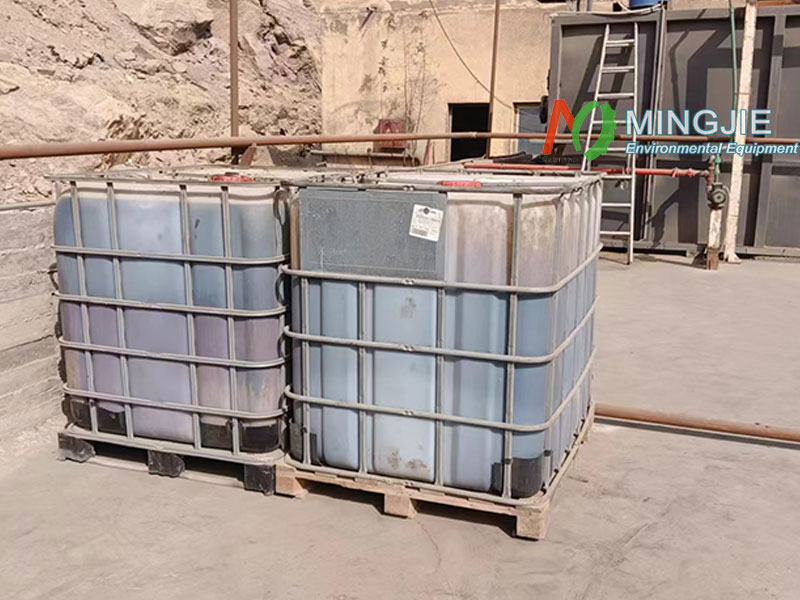
The pyrolysis process varies depending on the type of solid waste:
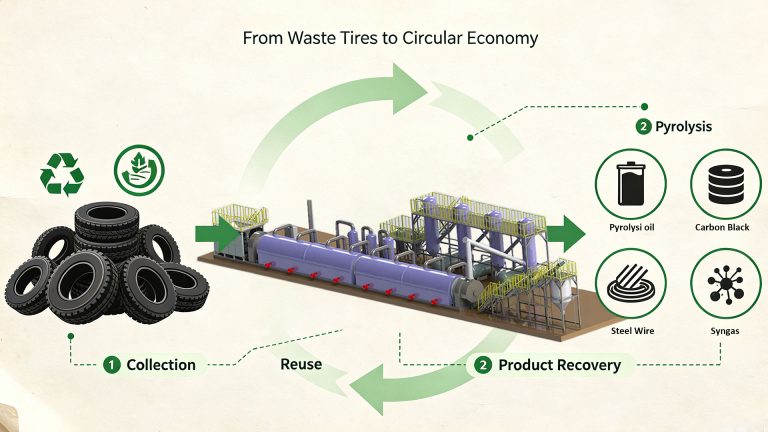
Waste tire and rubber products: Heated in an anaerobic environment at 400-600℃, waste rubber can be decomposed into pyrolysis oil (40-50%), carbon black (30-35%), and steel wire.
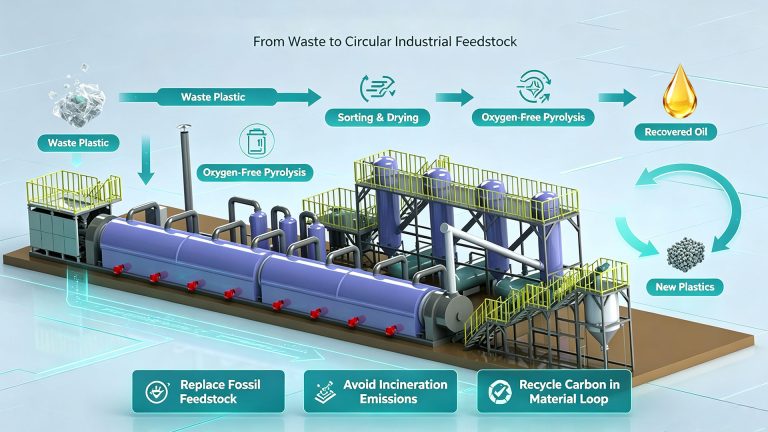
Waste plastics: Through waste pyrolysis treatment, organic matter is converted into plastic pyrolysis oil, carbon black, and syngas.
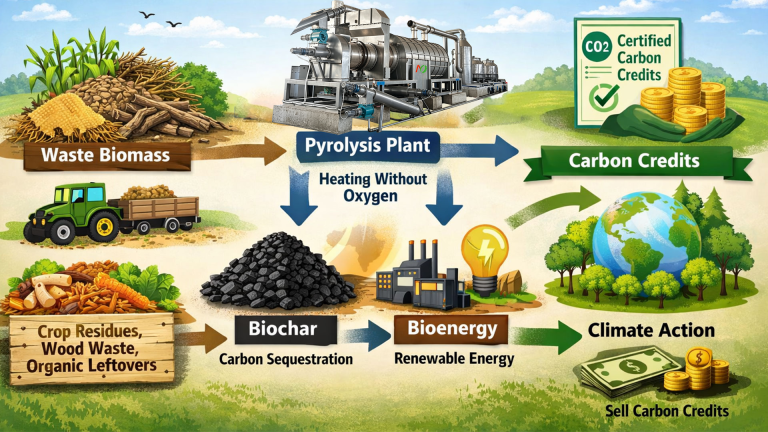
Biomass waste: Biomass carbonization plant is used to generate biochar with application value.
Advantages of Sports Event Waste Pyrolysis Treatment
Significant Volume Reduction: Waste pyrolysis treatment reduces waste volume by over 98%, significantly lowering the burden on waste transportation and landfills.
Outstanding Resource Value: Pyrolysis oil can be used for power generation or converted into sustainable aviation fuel. Carbon black can be used to manufacture new runways or modify asphalt.
High Environmental Compliance: Waste pyrolysis treatment takes place in an anaerobic environment, reducing the formation of harmful substances such as dioxins. A dedicated flue gas treatment system ensures that exhaust emissions meet standards.
Flexible Adaptability to Event Needs: Mobile pyrolysis equipment can move with the event venue, enabling on-site processing. This avoids secondary pollution and increased costs associated with long-distance waste transportation.
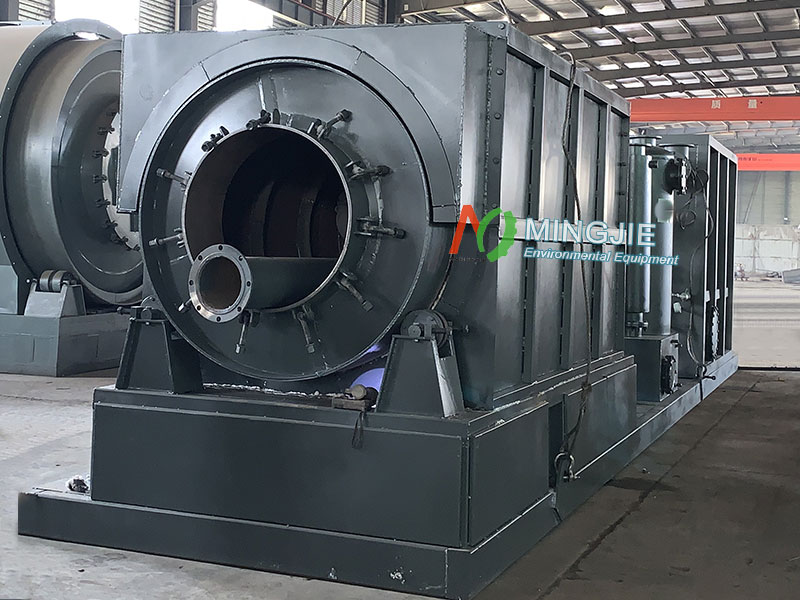
High Material Compatibility: Post-match stadium waste typically consists of a mixture of plastics, food, paper, and textiles, requiring significant manpower for manual sorting. Pyrolysis technology can directly process unsorted mixed waste without strict sorting, reducing stadium cleaning labor costs and improving post-match waste management efficiency.
Low Pollution, Fully Compliant with FIFA Green and Sustainable Event Standards: Unlike traditional incineration, sealed oxygen-limited pyrolysis technology avoids the temperature range where dioxins are generated. The entire pyrolysis plant operates under slight negative pressure, preventing odor and toxic gas leaks. The purified exhaust gas meets the stringent emission standards of the EU and international sporting events, contributing to the World Cup’s carbon neutrality and green event certification.
Conclusion
Mixed waste has always been a major challenge in the environmental management of large-scale sporting events. The pyrolysis system, through sealed oxygen-limited pyrolysis technology, completely solves the shortcomings of traditional treatment methods. It achieves on-site harmless treatment and resource utilization of sports venue waste.
Simultaneously, solid waste pyrolysis treatment reduces the cost of environmental governance for sporting events and decreases carbon emissions. It also creates recyclable green energy and carbon products. The pyrolysis plant provides a mature, efficient, and sustainable circular economy solution for waste management of the World Cup and other large-scale global sporting events.