Overview of Wood Charcoal Production
Wood charcoal is a high carbon content product obtained through process of heating the wood in the non-burn situation. It is a vital source of energy as well as the basic material for industrial use in such fields as metallurgy, filtration and agriculture. Wood Charcoal Production is a process obtained through long burning of wood in a pit or a kiln. Although it is a long-standing. traditional industry, this sector has advanced through time by employing various technological improvements that contribute to increase of product quality as well as reduction of harmful gases and emissions.
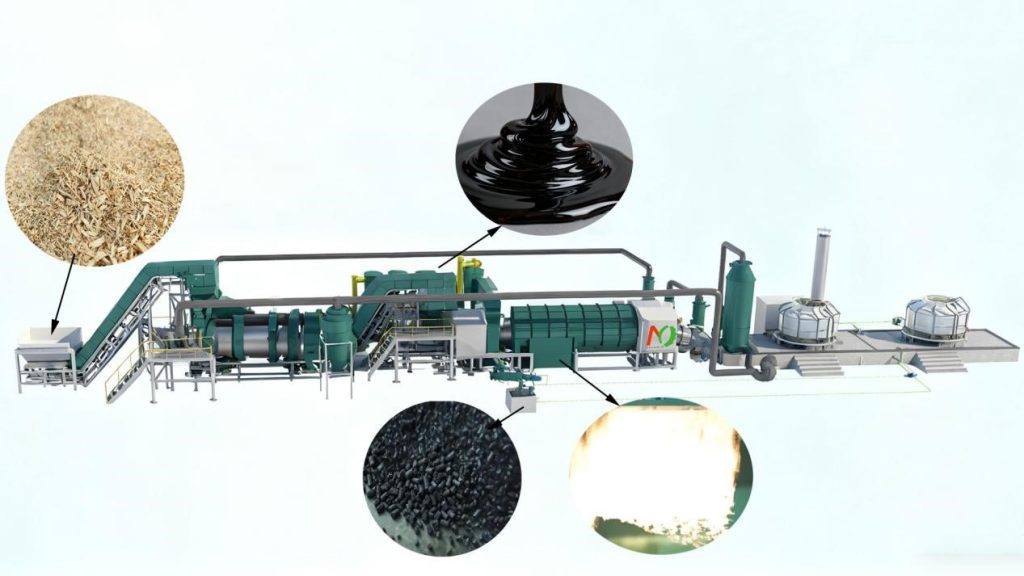
Beside the traditional and long-standing methods and apparatus for the production of wood charcoal, modern technologies. highly automated machines have increasingly been used in this sector via advancements such as wood pyrolysis plant and wood charcoal making machine.
Wood Pyrolysis Plant: A Key Component
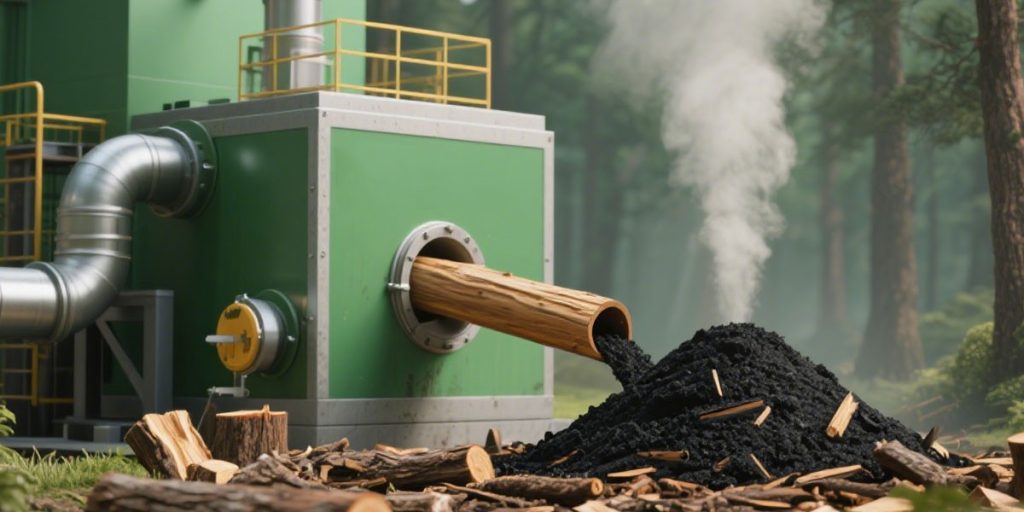
Pyrolysis refers to the thermal decomposition of organic material in a low-oxygen atmosphere. It can transform biomass into charcoal, syngas and bio-oil with less emissions and residues. Our wood pyrolysis plants could apply to biomass materials like wood logs. wood chunk, wood powder or wood chip, sawdust and so on.
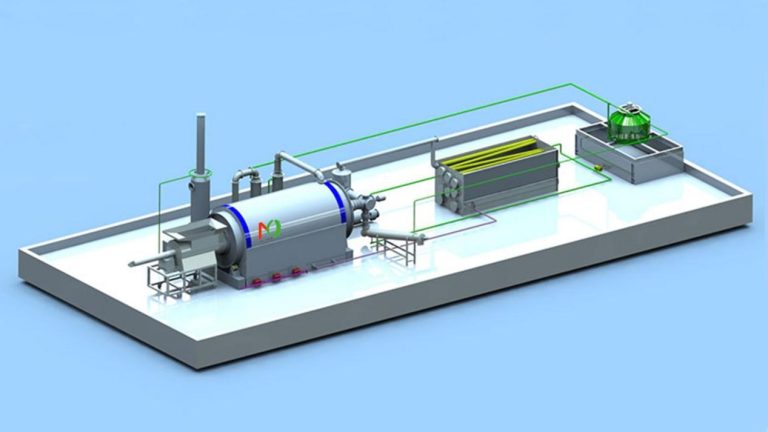
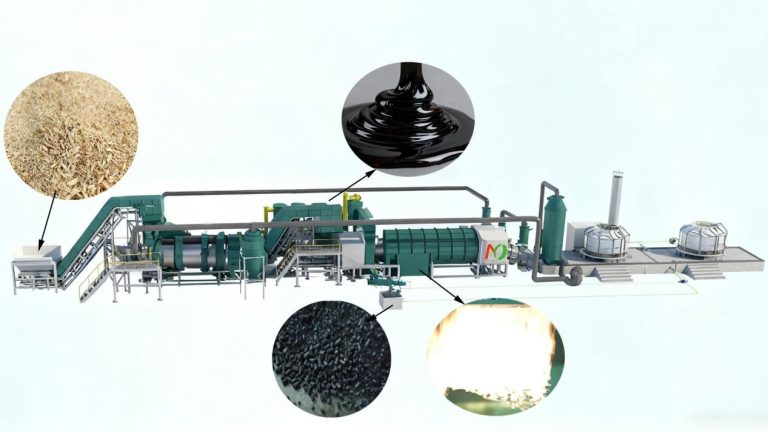
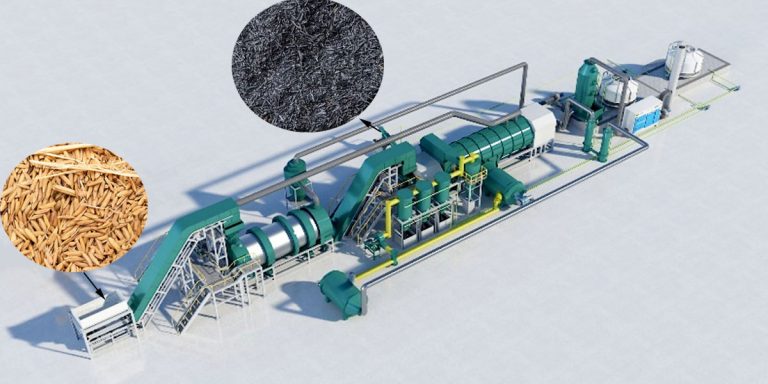
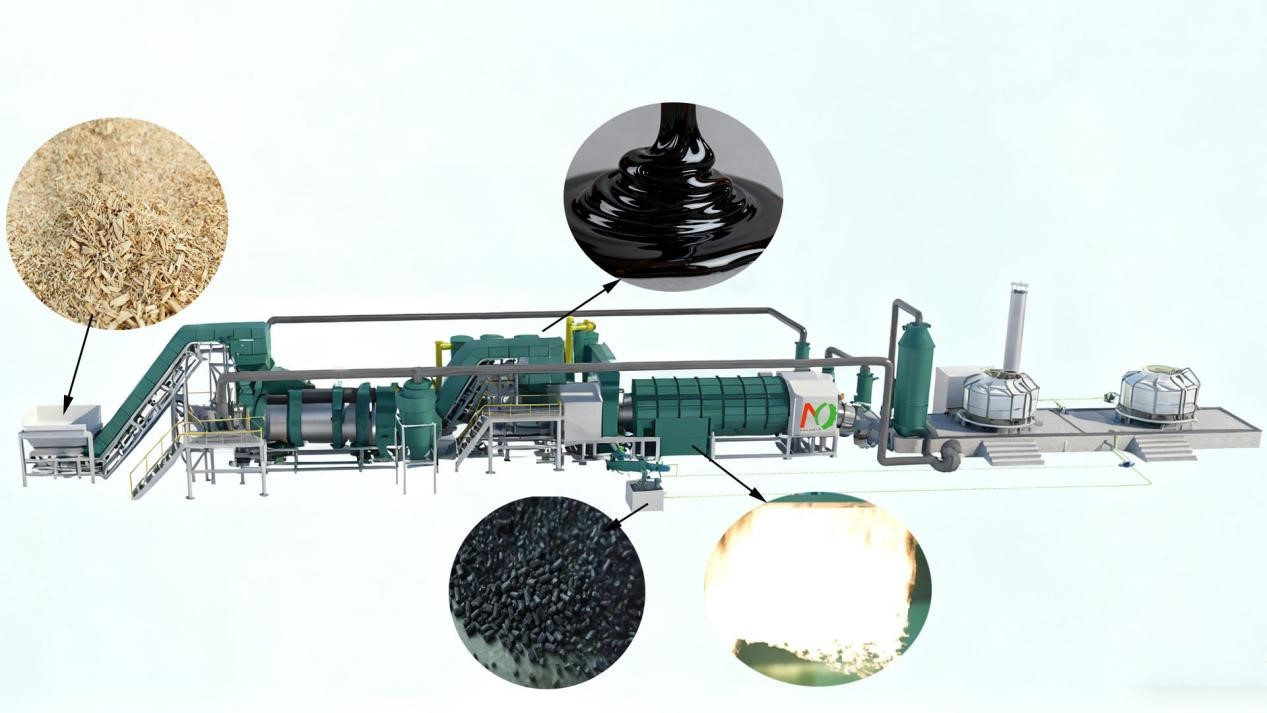
A typical wood pyrolysis plant includes several components: a feeding system, a sealed reactor. a condensation system for gas recovery, a cooling unit, and an emission purification system. Fully continous feeding and discharging in 24 hours. This feature ensures continuous operation with minimal downtime. From feeding to discharging, the whole process is sealed, operation environment is clean. Such design enhances safety and reduces air contamination.
In contrast to the conventional kiln, charcoal production via pyrolysis method has several advantages such as increasing carbon content in the charcoal and utilization of energy from the by-products as syngas.In the case of wood and wood waste, the product biochar is carbon stable and can be reused as soil amendment and also as a solid fuel.
Wood Charcoal Making Machine: Enhancing Efficiency
Now, modern wood charcoal making machines are fully automated, fully continuous. Each process of the charcoal machine includes shredding, drying, carbonization. cooling, therefore, Fully Automatic Wood Charcoal Manufacturing Machine can work with shredders.
With the development of technology, the speed of the carbonization process has been increased. the temperature of the carbonization process can be controlled more accurately. Fully automatic bamboo charcoal making machine has high yield, fast charring speed and continuous production. So it can greatly improve the efficiency of producing charcoal from biomass.
This innovation replaces conventional earth kilns with machinery. This allows for a shorter processing time, lower emissions, greater heat utilization and conformity to environmental protection standards. An added advantage is that with the use of automated feeding systems. the operator can ensure continuous production regardless of the scale of the facility.
Environmental Considerations in Charcoal Production
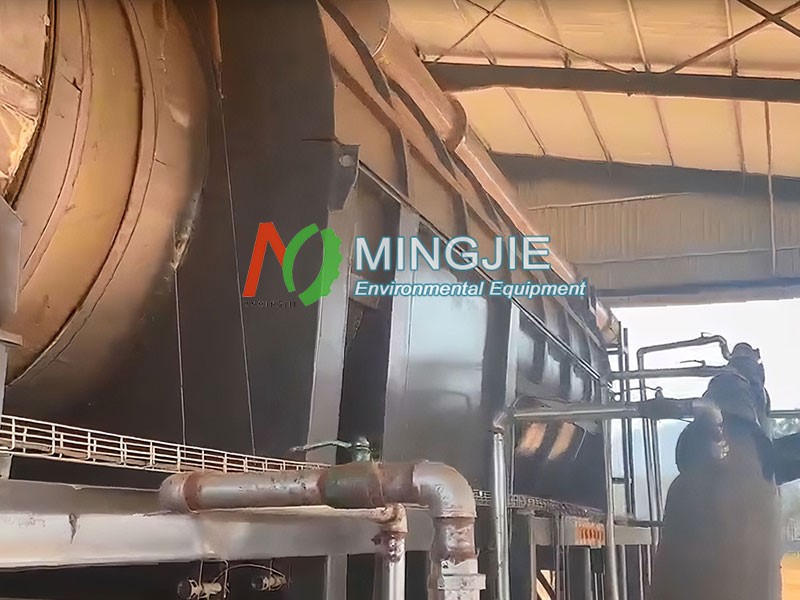
Traditional charcoal production is a major contributor to forest destruction. habitat loss due to unsustainable harvesting of timber resources. The use of modern technology in modern carbon manufacturing ensures that feedstock is used efficiently and that efficient emission control systems are in place. Water cooled automatic slag discharge system, no fly ash, high efficiency. Prevents emission of particulate matter during slag discharge.
Emission purification systems are used to remove harmful gases such as SO₂ and NOₓ from the pyrolysis process. In line with the world-wide environmental policy for reducing harmful emissions in industrial processes. Special emission purification system.
Renewable biomass certification ensures producers switch to alternatives such as agricultural waste. sustainably plantation-grown wood fibres instead of using logged forest wood-bark. The concept of a circular economy is also fulfilled through converting waste biomass into viable biochar resources that are also strongly carbon sequestering in soils.
Economic Aspects of Wood Charcoal Production
Wood charcoal production involves the investment of capital. The investment is changeable with different scales of production and automation degree. There are two kinds of systems: batch system and continuous system. The charcoal making machines work in batch system requires less investment than the ones which work in the fully continuous system or semi-continuous system with high efficiency. The capital investment of batch pyrolysis system is much lower than others. Therefore it is a good choice for the enterprise, especially the small. medium size enterprise which just steps into the biochar industry. While the biochar yield of the system is larger than others. also the system has high slag discharge efficiency.
Global demand for wood charcoal remains strong on account of heavy use in the metallurgical industry. water treatment plants as well as for the barbeque fuel business as well as agriculture in the form of biochar. Biochar’s ability to improve soil fertility opens new revenue streams that are eligible to be sold as carbon credits.
Many opportunities for innovation remain, from simple waste heat recovery units, to sophisticated AI controlled systems, to optimise reactor temperature profiles to give consistent yields.
Future Trends in Charcoal Production Technology
New innovations in emerging technologies are transforming how wood-based carbon materials are made. Sensors can monitor the gas composition inside the reactor in real time so that combustion parameters can be optimised. The automation of certain tasks in the production process is also providing safer working conditions. reducing the need for human intervention.
Artificial intelligence will play a more important role in predictive maintenance schedules using operational data analytics from the condition monitoring systems. The companies say digitalization will increase uptime efficiency across all production lines.
Future wood pyrolysis plants will apply hybrid renewable energy concepts: Instead of just using only bark fuel. solar-assisted preheating systems and/or biogas-fired burners made of heat-resistant ceramics will be used. In addition, next-generation biomass-conversion facilities could include carbon capture systems to achieve a practically carbon-free status.
The future of wood charcoal production manufacturing industry holds prospects for sustainable development based on sustainable forestry. modern technology where environmental responsibility is entwined with highly efficient technology for the production of quality wood charcoal that ensures sustainability and profitability.