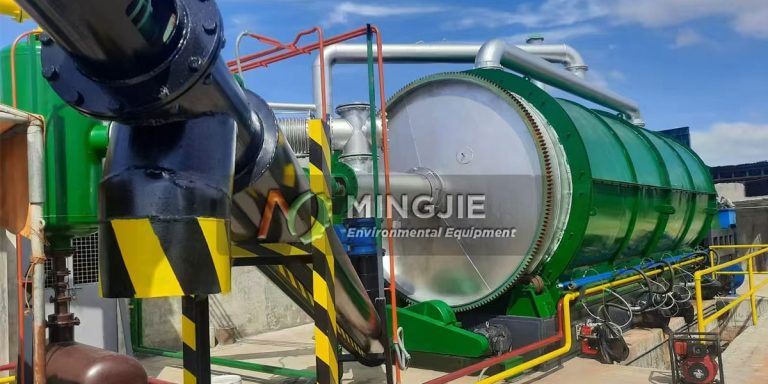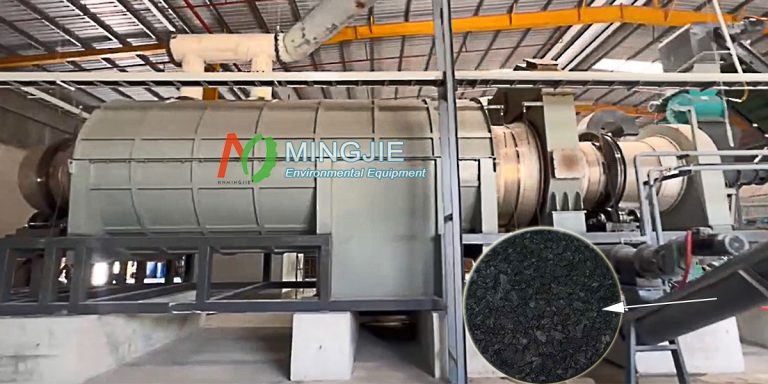
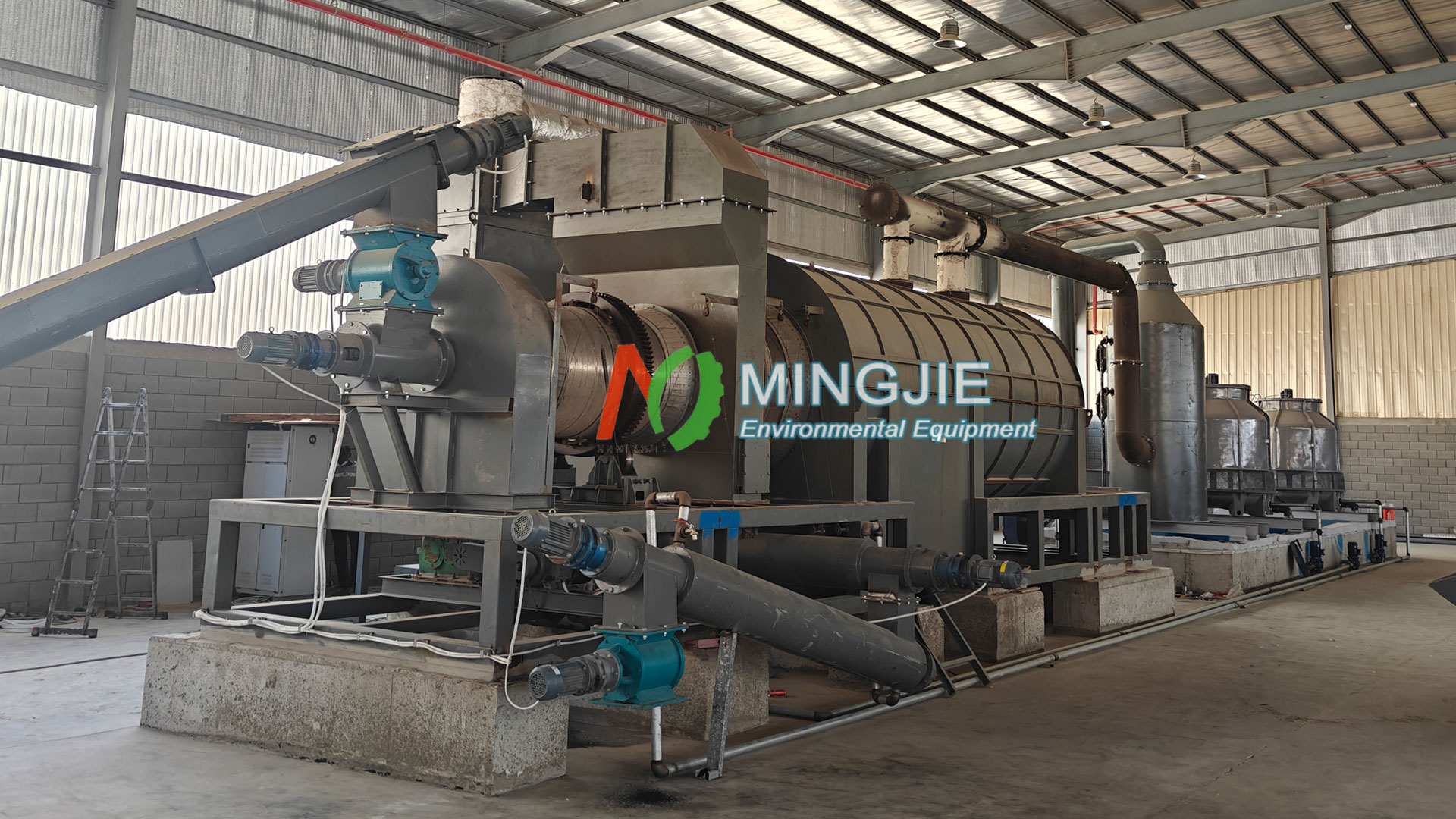
In the field of waste biomass resource recycling, continuous carbonizer machine is playing a crucial role. Mingjie biomass carbonizer machines have been successfully operating in biochar production projects in several countries, including South Africa, Chile, Saudi Arabia, and South Korea, receiving positive feedback.
The biomass carbonizer machine is a core piece of equipment that transforms organic waste into high-value resources. Through continuous pyrolysis technology, it achieves the transformation of biomass resources from waste to valuable products. Continuous biomass carbonization machine demonstrates diverse value in the field of resource recycling.
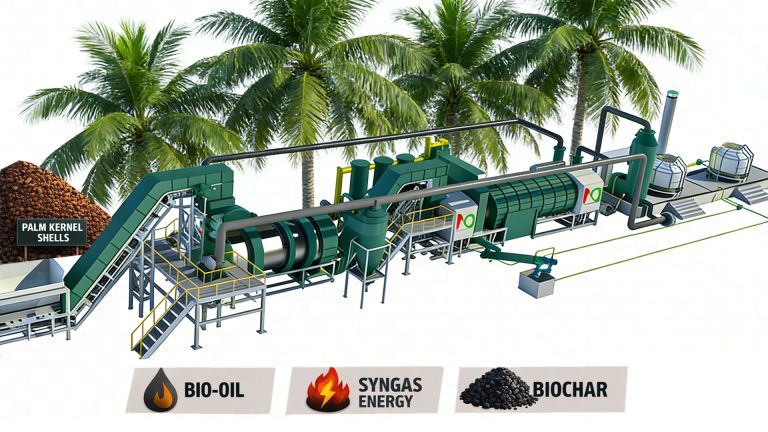
The biomass carbonizer machine utilizes waste biomass as raw material, ensuring its efficient use and preventing it from becoming unused or difficult-to-dispose-of waste. Common materials used for biochar production include wood chips, straw, coconut shells, rice husks, sugarcane bagasse, and palm shells.

These biomass wastes are transformed into a new product biochar after pyrolysis carbonization. This not only solves the problem of waste accumulation, but also provides new resource support for local industrial development.
Carbonizer Machine for Energy Recovery
The self-sufficiency and efficient utilization of energy are another important aspect of biomass carbonization machines within the resource recycling system.
Traditional industrial production equipment often relies on external energy supply, which exacerbates fossil fuel consumption and carbon emission pressure. Advanced biomass carbonization machines, however, build a closed-loop energy cycle through an energy recovery system.
The combustible gases produced during the biomass carbonization process, after being purified to remove impurities, can be directly used to heat the carbonization furnace. This replaces external energy sources such as natural gas and fuel oil. Excess combustible gas can also be used for raw material drying or as industrial fuel, achieving cascaded energy utilization.

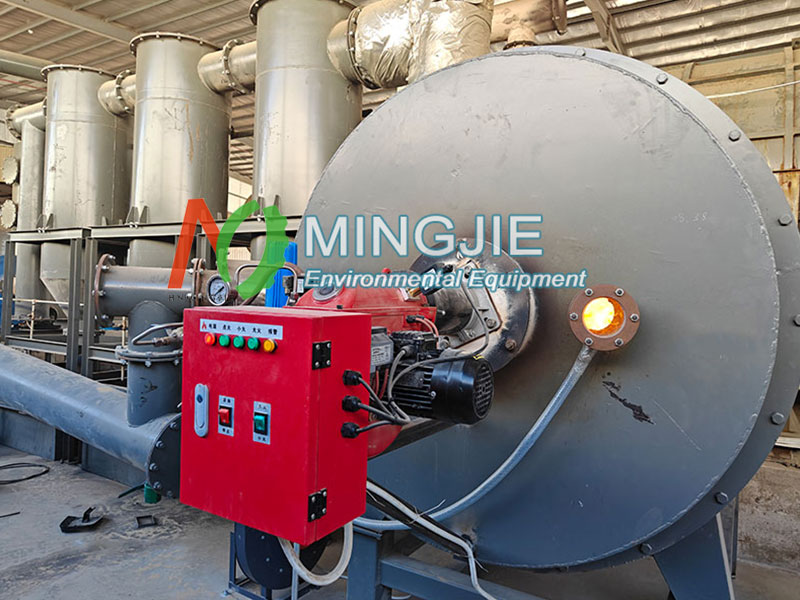
The waste heat recovery device can utilize the heat from high-temperature flue gas to preheat materials, reducing energy consumption by more than 30%. The application of an intelligent control system further significantly improves the utilization efficiency of combustible gases.
Benefits of Biomass Carbonization Machines
Biomass carbonization machines offer the dual benefits of carbon sequestration and pollution control.
Biomass absorbs carbon dioxide from the atmosphere during its growth. After carbonization into biochar, the carbon elements are permanently fixed in the product, forming a stable carbon sink. This bioenergy carbon capture and storage technology can effectively reduce greenhouse gas emissions.
The emerging role of biochar in carbon sequestration projects has also created additional revenue opportunities through carbon credits. Continuous biomass carbonizer machines are a vital component of the market. They embody the industry’s commitment to scaling up production and efficiently utilizing resources to create diversified product revenue.
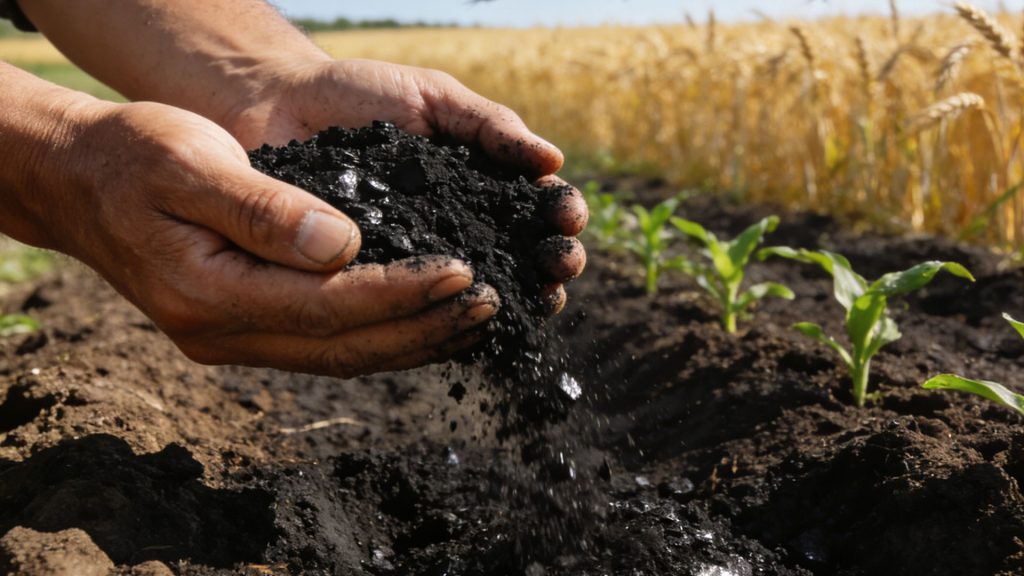
The global biochar market is shifting towards mainstream sustainable development solutions, with a projected compound annual growth rate of 11.8%. This growth is primarily driven by biochar’s significant role in carbon sequestration and improving agricultural productivity.
Agriculture is the largest application area for biochar. Biochar’s significant impact on soil fertility, water retention, and crop yields accounts for a substantial portion of its agricultural applications.
Beyond agriculture, biochar is also gaining traction in applications such as livestock feed additives, waste resource utilization, and building materials.
Pyrolysis – A Key Technology for Biomass to Biochar Production
The global biochar industry is primarily driven by pyrolysis technology. Continuous biomass pyrolysis is favored due to its ease of scaling up production, high system efficiency, and adaptability to a wide range of biomass feedstocks.
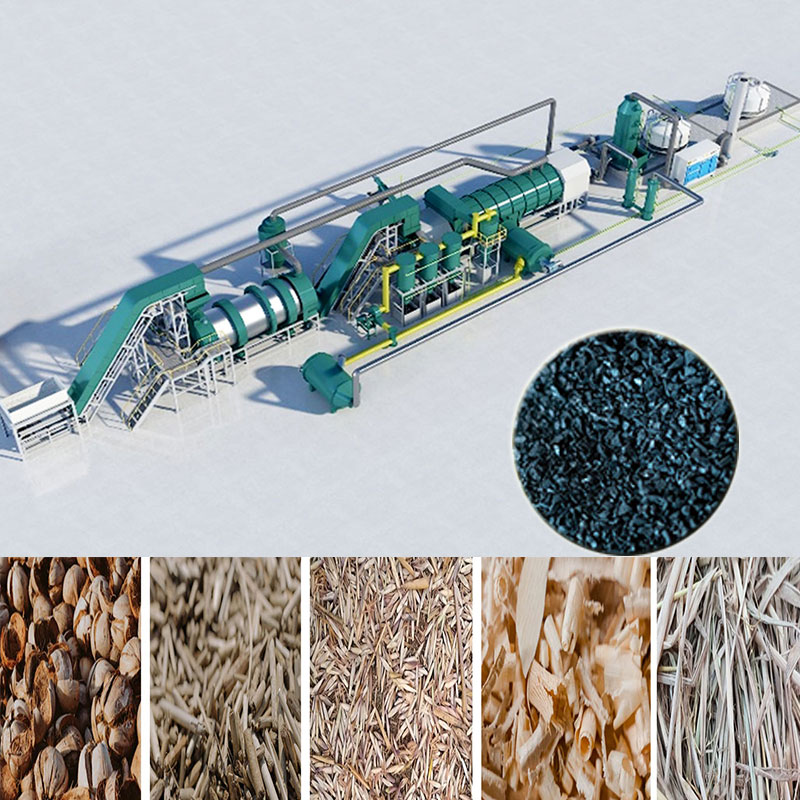
The global biochar industry is primarily driven by pyrolysis technology. Continuous biomass pyrolysis is highly favored due to its ease of scaling up production, high system efficiency, and adaptability to a wide range of biomass feedstocks.
Mingjie’s biomass carbonization machine utilizes continuous pyrolysis technology to thermochemically decompose organic matter under oxygen-deficient conditions, simultaneously producing biochar, bio-oil, and syngas.
Mingjie Group offers various models of biomass carbonizer machine: MJT-100, MJT-500, MJT-1000, MJT-2000, MJT-3000, and MJT-5000. These can be used for small-scale biochar production projects or as part of large-scale industrial waste biomass pyrolysis projects.