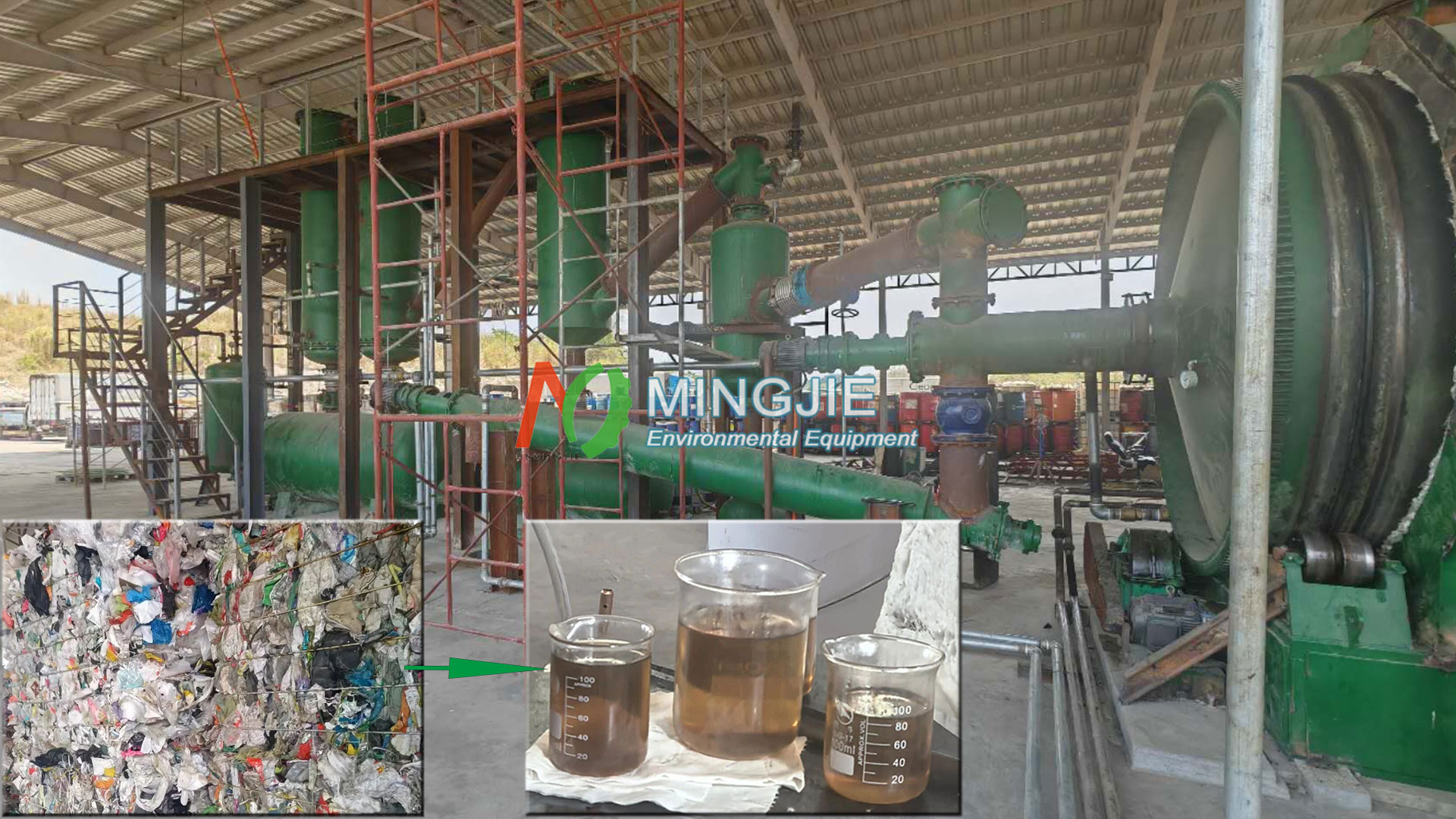
The core of waste plastic to fuel conversion lies in reversing the polymerization process. Pyrolysis technology can transform these plastic wastes back into their original form—fuel. This offers a potential solution for closing the pollution loop.
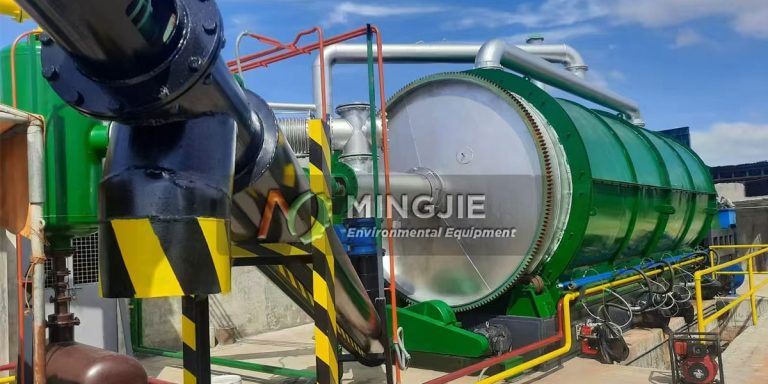
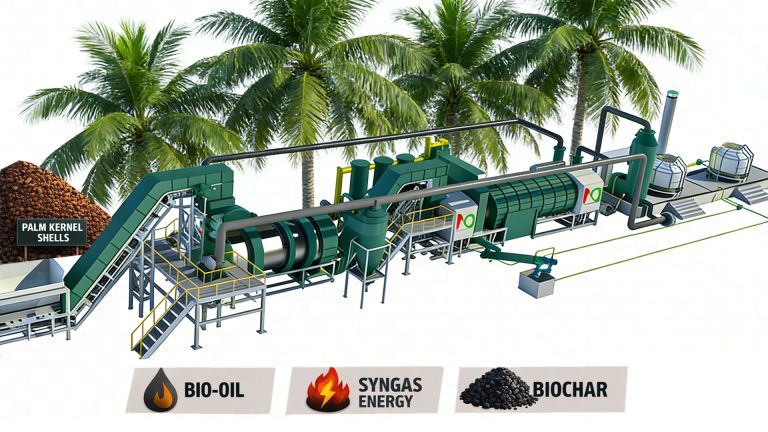
Plastics are long-chain polymers formed from small monomer molecules extracted from petroleum through polymerization reactions. Through the pyrolysis process, energy is applied to break the carbon-carbon bonds in these long chains, causing them to decompose back into smaller molecules. Plastic pyrolysis machine is key equipment for waste plastic to fuel conversion, transforming them into pyrolysis oil, syngas, and carbon black.
Pyrolysis technology heats the plastic in an oxygen-deficient or inert atmosphere (usually 350-500°C) to decompose it. The plastic to fuel conversion efficiency varies for different plastics. Pure hydrocarbon plastics such as polyethylene (PE) and polypropylene (PP) have the highest oil yield, exceeding 80%.
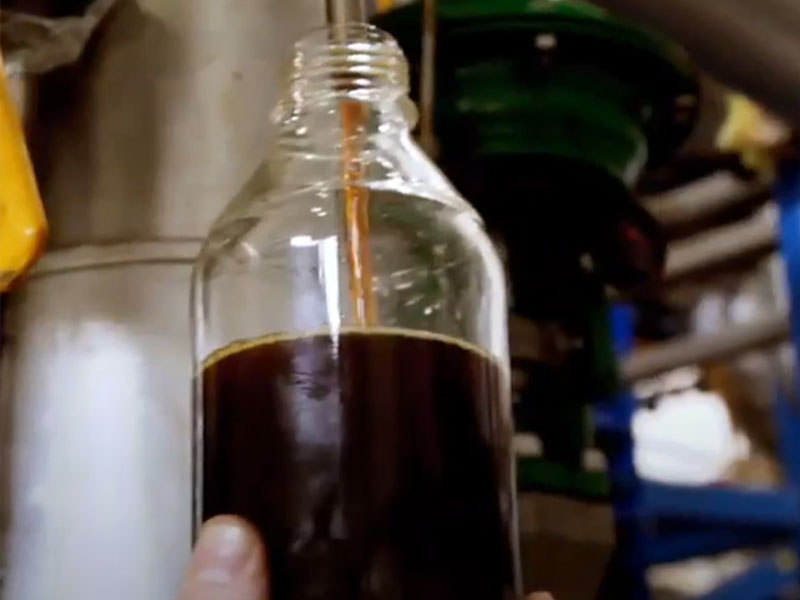
Products of Waste Plastic to Fuel Conversion
Pyrolysis plastic to fuel conversion is a promising resource recovery technology. The plastic to fuel conversion pyrolysis plant has entered the stage of large-scale industrial application. It is expected to become an important method for controlling plastic pollution and promoting energy recycling.
Plastic pyrolysis oil is the core product of waste plastic to fuel conversion, suitable for direct use as industrial fuel. Studies show that approximately 6-8 tons of fuel oil can be produced from 10 tons of mixed waste plastics.
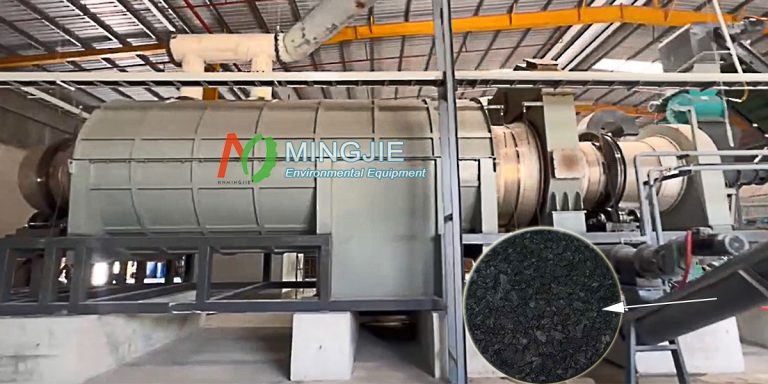
The pyrolysis gas also has a high calorific value and is the preferred fuel for self-heating the pyrolysis system. The carbon black in the solid residue can be used as a rubber reinforcing agent, pigment, or raw material for activated carbon.
Deep Processing of Waste Plastic Pyrolysis Oil
The actual raw materials for waste plastic to oil conversion often contain other components, including impurities such as soil, rubber, and textiles. This significantly affects the composition of the plastic pyrolysis oil and makes the oil’s composition more complex.
Analysis of the composition of waste plastic pyrolysis oil reveals that it contains many low-value components and impurities. This is detrimental to the efficient recycling of waste plastics.
Waste plastic pyrolysis oil has a wide range of products, complex properties, and numerous impurities, making it unsuitable for direct use as a petrochemical product. Therefore, deep processing of waste plastic oil is necessary to improve its quality. Fuel oil is the main target product of deep processing of waste plastic pyrolysis oil.
Distillation of Pyrolysis Oil
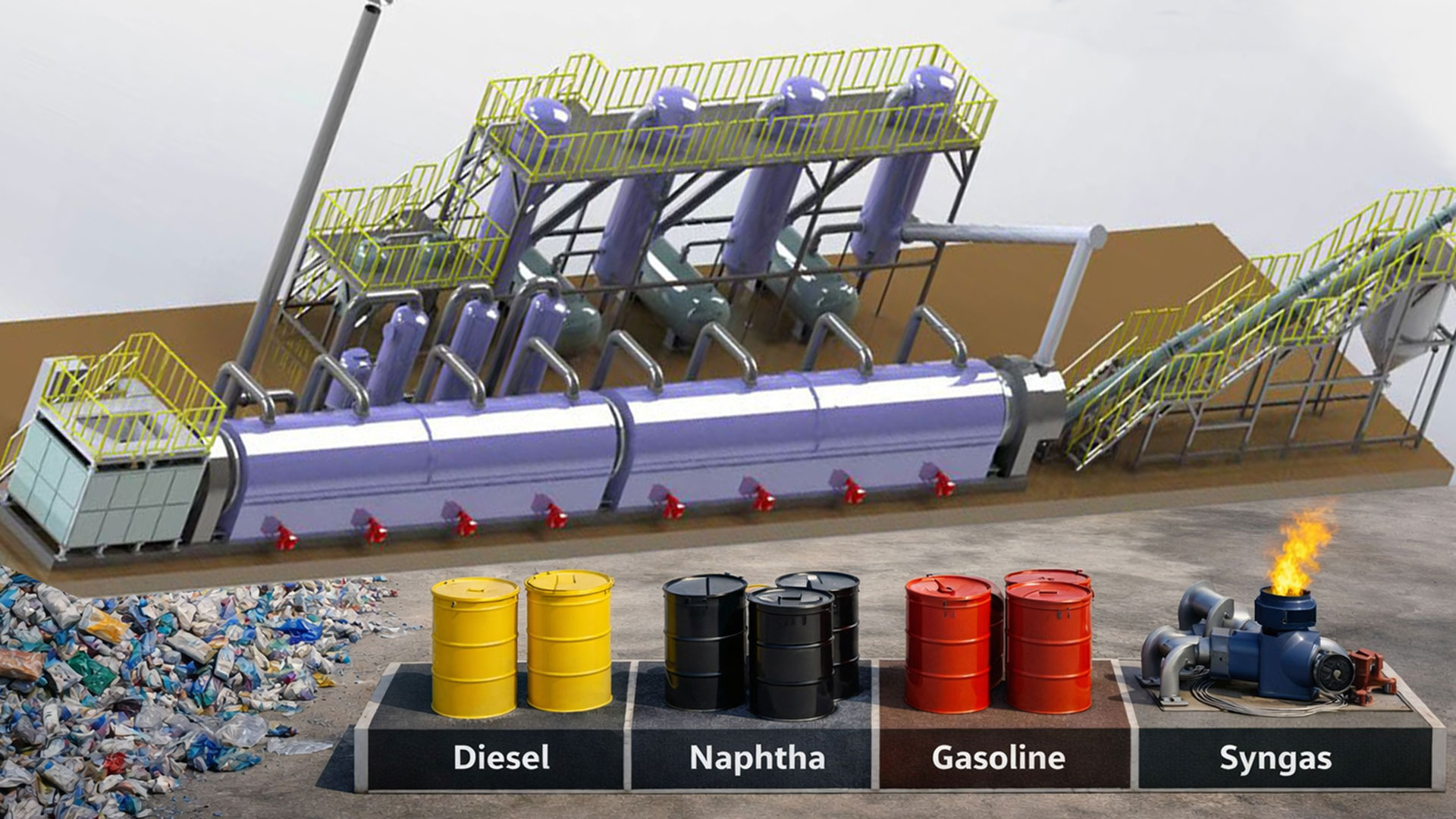
The distillation process for converting plastic pyrolysis oil into diesel fuel is based on the principle of utilizing the differences in boiling points of the various components in the pyrolysis oil. The distillation equipment uses a cycle of heating, vaporization, and condensation to separate the low-boiling point gasoline fractions, high-boiling point heavy oil residues, and the target diesel fraction.
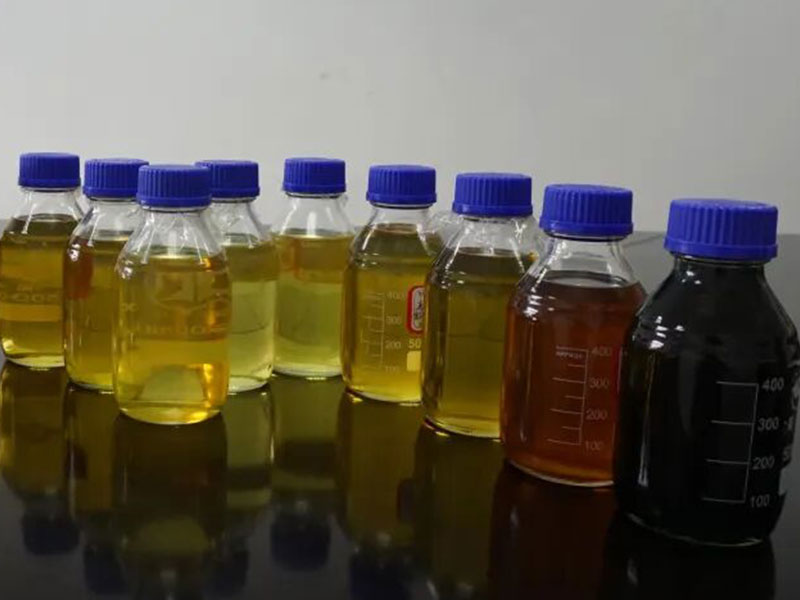
During the distillation process, the pyrolysis oil is heated to a specific temperature, causing the light components with boiling points below 180°C (such as naphtha and gasoline fractions) to vaporize first. These vapors overflow from the top of the distillation column and are condensed and collected.
The diesel fraction, with boiling points between 180-360°C, then vaporizes and is separated and collected in the middle section of the distillation column.
The heavy components with boiling points above 360°C (such as heavy oil and asphalt) remain at the bottom of the distillation column and are discharged as residue.
By precisely controlling the distillation temperature and pressure, the yield and quality of the diesel fraction can be effectively adjusted. Distillation under vacuum conditions lowers the boiling points of the components, preventing the decomposition and degradation of the oil components due to high temperatures, making it particularly suitable for processing heavy pyrolysis oil feedstocks.