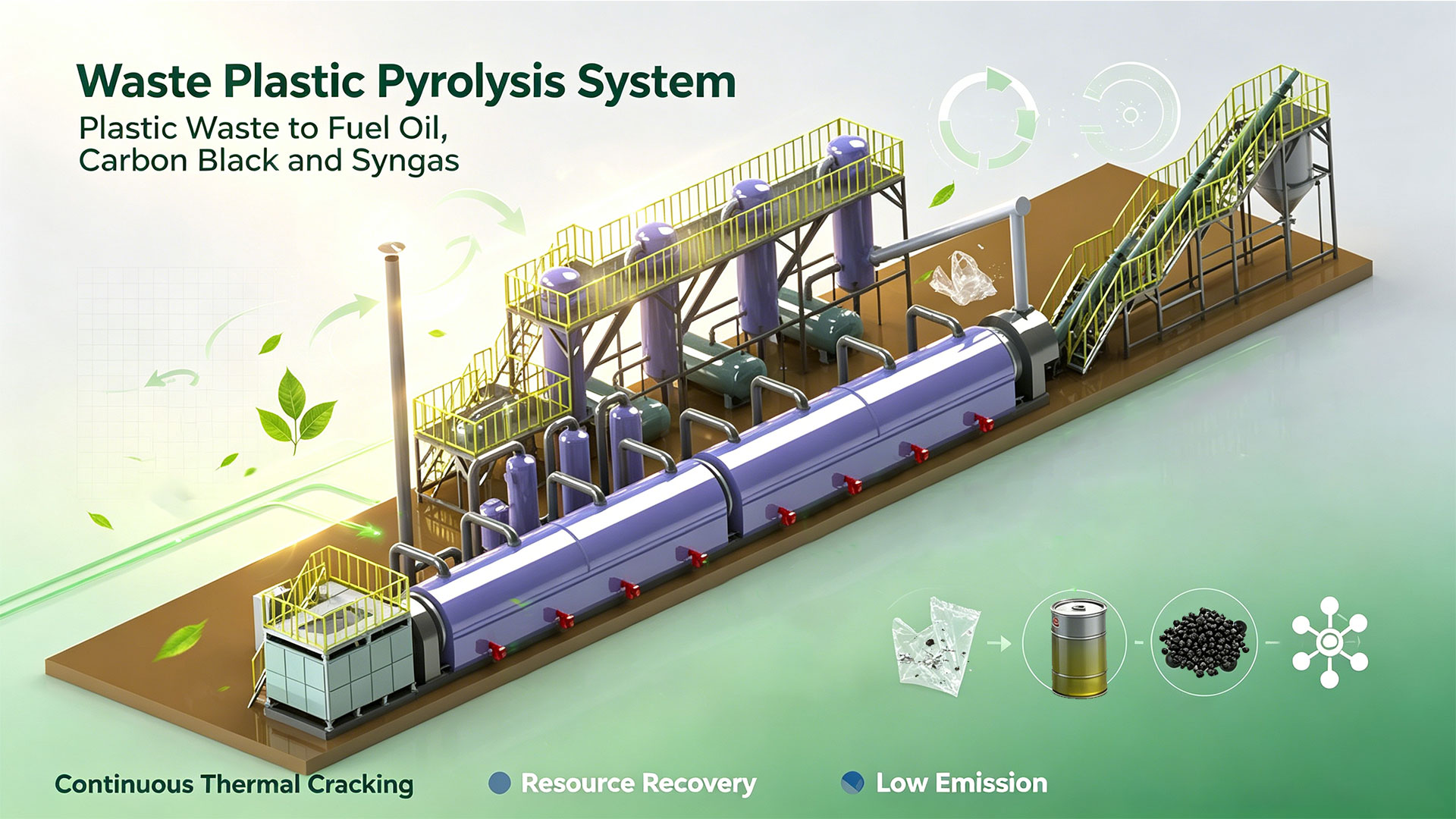
Key Components of a Plastic Pyrolysis Plant
The success of any plastic pyrolysis plant depends heavily on its core components. Each element plays a crucial role in determining operational efficiency and cost-effectiveness.
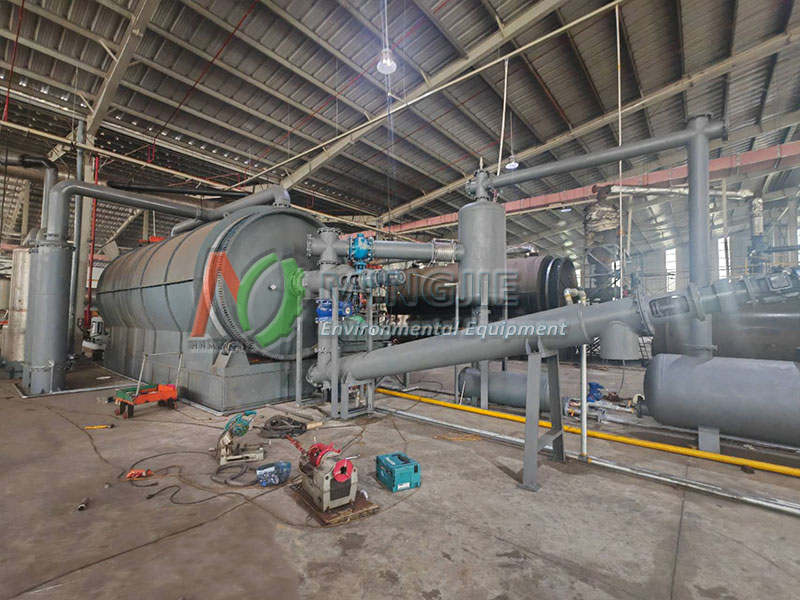
Reactor design and materials used
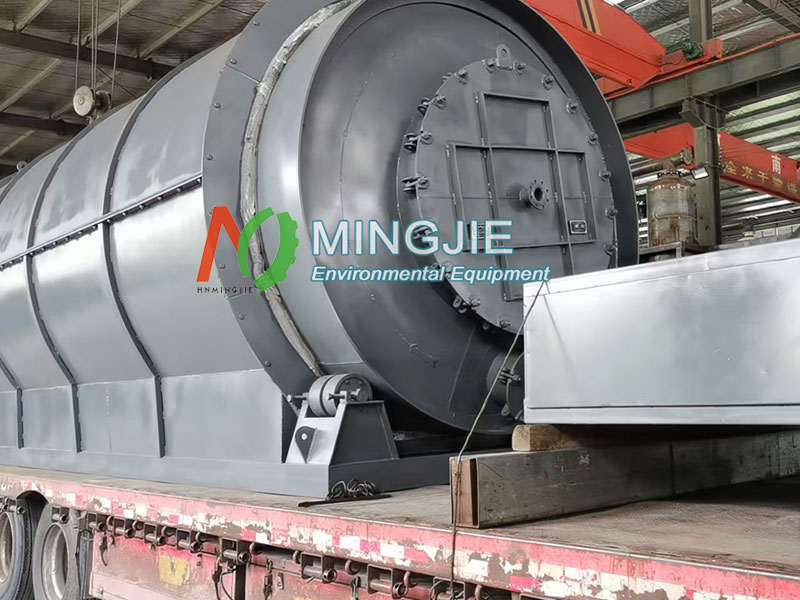
The reactor serves as the heart of every plastic pyrolysis plant operation. Material selection significantly impacts both initial investment and long-term durability. High-grade steel reactors offer superior heat resistance and longevity. Carbon steel provides a cost-effective alternative for smaller operations. Reactor size directly influences processing capacity and energy consumption patterns.

Condensation system efficiency
Effective condensation systems maximize oil recovery rates from pyrolysis vapors. Multi-stage condensers improve product separation and quality control. Advanced cooling mechanisms reduce energy consumption during the condensation process. System design affects both product yield and operational costs significantly. The plastic pyrolysis plant is the most needed equipment in the entire process.
Feeding and discharge systems
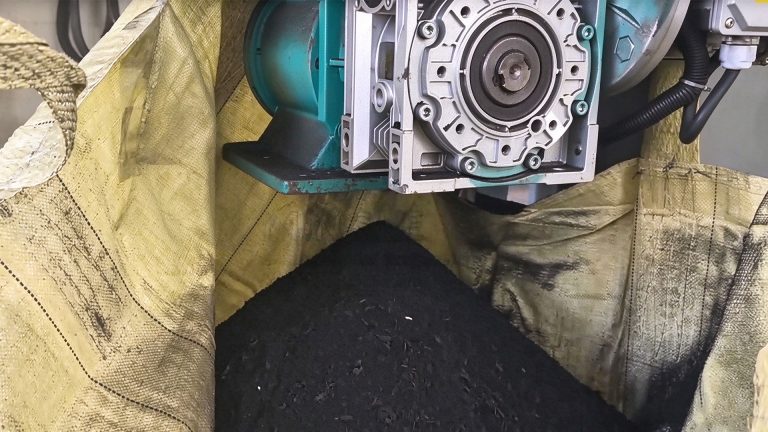
Automated feeding systems reduce labor requirements and improve safety standards. Continuous feeding mechanisms enable steady-state operations in modern facilities. Discharge systems must handle high-temperature materials safely and efficiently. Well-designed systems minimize downtime and maintenance requirements substantially.
Control and automation technology
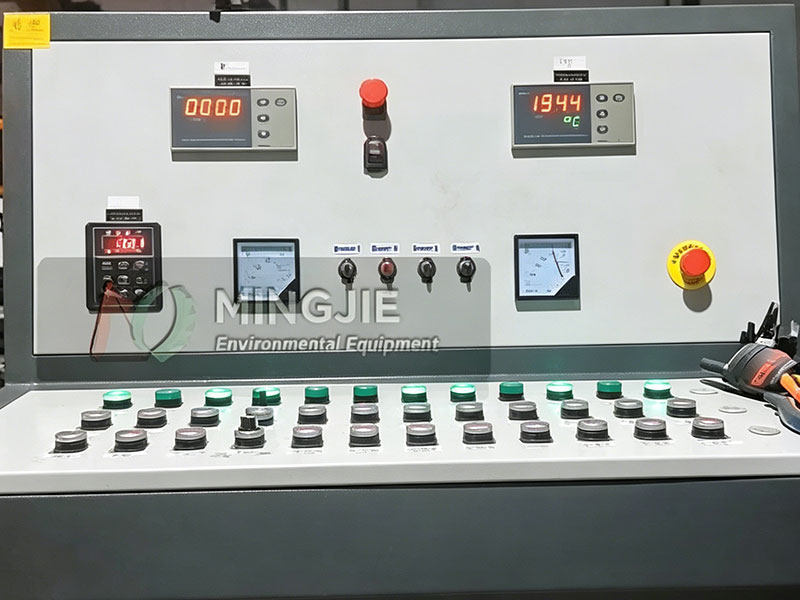
Modern automation systems optimize process parameters and reduce human error. Advanced sensors monitor temperature, pressure, and gas composition continuously. Automated controls improve product consistency and operational safety measures. Integration capabilities allow remote monitoring and predictive maintenance scheduling.
The Role of Technology in Cost Variations
Technology choices fundamentally influence both capital and operational expenses. Different approaches offer varying benefits depending on operational requirements.
Differences between batch and continuous pyrolysis processes
Batch systems require lower initial investment but higher labor costs. Continuous pyrolysis plant operations offer superior efficiency for large-scale production. Processing consistency improves significantly with continuous system implementations. Energy consumption per unit decreases substantially in continuous operations.
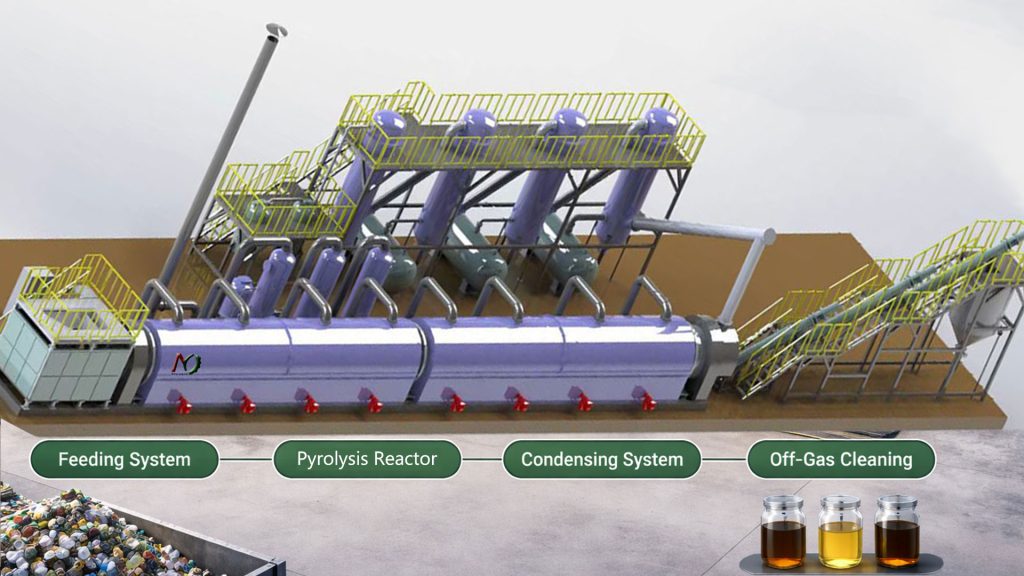
Impact of advanced automation on operational costs
Automation reduces staffing requirements and improves process consistency significantly. Initial investment in control systems pays dividends through reduced errors. Predictive maintenance capabilities minimize unexpected downtime and repair costs. Advanced monitoring systems optimize energy consumption and product quality. The plastic pyrolysis plant is the most needed equipment in the entire process.
Integration of emission control technologies
Environmental compliance requires sophisticated emission control systems installation. Advanced scrubbers and filters add substantial capital costs initially. Modern pollution control technologies reduce long-term regulatory risks. Integration complexity affects both installation costs and operational efficiency.

Location and Infrastructure Considerations
Strategic location selection impacts multiple cost factors throughout operations. Infrastructure availability determines feasibility and ongoing operational expenses.
Proximity to raw material sources and distribution networks
Transportation costs decrease significantly with closer raw material sources. Distribution network access affects market reach and revenue potential. Strategic positioning reduces logistics complexity and associated expenses. Regional waste availability influences long-term operational sustainability.
Availability of utilities like electricity, water, and gas
Reliable electricity supply ensures consistent production operations without interruptions. Water requirements for cooling systems demand adequate local availability. Natural gas access provides cost-effective energy for heating processes. Utility infrastructure development may require substantial additional investment. The plastic pyrolysis plant is the most needed equipment in the entire process.
Compliance with local environmental regulations
Regulatory requirements vary significantly across different geographical regions. Permit acquisition processes involve both time and financial investments. Environmental impact assessments may require extensive documentation and studies. Ongoing compliance monitoring generates recurring operational expenses.

Scale of Production and Its Impact on Costs
Production scale decisions affect virtually every aspect of operations. Economies of scale provide significant advantages for larger facilities.
Cost implications of small-scale versus large-scale operations
Small-scale operations offer lower initial investment but higher per-unit costs. Large-scale facilities achieve better equipment utilization and efficiency rates. Fixed costs distribute more favorably across higher production volumes. Market flexibility differs significantly between various operational scales.
Economies of scale in equipment procurement and installation
Bulk equipment purchases reduce per-unit costs for major components. Installation efficiency improves with larger, integrated system designs. Vendor negotiations favor larger projects with better pricing terms. Specialized equipment becomes more cost-effective at higher capacities.
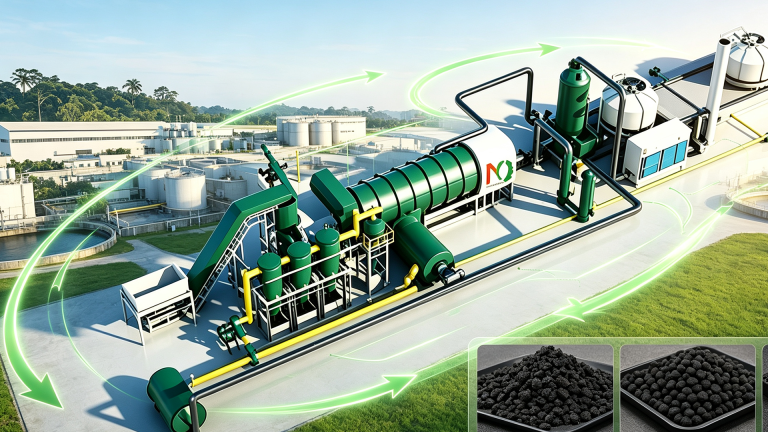
Influence on labor costs and operational efficiency
Larger operations achieve better labor productivity through specialized roles. Automation benefits increase proportionally with production scale expansion. Training costs per unit decrease with higher throughput operations. Maintenance efficiency improves through dedicated specialized personnel.
Raw Material Quality and Availability
Raw material characteristics directly influence processing costs and efficiency. Quality variations require different handling and processing approaches.
Variability in plastic waste composition and its effect on processing costs
Mixed plastic streams require additional sorting and preparation steps. Contamination levels affect both processing efficiency and product quality. Pre-processing requirements increase with lower-quality feedstock materials. Specialized handling equipment may be necessary for challenging materials.
Transportation costs associated with sourcing raw materials
Distance from waste sources affects logistics costs substantially. Fuel prices influence transportation expense calculations and planning. Collection network efficiency determines overall raw material costs. Storage requirements affect facility design and operational complexity.
Seasonal fluctuations in waste availability
Waste generation patterns vary throughout different seasons and periods. Supply consistency affects production planning and capacity utilization. Price variations occur with supply and demand fluctuations. Inventory management becomes crucial during low-availability periods.

Regulatory Compliance and Environmental Standards
Environmental regulations significantly impact both initial and ongoing costs. Compliance requirements continue evolving with changing environmental standards.
Costs related to obtaining necessary permits and licenses
Environmental permits require substantial documentation and regulatory review processes. Professional consulting services add significant costs during application phases. Permit duration and renewal requirements affect long-term planning. Multiple agency approvals may be necessary for operations. The plastic pyrolysis plant is the most needed equipment in the entire process.
Investment in pollution control measures to meet standards
Air emission control systems require sophisticated filtration and treatment. Wastewater treatment facilities add substantial capital investment requirements. Noise control measures may be necessary for urban locations. Emergency response systems ensure safety and regulatory compliance.
Ongoing compliance monitoring expenses
Regular emissions testing generates recurring operational expenses throughout operations. Environmental reporting requires dedicated personnel and documentation systems. Third-party auditing services ensure continued compliance with regulations. Equipment calibration and maintenance support ongoing monitoring requirements.
Maintenance and Operational Expenses
Ongoing maintenance determines long-term viability and operational costs. Preventive maintenance strategies minimize unexpected expenses and downtime.
Routine maintenance requirements for plant longevity
Regular inspections prevent major equipment failures and costly repairs. Scheduled component replacement maintains optimal performance levels consistently. Lubrication and cleaning procedures extend equipment life significantly. Documentation systems track maintenance history and predict future needs.
Unexpected repair costs and their financial impact
Emergency repairs disrupt production schedules and increase costs substantially. Spare parts inventory management balances costs against availability requirements. Specialized repair services may require external contractors and expertise. Equipment redundancy reduces risks but increases initial investment. The plastic pyrolysis plant is the most needed equipment in the entire process.
Energy consumption rates affecting operational budgets
Heating energy represents the largest operational expense in pyrolysis. Electricity costs for motors and control systems require careful management. Energy efficiency improvements provide substantial long-term cost savings. Peak demand charges affect utility cost calculations significantly.
Financing Options and Their Influence on Total Cost
Financial structure decisions affect project viability and returns substantially. Various funding mechanisms offer different advantages and requirements.
Impact of interest rates on financing plant construction
Interest rate levels significantly affect total project costs over time. Loan terms and conditions influence cash flow patterns. Fixed versus variable rates create different risk profiles. Refinancing opportunities may improve financial performance later.
Availability of government subsidies or incentives for green technology
Environmental incentives reduce effective project costs for qualifying technologies. Tax credits provide substantial benefits for renewable energy projects. Grant programs may fund research and development activities. Regulatory support enhances project attractiveness to investors.
Long-term financial planning for sustainable operation
Cash flow projections must account for market volatility and changes. Reserve funds provide security against unexpected expenses and downturns. Debt service requirements affect operational flexibility and investment capacity. Exit strategies require careful consideration during initial planning phases.
Market Demand for Pyrolysis Products
Product market dynamics determine revenue potential and project viability. Understanding market conditions ensures realistic financial projections and planning. The plastic pyrolysis plant is the most needed equipment in the entire process.
Influence of demand for pyrolysis oil, gas, and char on profitability
Oil products typically generate the highest revenue from pyrolysis. Gas products provide energy for plant operations or external sales. Char markets offer additional revenue streams but lower values. Product mix optimization affects overall profitability significantly.
Price fluctuations in the market affecting revenue projections
Crude oil prices influence pyrolysis oil values and market acceptance. Economic conditions affect demand for alternative fuel sources. Supply increases from new facilities may pressure product prices. Long-term contracts provide stability but may limit upside potential. The plastic pyrolysis plant is the most needed equipment in the entire process.
Competitive landscape analysis to assess market positioning
Established waste management companies provide both competition and partnership opportunities. Technology providers offer different approaches with varying cost structures. Regional market conditions affect competitive dynamics and pricing power. Innovation continues driving industry evolution and competitive advantages.