Introduction to Vietnam’s Waste Evolution
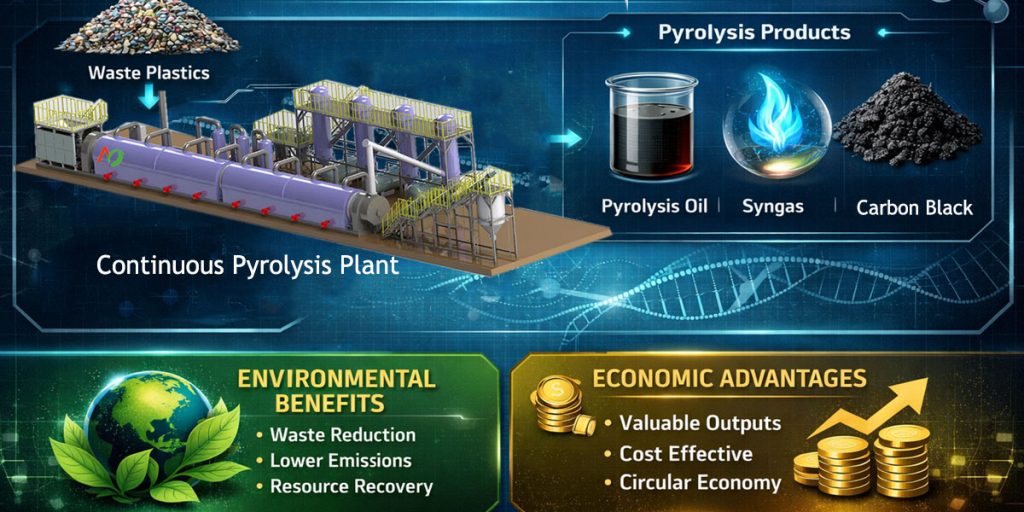
Vietnam now enforces a strict ban on plastic waste imports. This policy forces a shift toward domestic recycling sources. Local scrapyards have become the primary suppliers of raw materials. A continuous plastic pyrolysis plant solves the challenge of processing massive domestic volumes. This technology enables the efficient conversion of waste into high-value energy. Investors can now turn environmental burdens into sustainable industrial profits. Professional engineers recommend these systems for modern Vietnamese recycling infrastructure. A continuous plastic pyrolysis plant offers the best technological path for local waste processors.
The Impact of the Plastic Import Ban
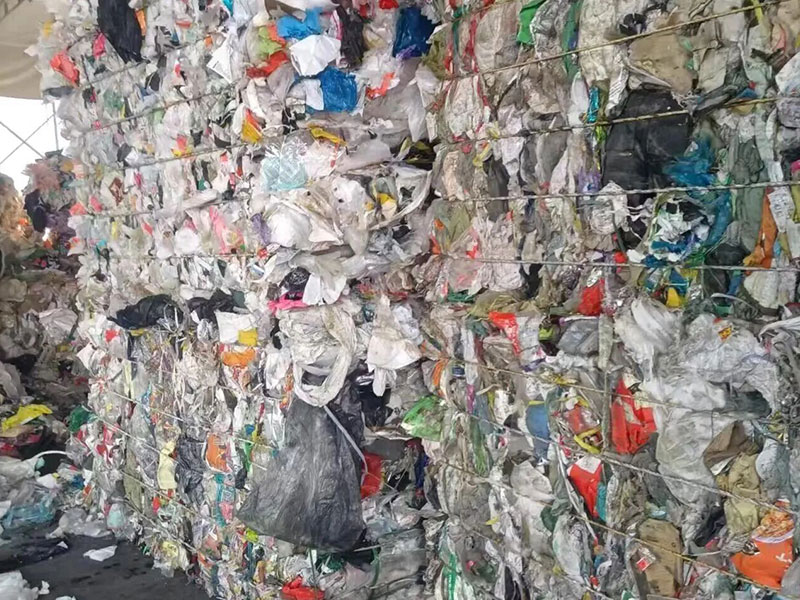
Restricting foreign waste imports creates a major opportunity for the domestic management sector. Plastic waste is accumulating rapidly in local landfills and provincial scrapyards. Traditional incineration or simple landfilling is no longer a viable option for Vietnam. These outdated methods destroy valuable resources and pollute the local environment. Modern technology captures the energy hidden within these vast plastic piles. Vietnamese entrepreneurs can lead the regional transition to a circular economy. Stable local supplies ensure long-term growth for the manufacturing industry. This shift promotes resource independence for the entire nation. Proper domestic recycling reduces the need for expensive imported raw materials.
Technical Superiority of the Continuous Plastic Pyrolysis Plant
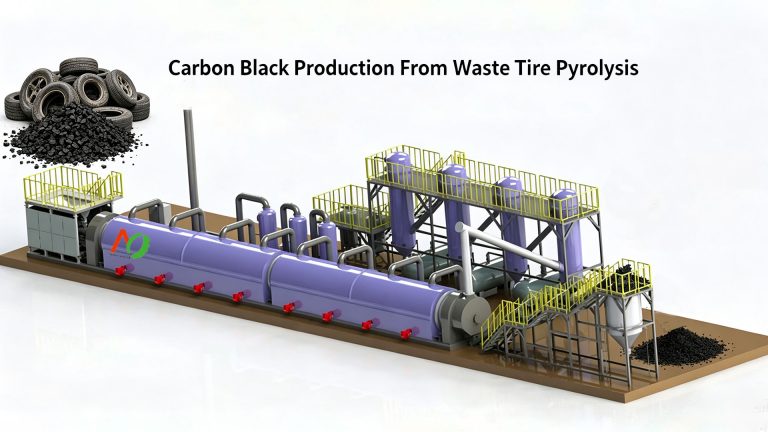
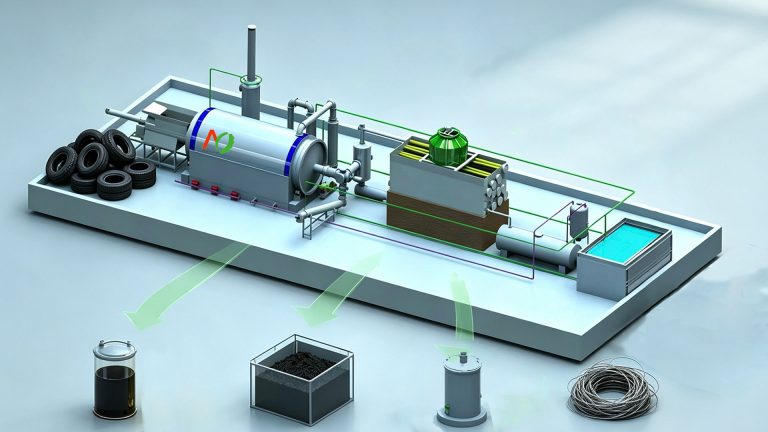
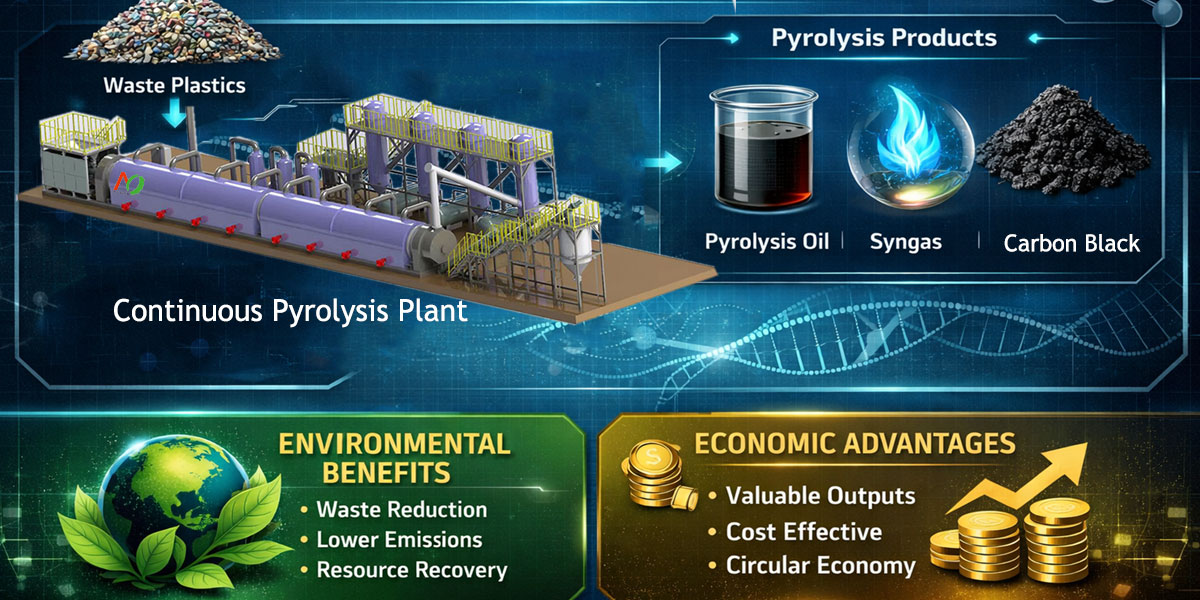
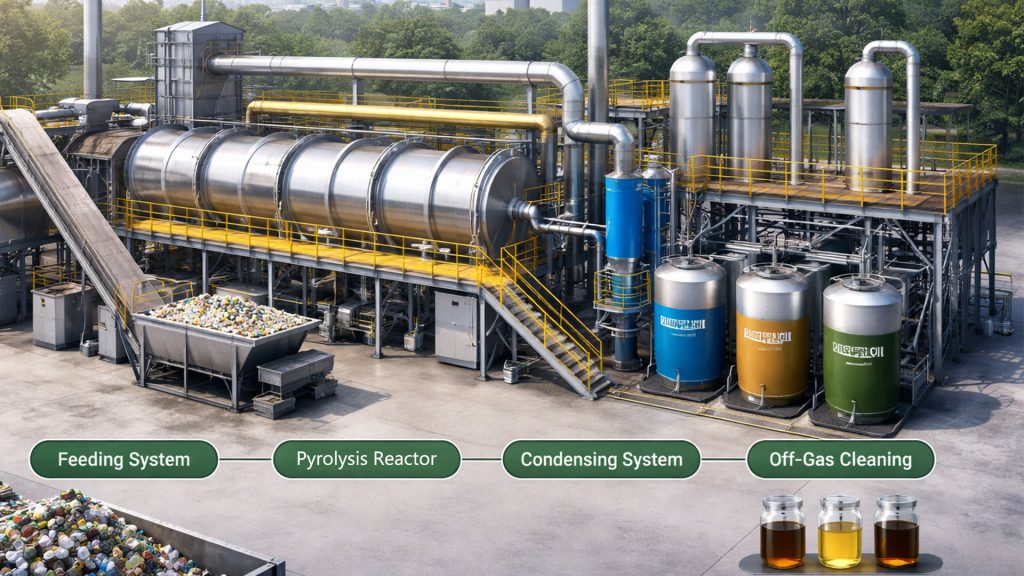
Fully automatic systems offer massive operational advantages over older batch models. A continuous plastic pyrolysis plant enables 24-hour feeding and discharging without interruptions. The fully automatic model processes up to 30 tons of plastic daily. High-efficiency results require a specific feed size between 5mm and 8mm. The reactor reaches an optimal operating temperature of approximately 420°C. This system also recovers syngas to heat the reactor itself. Utilizing self-generated gas significantly reduces overall operational fuel costs. Automation lowers labor needs while ensuring consistent output quality every day. This sealed process maintains high thermal efficiency throughout the entire cycle.
Converting Scrapyard Waste into High Value Oil
Common Vietnamese waste includes PE water pipes, oil drums, and PP woven bags. These specific materials yield high amounts of fuel oil through pyrolysis. Pure PE and PP plastics can yield between 70% and 80% oil. The continuous plastic pyrolysis plant transforms these items into high-purity industrial fuel. Experts recommend pre-sorting materials to remove inert items like glass or metal. This step protects the reactor and ensures the highest possible oil quality. Local factories use this oil to power heavy-duty industrial boilers. Converting waste into fuel decreases the national reliance on expensive fossil imports. This process adds immense value to items that previously sat in scrapyards.
Enhancing Product Quality with Distillation Technology
Pyrolysis oil distillation plants play a critical role in secondary processing. This machinery purifies plastic pyrolysis oil into bright-colored non-standard diesel or gasoline. The process removes harmful pollutants and heavy impurities from the liquid. This light fraction oil serves various needs in the Vietnamese market. Operators use the fuel for diesel generators, ships, and heavy engines. Refining the oil significantly increases the total market value of the output. High-grade diesel commands a much higher price than raw furnace oil. Adding distillation maximizes the revenue from every continuous plastic pyrolysis plant. This secondary step ensures the final product meets high industrial standards.
The Role of Carbon Black in the Circular Economy
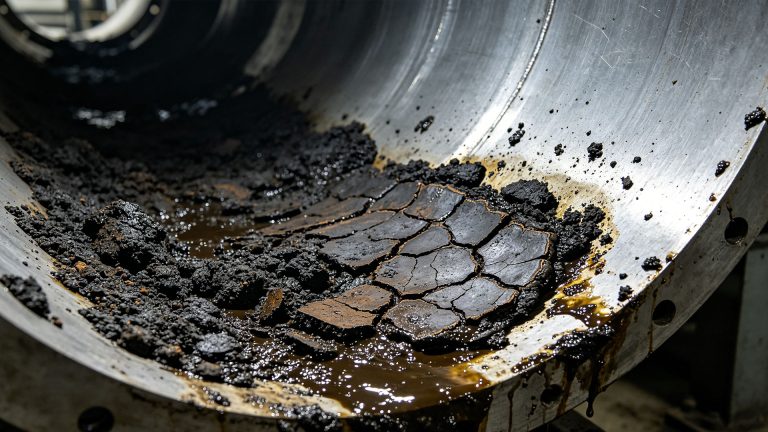
Pyrolysis generates carbon black as a valuable byproduct for the circular economy. Companies can press this material into briquettes for industrial heating applications. It also serves as a vital filler in the rubber and plastic industries. The continuous plastic pyrolysis plant uses a water-cooled automatic slag discharge system. This equipment allows for high-temperature discharging without stopping the production process. The fully sealed design prevents fly ash from escaping into the workspace. A clean operating environment protects workers and maintains high factory standards. Every byproduct from the waste becomes a source of additional revenue. Continuous discharging keeps the reactor at the perfect temperature for better performance.
Environmental Protection and Emission Control
A continuous plastic pyrolysis plant provides superior environmental benefits over traditional disposal. The system reduces CO2 emissions through efficient waste-to-energy conversion technology. It prevents the release of toxic gases like dioxins, NOx, and SO2. Specialized purification systems treat all flue gas before it reaches the atmosphere. Mingjie equipment meets strict global standards with CE and ISO certifications. The pyrolysis plant supports the sustainable transition of the Vietnamese industrial sector. Technical safety remains a top priority for all modern environmental projects.
Economic Feasibility and Investment ROI
Investing in a continuous plastic pyrolysis plant is a strategic move for entrepreneurs. Domestic raw materials are very affordable compared to high market fuel prices. Large daily processing capacities generate steady streams of valuable industrial commodities. The high-yield nature of the machinery ensures a rapid return on investment. Mingjie provides a 12-month guarantee to protect owners from technical risks. Professional after-sales service keeps each continuous plastic pyrolysis plant at peak performance. Low maintenance costs further increase the profitability of these advanced systems. Businesses can achieve long-term financial stability through sustainable recycling practices.
The Future of Sustainable Waste Management in Vietnam
Technological innovation now drives the green transition across Southeast Asia. Continuous systems build the foundation for a robust domestic recycling infrastructure. These plants solve the growing problem of plastic waste in urban centers. Adopting advanced technology turns environmental challenges into sustainable economic profits. Vietnam can lead the region in high-efficiency waste recovery solutions. Implementing a continuous plastic pyrolysis plant represents the future of the circular economy. This machinery ensures that waste becomes a valuable national resource for decades. A continuous plastic pyrolysis plant effectively transforms domestic waste into high-value energy and materials.