Urban centers face a serious land crisis today. Expanding populations produce more trash every single day. Available space for disposal shrinks rapidly. Municipal Waste Pyrolysis provides a vital technological breakthrough. This method transforms waste into valuable renewable energy. It serves the needs of modern megacities effectively. Traditional waste management requires vast tracts of land. We must stop burying our urban problems. Pyrolysis of municipal solid waste helps cities reclaim valuable development space. It turns a massive burden into a strategic resource. This technology supports sustainable growth in high-density areas.
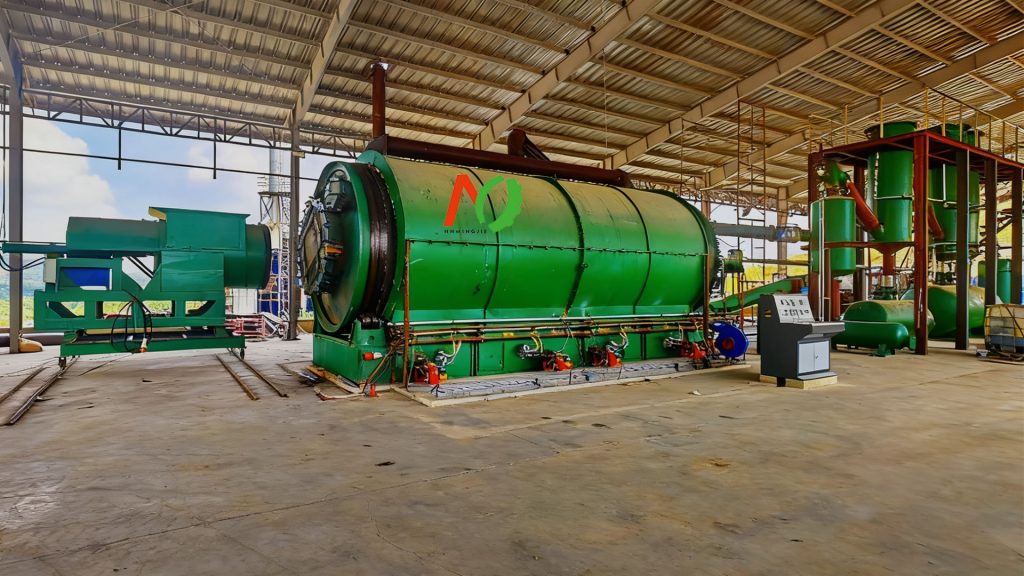
The Hidden Cost of Landfills in Modern Cities
Landfills consume massive amounts of suburban land. This land often sits in prime development zones. Cities lose millions in potential economic value annually. Burying trash creates long-term environmental burdens for everyone. These sites lead to significant soil and water issues. Land scarcity is now an increasingly prominent environmental problem. High-density urban areas feel this pressure the most. Landfills prevent cities from expanding their infrastructure. They lock away valuable land for many decades. This practice creates a high cost for modern taxpayers. We must transition away from landfill dependency soon. This change is essential for long-term urban sustainability.
How Pyrolysis of Municipal Solid Waste Optimizes Urban Land Use
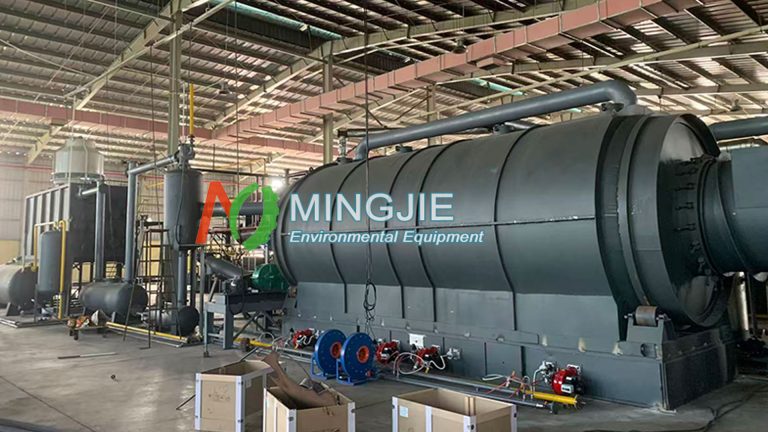
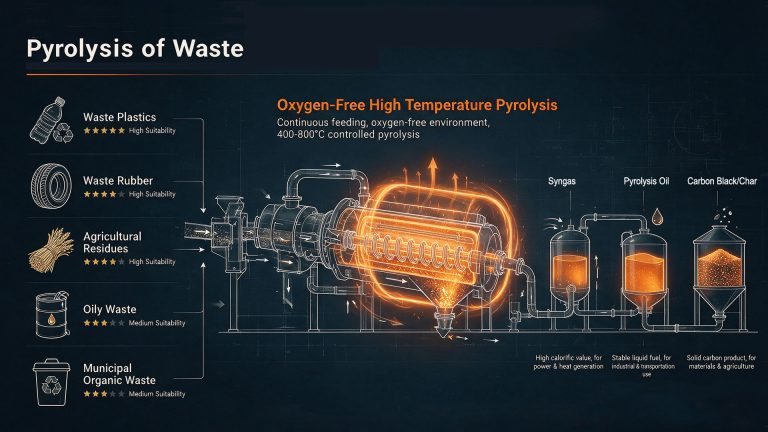
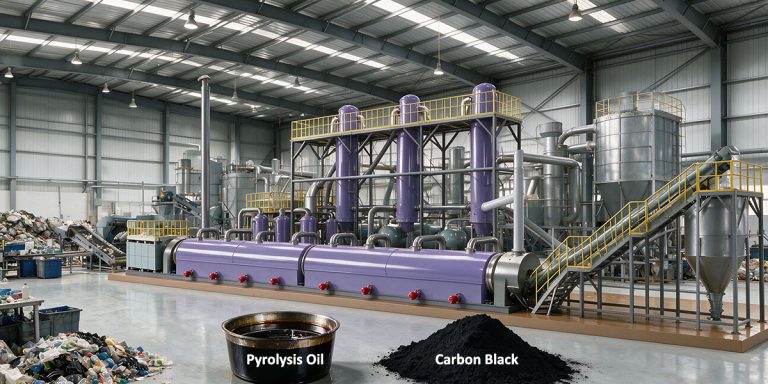
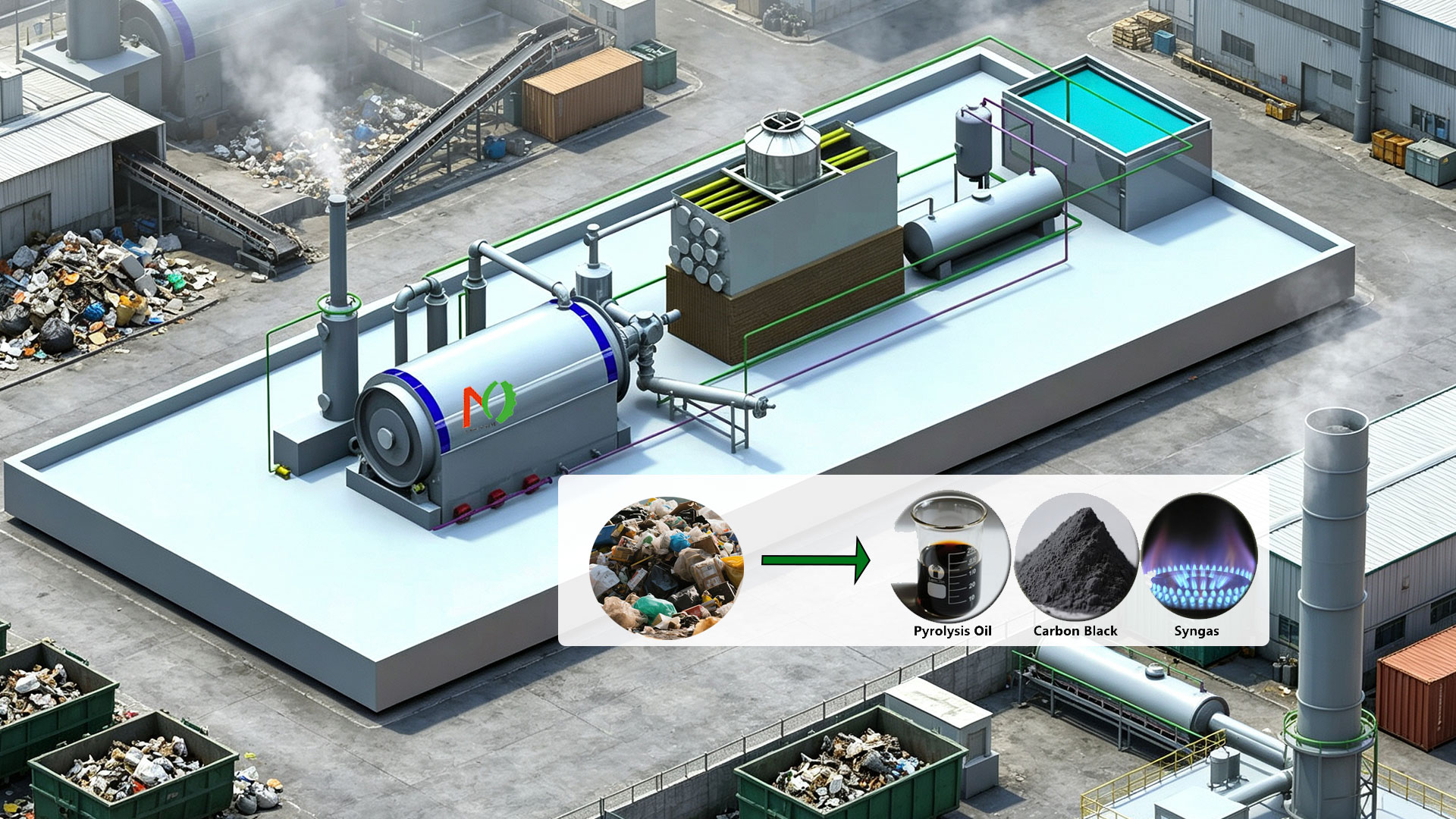
Pyrolysis of municipal solid waste utilizes a sophisticated technical process. The system heats solid waste to very high temperatures. This thermal decomposition occurs in a low-oxygen environment. The reactor effectively breaks down complex organic materials. This process reduces the volume of municipal waste significantly. It also lowers the total weight of the garbage. This extreme reduction releases land value for other uses. The reactor converts solid waste into several useful outputs. These products include pyrolysis oil and high-energy syngas. Carbon black also remain after processing. Municipal Waste Pyrolysis recovers space once reserved for trash. Cities can use this reclaimed land for housing.
The pyrolysis technology handles diverse organic waste materials easily. It processes plastics, tires, and industrial oil sludge. It also manages medical waste and E-waste safely. Modern MSW pyrolysis plants even recycle wind turbine blade waste. This flexibility helps megacities manage complex waste streams. Traditional disposal methods require sprawling industrial footprints. Municipal Solid Waste Pyrolysis plants utilize very compact designs. This small size allows for better urban zoning. Planners can place plants within existing industrial parks. This reduces the distance for trash transit significantly. Keeping waste processing local saves time and money. It turns a logistics nightmare into a streamlined operation.
Technical Advantages Over Direct Waste Incineration
Pyrolysis of municipal solid waste offers clear benefits over incineration. Direct burning produces high levels of harmful dioxins. It also releases significant amounts of NOx and SO2. Pyrolysis creates a much cleaner emission profile overall. The oxygen-deficient process prevents heavy smoke formation. Syngas from this process has a higher energy value. It outperforms syngas produced through standard gasification methods. Pyrolysis oil serves as a stable industrial fuel. The entire operation happens within fully sealed units. This containment is critical for safety in populated areas. It provides a safer way to manage urban waste. Residents enjoy better air quality near these plants.
Converting Urban Solid Waste into High Value Products
Municipal Solid Waste MSW Pyrolysis plants recovers oil from waste plastics. It also extracts fuel from old rubber tires. Pure PE and PP materials give excellent yields. These plastics offer between 70% and 80% oil content. This means you get 800 kg per ton. A specialized distillation plant upgrades this raw oil. It produces bright non-standard diesel for industrial use. This fuel powers generators and large cargo ships. It also works in heavy-load low-speed diesel engines. Carbon black serves as another high-value byproduct here. It provides secondary income for various municipal projects. The revenue helps offset the costs of waste management.
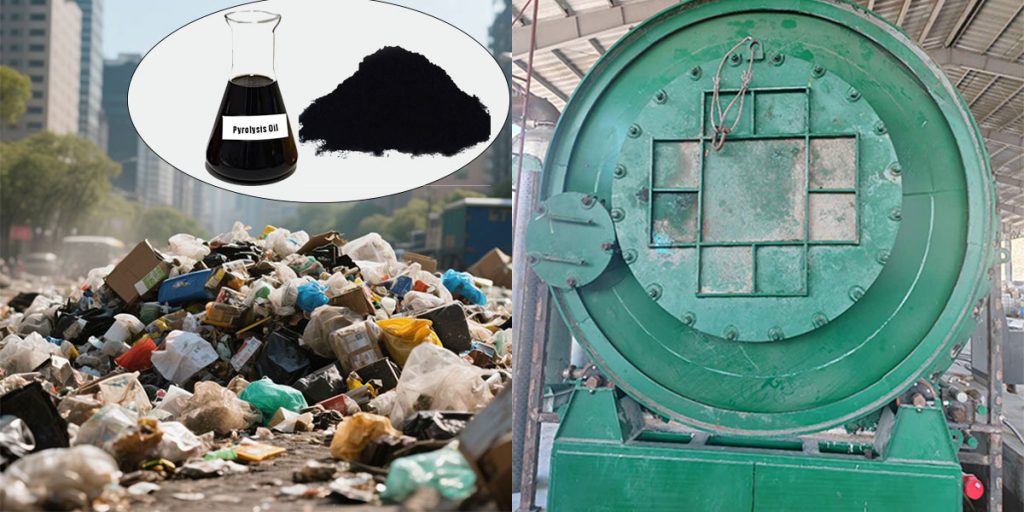
Investors see high returns from this advanced technology. Waste ceases to be a simple municipal expense. It becomes a source of premium industrial products. Pyrolytic carbon black can be used as a filler in the rubber industry and is also widely applied in the fields of wires and cables, plastics, refractory materials etc.
Syngas can heat the reactor during the daily operation. This feature reduces the need for external fuels. Pyrolysis oil distillation realizes efficient waste oil utilization. It separates useful fuels from various environmental pollutants. This creates a profitable circular economy model locally. Municipal Waste Pyrolysis drives green economic growth. It turns urban trash into tangible industrial assets.
Flexible Pyrolysis Solutions for Different Processing Scales
Mingjie provides three distinct levels of pyrolysis equipment. Batch pyrolysis plants suit small-scale urban operations. They process between 2 and 15 tons daily. These units require lower initial investment costs. They offer high slag discharge efficiency for operators. Semi-continuous MSW pyrolysis plants handle medium waste volumes effectively. These systems process up to 12 tons of plastic daily. They use automatic feeding systems for high temperatures. This saves significant time during each daily cycle. Fully automatic plants manage the largest urban loads. They process up to 40 tons of material daily. These units run for 24 hours straight.
Small cities often prefer compact skid-mounted designs. These units occupy a very small footprint indeed. They are easy for local teams to install. Large megacities require fully automatic continuous systems. These setups include specialized crushing and drying tools. Continuous operation ensures waste never piles up nearby. Municipal Waste Pyrolysis systems adapt to specific city needs. They provide scalable solutions for modern waste management. The equipment works for diverse organic waste materials. This includes biomass, tires, and thick oil sludge. Each machine type ensures a clean working environment. They integrate well into modern urban industrial zones.
Ensuring Sustainable Operations in Populated Areas
Environmental safety remains a top priority for cities. Pyrolysis of municipal solid waste uses fully enclosed systems always. This prevents foul odors and leaks from escaping. The operating environment stays clean for city workers. Water-cooled systems manage the slag discharge process. This prevents the release of hazardous fly ash. Pre-sorting helps the machine perform at its peak. Operators first remove glass, metal, and heavy stones. This ensures the equipment lasts for many years. It also improves the quality of the outputs. Mingjie pyrolysis plants and distillation plants have obtained CE and ISO certificates. Masters with 20 years of experience build these machines.
Mingjie provides a comprehensive 12-month system guarantee. This covers any problems caused by quality issues. Technical experts resolve equipment concerns very quickly. This support builds confidence for municipal leaders globally. Municipal Waste Pyrolysis is a globally proven technology. It has been implemented in over 30 countries. More than 200 customers use these customized solutions. The systems are built for long-term urban use. Regular maintenance keeps the plants running perfectly daily. Weekly checks ensure the wearing parts stay functional. Monthly cleaning further protects the total industrial investment. Automation reduces human error during waste processing significantly.
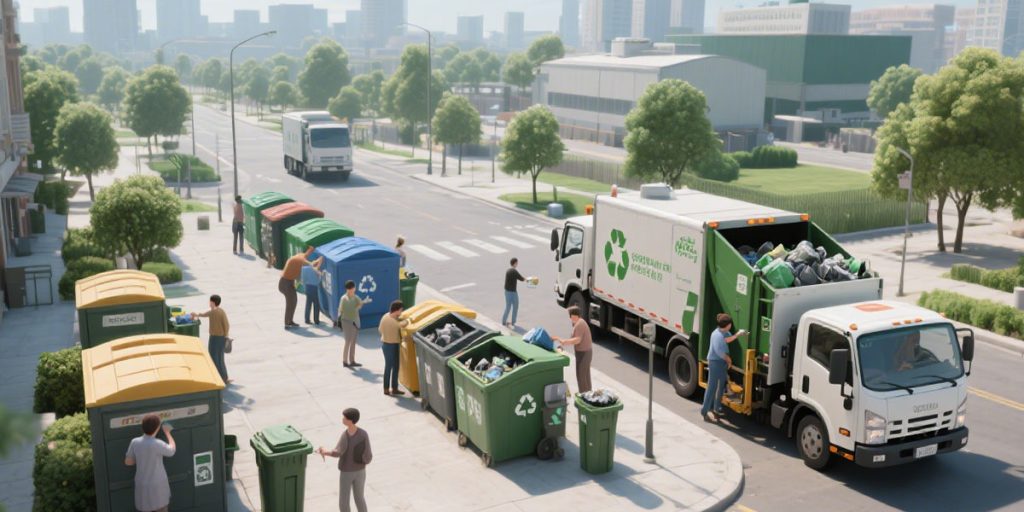
Pyrolysis of municipal solid waste creates sustainable urban growth today. It turns waste into a valuable renewable resource. This technology solves the growing crisis of land. It reduces the heavy burden of landfills. Cities can now achieve a true closed loop. They transform urban trash into energy and fuel. This approach protects valuable land for future residents. It supports the health of the local environment. Municipal Waste Pyrolysis represents the future of management. It provides a realistic path for modern megacities. Urban planners must embrace this thermal technology now. It is the best way to save land.
Sustainable development requires innovative environmental solutions now. The current model of burying waste fails cities. Thermal decomposition offers a technically proven alternative today. It recovers value from every single ton of trash. This change alters the economic reality of waste. Cities become more resilient and self-sufficient quickly. They produce their own fuels and biochar products. This reduces the carbon footprint of the city. Pyrolysis of municipal solid waste stands as a primary solution. It is the key to modern urban conservation. This technology will define the green cities of tomorrow. We must prioritize these advanced systems.