Global climate markets demand reliable sequestration methods today. Carbon credits represent a primary financial instrument for ESG goals. A continuous biochar production plant drives high-volume carbon removal. This technology converts organic waste into durable carbon sinks. Verification registries now prioritize methods with high permanence. Biochar stays in the soil for several centuries. Investors value the transparency of this industrial process. Strategic carbon removal requires advanced pyrolysis infrastructure. We help developers transform environmental liabilities into profitable assets. This model ensures both financial returns and climate impact. Modern enterprises use a continuous biochar production plant to achieve verified net-zero targets. Secure technology facilitates long-term participation in the global carbon economy.
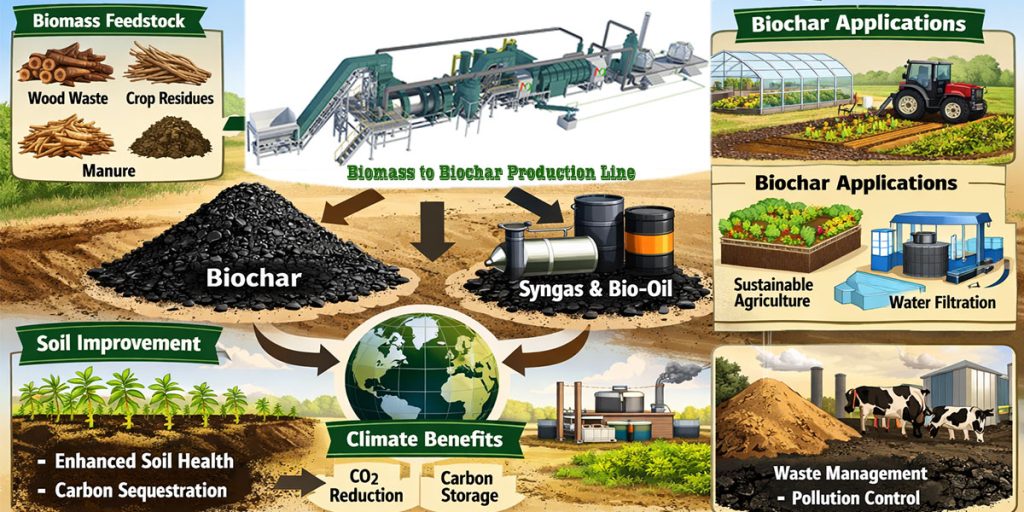
Understanding the Mechanics of Biochar Carbon Sequestration
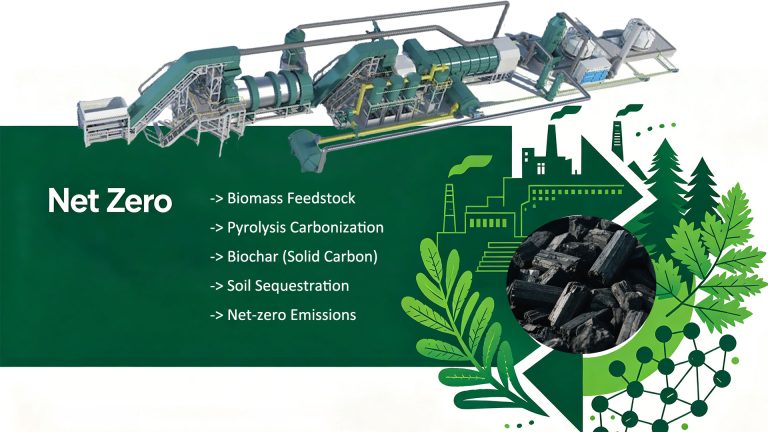
Pyrolysis occurs in an oxygen-deficient environment to stop combustion. The reactor reaches high temperatures to carbonize biomass. This process locks carbon into a solid, porous structure. It prevents the release of CO2 into the atmosphere. A continuous biochar production plant maintains precise thermal control. This precision ensures consistent carbonization for every ton processed. Stable biochar provides the permanence required by Verra and Puro.earth. High-tier registries demand this level of technological reliability. Developers rely on a continuous biochar production plant for rigorous MRV protocols. Reliable data collection proves the additionality of every project. Accurate monitoring helps mitigate financial risks for global investors. Consistent output quality satisfies strict international certification standards.
Emission Control and Environmental Permit Readiness
Industrial pyrolysis generates significantly fewer pollutants than direct incineration. This method produces fewer dioxins, NOx, and SO2 emissions. This clean profile simplifies environmental permitting in North America and Europe. A continuous biochar production plant uses an emission purification system. This system meets strict global environmental standards for air quality. The process also generates high-energy syngas for internal use. This syngas often carries more energy than gas from traditional gasification. Operators use this gas to heat the main reactor. A continuous biochar production plant reduces the need for external fossil fuels. Circular energy models lower the overall operational costs. Clean technology protects the project’s reputation and compliance status. Efficient filtration ensures the site remains safe for the surrounding community.
Technical Superiority of the Continuous Biochar Production Plant
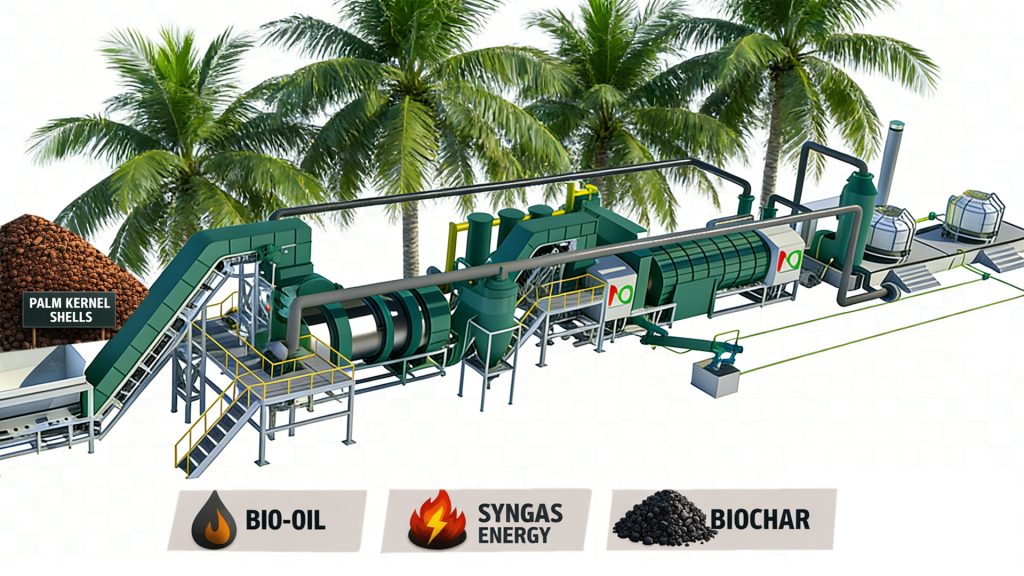
Fully automatic systems offer the best efficiency for large-scale projects. A continuous biochar production plant operates 24 hours a day. It features a water-cooled discharge system for high-temperature output. This mechanism prevents fly ash and keeps sites clean. Large units handle 30 to 50 tons of biomass daily. These machines process materials like bamboo and wood chips rapidly. Continuous feeding ensures a steady stream of verified biochar. A continuous biochar production plant increases the annual volume of carbon credits. Industrial scale is essential for meeting corporate climate targets. Automated machines reduce labor costs while improving operational safety. Investors achieve faster payback periods with these high-capacity systems. Seamless operation maximizes the total annual carbon sequestration totals.
Manufacturing Quality and Industrial Bankability
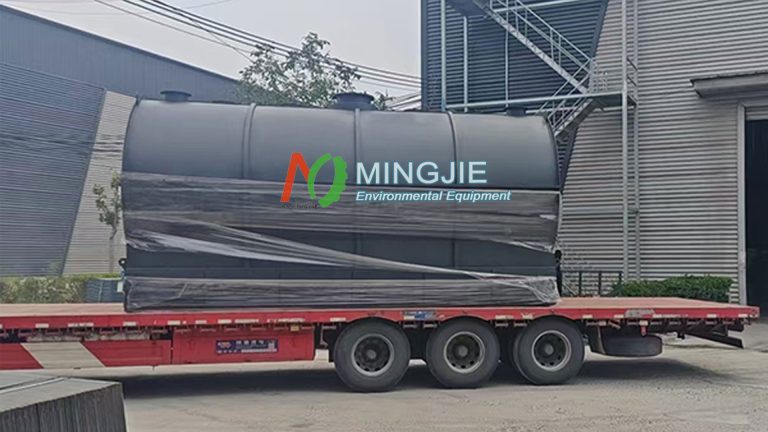
Investors require equipment from stable and experienced manufacturers. Mingjie Group operates a 12,000 square meter CNC workshop. This facility ensures precision in every component of the plant. Masters with over 20 years of experience lead the production. This industrial foundation provides the bankability that financiers demand. A continuous biochar production plant carries both CE and ISO certifications. These standards confirm the quality and safety of the machinery. Global expertise reduces the technical risk for new carbon projects. Reliable manufacturing supports long-term project viability and credit delivery. A continuous biochar production plant from a reputable source ensures durability. Experienced engineers provide customized solutions for diverse site requirements. Strong technical support protects the investment throughout its lifecycle.
Maximizing Yield with Diverse Biomass Feedstocks
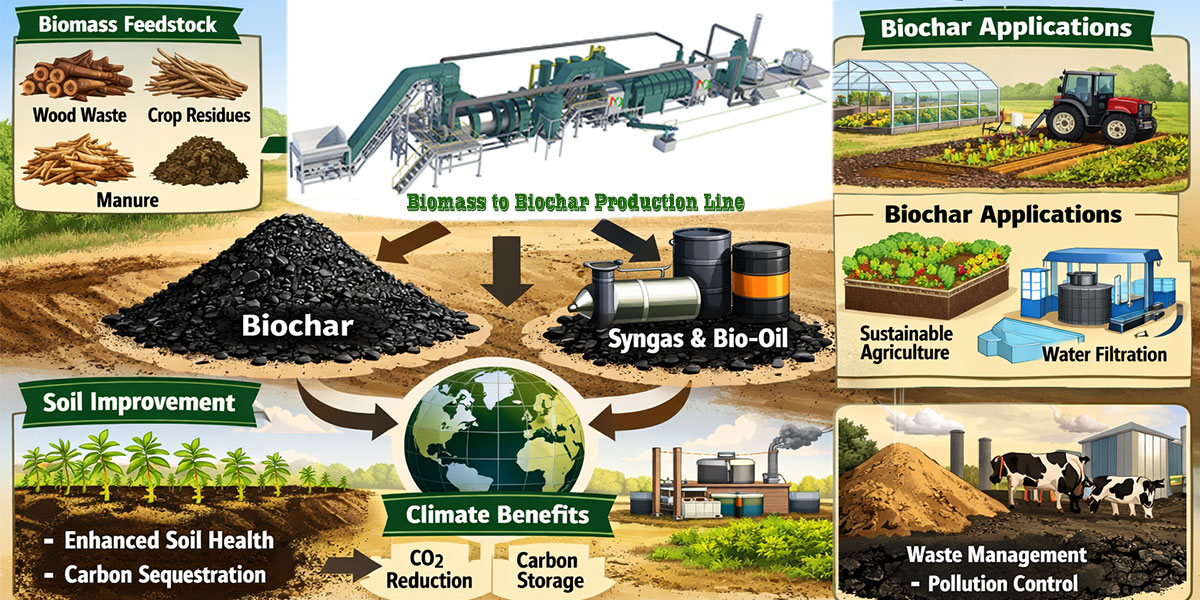
Project developers must adapt to various local organic waste streams. A continuous biochar production plant processes wood, straw, and rice husks. It also handles “liability feedstocks” like municipal solid waste and sludge. Transforming waste into assets improves the project’s financial profile. High-yield production allows for rapid scaling across different regions. The machinery manages raw materials with up to 65% moisture. Integrated drying systems prepare wet biomass for efficient carbonization. A continuous biochar production plant can process different material sizes effectively. Small skid-mounted machines serve as ideal verification units for pilots. These portable units confirm yield before full-scale industrial deployment. Flexible feedstock options maximize the total carbon sequestered globally. Diverse material compatibility ensures a steady supply of raw inputs.
Economic Synergy of Biochar Sales and Carbon Credits
The dual-revenue model creates a robust financial hedge for investors. Revenue comes from selling high-quality biochar and carbon credits. Biochar sells as a soil conditioner or fertilizer carrier. Some operators refine products into high-grade activated carbon. A continuous biochar production plant increases the return on investment. Developers can also link pyrolysis with oil distillation systems. Distillation converts liquid by-products into non-standard diesel or gasoline. This total resource recovery model supports a circular economy. A continuous biochar production plant generates multiple income streams. These streams protect the project against market volatility. Profitable waste management drives sustainable development in emerging markets. Economic viability ensures the long-term success of carbon removal initiatives.
Operational Efficiency and Maintenance for Long-Term Profit
Maintenance protocols ensure the plant delivers consistent annual sequestration volumes. A continuous biochar production plant requires periodic technical inspections. For plastic processing, operators should check the machine twice monthly. Regular lubrication and part checks extend the reactor’s lifespan significantly. The sealed operating environment prevents contamination and enhances site safety. Proper maintenance prevents costly downtime during the carbonization cycle. A continuous biochar production plant benefits from professional after-sales support. Consistent operation secures the steady flow of carbon offset data. Long-term profit depends on the reliability of the industrial equipment. Professional maintenance keeps the system at peak performance. Efficient waste handling creates a cleaner and more productive workplace. High uptime maximizes the number of carbon credits earned annually.
Scaling Sequestration Projects for Global Impact
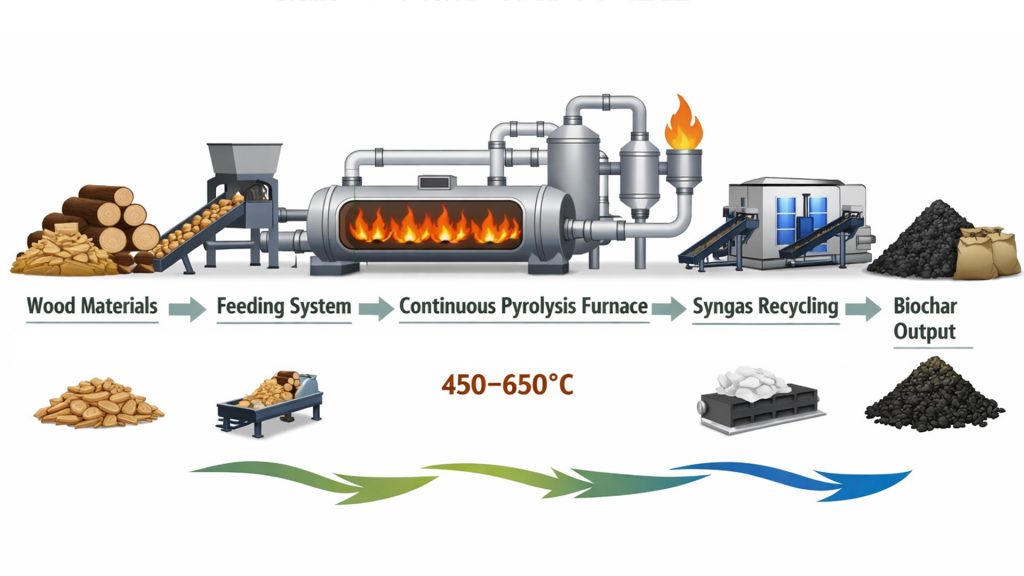
Scaling carbon sinks requires a proven track record across climates. Mingjie Group has implemented projects in more than 30 countries. Successful installations exist in South Africa, Iraq, and the Philippines. A continuous biochar production plant adapts to local waste types easily. For example, bamboo projects in the Philippines revitalize local economies. Large-scale projects in South Africa manage vast forestry residues. These examples show the geographic adaptability of the pyrolysis technology. A continuous biochar production plant meets the needs of 200+ global customers. Moving from small pilots to industrial scale maximizes climate impact. Global deployment is the key to achieving net-zero goals. Industrial-scale machinery provides the volume needed for global significance. Broad implementation supports a truly sustainable and circular global economy.
The Future of Sustainable Waste-to-Energy Models
Pyrolysis technology bridges the gap between waste and climate finance. Turning biomass into biochar is a proven carbon removal strategy. A continuous biochar production plant remains central to this transition. Future projects will likely integrate more resource recovery steps. This includes turning waste oil into fuel through distillation. Circular economy models increase the efficiency of global carbon sinks. This technology transforms local environmental burdens into global assets. Investors now view carbon sequestration as a stable asset class. The demand for a continuous biochar production plant continues to grow. Sustainable waste-to-energy models offer a clear path forward. Advanced machinery ensures that climate action remains a profitable venture. Continued innovation will improve carbonization efficiency and global sequestration rates.
Achieving Long-Term Environmental Restoration
Adopting advanced pyrolysis ensures financial success and environmental restoration. A continuous biochar production plant provides the necessary industrial capacity. It allows for the permanent removal of atmospheric carbon dioxide. Global regulations increasingly favor technologies with high data transparency. Industrial-scale biochar production meets the needs of modern carbon markets. This approach proves that profitability and sustainability are compatible. Investing in a continuous biochar production plant secures a lead. The future of the planet relies on efficient waste conversion. Professional developers use these plants to lead the climate transition. Every ton of biochar produced represents a victory for the environment. Robust technology makes global carbon neutrality a reachable goal. High-quality machinery remains the foundation of a greener future.