The invisible burden of industrial oil waste
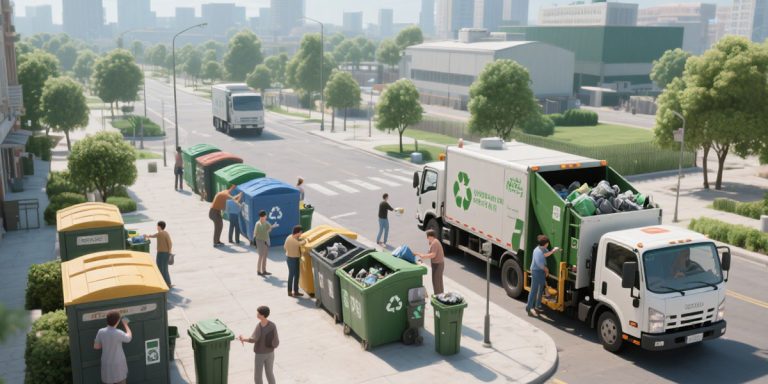
Oil fields and modern industrial sectors generate massive volumes of hazardous oil sludge daily. These mountain-high waste piles create significant environmental challenges for operators around the world. Untreated sludge poses a severe and direct threat to local ecosystems and human health. Furthermore, this waste increases corporate liability and operational risks for industrial players every year. Companies face rising costs for waste management alongside potential legal fines from regulatory agencies. Oil sludge pyrolysis offers the most definitive technological solution for these pressing industrial problems.
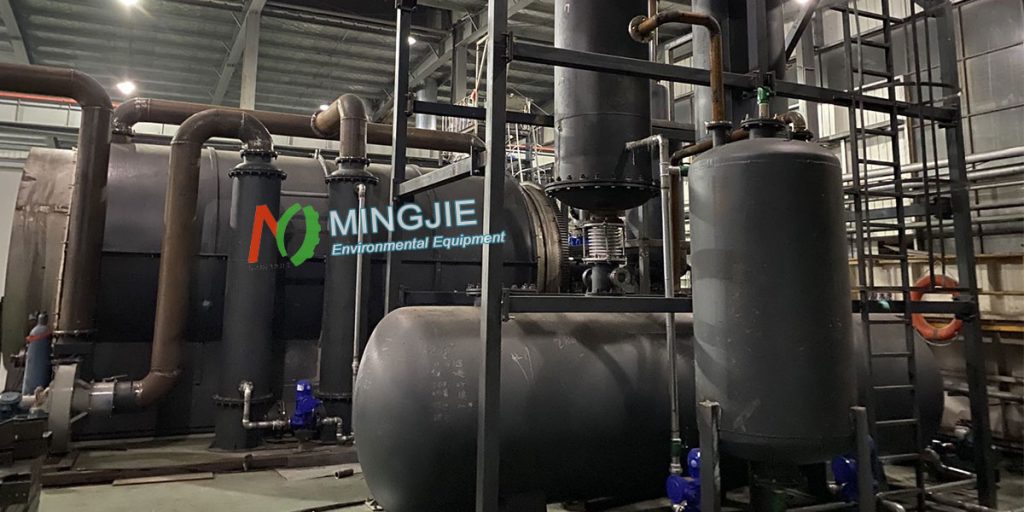
This advanced process successfully turns hazardous waste into a highly profitable resource for companies. It addresses the massive burden of waste through efficient and reliable thermal decomposition. Modern facilities now utilize this technology to achieve meaningful sustainable development goals. Oil sludge pyrolysis effectively bridges the technical gap between waste disposal and industrial energy production.
The environmental hazards of traditional disposal
Traditional disposal methods like biomass incineration create many hidden dangers for the surrounding environment. Direct combustion often releases harmful gases and thick smoke into the local atmosphere. Landfilling or open-air storage also leads to catastrophic environmental costs for industrial operators. These outdated methods often cause severe soil and water contamination over several decades. In contrast, the process of oil sludge pyrolysis occurs within a low-oxygen environment. This specific technical environment prevents the generation of many harmful atmospheric emissions during treatment.
The controlled process produces significantly fewer dioxins than direct incineration or open burning. It also drastically reduces the emission of NOx and SO2 from the waste. This ensures a much cleaner footprint for every industrial waste treatment project. Modern oil sludge pyrolysis equipment protects the surrounding environment through technical precision and safety.
Economic impacts of inefficient waste management
Inefficient waste management costs companies far more than just standard environmental fines. Untreated sludge contains valuable hydrocarbons that companies often simply throw away during disposal. This represents a massive loss of potential revenue for all global industrial operators. Oil sludge pyrolysis enables the effective recovery of these valuable financial assets for the enterprise. The concept of waste to energy drives rapid economic recovery for many industrial players.
Proper handling through oil sludge pyrolysis reduces long-term treatment and expensive storage costs. It eliminates the constant need for expensive landfills and specialized waste transport services. Investors obtain high returns by selling recovered fuels and high-quality carbon products. This technology transforms a high-cost industrial liability into a high-value corporate asset. It promotes a functional circular economy within the global industrial sector. Use oil sludge pyrolysis to capture hidden value from existing waste streams today.
How sealed oil sludge pyrolysis functions
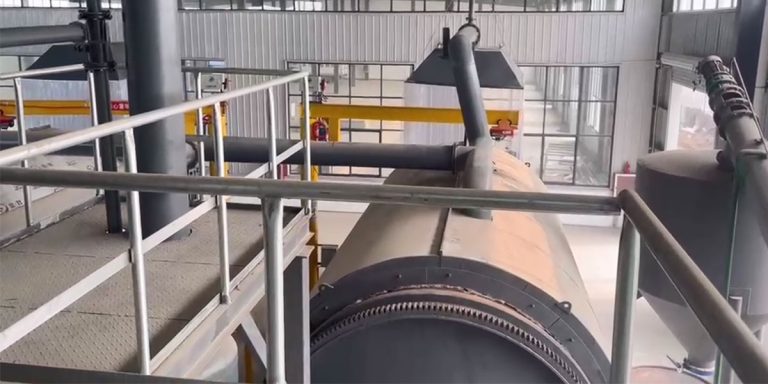
The oil sludge pyrolysis process involves precise thermal decomposition at high temperatures. The system operates within a strictly low-oxygen environment to ensure maximum safety. Mingjie reactors typically reach an optimal operating temperature of exactly 420 ℃ during production. This specific temperature ensures the complete decomposition of various complex organic materials. The fully sealed nature of the plant effectively prevents all environmental leaks. The process remains completely enclosed from initial feeding all the way to slag discharge. This sealed design is critical for preventing fly ash within the industrial workshop. It maintains a clean and safe operating environment for all technical staff.
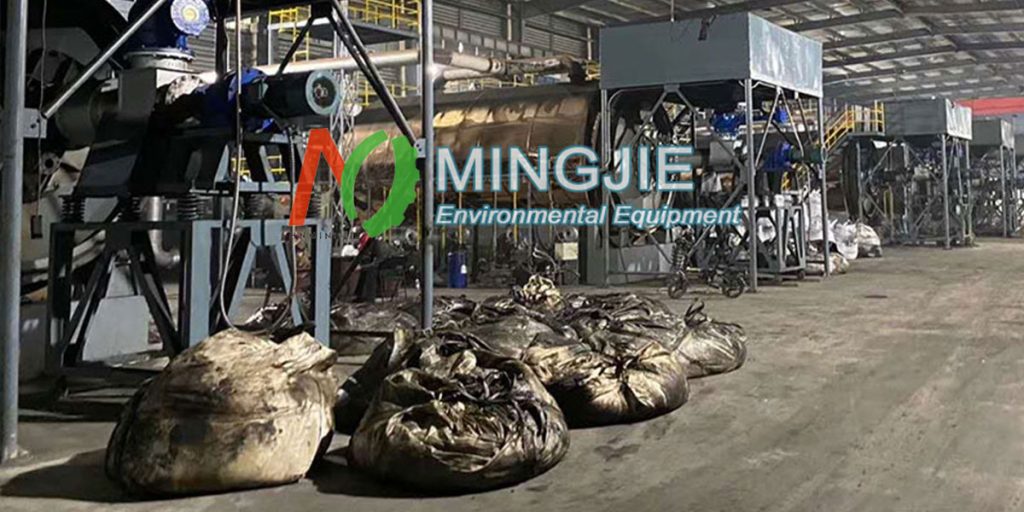
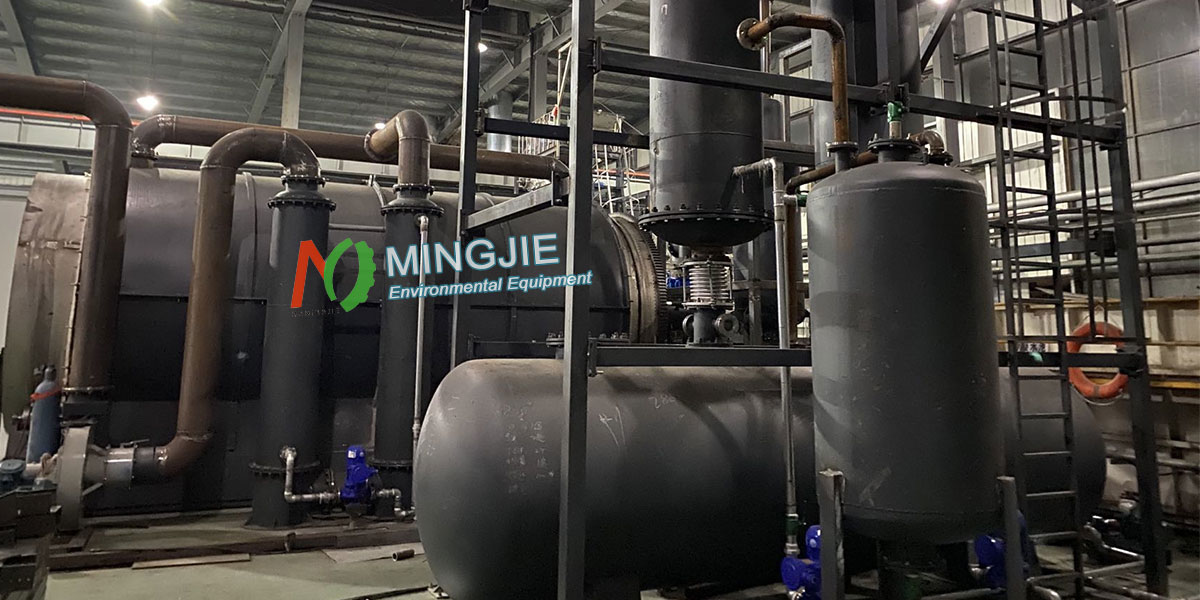
Oil sludge pyrolysis equipment handles hazardous solids with extreme precision and mechanical efficiency. It provides a technical solution that strictly meets modern international industrial standards. Consequently, the sealed system protects both the environment and the operator.
Transitioning from waste to high-purity fuel oil
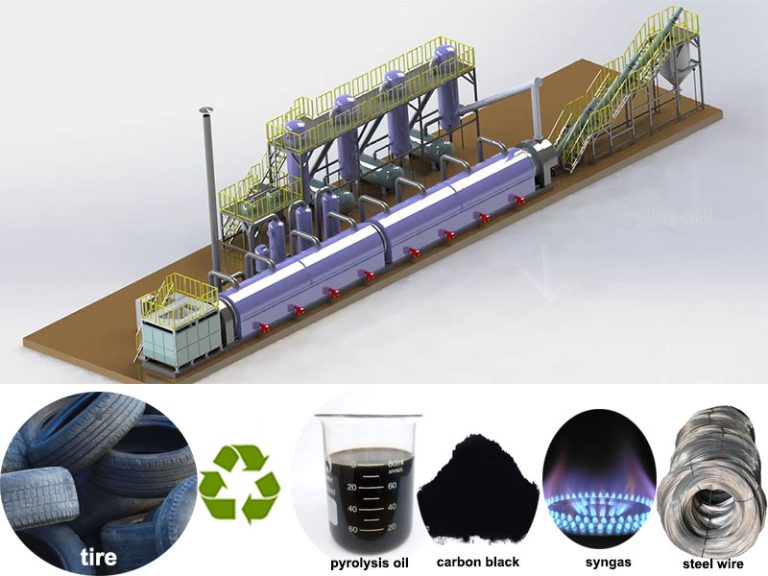
Oil sludge pyrolysis transforms hazardous solids into several high-value industrial outputs. These valuable products include pyrolysis oil, carbon black, and flammable syngas for energy. The system converts waste into products perfectly suitable for secondary sale on the market. Investors can sell the resulting fuel oil to various industrial users for a profit. Pyrolysis oil serves as an excellent fuel source for large-scale industrial boilers. It also provides a reliable heating source for different manufacturing and processing plants. The high calorific value makes these products effective alternatives to traditional fossil fuels.
Carbon black from oil sludge pyrolysis can also be pressed into fuel briquettes. It serves as a vital filler in the rubber and plastic manufacturing industries. This transition successfully maximizes the value of every ton of processed hazardous sludge. Oil sludge pyrolysis creates a sustainable loop of resource recovery for modern companies.
Refining outcomes with oil sludge treatment plant technology
The oil sludge pyrolysis plant works perfectly with advanced distillation technology. Raw pyrolysis oil often requires further purification for specific high-end applications. A Pyrolysis Oil Distillation Plant separates and purifies the raw liquid effectively. This equipment produces bright non-standard diesel or high-grade non-standard gasoline. These refined products have a wide range of important industrial and commercial applications. Diesel generators and large ships utilize this high-grade distilled oil for power.
Heavy-load and low-speed engines also benefit from this purified and high-quality fuel. The distillation process removes remaining impurities and pollutants from the raw oil. It enhances the overall quality and the potential market value of the output. Oil sludge pyrolysis combined with distillation offers a complete and integrated resource recovery solution. This technical combination ensures the highest possible returns for waste treatment projects.
Comparing batch vs. continuous pyrolysis systems
Companies choose between batch and continuous oil sludge pyrolysis systems based on their capacity needs. Batch plants typically process between 2 and 15 tons of material every day. These systems suit small-scale projects with lower initial investment costs for the operator. Operators must reload the reactor after each individual 20-hour batch cycle finishes. Semi-continuous systems offer larger capacities of approximately 12 to 16 tons per day. Fully automatic oil sludge pyrolysis plants handle 35 to 40 tons of waste every single day. These large systems operate continuously for 24 hours without any stopping for cooling. They utilize high-temperature slag discharge to save significant time and operational energy.
Water-cooled automatic discharge systems ensure high efficiency and no fly ash during production. Fully automatic systems provide the best solution for large-scale industrial oil sludge pyrolysis projects. These plants maximize throughput while minimizing the labor required for daily operation.
Why Mingjie Group leads in pyrolysis innovation
Mingjie Group serves as a leading global manufacturer of high-quality oil sludge pyrolysis equipment. The company operates a massive 12,000 square meter CNC workshop for precision manufacturing. Their masters possess over 20 years of experience in equipment production and engineering. This deep expertise ensures the delivery of high-quality and reliable industrial machinery. Mingjie employs a research and development team composed of senior engineers and experts. They have provided customized environmental solutions to over 200 customers globally. Their projects span more than 30 countries across every major continent.
Every oil sludge pyrolysis plant comes with a comprehensive 12-month quality guarantee. The company resolves any quality-related issues at its own cost for the customer. This deep commitment to service builds long-term trust with every industrial partner. Mingjie continues to reduce environmental pollution through proven and innovative oil sludge pyrolysis technology.
The transition from untreated waste to profitable resource recovery is now possible. Oil sludge pyrolysis solves the catastrophic costs associated with traditional waste disposal methods. It provides a clean, efficient, and highly profitable industrial solution for operators. Companies can obtain high returns while solving critical environmental problems simultaneously. Choosing a reliable manufacturer like Mingjie Group ensures long-term project success and stability. Their technically and commercially proven machinery offers the best results for various sludge types.
Investing in oil sludge pyrolysis secures a sustainable and profitable future for the sector. It turns hazardous pollutants into valuable energy and raw materials for the market. This technology represents the future of responsible and profitable industrial waste management. Apply the innovation of oil sludge pyrolysis today to protect the environment and your profits. Contact Mingjie Group to begin your journey toward sustainable resource recovery and efficiency.