Medical waste accumulation poses lethal threats during armed conflicts or pandemics. Traditional disposal systems often collapse under these extreme stresses. A Medical Waste Pyrolysis Plant provides a resilient method to eliminate biohazards safely. This technology utilizes thermal degradation to neutralize waste without dangerous open burning. These specialized systems transform hazardous debris into essential energy products for local recovery. Our analysis explores how advanced pyrolysis infrastructure secures public health in unstable environments. Rapid-response teams prioritize these systems to prevent secondary infections. High-tech equipment ensures that biological threats do not compromise relief efforts. We examine the engineering advantages of this mobile waste solution.
The Critical Need for Safe Disposal in Crisis Zones
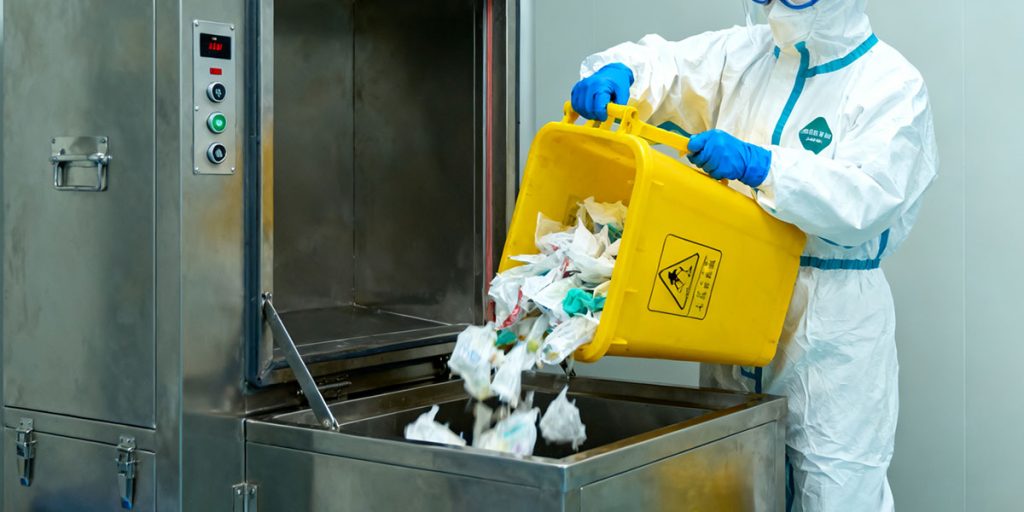
Crisis zones generate staggering volumes of hazardous medical waste every day. This stream includes contaminated PPE, bandages, syringes, and aluminized paper packaging. Leaving these items untreated invites catastrophic secondary health disasters for local populations. A Medical Waste Pyrolysis Plant offers an immediate frontline solution for these hazards. Pathogens cannot survive the intense thermal dissociation within the internal reactor. This localized treatment stops the spread of disease in dense refugee settings. Reliable disposal remains a tactical priority for maintaining sanitation during emergencies. Proper management with a Medical Waste Pyrolysis Plant protects medical staff and civilians.
Untreated bio-waste quickly contaminates local water sources and surrounding soil. This creates persistent environmental liabilities that outlast the initial crisis period. Field hospitals require waste solutions that operate independently of destroyed local utilities. A Medical Waste Pyrolysis Plant offers the necessary autonomy for rapid-response medical teams. The equipment processes complex organic materials found in modern clinical settings. These include diverse plastics, rubber components, and contaminated waste cables. Modern systems facilitate on-site treatment to eliminate the risks of hazardous transport. Rapidly deploying a Medical Waste Pyrolysis Plant saves lives by isolating toxic materials.
Comparing Traditional Incineration and Pyrolysis Technology
Open-air burning releases toxic gases like dioxins and NOx into the atmosphere. Traditional incineration often fails to control emissions of SO2 and particulate matter. A Medical Waste Pyrolysis Plant uses an oxygen-deficient process to prevent these hazards. This thermal environment inhibits the formation of acidic gases and airborne toxins. Comparisons prove the technical superiority of pyrolysis for high-stakes crisis management. A Medical Waste Pyrolysis Plant maintains a strictly closed loop for all materials. It provides a safer environment for workers in congested urban ruins. Environmental engineers select this technology to preserve air quality during active missions.
Standard combustion methods produce high volumes of fly ash and toxic residue. This residue requires complex secondary containment to prevent further site contamination. A Medical Waste Pyrolysis Plant generates stable biochar and fuel oil instead. The process occurs inside a hermetically sealed and computer-monitored environment. Lack of oxygen prevents the actual ignition of hazardous chemical compounds. This technical design makes a Medical Waste Pyrolysis Plant cleaner than standard incinerators. The systems meet rigorous international safety standards even in decentralized field operations. Choosing pyrolysis technology mitigates the long-term ecological impact of emergency relief.
Technical Advantages of the Medical Waste Pyrolysis Plant
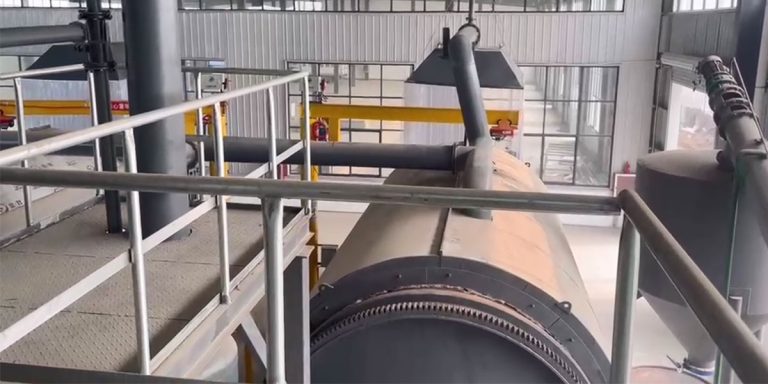
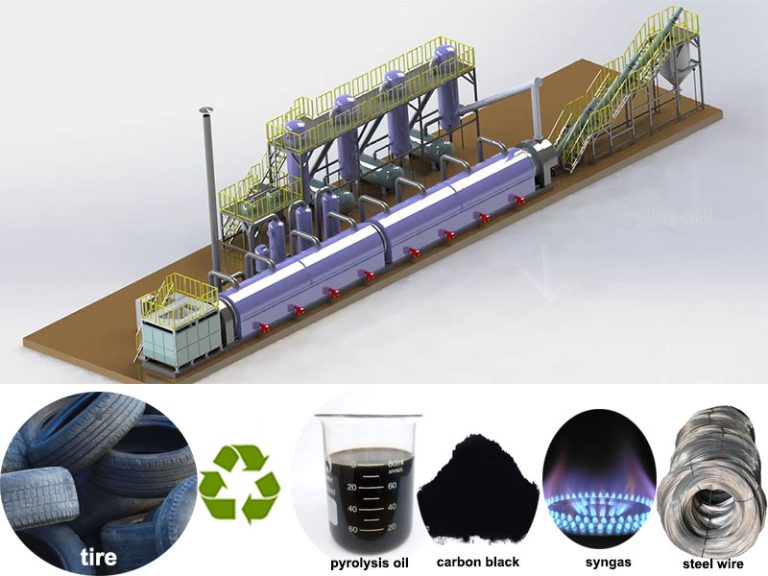
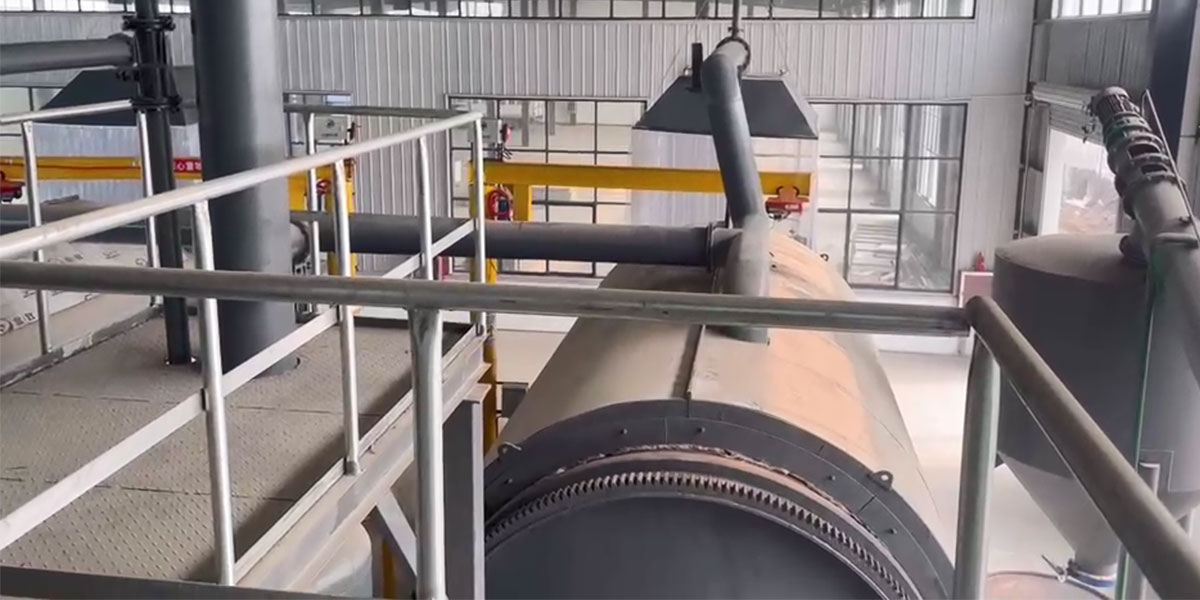
A Medical Waste Pyrolysis Plant operates by heating materials within a specialized reactor. This thermal degradation occurs at temperatures reaching 420 °C in the chamber. High heat severs molecular bonds without introducing oxygen into the system. This process reduces the total mass and volume of medical waste dramatically. A Medical Waste Pyrolysis Plant processes varied inputs including PE and PP plastics. The machine features a sealed operation to block any environmental leaks. This ensures a sterile and safe workspace for all technical operators. Rapid processing cycles allow engineers to manage waste surges with high efficiency.
Engineers planning logistics must account for the specific operational timelines of equipment. The MJ-2 Medical Waste Pyrolysis Plant completes a full cycle within 20 hours. This includes 20 minutes for feeding and five hours of active pyrolysis. The system then requires four hours for reactor cooling before carbon discharge. Systematic 20-hour intervals allow for predictable waste management schedules in field hospitals. Efficient slag discharge systems keep the plant operational around the clock. Modern designs use water-cooled automatic mechanisms to remove solid by-products. A Medical Waste Pyrolysis Plant ensures continuous performance during peak crisis periods.
Resource Recovery and Energy Self-Sufficiency
A Medical Waste Pyrolysis Plant converts waste plastics into high-energy pyrolysis oil. It also generates combustible syngas during the thermal decomposition stage. Operators recycle this syngas to heat the reactor during the next cycle. This self-sustaining feature minimizes the need for scarce external fuel supplies. A Medical Waste Pyrolysis Plant performs reliably in zones with severed power grids. The raw pyrolysis oil serves as fuel for industrial boilers or heaters. It provides a strategic energy reserve for lighting and refrigeration systems. Resource recovery transforms a hazardous liability into a critical power asset.
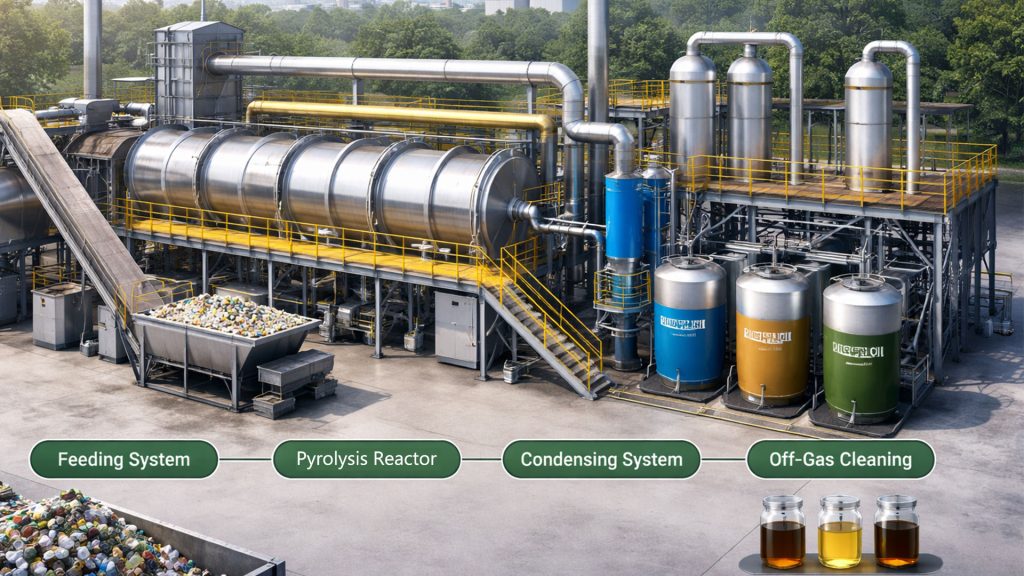
Fuel Oil Recovery via Waste Plastic Pyrolysis Plant, High-quality plastic waste like PP and PE yields up to 80% fuel oil. This means one ton of waste generates 800 kilograms of oil. Operators can refine this raw product using a Pyrolysis Oil Distillation Plant. Distillation upgrades low-value raw oil into bright, non-standard diesel for engines. This refined fuel powers heavy-load diesel generators and transport ships. A Medical Waste Pyrolysis Plant creates the feedstock for this localized power generation. It reduces the logistical strain of moving fuel through dangerous corridors. Self-sufficiency increases the overall resilience of independent medical relief missions.
Scalability and Deployment with Mingjie Group Solutions
Henan Mingjie Environmental Protection Equipment Co., Ltd. is a premier global manufacturer. They engineer the Medical Waste Pyrolysis Plant to withstand demanding crisis environments. Mission leaders choose between Batch, Semi-continuous, or Fully Automatic configurations. A Batch Medical Waste Pyrolysis Plant is perfect for localized emergency sites. These units offer low initial investment and high slag discharge efficiency. The skid-mounted design of small units allows for rapid air-transportable deployment. Teams can relocate these mobile machines as the crisis front moves. CE and ISO certifications confirm the industrial reliability of these systems.
Small-scale batch systems handle between 2 and 15 tons of waste daily. This capacity aligns perfectly with the needs of frontline surgical units. Larger operations benefit from a Fully Automatic Medical Waste Pyrolysis Plant. These systems process up to 30 tons of plastics every 24 hours. They maintain continuous feeding and discharging capabilities to maximize throughput. Mingjie Group ensures that all equipment maintains a clean and professional workspace. Their research teams focus on optimizing the technical efficiency of every reactor. A Medical Waste Pyrolysis Plant from Mingjie Group provides a field-tested solution.
Operational Maintenance and Environmental Safety
Reliability in crisis zones depends on rigorous and simple maintenance protocols. Operators of a batch Medical Waste Pyrolysis Plant must conduct weekly inspections. This includes checking all wearing parts and lubricating mechanical moving components. A full monthly maintenance day ensures the reactor remains clean and efficient. These engineering standards prevent unexpected downtime during critical healthcare operations. A Medical Waste Pyrolysis Plant utilizes water-cooled systems to prevent fly ash. This protects the immediate environment from toxic dust during the discharge phase. High-performance seals keep the surrounding air free from dangerous chemical leaks.
A Medical Waste Pyrolysis Plant contributes to a sustainable circular economy model. It transforms dangerous clinical waste into stable, reusable energy and materials. This volume reduction minimizes the burden on local waste management infrastructure. It is an essential tool for protecting environmental health in fragile regions. The Mingjie Group prioritizes safety and performance in every machine they manufacture. A Medical Waste Pyrolysis Plant represents the gold standard for responsible crisis management.
Deploying advanced waste-to-energy technology is essential for protecting vulnerable global populations. Pyrolysis systems manage hazardous clinical streams while generating fuel for survival. Every Medical Waste Pyrolysis Plant provides a logistical advantage in managing public health. Localized disposal prevents the total collapse of sanitation during high-intensity events. This engineering solution converts a dangerous waste problem into a sustainable energy asset. Modern technology ensures that these plants function safely in extreme field conditions. We must utilize high-tech solutions to safeguard humanity and the environment. A Medical Waste Pyrolysis Plant ensures safe and efficient disposal of hazardous healthcare materials.