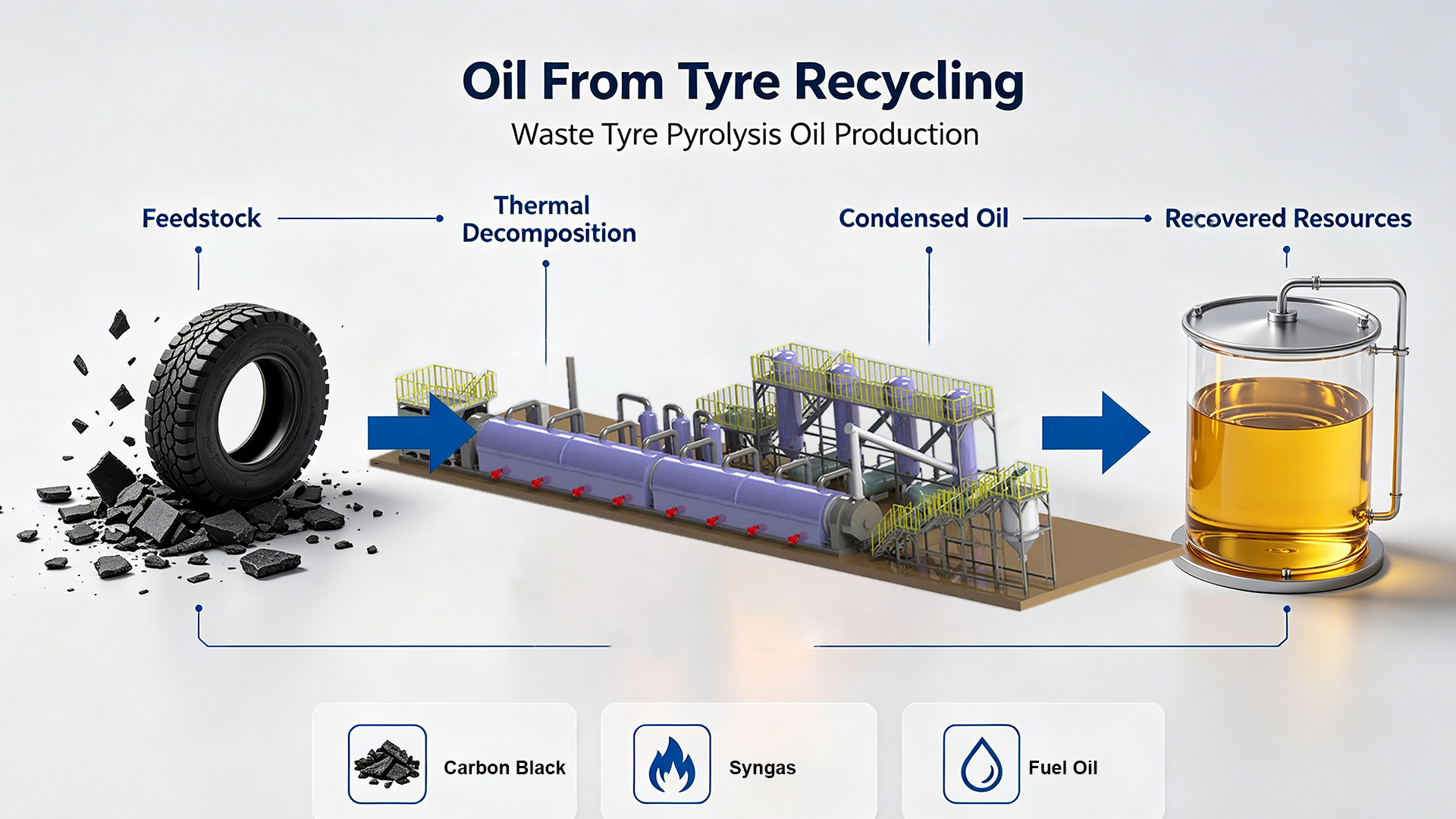
Pyrolysis equipment can extract oil from tyre recycling. Tyre pyrolysis oil is a dark turbid liquid obtained by thermal cracking of waste tyres in isolation from oxygen. It is the core product of waste tyre recycling.
In an oxygen-free or hypoxic environment, pyrolysis equipment heats the tyre to a specific temperature, causing the rubber polymer chains in the tyre to break and decompose into smaller molecules. Eventually the tyre rubber separates in the form of oil, combustible gases and solid carbon black. Tyre oil is the condensed liquid product.
Obtaining Oil From Tyre Recycling Process
The current mainstream process for obtaining oil from tyre recycling is pyrolysis. According to different operation methods, tyre pyrolysis plant is divided into batch pyrolysis plant and continuous pyrolysis plant.
Currently, many waste tyre pyrolysis projects still use batch or semi-continuous pyrolysis equipment. Batch pyrolysis equipment has relatively low investment and strong adaptability to raw materials.
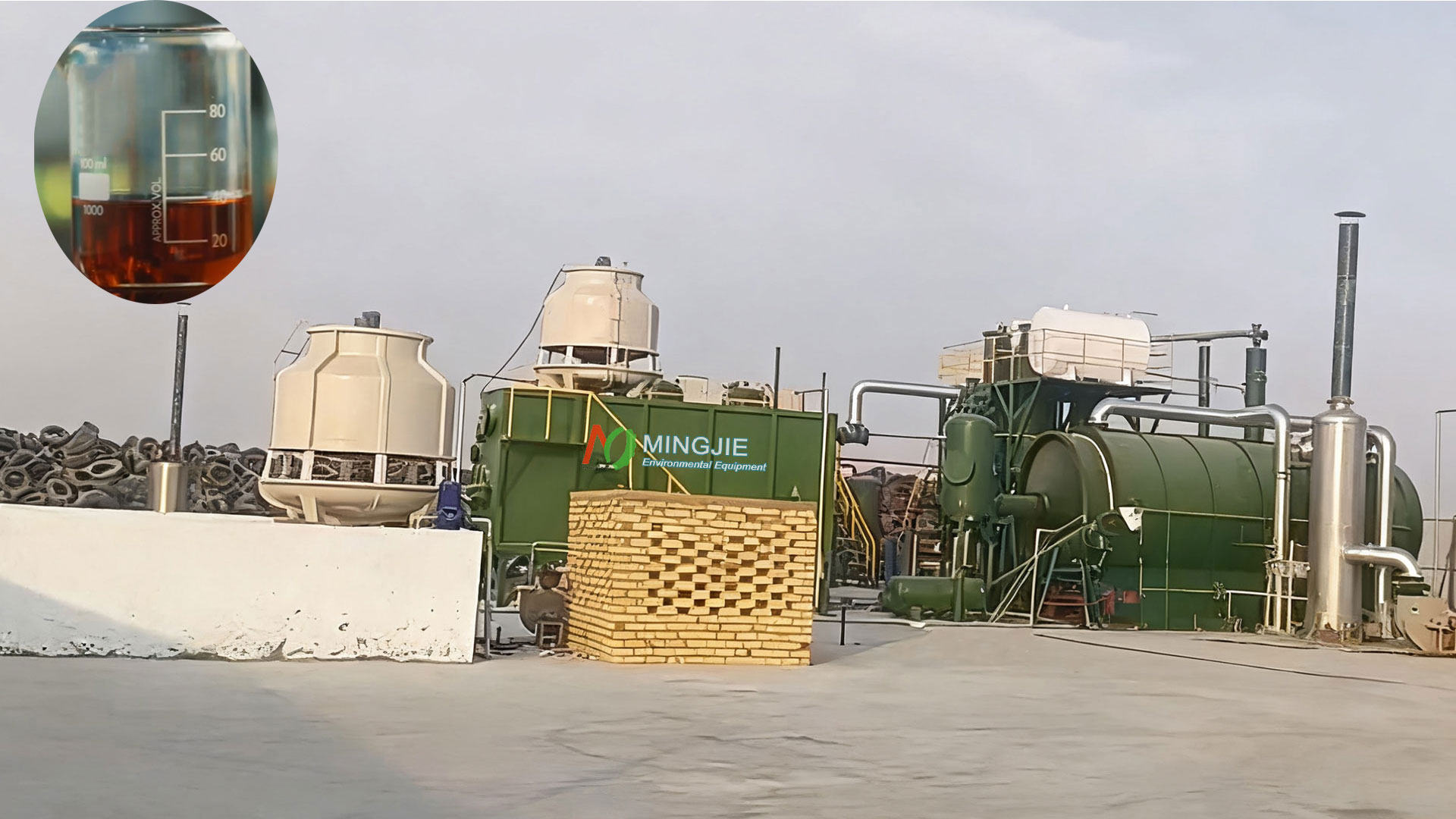
Raw Material Pretreatment: crush waste tyres into rubber blocks or rubber powder. Breaking can increase the heating area and make the reaction more uniform.
Tyre Pyrolysis: Send the pretreated tyres into a closed pyrolysis reactor. The key conditions are strict isolation of oxygen and heating. Temperature is key, pyrolysis reactions usually start to occur above 200°C. But to achieve higher yields of liquid oil, the temperature is usually controlled between 350°C and 500°C. Research shows that liquid oil production can reach a high level near 420–430°C.
Condensation Collection: After the high-temperature oil and gas mixture produced by the reaction is exported from the reactor, it enters the condensation system. Through water cooling and other methods, the oil vapor will condense into liquid tyre oil and be collected in the oil storage tank.
Product Separation: After the tyre pyrolysis reaction, the remaining solids in the reactor are carbon black and steel wire separated from the tyre. The non-condensable gases produced during the pyrolysis process are usually recycled as fuel to heat the reactor.
Flue Gas Purification: During the tyre pyrolysis process, due to the combustion of fuel, there will be high temperature smoke generation. High temperature smoke will be first led to the flue condenser by the draft fan, to cool down the temperature of the flue gas. After that go to the dedusting scrubber for cleaning by water washing, ceramic ring adsorption and water spray, then the emission can be discharged into the air through the chimney.
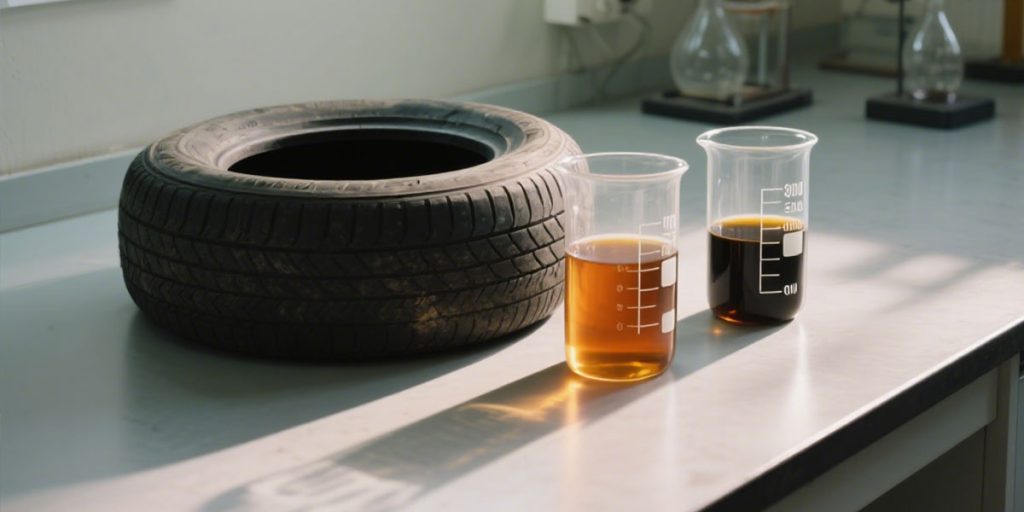
High-Value Utilization of Tyre Pyrolysis Oil
Tyre oil has a complex composition, containing naphtha and diesel fractions. Burning tyre oil as a cheap fuel results in a significant waste of its potential chemical resources.
The pyrolysis industry is shifting its development direction, encouraging the parallel development of pyrolysis oil as both fuel and chemical raw material. Deeply exploring the high-value components within pyrolysis oil can extend the industrial chain and improve the overall economic benefits of tyre pyrolysis projects.
Tyre oil must be deeply refined and purified before it can enter high-value applications. High-value utilization of tyre pyrolysis oil not only solves solid waste pollution but also supplements the supply of chemical raw materials. This possesses dual value in terms of both environmental protection and resource conservation.
Upgrading Technology for Pyrolysis Oil
Currently, the mainstream technologies for tyre pyrolysis oil are distillation and hydrorefining.
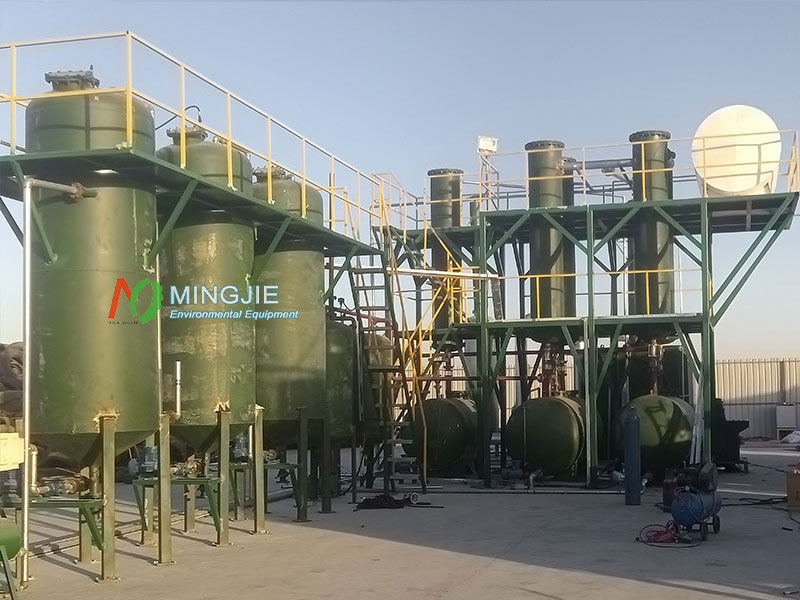
Distillation equipment separates crude tyre oil into light fractions, medium fractions, and heavy tar. Further refining and decolorization yield non-standard diesel oil with a clear appearance and relatively stable quality. Pyrolysis oil distillation plant requires relatively low investment and are suitable for small to medium-sized projects as a preliminary upgrading method.
Hydrorefining is the mainstream industrial route for upgrading tyre oil. It involves introducing hydrogen into the tyre oil under high temperature, high pressure, and with the aid of a catalyst. Through a series of reactions, impurities are systematically removed and quality is improved. Hydrotreating tyre oil is a key technological path for upgrading crude fuel into clean fuel or chemical feedstock. However, it is more expensive and suitable for continuous pyrolysis projects with a capacity of tens of thousands of tons or more.