The continuous pyrolysis system is the core equipment for modern solid waste resource utilization. It combines the advantages of environmental compliance, stable income, and low-carbon emission reduction.
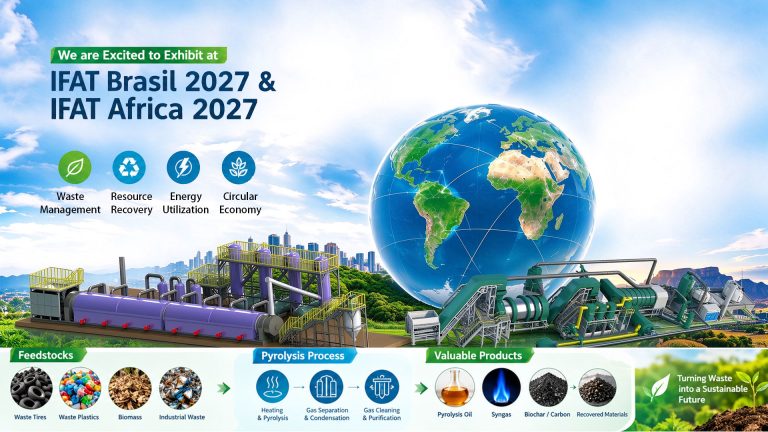
Pyrolysis is a thermochemical process that decomposes organic materials at elevated temperatures in the absence of oxygen. It breaks down complex molecules into simpler compounds such as pyrolysis oil, syngas, and carbon black. This process plays a vital role in converting waste materials into valuable energy resources, contributing to sustainable waste management and energy recovery.
Henan Mingjie Group is committed to providing comprehensive pyrolysis equipment solutions for waste-to-energy applications. Pyrolysis technology offers broad prospects in waste treatment, resource recovery, and energy production, serving as a key method to achieve sustainable development and environmental protection. This underscores pyrolysis as a technology that delivers both environmental and economic benefits.
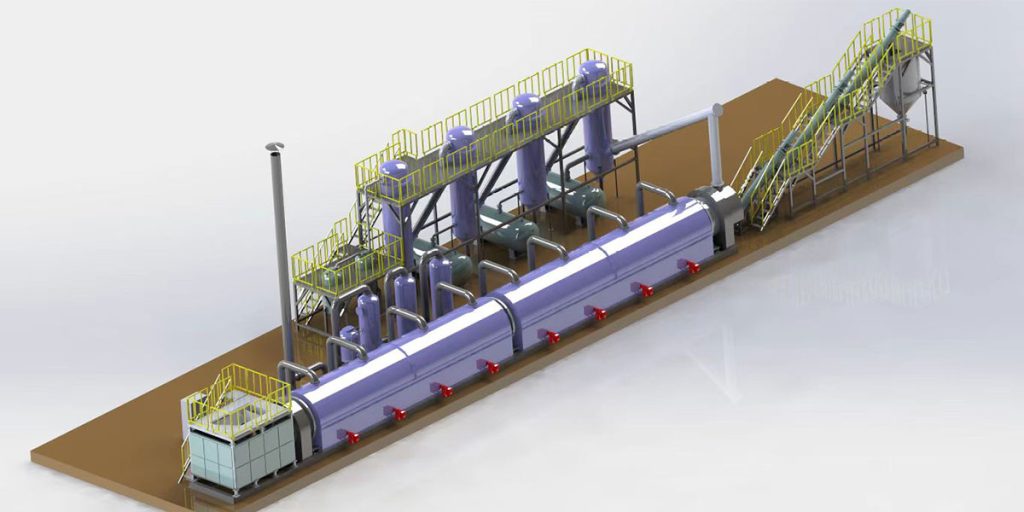
The main difference between batch and continuous pyrolysis lies in their operational modes. Batch systems operate in cycles, with feeding, heating, cooling, and discharging done sequentially. Continuous systems, however, run nonstop with automated feeding and discharging.
For continuous pyrolysis system, feed materials such as rubber granules should be 5–8 mm, and tires must be shredded with steel wires removed. Fully continuous feeding and discharging over 24 hours allow these plants to maintain steady productivity without the downtime required for batch reloading or cooling.
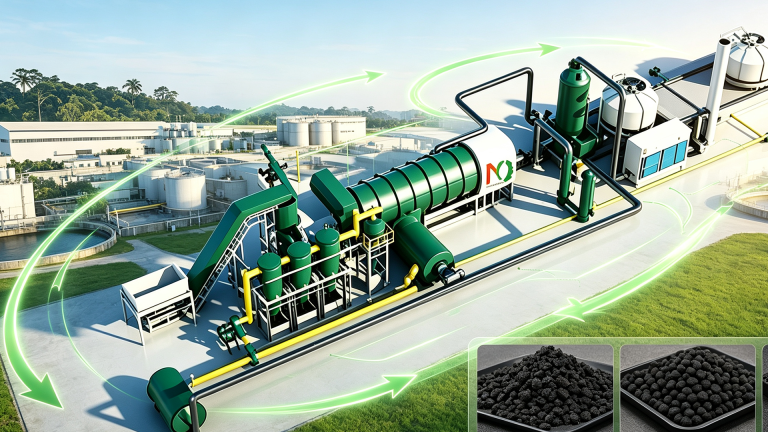
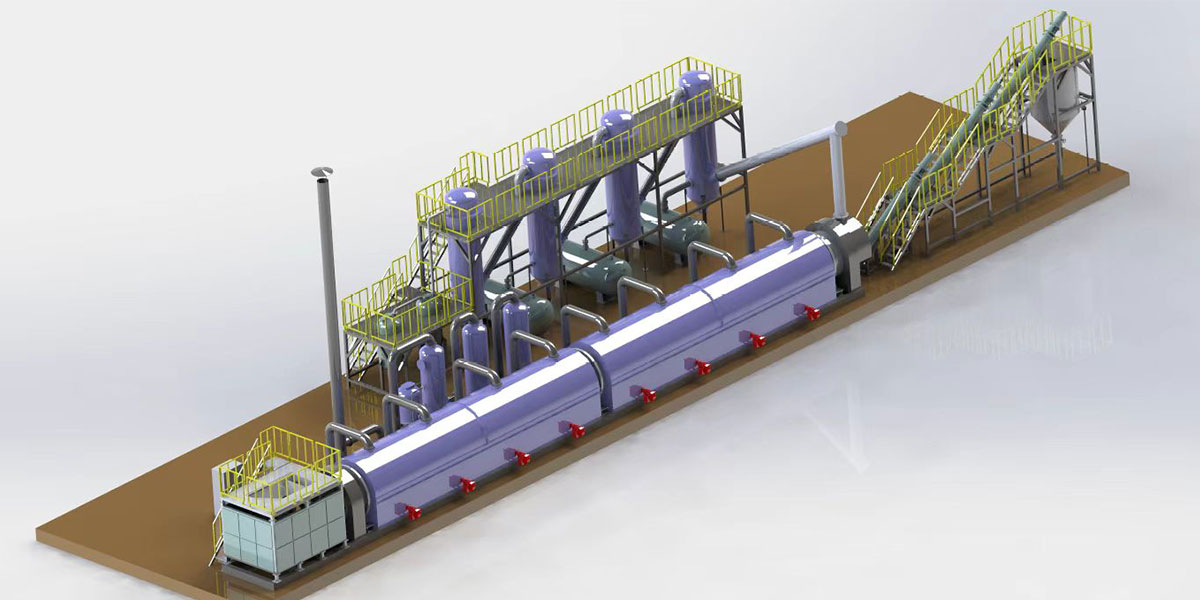
Key components of a continuous pyrolysis plant include the feeding system, reactor, condensation system, gas purification unit, oil storage tank, and carbon discharge system. From feeding to discharging, the whole process is sealed, operation environment is clean. The sealed design ensures minimal environmental pollution while maintaining operational safety.
How Continuous Pyrolysis Systems Work
The operation of continuous pyrolysis system involves several stages designed for maximum efficiency. First, feedstock such as shredded tires or plastic granules is automatically supplied to the reactor via a sealed conveyor system. Inside the reactor, the materials are gradually heated in an oxygen-deficient environment, reaching temperatures of around 420 °C, depending on the type of feedstock.
The MLL-30 continuous pyrolysis plant can operate 24 hours a day nonstop and run continuously for up to 25 days. The reactor reaches a maximum temperature of around 420 °C. This temperature ensures complete decomposition of polymers into smaller hydrocarbon molecules, which vaporize into gas before being condensed into liquid fuel oil.
Temperature control is critical because it determines product yield and quality. Higher temperatures favor gas production while moderate levels maximize liquid fuel output. Pressure within the reactor must remain stable to prevent leaks or incomplete reactions. The resulting gases pass through condensers, where they are cooled into pyrolysis oil. Non-condensable gases are recycled as heating fuel to sustain the process, improving overall energy efficiency.
Feedstock preparation also plays an essential role in ensuring smooth operation. Materials must be pre-treated by shredding or drying depending on their moisture content or composition. Feeding size shall be 5-8mm rubber granule, tyre shall be shredded and steel wire will be removed. Proper preparation ensures uniform heating within the reactor and prevents blockages during continuous feeding operations.
Advantages of Continuous Pyrolysis Plants
Efficiency and Productivity Benefits
Continuous pyrolysis systems provide unmatched efficiency compared to batch models due to their uninterrupted operation cycle. They can handle large volumes daily without frequent stops for reloading or cleaning. Large processing capacity, 35-40T tires and 30T plastics can be processed every day. This high throughput enables industrial-scale recycling operations with consistent performance metrics.
Reduced downtime is another key advantage, as maintenance intervals are longer and automated systems minimize manual intervention. For continuous machines, maintenance is recommended once a month when processing waste tires and twice a month for waste plastics. This low maintenance frequency directly contributes to higher productivity rates.

Consistency in output quality is another advantage of continuous pyrolysis system over batch system. Operational parameters such as temperature and pressure remain stable throughout production. Automated control systems ensure uniform heating inside the reactors, resulting in steady yields of high-quality pyrolysis oil suitable for further refining.
Environmental and Economic Advantages
Continuous pyrolysis plants provide significant environmental benefits through controlled emission systems that minimize harmful pollutants during operation. Special emission purification units remove particulates and neutralize gases before release, ensuring compliance with strict environmental standards.
Another key advantage is energy recovery from by-products such as syngas, which can be reused within the plant as a heating source, minimizing external fuel consumption. Pyrolysis products, including pyrolysis oil and pyrolysis gas, can also serve as alternative fuels, reducing dependence on oil and natural gas.
Economically, these continuous pyrolysis systems optimize resources by converting waste into valuable commodities such as fuel oil, carbon black, and biochar. This creates additional revenue streams for operators while simultaneously reducing disposal costs..
Moreover, controlled operating conditions result in lower emissions compared with incineration, helping industries meet sustainability targets efficiently. Pyrolysis produces less dioxins, NOx, and SO₂ than direct incineration.
Applications of Continuous Pyrolysis Systems
Waste Management Solutions
One of the most impactful applications of continuous pyrolysis systems is addressing global waste challenges, including plastic pollution, tire disposal, and municipal solid waste management. Pyrolysis plants can be used for recycling waste tires and plastics, treating hazardous solids, oil sludge, and medical waste, as well as managing municipal solid waste, aluminized paper, and waste cables.
Using advanced thermal decomposition technologies, these facilities convert non-biodegradable plastics into reusable hydrocarbons, reducing dependence on landfills. Pyrolysis of solid waste effectively decreases the volume and weight of garbage, lowering landfill requirements and easing the environmental burden.
This transformation not only reduces pollution but also supports circular economy principles by reintegrating recovered resources into industrial supply chains. Mingjie Group is dedicated to providing innovative environmental solutions and promoting sustainable development.
Production of Renewable Energy Sources
Continuous pyrolysis systems directly support renewable energy generation by producing bio-oil, which can serve as a clean-burning alternative fuel for industrial boilers, furnaces, or, after distillation, diesel engines. Pyrolysis oil distillation plants are used to further separate and purify pyrolysis oil, waste engine oil, used transformer oil, or used lubricating oil.
This refined output, known as non-standard diesel, provides a viable alternative, reducing reliance on fossil fuels. Waste oil and pyrolysis oil can be further purified into bright non-standard diesel or non-standard gasoline using a pyrolysis oil distillation plant.
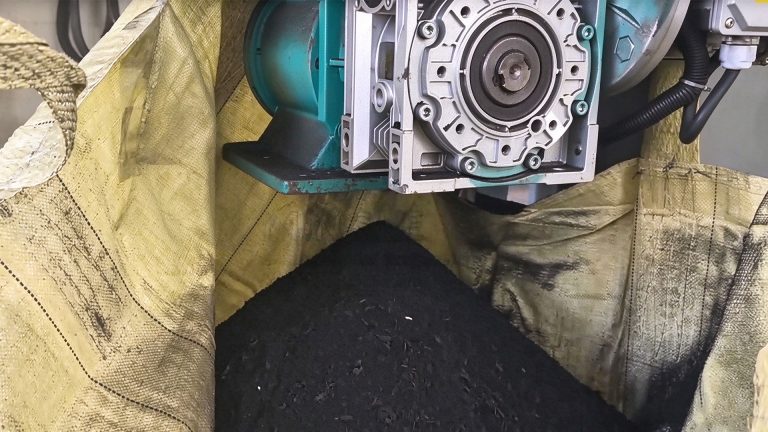
Furthermore, carbon black produced during pyrolysis has applications across multiple sectors, including rubber reinforcement, pigment manufacturing, and metallurgy, offering diverse market opportunities. It can be pressed into briquettes for use as fuel or further processed into higher-quality material for use as a fortifier, filler, or color masterbatch in rubber products.
By transforming discarded materials into high-value outputs, continuous pyrolysis systems play a pivotal role in modern circular economies, emphasizing sustainability, resource efficiency, and innovation.
Frequently Asked Questions About Continuous Pyrolysis Plants
What Types of Feedstock Can Be Used?
Continuous pyrolysis systems are highly versatile in feedstock compatibility, handling plastics, tires, biomass, municipal solid waste, and even industrial residues. They can process a variety of organic wastes, including plastics, tires, biomass, oil sludge, MSW, medical waste, e-waste, and wind turbine blade waste.
Operators should avoid mixing different material categories in a single batch, as each requires specific temperature conditions for optimal conversion. Our pyrolysis plants are designed to process both waste tires and plastics, but we recommend treating them separately.
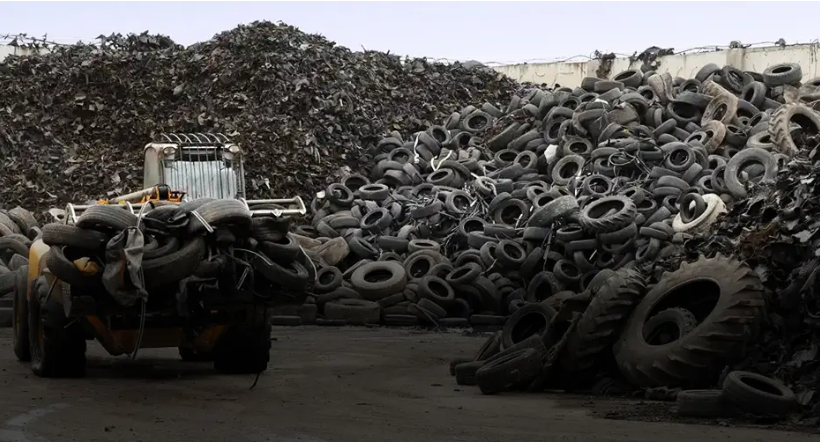
Pre-sorting is essential, especially for municipal wastes, to remove inert substances such as metals, glass, and stones. This prevents mechanical wear, improves thermal performance, and ensures the machine recovers fuel oil efficiently from waste plastics and rubber.
How Does a Continuous System Improve Efficiency?
Continuous setups maintain steady-state operations, eliminating the repetitive shutdowns required in batch cycles. This significantly increases throughput while stabilizing energy consumption throughout the process.
With fully continuous feeding and discharging over 24 hours, uninterrupted operation ensures consistent product quality, reduces manpower requirements, improves cost-effectiveness, and enhances long-term reliability. This makes continuous pyrolysis systems an ideal choice for large-scale enterprises pursuing sustainable growth.
Integrated automation allows real-time monitoring and precise control over critical parameters, generating substantial operational savings over the equipment’s lifespan and maximizing ROI for investors and industries alike.
Are There Any Environmental Concerns with Pyrolysis?
Properly managed continuous pyrolysis systems pose minimal environmental risks due to advanced emission control frameworks and integrated purification mechanisms, ensuring compliance with international safety standards and globally recognized certifications such as CE and ISO.
Compared with traditional incineration, pyrolysis effectively reduces CO₂ and other greenhouse gas emissions. Enclosed configurations prevent odor release and airborne contamination, safeguarding workplace hygiene and community health while supporting green manufacturing initiatives worldwide.
Moreover, reusing the generated syngas internally reduces reliance on external fossil fuels, further lowering carbon footprints and aligning operations with net-zero objectives and broader sustainability commitments promoted by industry leaders globally.
Continuous pyrolysis system represents a transformative pathway that merges ecological responsibility with industrial profitability. It delivers tangible benefits across multiple sectors, from municipal waste management to corporate renewable energy initiatives. This cements its relevance in future-oriented resource management worldwide, driving cleaner, smarter, and greener economies sustainably and resiliently today, tomorrow, and for decades to come.