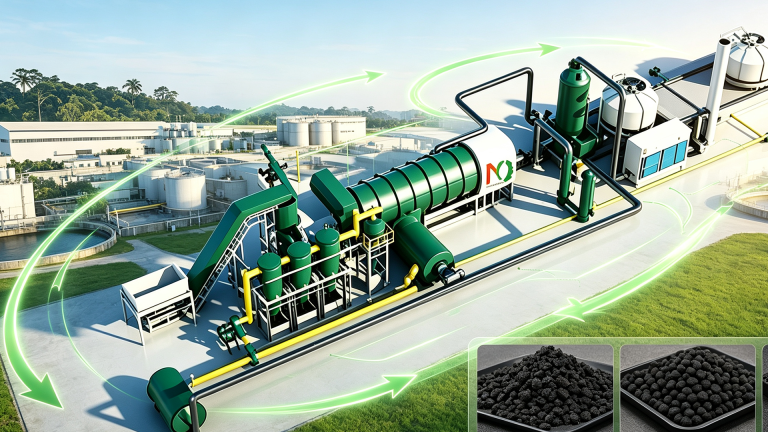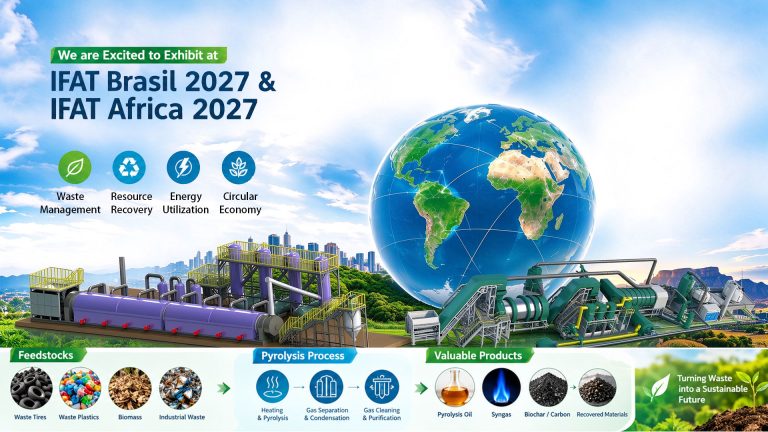
Batch pyrolysis system, as economical solid waste pyrolysis equipment, has simple structure and low investment as their core advantages, perfectly suited to small-scale waste disposal needs. With its extremely low entry barrier, batch pyrolysis plant remains the preferred basic pyrolysis equipment for small and medium-sized recycling companies. It provides investors with a feasible solution for low-cost circular economy and waste resource utilization.
Batch pyrolysis systems can be used to recycle large quantities of solid waste, including plastics, rubber, sludge, medical waste, and biomass.
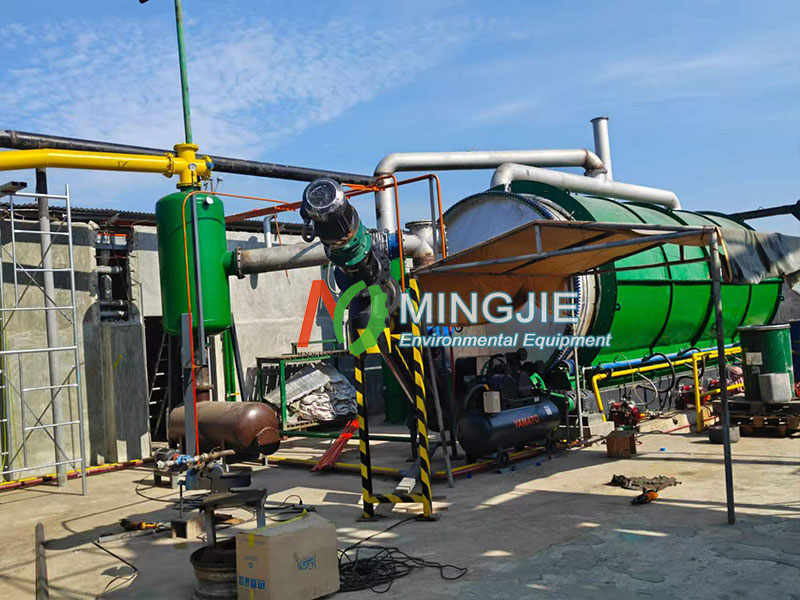
Compared to traditional incineration, medical waste pyrolysis offers superior environmental benefits and resource utilization. Landfilling, on the other hand, causes numerous persistent environmental adverse effects and wastes land. Incineration also generates significant carbon dioxide emissions. In batch pyrolysis systems, medical waste undergoes chemical transformation in an anaerobic, high-temperature environment, maximizing resource utilization.
Process of Batch Pyrolysis System
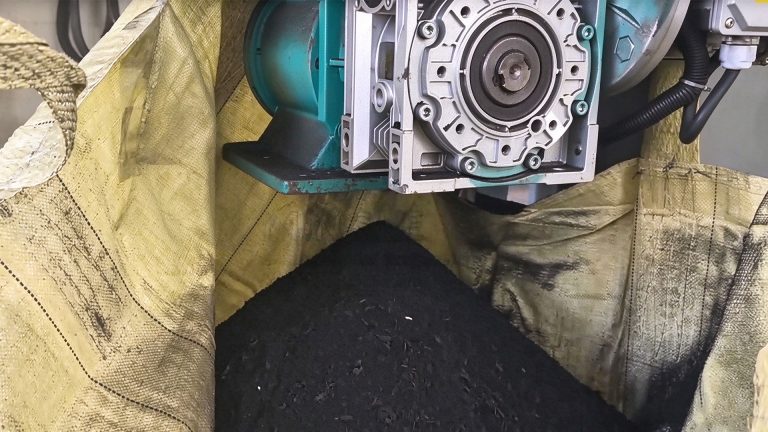
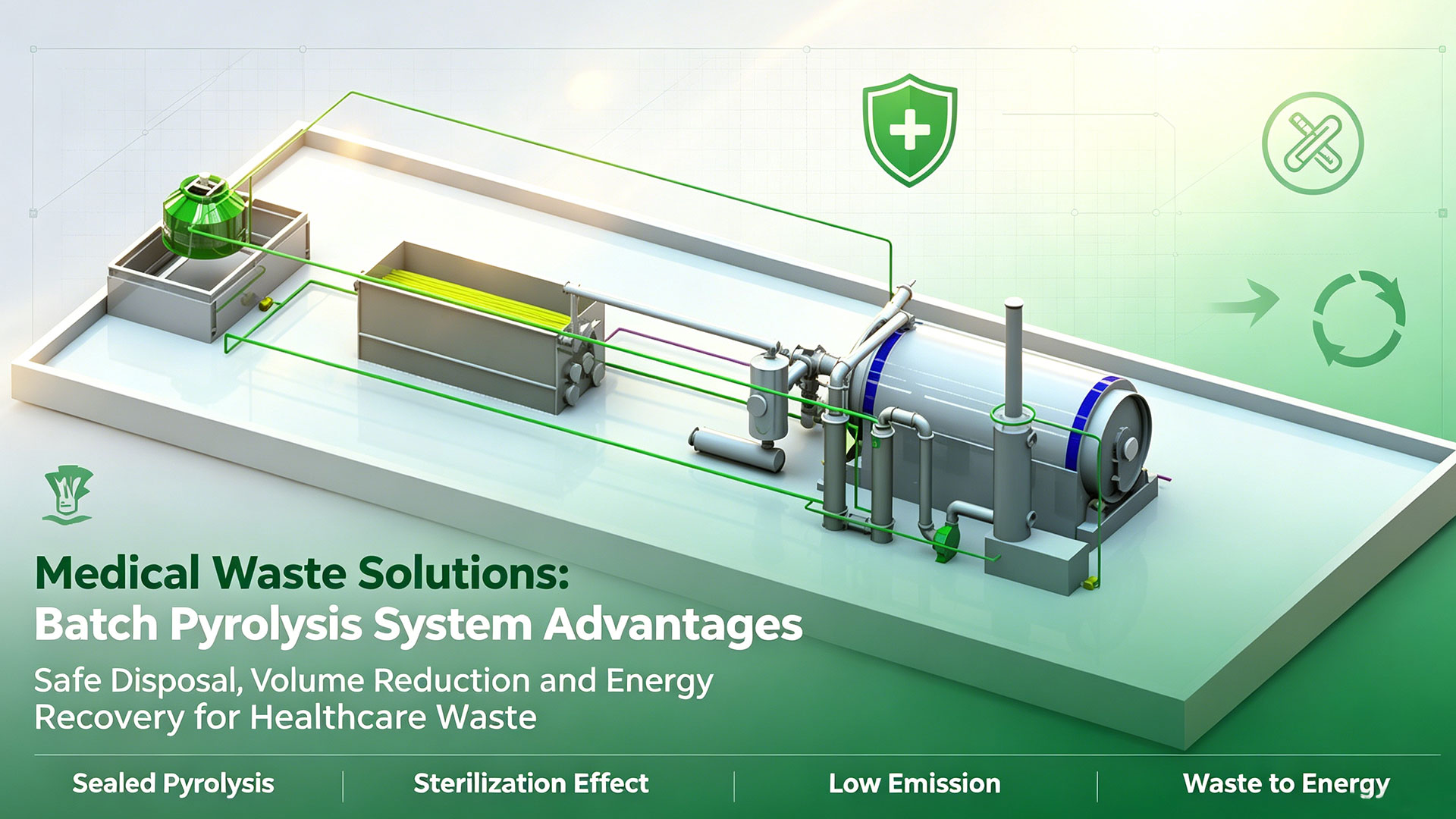
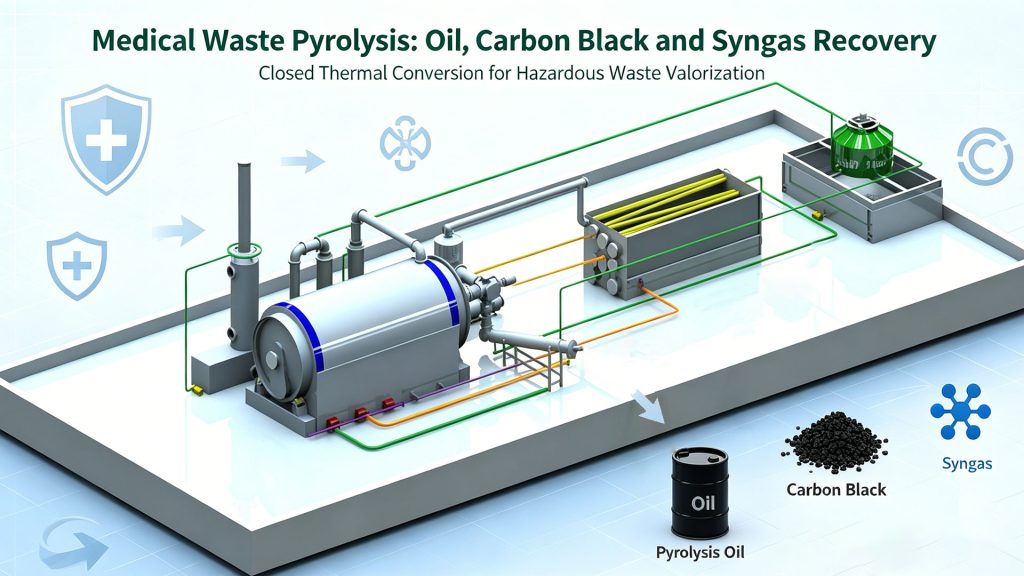
Batch pyrolysis systems have become the mainstream solution for small and medium-sized medical institutions. These systems employ closed, oxygen-limited, intermittent heat treatment, completing sterilization, detoxification, and volume reduction within a single furnace. It turns solid waste into pyrolysis oil, carbon black and syngas by through the pyrolysis system.
The batch pyrolysis plant suits the characteristics of dispersed and low-volume medical waste. The pyrolysis system has a processing capacity ranging from 2 T/D to 15 T/D for medical waste. This capacity is ideal for small to medium-sized workplaces.
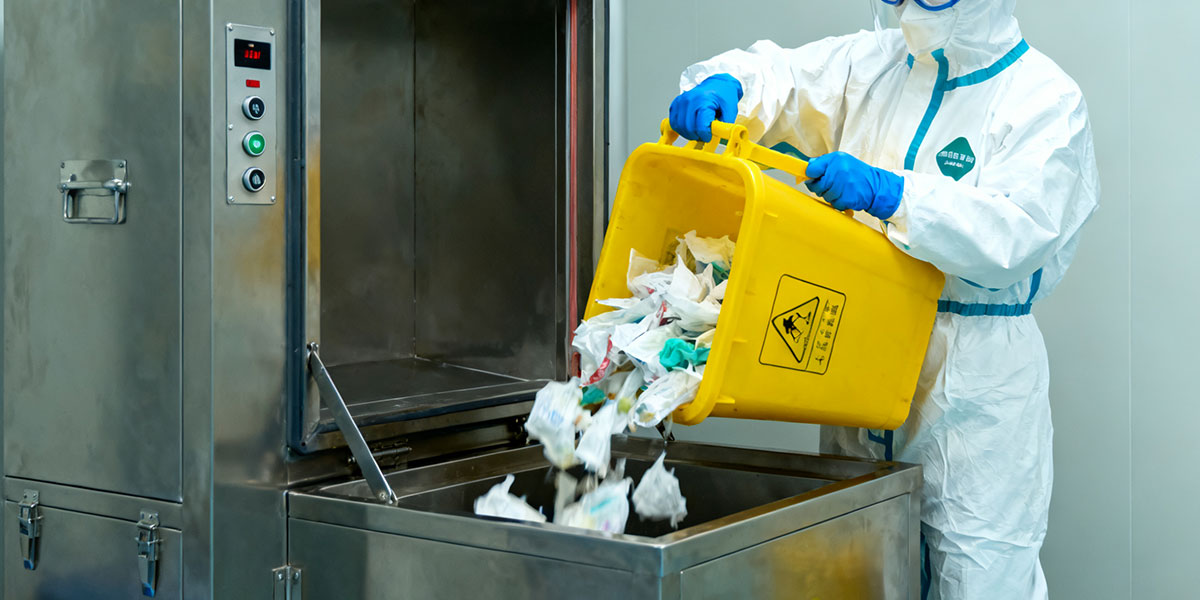
Medical Waste Pyrolysis Process
The entire medical waste pyrolysis process employs a closed-loop, intermittent operation, ensuring no contact between the materials and the external environment. It consists of five standardized steps:
Closed-Loop Feeding: Medical waste is placed into the pyrolysis reactor. The furnace door is completely sealed, creating an oxygen-free, closed space to prevent the leakage of pathogenic gases.
High-Temperature Sterilization Preheating Stage: The furnace is first heated to 180–250°C and held at this temperature for 30–60 minutes. This high-temperature, oxygen-deficient environment thoroughly inactivates bacteria, viruses, and spores, eliminating the risk of infection at its source.
Medium-Temperature Pyrolysis Core Stage (350–550°C): Under slight negative pressure, continuous heating decomposes organic components such as plastics, rubber, and fibers in the medical waste into combustible syngas. The high-temperature oil-gas mixture enters a condensation unit to separate the pyrolysis oil.
Multi-Stage Flue Gas Purification: All combustion exhaust gases undergo multi-stage purification to completely prevent dioxin synthesis and toxic gas emissions.
Closed-Loop Cooling and Residue Discharge: After pyrolysis, heating is stopped, and the furnace is cooled to below 100°C. The remaining inorganic ash is sterile, stable, and non-toxic, and can be safely transported to landfills or used as building filler. After the residue is removed, the batch pyrolysis system can be used to process the next batch of medical waste.
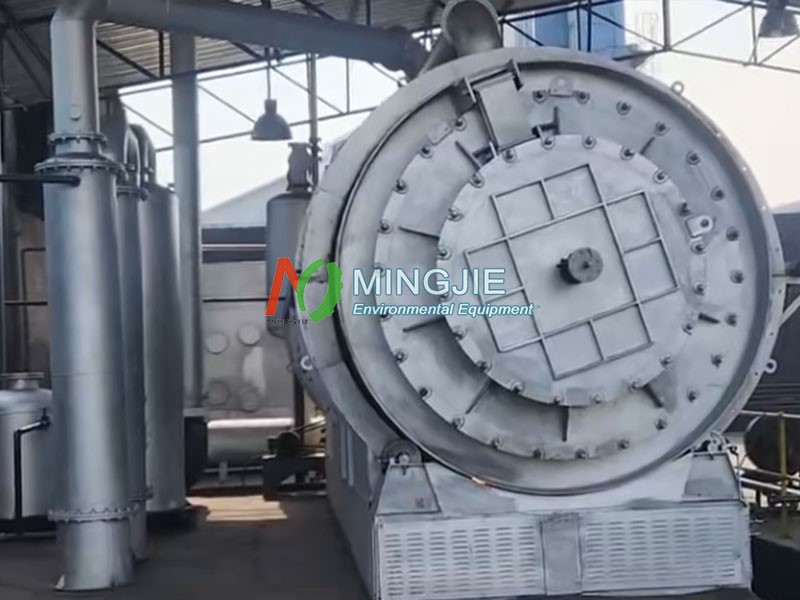
Advantages of Batch Pyrolysis Plants
Environmental Benefits
Waste pyrolysis for energy is a process conducted in a low-oxygen environment. The combustion process does not produce large amounts of harmful gases and fumes, thus avoiding environmental pollution. Since high-temperature incineration is not required, common problems such as dioxins and furans are not generated.
Solid waste pyrolysis equipment can reduce landfill volume, thereby reducing negative impacts on the surrounding environment. Using our medical waste pyrolysis equipment, medical waste reduction can exceed 90%. This will significantly reduce the amount of waste requiring treatment and transportation costs.
Economic Benefits
Batch pyrolysis equipment features low initial investment and high slag discharge efficiency. Moreover, its initial investment is far lower than that of highly efficient large-scale continuous systems.
Converting pyrolysis waste into energy and chemical feedstocks enables economic recovery and reduces medical waste treatment costs. The pyrolysis oil, syngas, and carbon black produced by waste pyrolysis can be sold as chemical products.
In the long term, economic benefits can also be achieved by reducing disposal costs. The medical waste disposal costs in hospitals and other medical institutions are considerable. Batch pyrolysis systems not only eliminate the high costs of continuous disposal but also create new revenue streams.e facility with no need for reliance on grid heat or fuel supplies.
Design and Operational Features
The medical waste treatment unit in the batch pyrolysis system comprises several key components. The reactor of the pyrolysis unit is constructed from the most robust and durable materials, capable of withstanding high temperatures and corrosive environments. The heating section provides stable temperature conditions throughout the treatment cycle.
The condensation system separates the pyrolysis oil from the vapor stream. A gas purification system is used to control emissions. Our batch pyrolysis system can handle a variety of organic wastes. Therefore, no system modifications are required for medical waste.
Pyrolysis Equipment Maintenance and Safety Precautions
Regular maintenance ensures optimal performance of pyrolysis equipment and significantly extends its service life. Routine inspections include reactor condition assessments, heating system function checks, and condensation equipment efficiency checks. Weekly maintenance covers a more comprehensive system assessment, including safety device testing and product quality verification.
Employees handling hazardous medical waste require safety training. Waste must never be subject to secondary contamination during storage between treatment and disposal cycles.