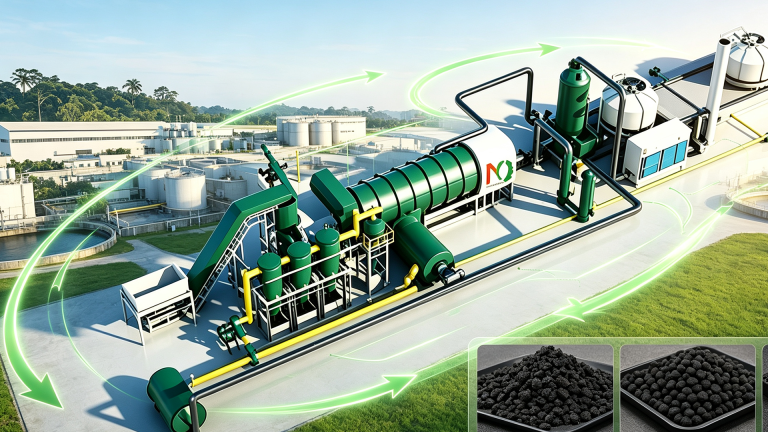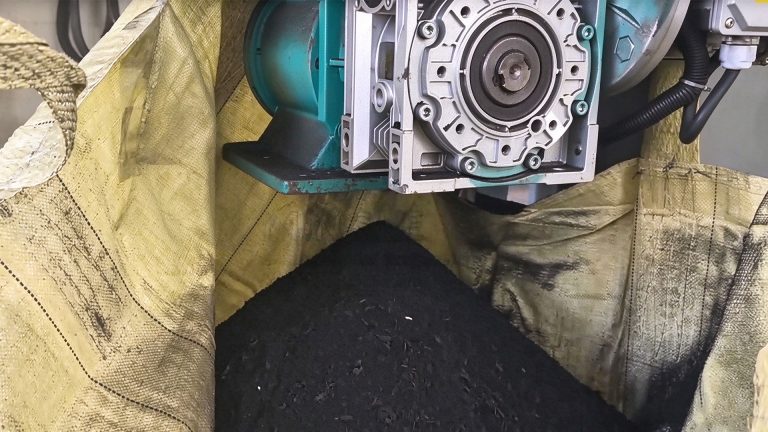

The Biomass to Biochar Machine converts waste biomass into high-value biochar using pyrolysis technology. This process reduces environmental pollution caused by biomass incineration. Biochar is primarily composed of stable carbon and can be stored in soil for hundreds or even thousands of years. It is one of the most sustainable means of mitigating climate change and soil degradation.
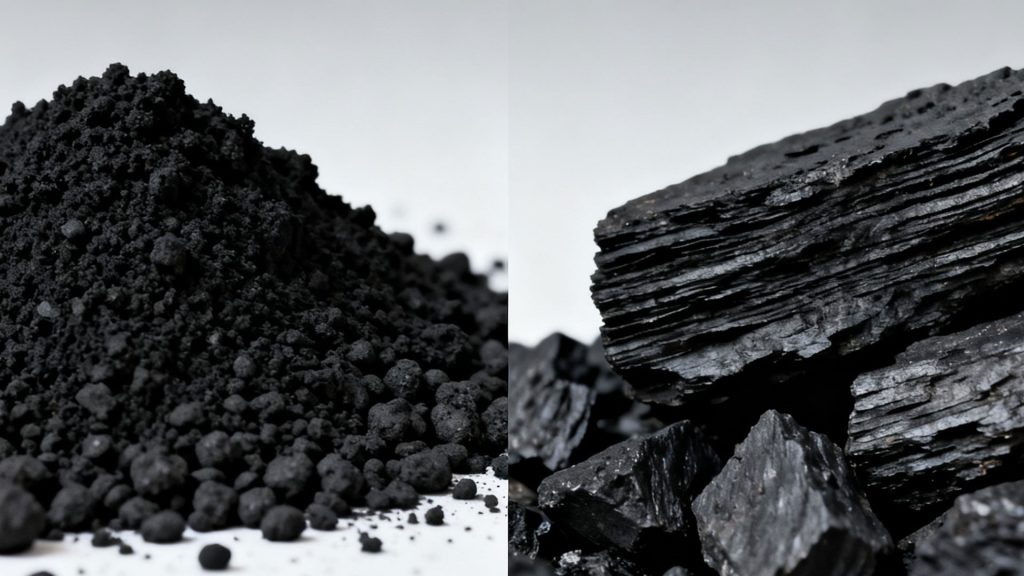
The composition and properties of biochar depend on the raw materials and working conditions. Its main components are 70-85% carbon, along with hydrogen, oxygen, nitrogen, and various minerals. This makes biochar highly valuable in agricultural applications.
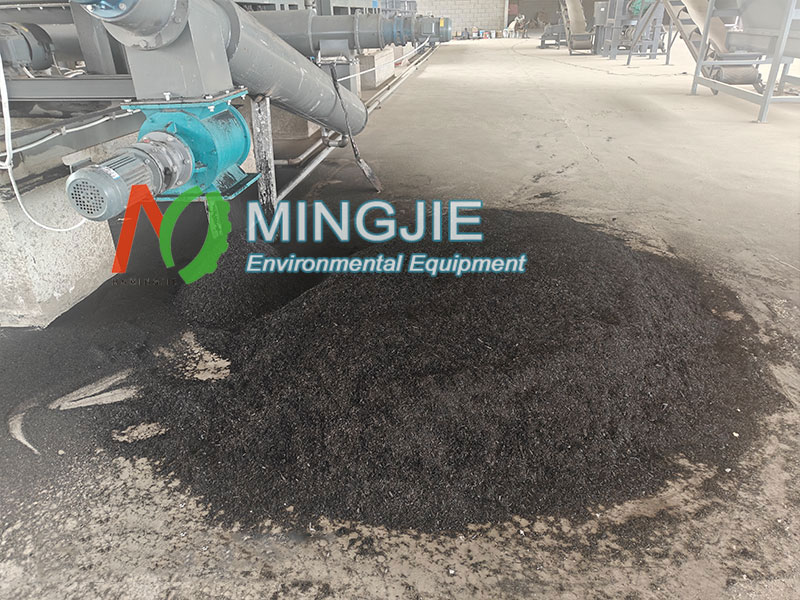
Biochar has significant positive environmental impacts. Adding biochar to soil improves water retention, increases nutrient availability, and enhances microbial activity. This creates ideal growing conditions for plants that do not require chemical fertilizers. Biochar has a large surface area, serving as a habitat for beneficial microorganisms, thus improving soil fertility and health in the long term.
The agricultural application of biochar has achieved significant results on a variety of crops and soils. Biochar experiments have shown that it can increase crop yields, enhance drought resistance, and reduce the use of chemical fertilizers. In addition, low-pH farmland soils can also benefit from the alkalizing properties of biochar.
How Biomass to Biochar Machine Works
Biomass to biochar machine can convert biomass materials into biochar by pyrolysis carbonization technology, which is a method of thermochemical conversion of materials by heating them strongly in the absence of air. The biomass carbonization plant can process various biomass materials, like wood chip, straw, rice husk, coconut shell. And the biomass pyrolysis products include biochar, combustible gas and bio-oil.
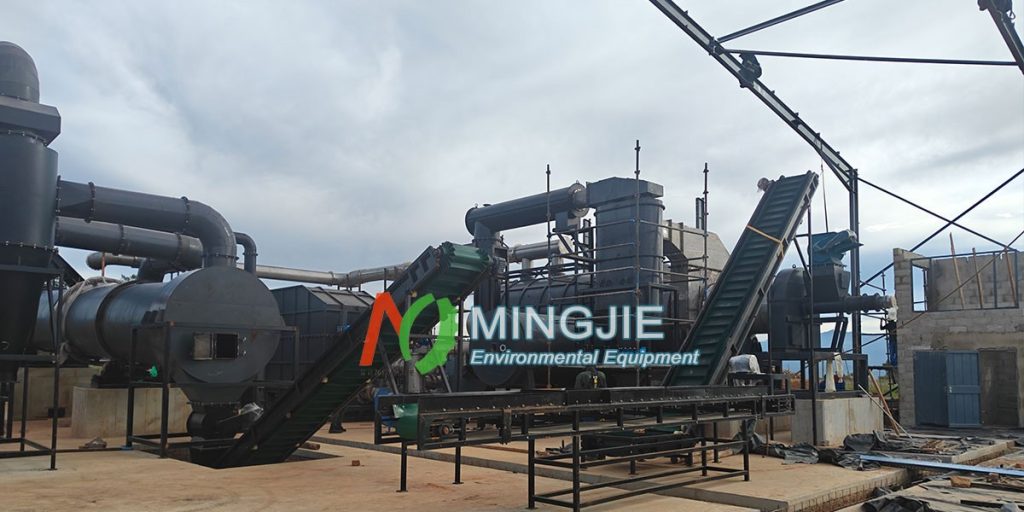
In the biochar production system, the biomass feedstock is heated in a sealed reactor vessel with tightly controlled atmosphere. The heat produced in the reactor converts the moisture and volatile matter in the biomass to syngas, which is removed from the reactor as a fuel gas. The solid residues from the biomass and all non-volatile matter in the biomass are condensed into biochar. The syngas can be combusted to provide additional energy to power the rest of the pyrolysis system and hence most biochar systems are energy self sufficient.
Our modern biochar production equipment uses advanced temperature and gas control systems. These systems optimize both the quality and yield of biochar. Many units also feature automated feeding technology, real-time temperature monitoring, and gas emissions management.
Key Components of Biomass to Biochar Machine
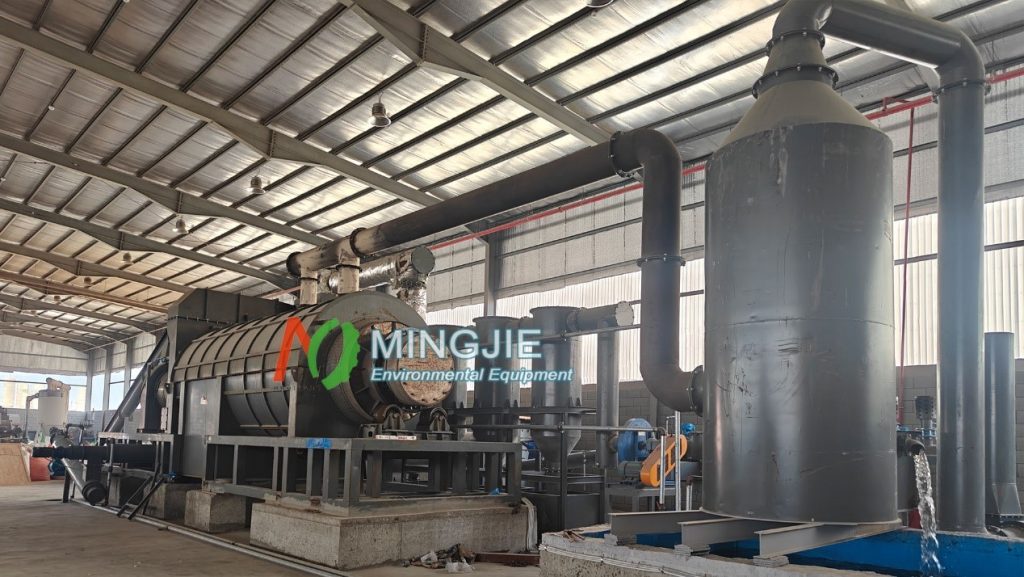
A typical biomass to biochar machine has several components that must work together to complete the desired task. The reactor chamber is where pyrolysis occurs. The material and design of the reactor vessel are critical for biochar production. The vessel must withstand the extremely high temperatures generated during pyrolysis. It must also maintain an oxygen-limited environment to ensure efficient biochar production.
The heating system provides the energy needed for pyrolysis. Many waste recycling units use the syngas produced during pyrolysis as fuel for heating. This allows the system to operate autonomously. Heat exchangers further increase efficiency by using exhaust gases to warm other system components.
Gas cleaning and emission control systems ensure that biochar production meets environmental standards. These components remove particulates and harmful compounds from exhaust gases before release. Modern biochar systems often include condensers that capture valuable liquid byproducts. These can be used as bio-oils or soil amendments.
Differences Between Biomass to Biochar Production
Pyrolysis is the mainstream technology for biochar production, while gasification, as an alternative pathway, also has its unique application scenarios and limitations. Gasification typically operates at higher temperatures with controlled oxygen input, resulting in higher syngas yield but relatively lower biochar yield.
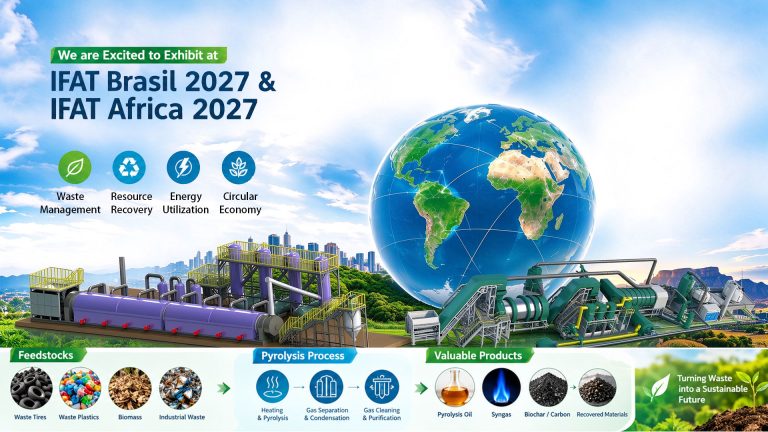
The choice between pyrolysis and gasification depends on the target products and feedstock characteristics. Our core technology focuses on pyrolysis, with the primary goal of producing biochar as the core product, along with syngas and bio-oil as by-products. This differs from the pyrolysis of plastics, tires, and other wastes, where pyrolysis oil is often the main target and carbon black is a by-product.
For biomass feedstocks such as forestry and agricultural residues, biochar serves as a vital medium for carbon sequestration, soil improvement, and achieving net-zero emissions. Adopting continuous pyrolysis equipment enables large-scale, stable production, unlocking the long-term value of biochar in carbon removal and environmental management.
Role of Biochar in Carbon Sequestration
The production and use of biochar can not only mitigate greenhouse gases and increase carbon cycle, so biochar machines have caused concern to all enterprises looking to reduce carbon emissions. If biomass waste such as forest garbage, rice wane, weed, domestic waste , etc . are decomposed directly, they will emit a lot of Carbon dioxide(CO2)and increase greenhouse gases, and harm the environment. However, as long as the decomposed biomass waste into biochar machines, and turns them into biochar, those abundantCarbon dioxide will be fixed into a stable period of centuries-long carbon storage.
In addition to sequestering carbon, biochar has numerous additional benefits for climate change mitigation. Through improved soil structure and use of biochar, Farmers can reduce their need for synthetic fertilizers. This also greatly lowers energy use and greenhouse gas emissions associated with fertilizer production. Our research shows that full-scale biochar implementation could sequester tens to hundreds of megagrams of carbon annually. This occurs through improvements in soil health and increased agricultural productivity.
Carbon Perspective: The Net-Zero Value of Biochar
Unlike plastic pyrolysis (which primarily produces pyrolysis oil and carbon black), our biochar pyrolysis system focuses on converting agricultural and forestry waste into highly stable biochar. This process essentially captures atmospheric carbon and stores it in solid form within the soil for centuries to millennia, making it a recognized Negative Emission Technology (NET) .
Therefore, choosing our biomass to biochar machine is not just an investment in production technology—it is a commitment to a quantifiable, verifiable, and tradable carbon removal pathway. In the context of carbon neutrality goals and the global net-zero movement, biochar is emerging as a critical bridge connecting the environmental industry with green finance. Whether participating in carbon trading markets or enhancing corporate ESG performance, biochar offers a practical and impactful solution.
Benefits of Stationary Units for Large-Scale Operations
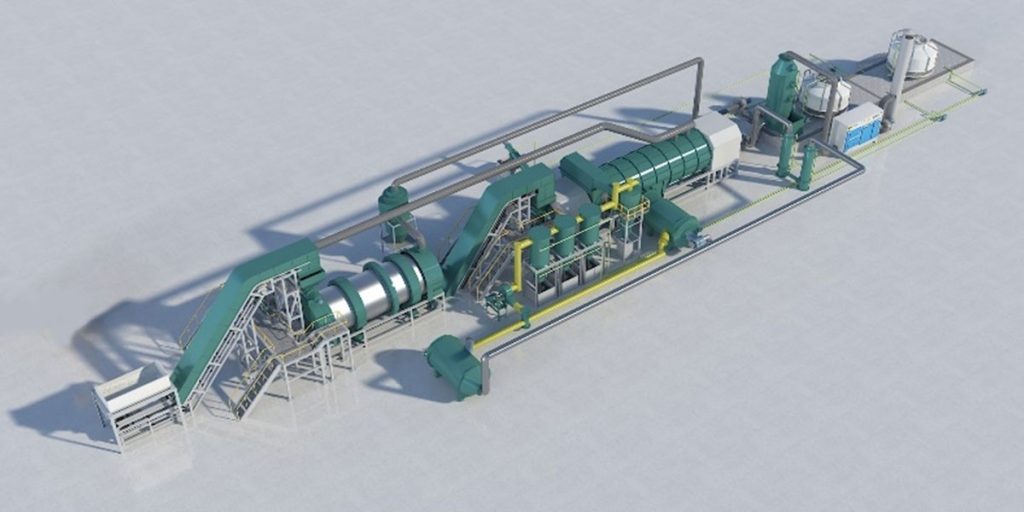
A stationary biomass to biochar production plant provides the most efficient operation. It features permanent accommodation and all required auxiliary machinery. The Fully Automatic Wood Charcoal Manufacturing Machine must run continuously with the shredder and dryer operating. This setup is suitable only for industrial use. We provide all necessary crushing and drying systems for the wood charcoal machine. A production line with preprocessing machinery ensures the most efficient material use and highest quality output.
Our fully automatic biomass to biochar machine handles biomass materials larger than 20mm and with 15%-65% moisture content. Suitable feedstocks include wood, straw, coconut shell, bamboo, and other biological materials. Therefore, it is ideal for materials from waste recycling plants, agriculture, and forestry.
Large Scale Biochar Production Equipment have clear economic advantages due to scale efficiency and optimized process design. The fully automatic bamboo charcoal making machine features high output, fast coking speed, and continuous production. The machine can continuously feed raw material and output charcoal. It can carbonize 30–50 tons of bamboo chips daily. Continuous production fully utilizes equipment capacity and reduces unit costs.
Long-term Operating Expenses
For continuous machines, processing waste tires requires maintenance once a month. For waste plastics, maintenance is suggested twice a month. This refers only to waste treatment. Similar schedules apply to biomass processing equipment. Continuous machines have shorter maintenance cycles and require frequent attention. Although individual maintenance costs are relatively low, high processing efficiency still demands careful upkeep.
Labor costs depend on the automation level and local labor rates. Fully automated systems need fewer personnel but require skilled technicians for maintenance and service. Manual systems require more workers with less sophisticated skills, lowering labor costs but potentially reducing reliability.
Return on Investment (ROI) Considerations
Our calculation of ROI must consider all income sources and cost savings. Direct biochar sales are a clear source of income. Carbon credits can provide an additional revenue stream. Many buyers purchase our biochar. Selling biochar into various products creates a new income stream. This revenue will likely grow as sustainability drives demand for biochar in soil and industrial applications.
Biochar costs can also be substantial. Savings from avoiding traditional waste disposal are significant. Many organizations pay for organic waste disposal. By converting waste into biochar, these costs are redirected to the biochar industry. Additionally, the by-products of biochar have value. Farmers can save on fertilizers. Applying biochar to soil reduces their input costs as well.