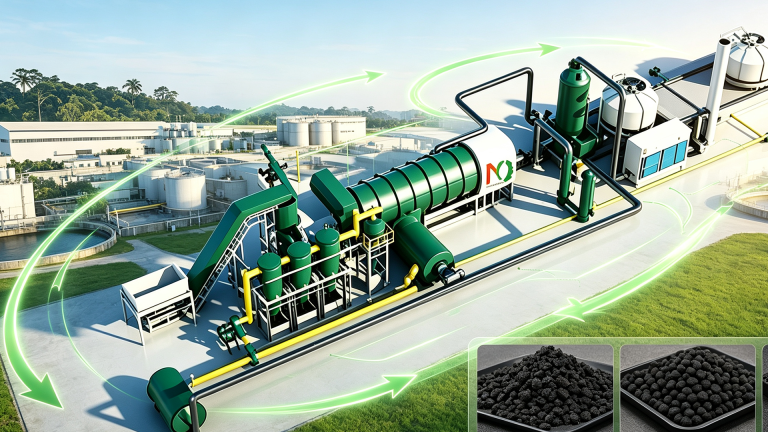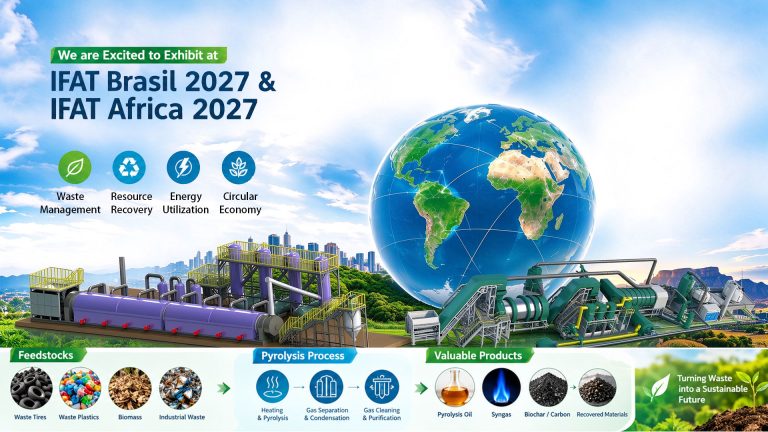
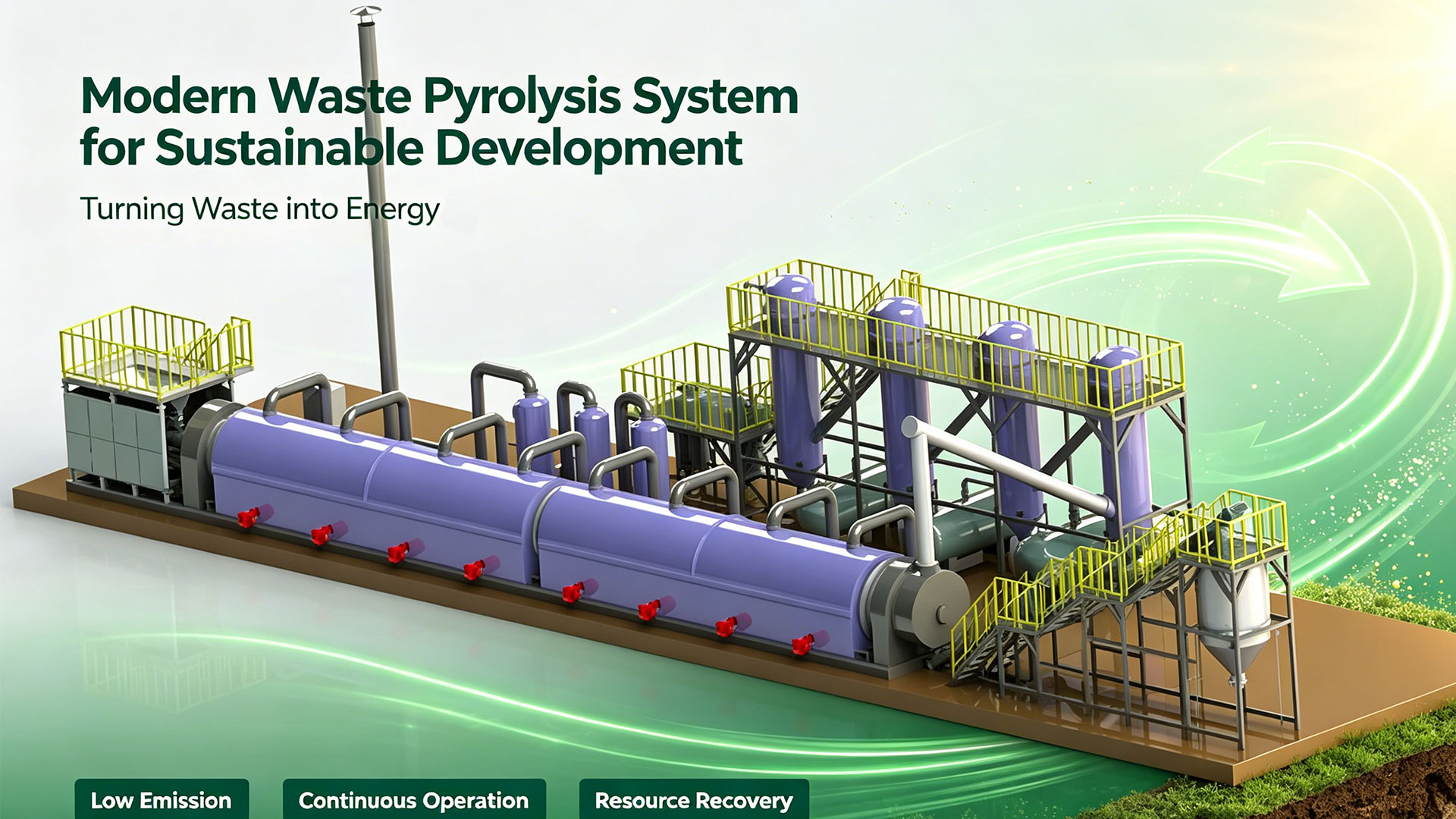
Waste pyrolysis system adopts advanced thermal decomposition technology, using heat energy in an oxygen-deficient environment to break down organic waste into desired products. Pyrolysis technology holds immense promise for solid waste treatment, resource recycling, and energy utilization. It is a crucial technology for achieving sustainable development and protecting the ecological environment.
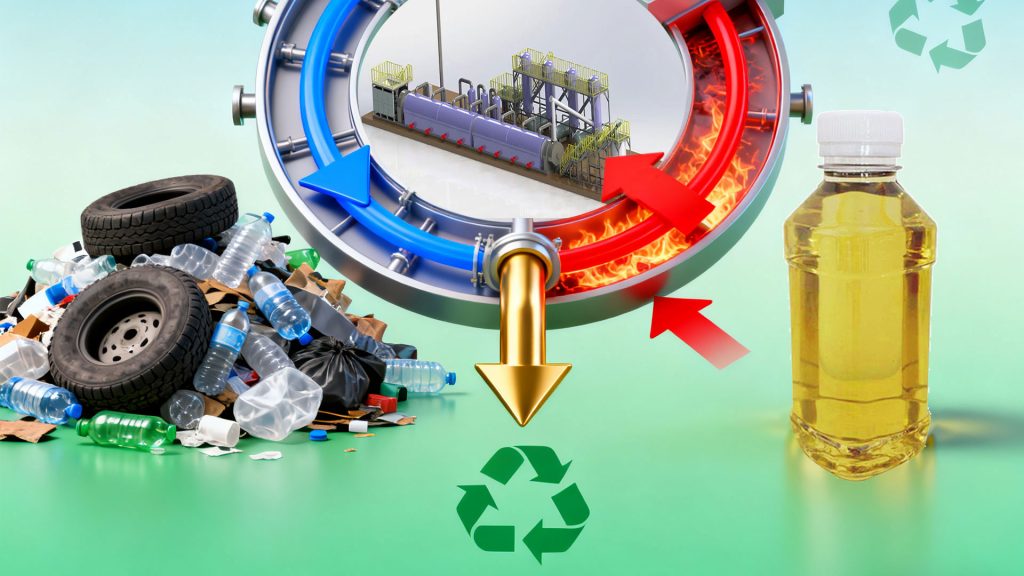
Nowadays, the waste pyrolysis system usually uses a new design for the pyrolysis reactor and perfect gas recycling system. Our solid waste pyrolysis system can be used to dispose of plastic and rubber waste, and obtain pyrolysis oil and carbon black.
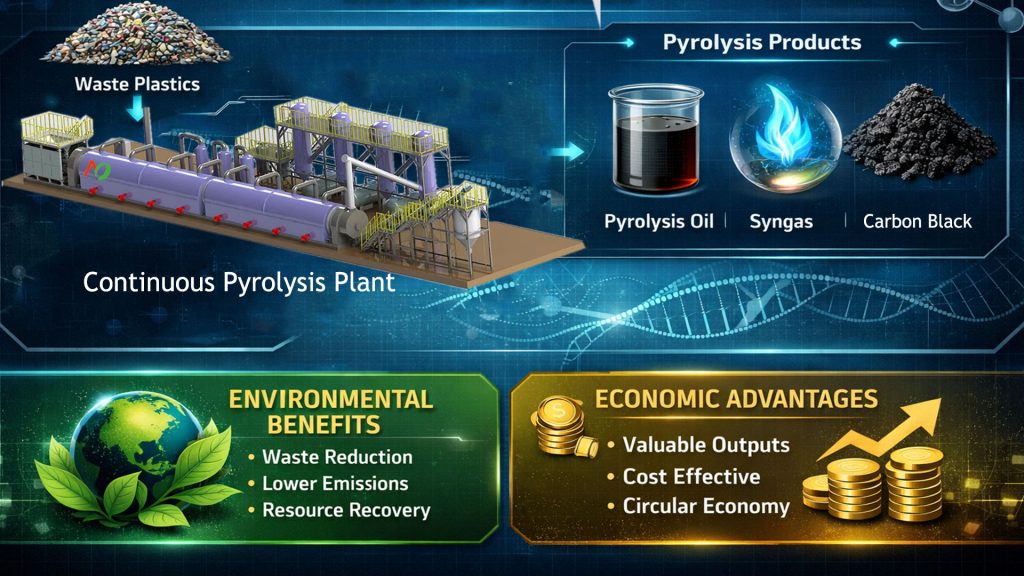
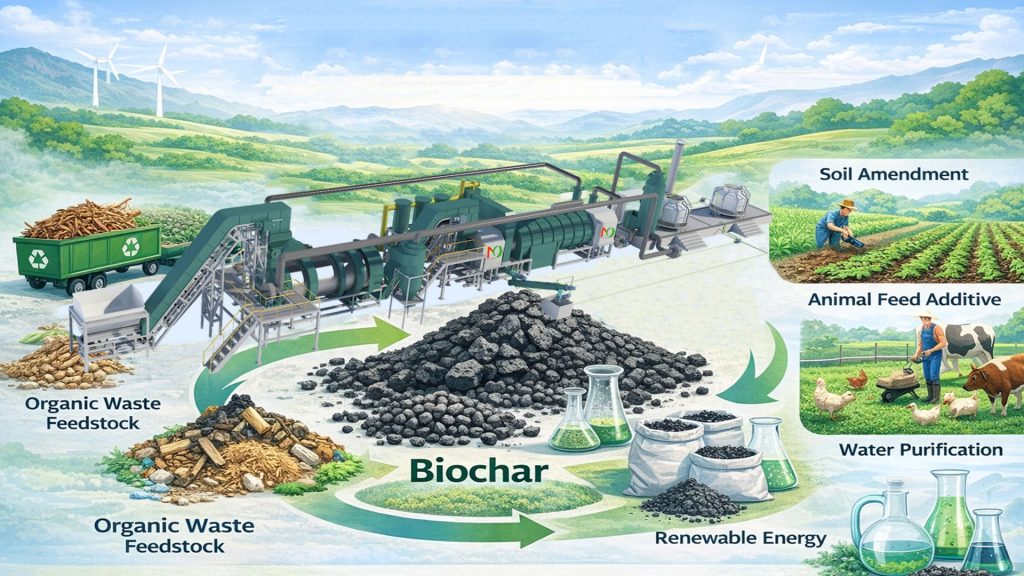
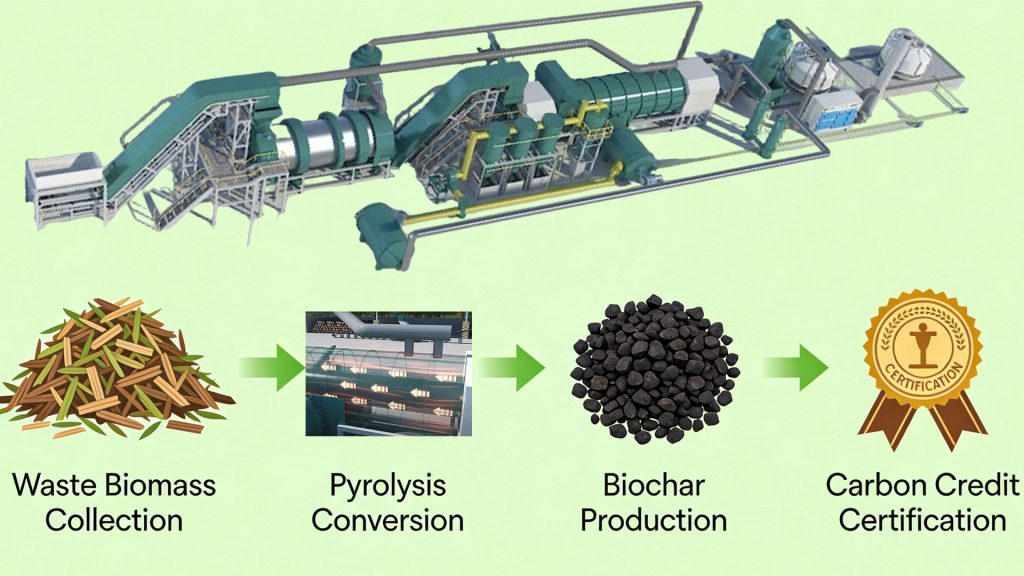
The biomass pyrolysis system can convert the biomass material into carbonized biochar with a low price. The pyrolysis technology has been widely applied in the field of garbage treatment, such as municipal solid waste, industrial waste, resource recovery of heat power generation, resource utilization of solid waste in metallurgy and coal mining.
Advancements in Waste Pyrolysis System
In recent years, due to the development of new technology, the efficiency and environmental protection performance of waste pyrolysis system is also improved a lot. The amount of CO₂ released in the atmosphere is much less than incineration. The waste pyrolysis system is also equipped with the latest IoT technology, which can realize the online monitoring, pre-warning of maintenance, and intelligent control.
As the reduction of environmental pollution has become a primary goal, new designs of waste disposal system have increasingly incorporated more advanced air pollution control systems. The solid waste pyrolysis process occurs in an environment that is relatively deficient in oxygen so that in the subsequent burning of the volatile by-products, very little gas or smoke is produced and thereby the level of environmental pollution is reduced.
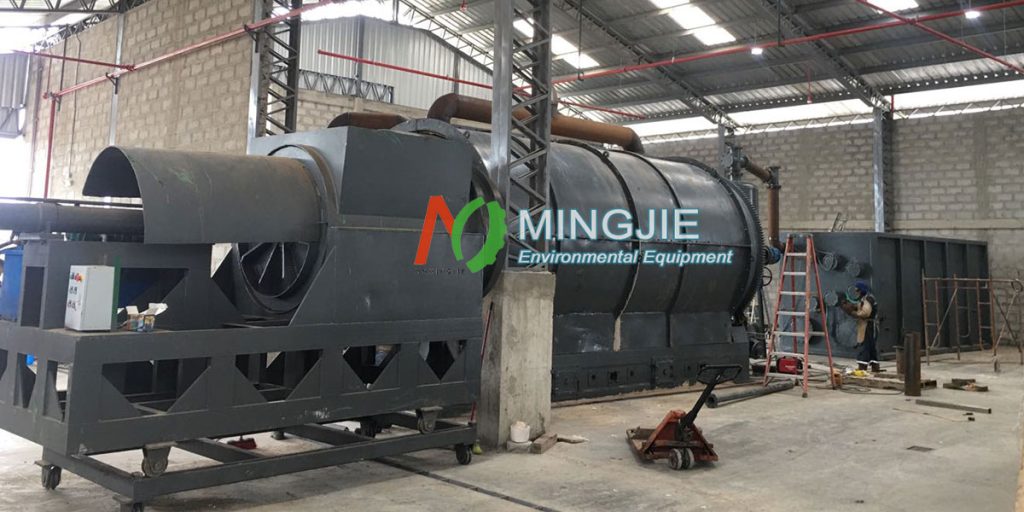
How Pyrolysis Plants Help Investors Profit
Pyrolysis plants utilize anaerobic pyrolysis technology to process solid waste such as waste tires, waste plastics, agricultural and forestry biomass, and municipal solid waste, building a multi-channel revenue stream, low-cost operation, policy support, and carbon asset appreciation.
Waste pyrolysis system can generate continuous and stable profits for investors from five dimensions: increased revenue, cost reduction, subsidies, asset appreciation, and trade premiums. They have a short investment return cycle and strong resilience to market fluctuations.
In addition to fuel oil revenue from the waste plastic pyrolysis, the recovered carbon black can be further processed and used in the tire industry. The syngas produced by the waste pyrolysis system can be used for equipment heating or power generation.
Valuable Pyrolysis Byproducts
Pyrolysis plants can achieve full resource recovery from solid waste, and each type of output can be sold.
The solid waste pyrolysis system can produce high-calorific-value crude oil, which can be refined into industrial fuel oil using pyrolysis oil distillation plant. Oil revenue accounts for 40%–50% of the total revenue of solid waste pyrolysis projects.
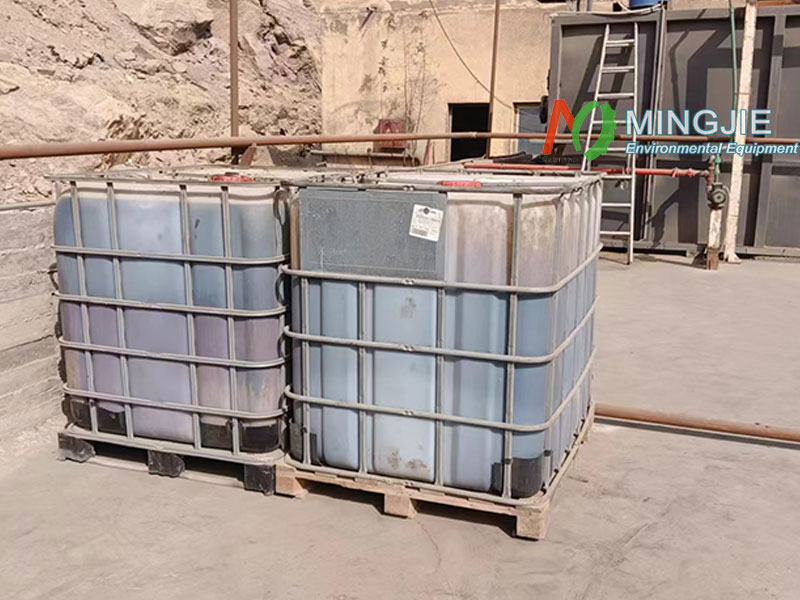
Solid carbon products are the second largest stable source of revenue. Two types of high-value carbon products are produced depending on the raw materials.
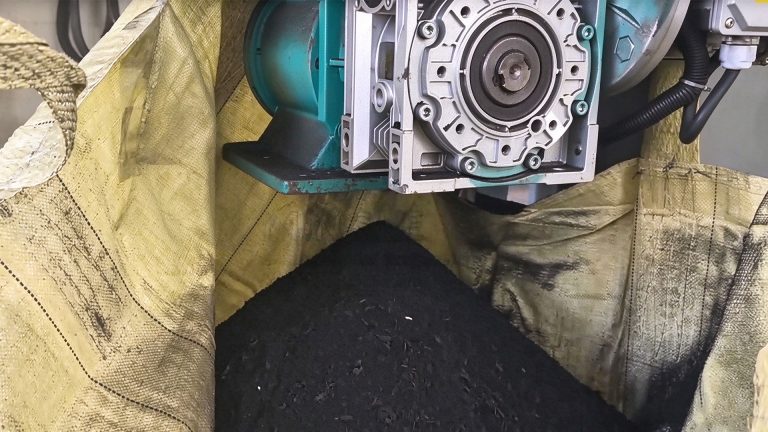
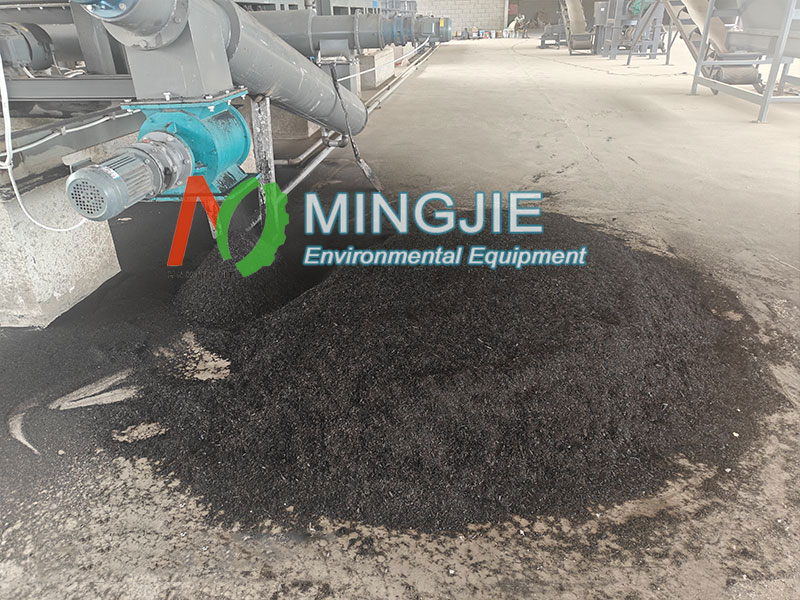
Tire/plastic pyrolysis carbon black (rCB) accounts for approximately 30% of the pyrolysis project’s revenue. Agricultural and forestry biochar is used for soil improvement, carbon-based organic fertilizer, polluted water remediation, and as a raw material for activated carbon. Biochar system can participate in carbon trading, resulting in double revenue.
Waste tires can be pyrolyzed to completely separate pure steel wires, which can then be directly sent to steel mills for sale as recycled scrap steel. Each ton of tires can yield 10%–15% steel wire.
Biomass carbonization plant can condense and collect wood vinegar, which can be used as an agricultural antibacterial agent, deodorizer, and plant nutrient solution.
Market Trends Influencing Profitability
Demand for Sustainable Solutions
The rising awareness of the environment makes the public want to switch to a more green and sustainable way of disposing of waste. And that’s why waste pyrolysis recycling plant becomes more popular in the world. As more people care about the environment, they would tend to buy green products. This creates a premium market for the biomass materials derived from pyrolysis plant.
The expansion of the renewable energy sector has brought about many opportunities for companies in the pyrolysis sector. The products derived from pyrolysis, namely pyrolysis oil and syngas, can be used as substitutes for oil and natural gas.
Competitive Landscape in the Pyrolysis Industry
More companies are entering the waste-to-energy sector, which increases the competition in the market. The technological advancements and higher efficiency are also gained by the leading companies in this sector. Our solid waste pyrolysis system can handle a wide range of waste materials such as plastics, rubber, sludge, medical waste and biomass. Therefore, increasing competitiveness.
Strategic Approaches to Enhance Profitability
Product Diversification Strategies for High-Margin Applications
Our pyrolysis equipment is designed to help customers convert biomass and waste materials into a variety of value-added products. Through the pyrolysis process, materials can be transformed into products such as biochar, combustible gas, and other carbon-based materials.
Biochar produced by our equipment can be used in multiple applications, including soil conditioning, carbon sequestration, and as a carrier for fertilizers. It can also be further processed into activated carbon depending on downstream processing requirements.
Our solid waste pyrolysis systems are designed to support diverse application scenarios and can be customized to meet the specific production needs of different customers. These technologies are widely applicable in industries, such as automotive manufacturing, construction materials, and chemical processing.
Optimization of Operational Efficiency
Waste reduction and yield improvement are key elements of operational efficiency. The material feeding to discharge system is fully sealed and the operation environment is kept clean. Automation contributes significantly to cost reduction, enhanced plant safety and reliability. The water-cooled automatic slag discharge system which excludes fly ash is highly efficient. High temperature discharge of carbon black is possible without having to wait for the reactor to cool down.
Regulatory Environment and Its Impact on Profitability
Compliance with Environmental Regulations
Several new international environmental regulations have started to influence the work and economy of pyrolysis companies. High compliance costs are invested in measures for gas and dust cleaning and in more measurement equipment. A side effect is that the market benefits to the complying producers and stifles out the non-complying producers.
Incentives for Sustainable Practices
Government incentives such as monetary subsidies are provided to encourage the adoption of more environmentally friendly and sustainable systems and technologies. Companies carrying out pyrolysis activities can earn extra income by selling carbon credits that they have earned as a result of the reduction of carbon emissions. Biochar and its by-products are carbon-reducing options; they decrease green house gases in the atmosphere by preventing them from being released, and by encouraging carbon to cycle back into the soil.
Future Prospects for Pyrolysis Companies
Emerging Opportunities in Global Markets
We believe that there are many opportunities in developing countries to grow our business as global climate and environmental regulations are tightening. Our biomass pyrolysis equipment has been applied in multiple biochar projects, helping customers convert waste biomass into biochar. Biochar is an extremely sought after product in the market and it is possible to generate a secondary income stream for companies involved in agriculture, renewable energy or waste management. Biochar production is in line with the principles of a circular economy and supports the United Nations’ sustainable development goals.
Technological Innovations Shaping the Future
As for breakthrough technologies, they play an extraordinary role in transforming the development trend of industries, such as automation and artificial intelligence. In line with long-term sustainability development, the global environment protection goal is gradually turned into a dynamic element that influences the progress of the waste pyrolysis system. Mingjie Group always keeps improving and offering various environmental protection solutions with a goal of realizing sustainable development. Efforts will be made to eliminate environmental pollution by using high-efficiency and advanced technology and to create a better future for people.