The cost of pyrolysis plants is a major constraint on the development of the plastic waste pyrolysis market. The cost of pyrolysis plant is not fixed, but rather varies widely depending on scale and technology. A comprehensive cost assessment must consider the entire integrated system and its operational requirements.
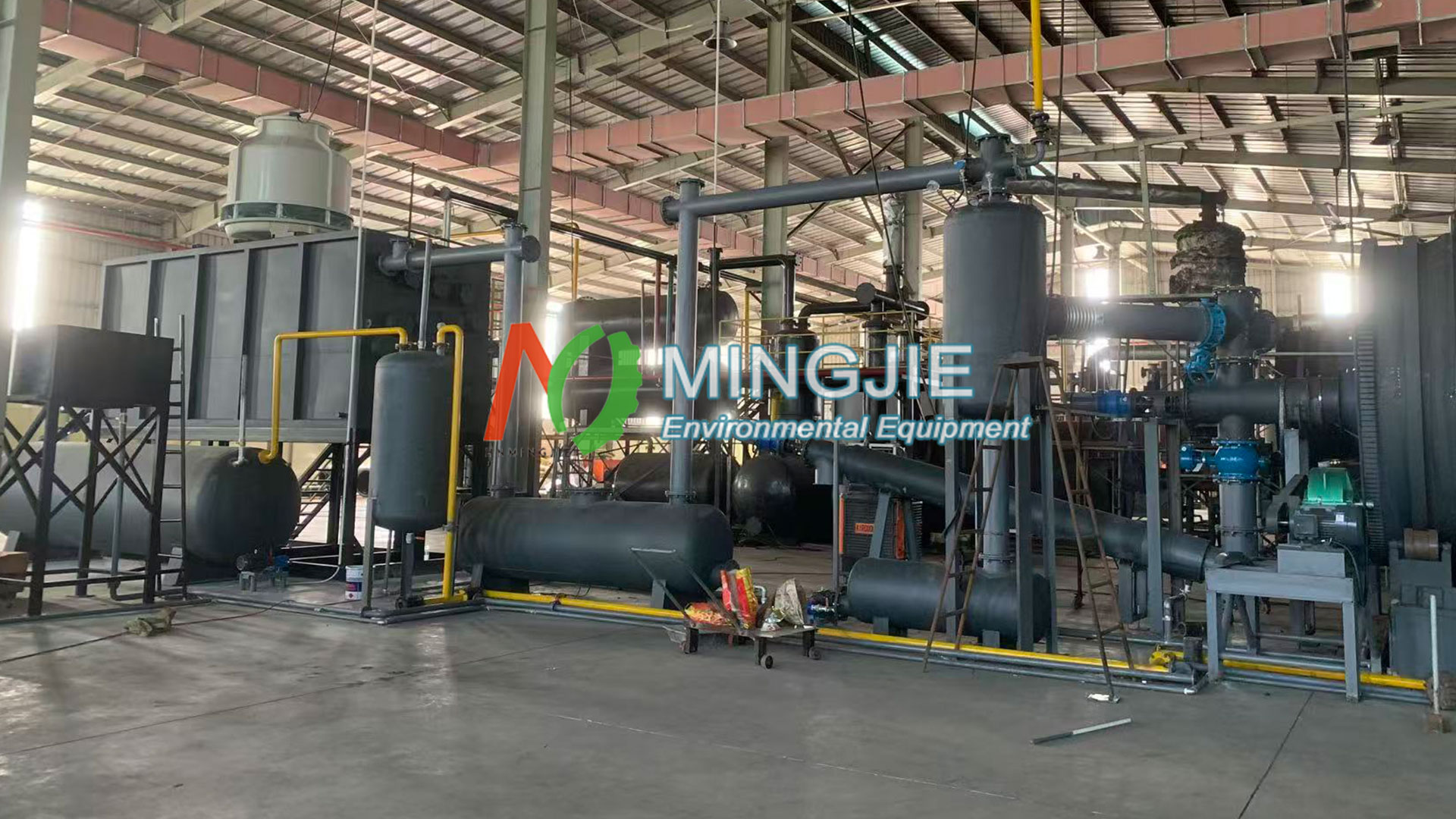
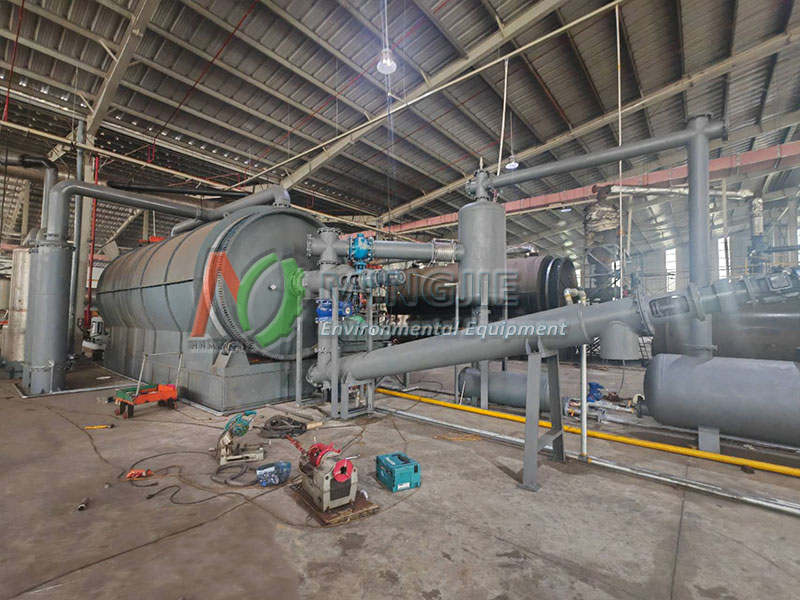
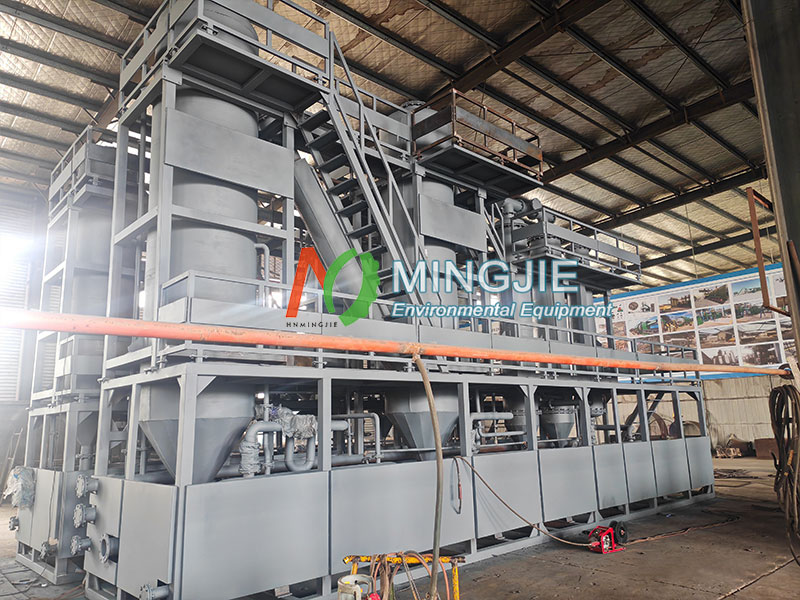
Establishing a plastic pyrolysis plant requires substantial initial investment, including raw material handling system, pyrolysis reactor, feeding system, oil and gas recovery system, heating system, discharge system, flue gas treatment system, and electrical control system. To meet fuel or chemical specifications, plastic pyrolysis oil distillation plant is often required, further increasing the financial burden.
Energy consumption during continuous operation impacts operating costs. Maintenance costs for high-temperature equipment remain considerable. Regulatory compliance requirements, such as mandatory monitoring and safety systems, also increase capital investment.
Financing difficulties delay the implementation of waste plastic pyrolysis projects for small and medium-sized enterprises. Due to the complexity of operations, the return on investment cycle may be prolonged. High investment thresholds and low profitability deter many investors and market participants. To unlock the potential of the plastic pyrolysis market, targeted and systematic cost-reduction strategies can be adopted in all aspects, including capital investment, operation management, and industry cooperation.
Optimizing Capital Investment Models
The capital-intensive nature of pyrolysis equipment is a major obstacle to market entry. Optimizing investment models is the most direct way to reduce initial cost of pyrolysis plant.
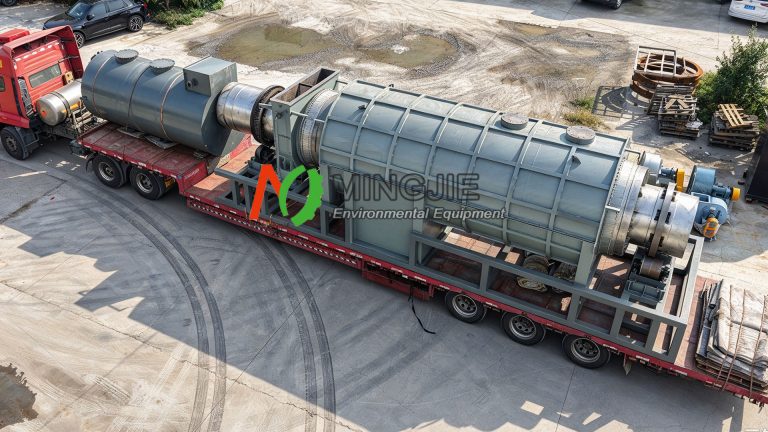
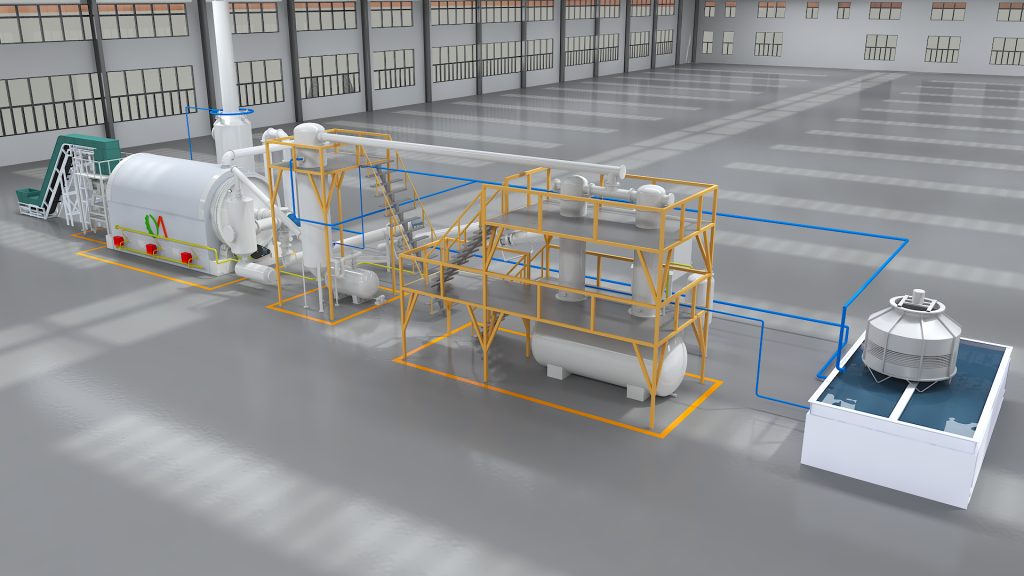
Modular pyrolysis units replace fully customized pyrolysis systems. Standardized modular pyrolysis equipment is prefabricated in the factory and assembled on-site. This shortens the construction cycle of plastic pyrolysis plants from 18 months to 6-8 months. This model can reduce fixed asset investment by 20%-30% and supports phased construction and flexible capacity expansion.
Enterprises can start production with a smaller initial investment and gradually expand capacity based on raw material supply and market demand. This effectively avoids the risk of idle funds. For small and medium-sized projects, semi-continuous pyrolysis system is an ideal choice for balancing plastic pyrolysis plant cost and production efficiency. At the same time, it avoids the high investment costs of fully automatic pyrolysis plant.
Optimizing the Entire Process
High expenditures on raw material pretreatment, energy consumption, and equipment maintenance continue to erode the profit margins of waste plastic pyrolysis projects. Refined optimization of the entire process is key to reducing the cost of pyrolysis plant.
First, establishing a long-term, stable supply chain can reduce procurement, transportation, and warehousing costs. This will avoid production losses caused by fluctuations in raw material prices.
Second, waste heat recovery enables energy recycling. Pyrolysis reactions generate large amounts of high-temperature flue gas and waste heat. Installing waste heat recovery and tail gas heat utilization devices converts waste heat into energy, achieving partial energy self-sufficiency. This significantly reduces energy consumption costs and improves the overall energy efficiency of the plastic pyrolysis plant.
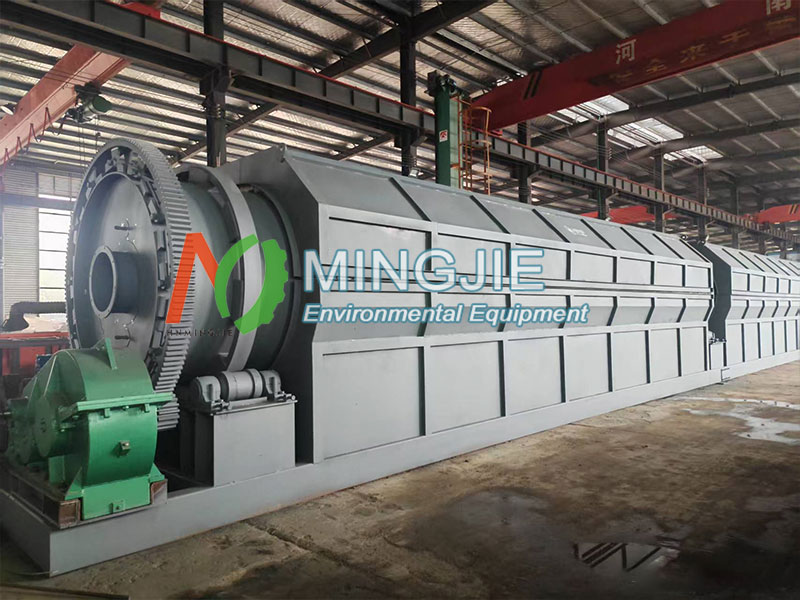
Third, implementing refined, full life-cycle equipment maintenance. Modular detachable equipment structures simplify maintenance processes and reduce downtime. This improves equipment uptime and capacity utilization, and reduces fixed maintenance cost of pyrolysis plant.
Empowering Policy and Industry Cooperation
Policy support and supply chain collaboration can effectively share cost pressures for enterprises and reduce investment risks. Simultaneously, it can optimize the overall cost ecosystem of the pyrolysis industry.
Enterprises can apply for special subsidies for the circular economy, tax reductions and exemptions, and low-interest green loans to reduce financing costs and tax burdens. Many regions offer preferential policies for waste plastic chemical recycling projects, directly offsetting capital and operating costs and shortening the investment return cycle.
Enterprises can build upstream and downstream collaborative mechanisms. Through resource sharing and joint capacity building, they can jointly bear the cost of pyrolysis plant. Furthermore, through industry linkage, high-value utilization of pyrolysis oil and by-products can be achieved. This not only increases the added value of plastic pyrolysis products, but also enhances the overall cost-bearing capacity of the project.
Conclusion
The cost of pyrolysis plant varies greatly, ranging from tens of thousands of dollars for small pyrolysis plant to tens of millions of dollars for large scale pyrolysis plant. The pyrolysis plant price depends on its processing capacity and level of automation. Reducing the cost of pyrolysis plant is not a matter of optimizing a single aspect. It involves a systemic upgrade encompassing capital models, core technologies, and operational management.