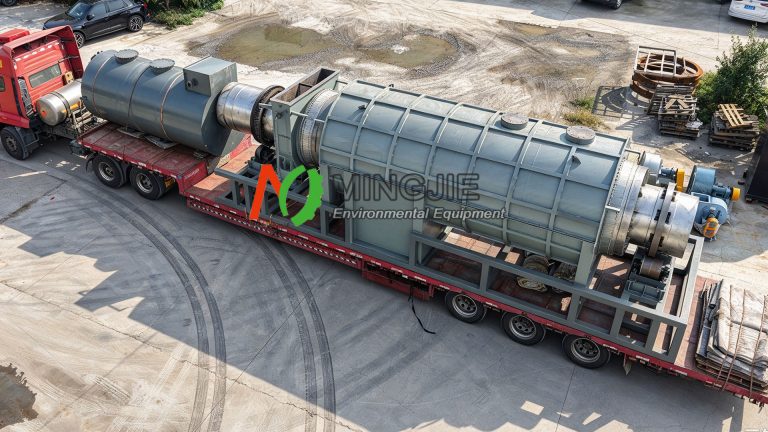
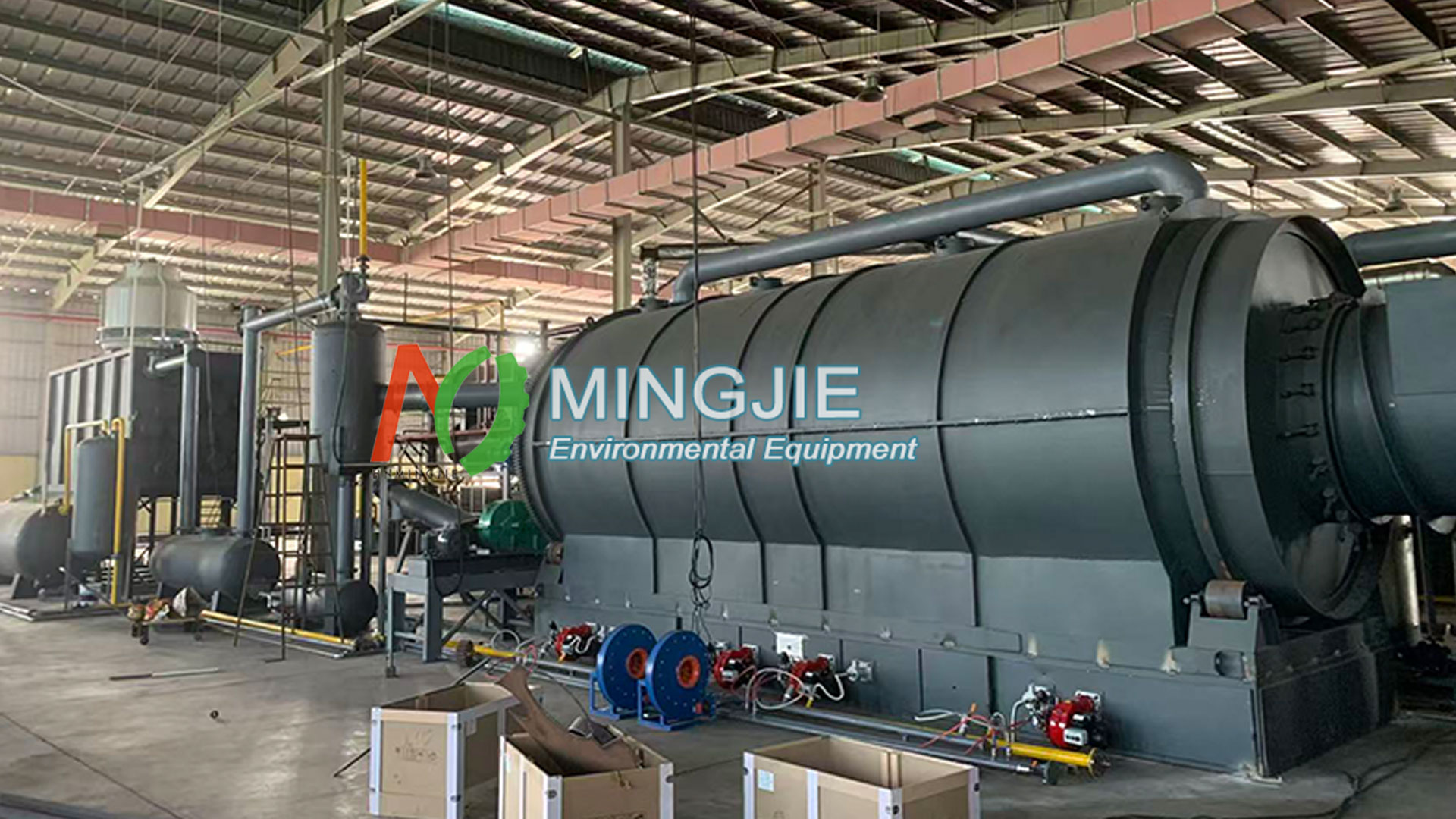
On July 24, 2026, Mingjie engineers were installing the waste plastic to diesel plant in Vietnam. The complete waste plastic to diesel system consists of two main units: plastic pyrolysis system and pyrolysis oil distillation system. These are key industrial equipment for solving plastic pollution and developing alternatives to fossil fuels.
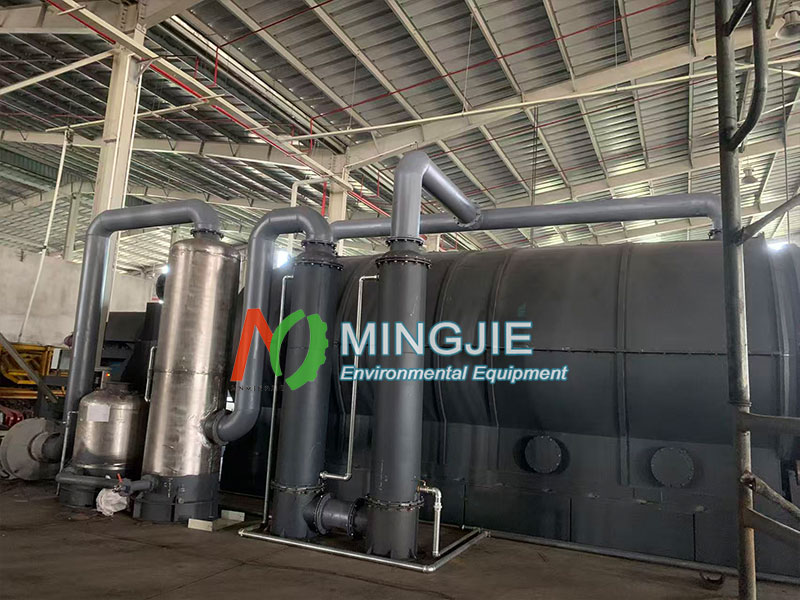
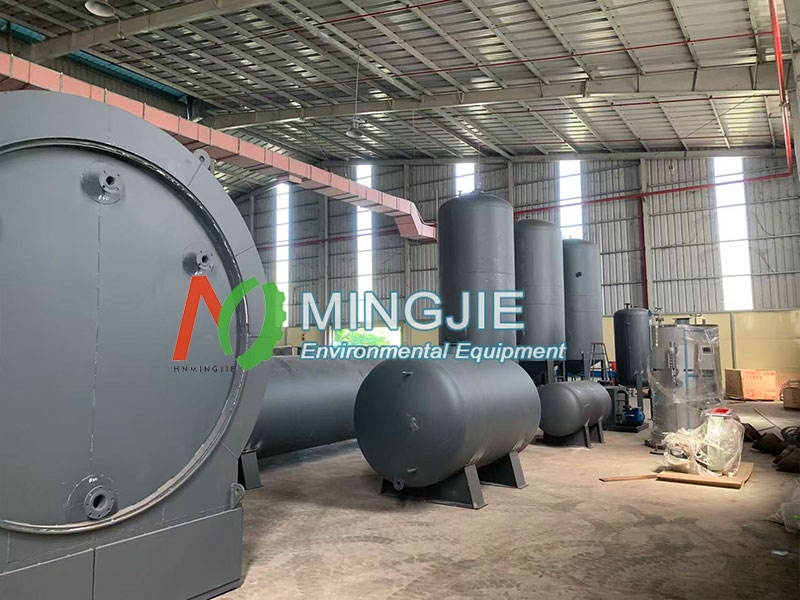
The waste plastic to diesel plant offers a technological path that combines environmental value with economic potential. Through pyrolysis and refining processes, it converts waste plastics into high-value diesel fuel. This waste plastic into diesel conversion technology is moving from the laboratory to large-scale industrial application, becoming an important direction in the circular economy.
How a Waste Plastic to Diesel Plant Works
This waste plastic to diesel plant primarily employs pyrolysis and distillation purification processes.
The core of producing diesel from waste plastic lies in the pyrolysis plant. Under anaerobic or oxygen-deficient conditions, the pyrolysis equipment heats the plastic to 300-600℃, causing the long-chain polymer molecules to undergo chain-splitting reactions, decomposing into a mixture of hydrocarbons with shorter carbon atoms. These products escape in gaseous form and are collected by condensation to obtain crude pyrolysis oil.
Crude pyrolysis oil already contains the main components of diesel (such as C10-C22 alkanes), but it contains many impurities and requires further refining to meet commercial diesel standards.
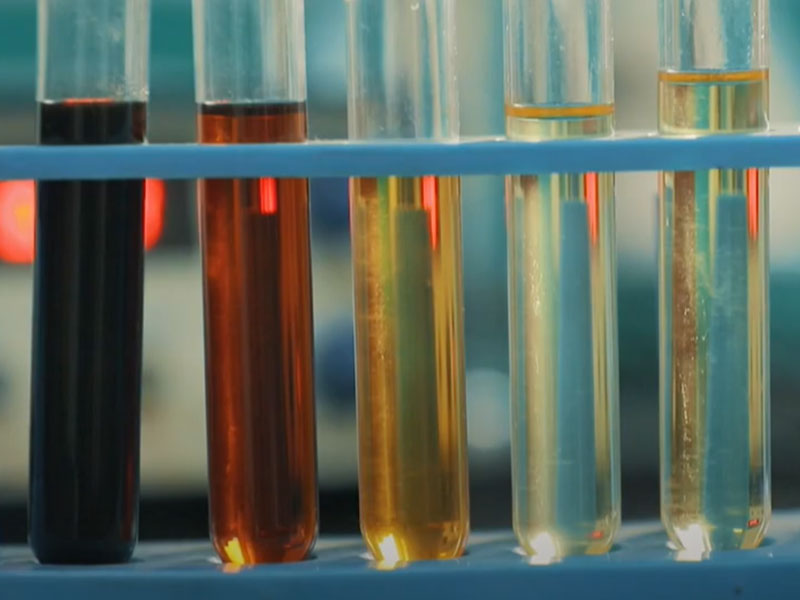
The crude pyrolysis oil is then separated into diesel fractions through vacuum distillation. Further processes such as acid washing, alkali washing, and adsorption remove impurities such as sulfur, nitrogen, pigments, and gum. The final product is a diesel product with quality close to commercially available standards.
Core Structure of Waste Plastic to Diesel Plant
A complete waste plastic to diesel plant typically includes the following core systems: feeding system, pyrolysis reactor, condensation and oil-gas separation system, distillation and refining system, slag discharge system, exhaust gas treatment system, and PLC control system.
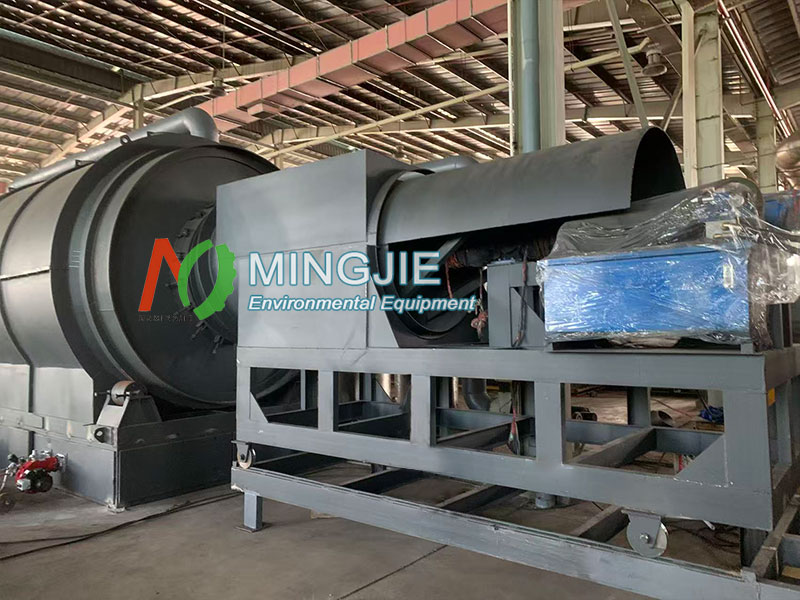
Feeding System: Employs a screw feeder to achieve closed-loop feeding, preventing air ingress and potential safety hazards.
Pyrolysis Reactor: A rotating reactor with an external heating chamber to ensure uniform heating of the material.
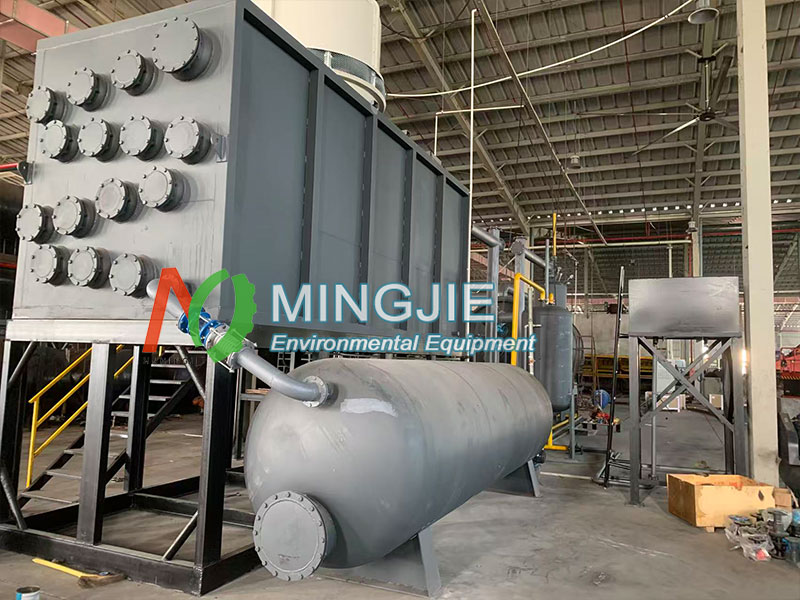
Condensation and Oil-Gas Separation System: A horizontal composite condenser with indirect cooling via circulating cooling water, rapidly liquefying the mixed oil and gas. A buffer tank and oil-water separator separate free water from crude oil, preventing water from entering the reactor.
Distillation System: Consists of a vacuum distillation reactor, heating device, negative pressure unit, fractionation tower, and condensate collection tank. Low-temperature fractionation under negative pressure precisely cuts the diesel fraction.
Refining Unit: Includes pickling tank, alkali washing tank, and adsorption filter, used to remove sulfides, colloids, and pigments from pyrolysis oil.
Solid Residue Discharge System: Water-cooled, sealed, and automatically discharges residual carbon black from pyrolysis, eliminating dust pollution.
Tail Gas Treatment System: The combustion flue gas from the reactor sequentially passes through dust removal, spray washing, and activated carbon adsorption purification systems. Particulate matter, VOC, and dioxin emissions all meet domestic and EU environmental standards.
Intelligent Control System: Precisely controls temperature, pressure, and feed rate to ensure long-term continuous operation.
Suitable Plastics for Plastic to Diesel Plant
The optimal plastic raw material is polyolefin hydrocarbon structure. It boasts an oil yield of 65%~75%, high-quality diesel fuel, and low equipment wear. Its pyrolysis byproducts are pure, and the distilled diesel fuel has a high proportion of light oil, making it the main raw material for plastic-to-diesel production.
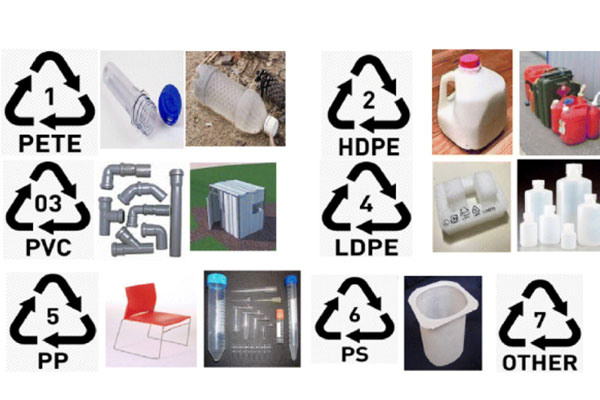
PE (Polyethylene): Highest oil yield, moderate wax content, clear distilled diesel fuel with minimal coking.
- HDPE (High-Density Polyethylene): Plastic buckets, plastic jugs, plastic pipes, detergent bottles
- LDPE/LLDPE (Low-Density Polyethylene): Agricultural film, supermarket plastic bags, packaging film, express delivery stretch film
PP (Polypropylene): Disposable lunch boxes, plastic woven bags, plastic baskets, automotive plastic interiors, plastic bottle caps. Its advantages include a high proportion of light oil from pyrolysis, good diesel fuel flowability, and resistance to solidification at low temperatures.
PS (Polystyrene): Appliance foam packaging, takeout foam boxes, foam cushioning fillers. Its advantages include easy pyrolysis, fast oil yield, and a high proportion of light oil components.
ABS (Polyethylene terephthalate): Used to manufacture plastic parts for appliance casings, keyboards, and luggage. It contains a small amount of benzene rings, and the cracked oil has a slightly strong odor. Processing it alone tends to produce a relatively heavy oil. Co-pyrolysis with up to 20% PE/PP can improve the oil quality.
EVA plastic: Can be blended with small amounts of pure polyolefins. Processing it alone tends to produce a small amount of gel. Distillation requires additional filtration and decolorization processes.
In summary
With breakthroughs in continuous pyrolysis technology and intelligent control systems, coupled with the ongoing global demand for carbon reduction and a circular economy, the plastic pyrolysis recycling industry is entering a period of opportunity for large-scale development. Waste plastic to diesel plant is not only a key to solving white pollution, but also a bridge connecting waste management and clean energy supply.