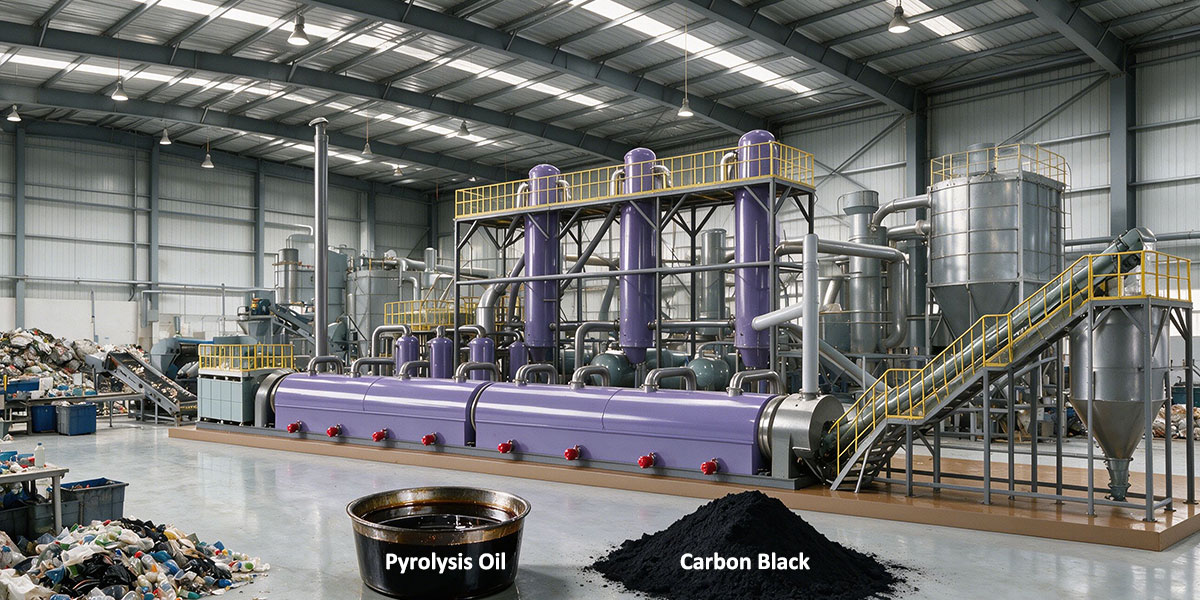
Traditional mechanical recycling, limited by sorting precision, impurity tolerance, and the poor quality of recycled materials, can no longer meet the global demand for plastic recycling. Continuous plastic pyrolysis technology, as a core and mature process in chemical recycling, has become a key alternative technology supported by global policies. Pyrolysis equipment can process mixed, dirty, and recalcitrant waste plastics, while simultaneously producing high-value-added products such as pyrolysis oil, carbon black, and syngas.
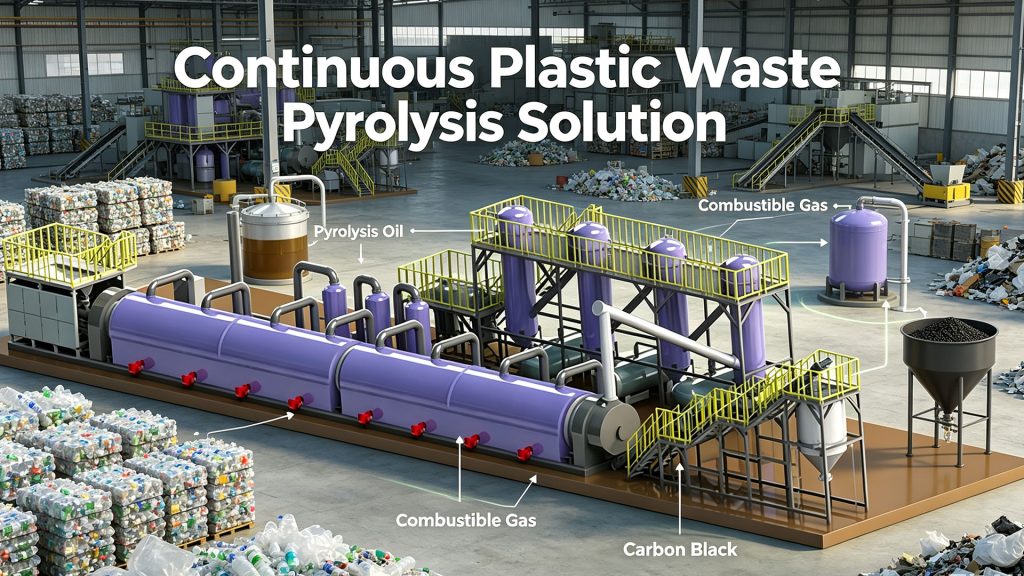
Policy Impact on Continuous Pyrolysis Technology
Globally differentiated waste plastic recycling policies are reshaping the industrialization pace of continuous pyrolysis of plastics. These policies will profoundly drive the industry’s transformation from extensive pilot applications to large-scale, standardized, and compliant commercial implementation.
Overall, global policies are gradually moving away from a single reduction control model towards a three-dimensional approach of reduction + recycling + high-value utilization. Continuous pyrolysis technology, with its higher scalability, automation, and resource recovery rates, has become the core tool for implementing waste plastic recycling policies in various countries.
EU: High-Standard Accounting Rules Drive Continuous Pyrolysis Technology
The EU, with its centralized top-level legislation, is becoming the region with the most concentrated planned capacity for the global pyrolysis industry. Its core policies are the Packaging and Packaging Waste Regulation (PPWR) and the End-of-Life Vehicle Regulation (ELVR). Both establish mandatory blending targets for post-consumer recycled plastics (PCR) and explicitly recognize chemical recycling as a factor in recycling indicators.
As a global benchmark for plastic recycling, the EU’s policies directly determine the compliance standards and product export rules for the global pyrolysis industry. In 2026, the EU officially implemented the Mass Balance accounting rules, providing a unified basis for the resource utilization assessment of chemically recycled products. This resolved the long-standing industry pain point that plastic pyrolysis products could not be included in recycling indicators, significantly enhancing the commercial value of continuous pyrolysis projects.
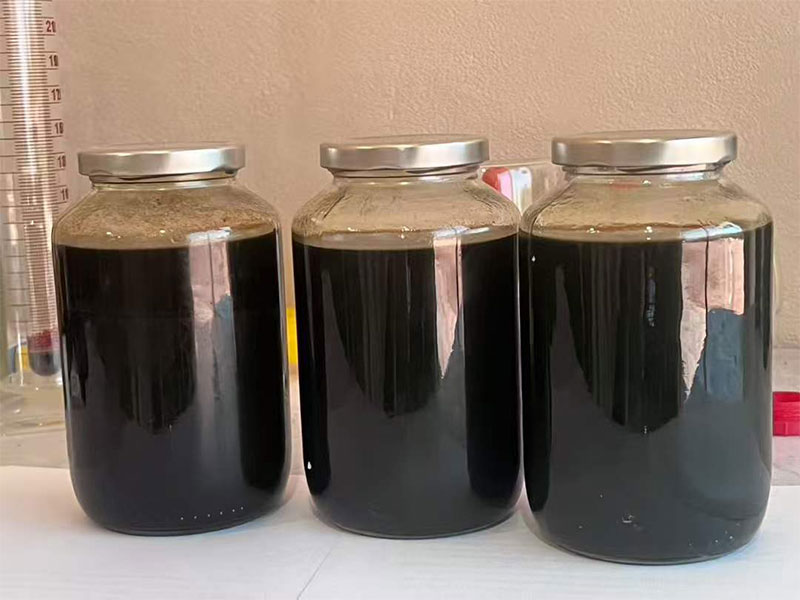
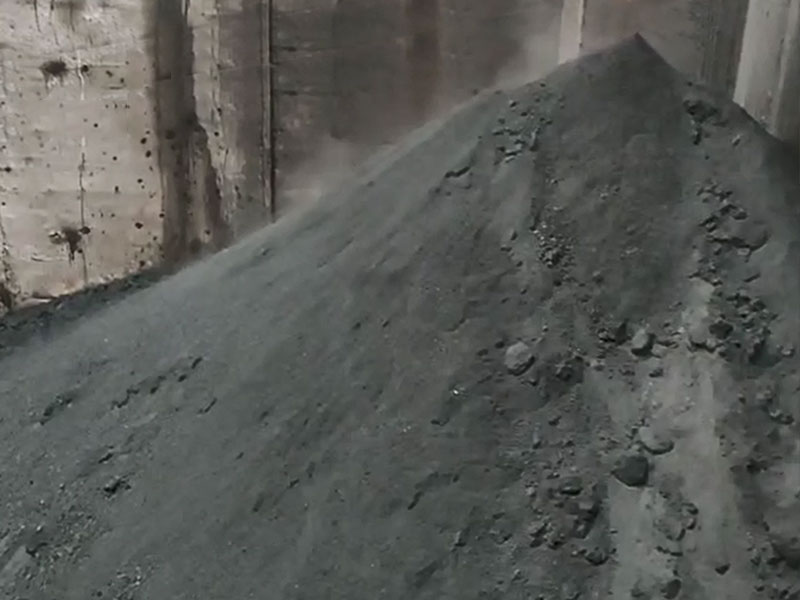
Simultaneously, the EU introduced stringent restrictive provisions, explicitly stipulating that pyrolysis products used for fuel combustion are not included in the recycling ratio. Only products used for material processing and deep processing are included in recycling indicators. This policy directly changes the business model of the European continuous pyrolysis industry, forcing companies to abandon the low-end model of simply producing oil and selling fuel. Instead, they are shifting towards a high-value development path that includes deep processing of pyrolysis oil, refined utilization of carbon black, and resource utilization of syngas.
Furthermore, the EU’s Extended Producer Responsibility (EPR) system requires plastic manufacturers to bear the costs of waste plastic recycling and disposal. This provides a stable supply of raw materials and financial subsidies for continuous pyrolysis projects of waste plastics, promoting the large-scale implementation of the industry.
Waste Plastic Recycling Projects in Europe
Policy expectations directly translate into capacity demand. Industry forecasts show that to meet the PPWR requirements for recycled polyethylene and polypropylene, the EU will need approximately 3.6 million tons of chemical recycling capacity by 2030, reaching 7.6 million tons by 2040. Of this, the demand for food contact grade recycled materials is 400,000 tons by 2030.
This clear signal is accelerating the implementation of plastic pyrolysis recycling projects in Europe. OMV received €81.6 million in EU funding in Schwechat to build a ReOil® plant with an annual processing capacity of 200,000 tons. Dow invested in Xycle to support the construction of its 21,000-ton/year pyrolysis plant, expected to be operational in 2026. France has also been granted a €500 million national aid package specifically to support chemical recycling projects involving mixed waste plastics.
United States: Flexible Development
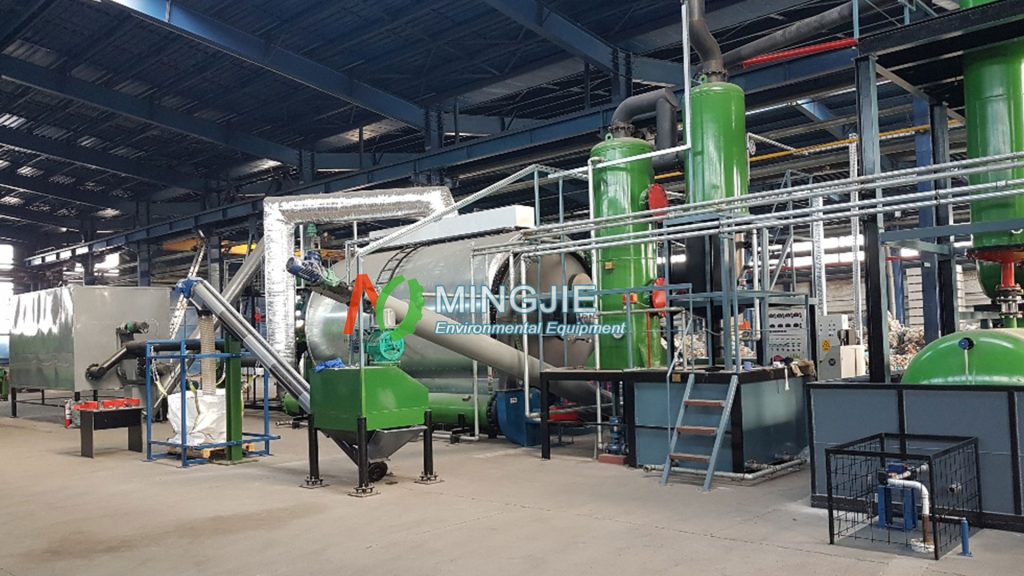
The United States currently lacks a unified federal-level plastic recycling law, implementing differentiated regulatory policies at the state level. This policy uncertainty leads to cautious investment in large-scale centralized pyrolysis projects. Semi-continuous pyrolysis equipment is suitable for small-scale, decentralized waste plastic disposal scenarios across various US states. Simultaneously, US states subsidize pyrolysis resource recovery projects through renewable energy tax credits. This promotes the lightweight and flexible development of the waste plastic recycling industry.
Japan, South Korea: Focus on Harmless Disposal
South Korea has issued a plan clearly stating that by 2030, the proportion of waste plastics processed through pyrolysis will significantly increase, with a focus on supporting continuous pyrolysis technology. Continuous pyrolysis plant can handle medical waste plastics and municipal waste, strictly controlling the emission of pollutants such as dioxins.
Japan, relying on its Basic Law for a Recycling-Oriented Society, includes continuous pyrolysis products in its list of renewable resources. It encourages the use of pyrolysis oil and recycled carbon black to replace virgin raw materials in the industrial sector, promoting the industry’s high-end and refined development.
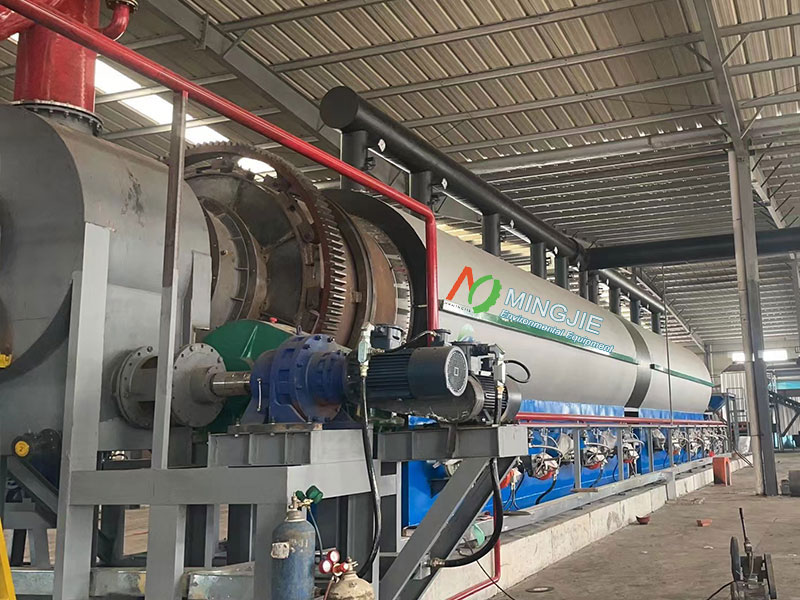
China: Large-Scale Development of Continuous Pyrolysis
Domestic waste plastic recycling policies focus on standardized management, energy conservation and carbon reduction, and improved efficiency. Domestic policies explicitly support continuous pyrolysis technology for treating difficult-to-dispose-of solid wastes such as mixed waste plastics, medical waste plastics, and industrial contaminated plastics. With the support of dual-carbon policies, continuous pyrolysis projects can be included in the carbon emission reduction accounting system, further enhancing the overall benefits of these projects.
In summary
Global entry standards are increasingly favoring continuous pyrolysis technology. Continuous pyrolysis equipment enables 24-hour automated operation, controllable energy consumption, closed-loop environmental protection, and stable products. Simultaneously, policy premiums for recycled plastics and recycled chemical raw materials significantly enhance the return on investment for continuous pyrolysis projects, attracting substantial capital investment.
Policies in various countries explicitly encourage chemical recycling technologies for waste plastic disposal. Continuous plastic pyrolysis plant, with its strong adaptability and high harmlessness capabilities, has become the core equipment for the compliant disposal of high-risk and mixed waste plastics.