Puro.earth is the world’s largest engineered carbon removal registration platform. Biochar is the most widely issued carbon removal pathway on the platform. Registered biochar projects are located in 13 countries across Europe, Africa, Southeast Asia, and Latin America. These projects vary significantly in scale, raw material sources, pyrolysis equipment, application scenarios, and synergistic benefits. However, all adhere to the Puro Standard biochar methodology, producing CORC (CO₂ Removal Certificate) carbon removal credentials.
Common Characteristics of Biochar Projects in the Puro Register
All biochar projects registered and certified by Puro, regardless of location or size, must meet mandatory methodological constraints, forming the underlying commonality of all projects.
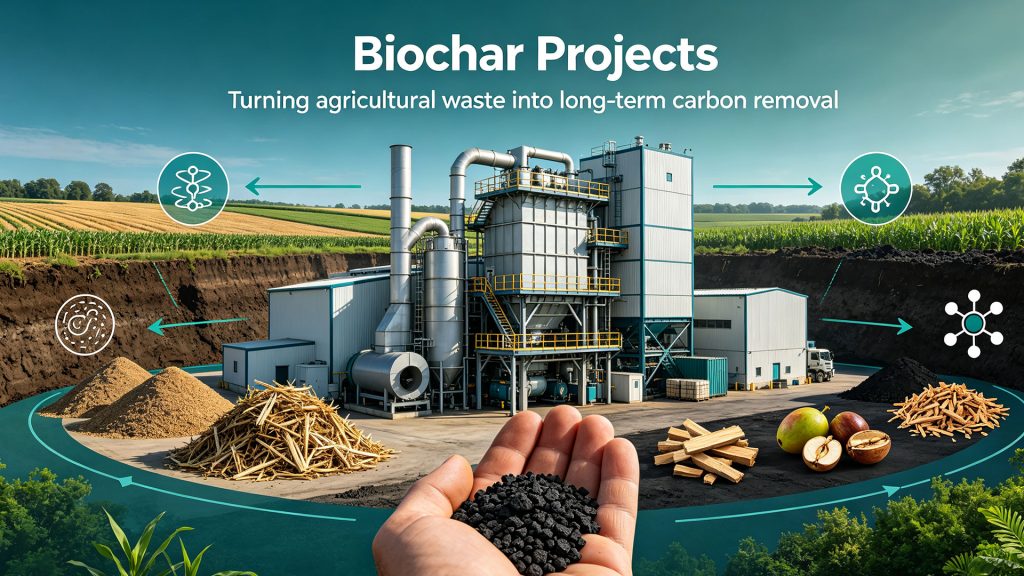
Unified Carbon Removal Mechanism
Core mechanism: Waste biomass undergoes anoxic pyrolysis, converting atmospheric carbon fixed through photosynthesis into resilient and stable biochar. The biochar is used in compliant carbon sequestration scenarios to achieve carbon sequestration across centuries, resulting in net carbon dioxide removal.
Consistent Methodology and Carbon Certificate System
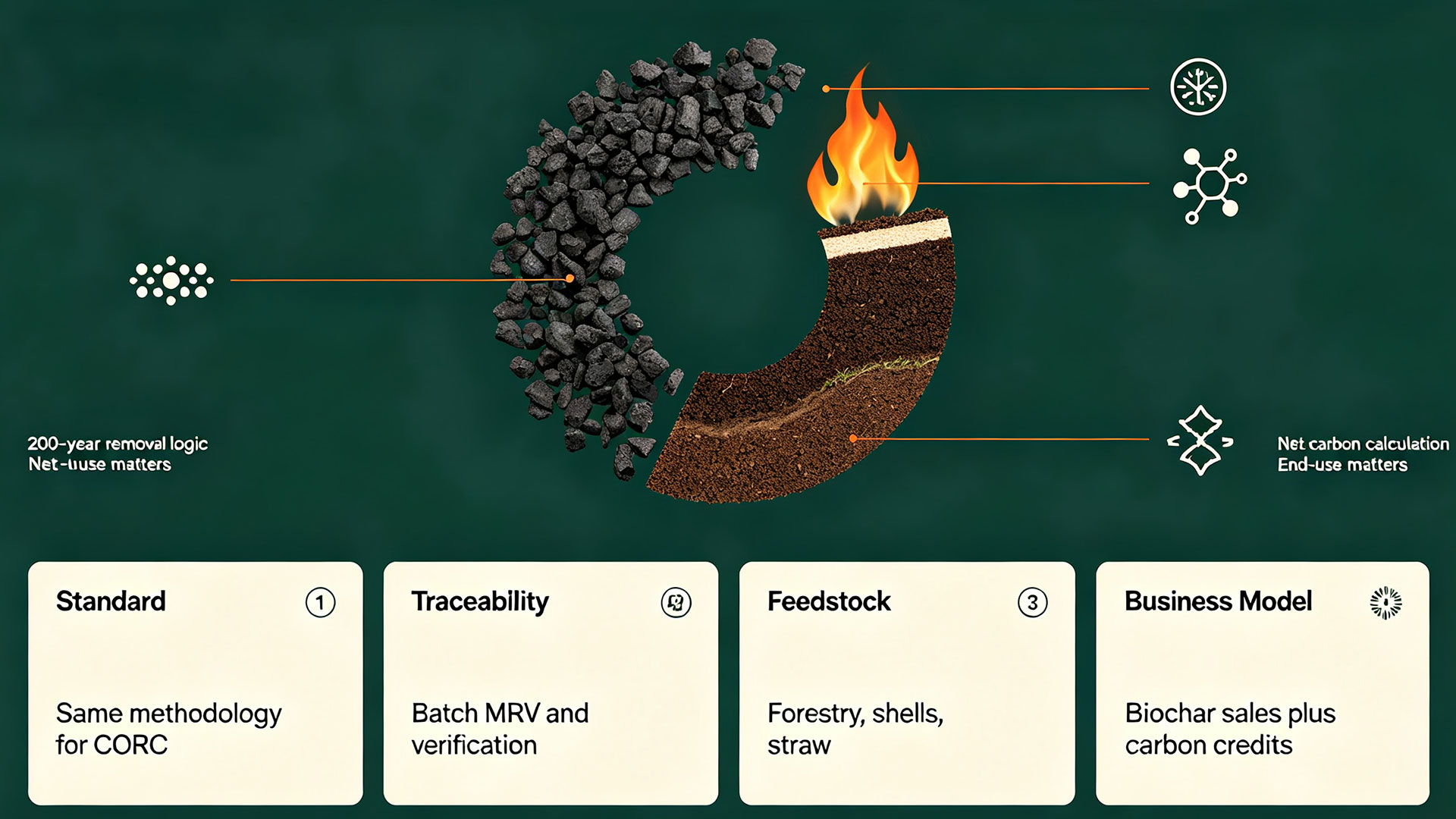
All projects adhere to the Puro biochar methodology, with the 2025 update uniformly adopting the CORC200+ Durability Rating. Carbon sequestration timescales are calculated over 200 years, complying with the ICVCM core carbon principles (Puro.earth).
Carbon output certificates are uniformly CORC, without using VCU or other registration systems. Carbon removal is Net Carbon Removal. This excludes all greenhouse gas emissions from biomass collection, storage, transportation, factory energy consumption, and pyrolysis.
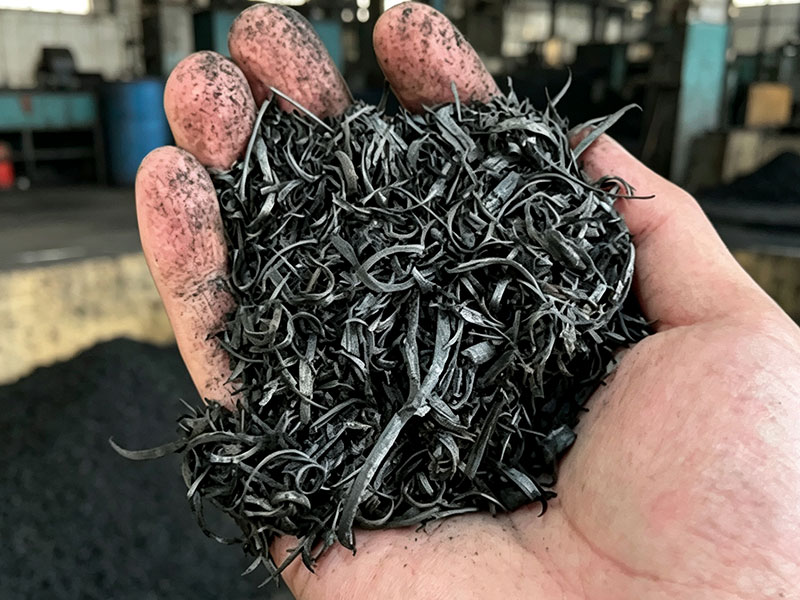
Biochar stability is assessed using a combination of organic hydrogen-to-carbon ratio and laboratory testing. Only stable carbon components are included in carbon removal accounting. Not the entire mass of biochar is converted into carbon credits.
Biochar Production Line
Biochar production must utilize a controlled pyrolysis process. Pyrolysis combustible gases must be fully combusted, reducing methane emissions to negligible levels. Open-air charcoal kilns and simple carbonization devices are non-compliant.
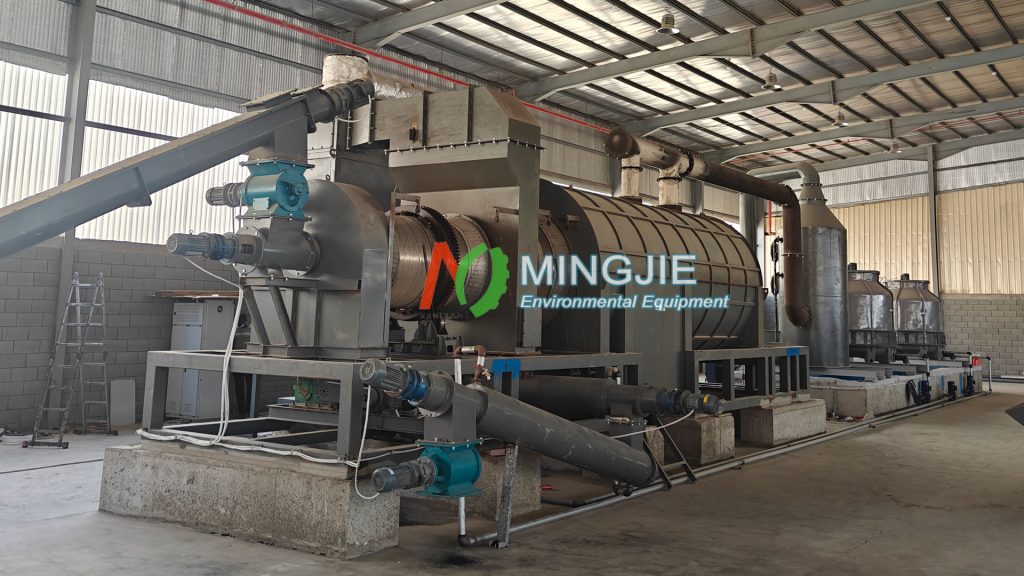
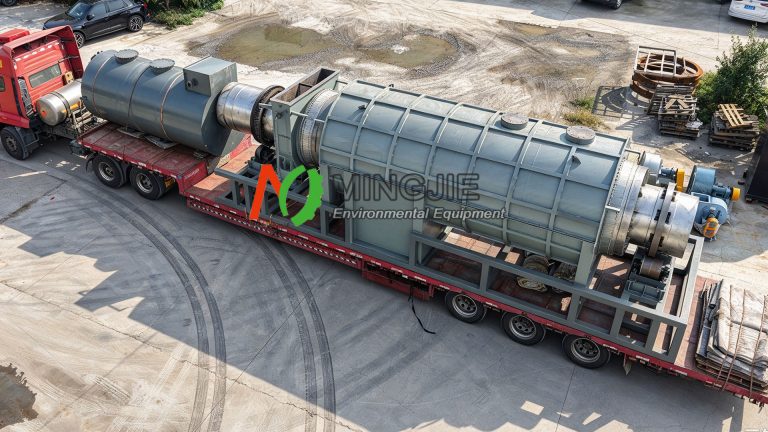
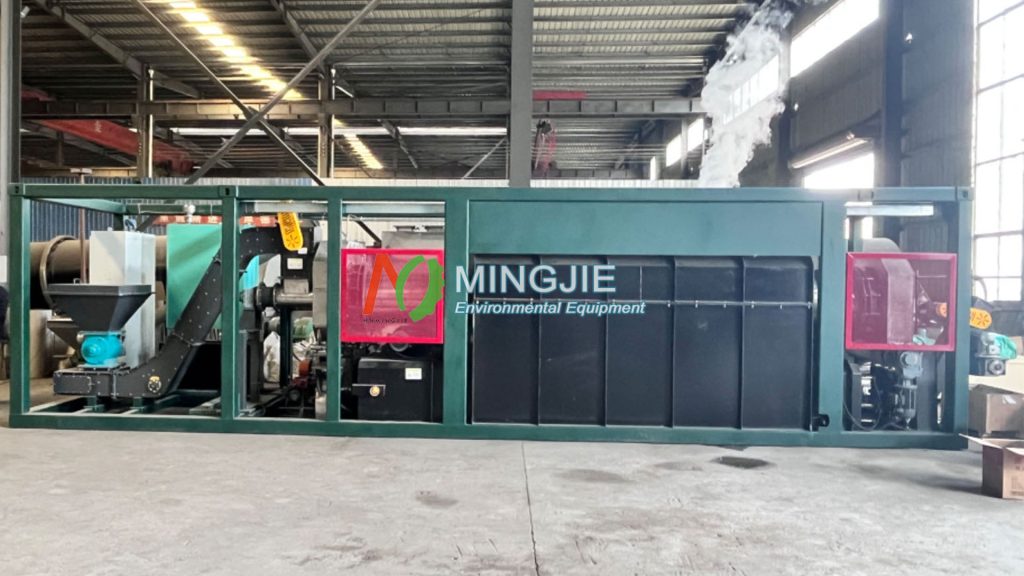
Mingjie biomass carbonization plant adopts continuous pyrolysis technology, which enables continuous production of biochar while recovering combustible gas and waste heat. It meets the biochar production standards registered on the Puro platform.
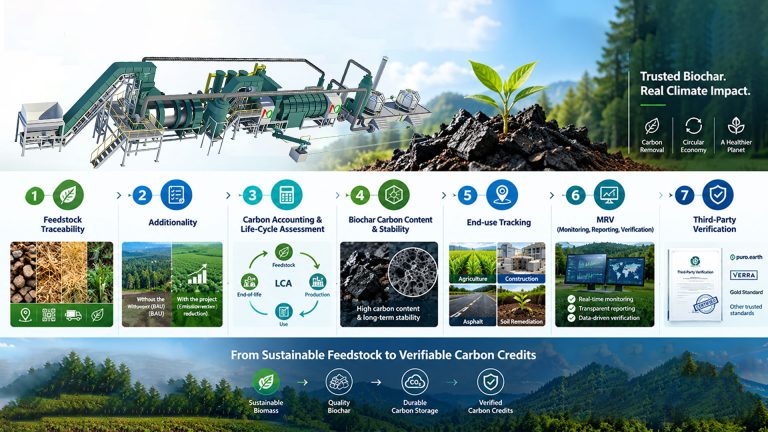
MRV mandates that each batch of biomass feedstock be assigned a unique batch ID. Feedstock quantity, pyrolysis conditions, biochar output, laboratory test reports, and final sequestration destination are all linked to this batch ID. This is to prevent double counting of carbon credits. Auditing agencies can fully trace the physical batch corresponding to each CORC.
Waste materials are prioritized for biomass feedstock. Logging of native forests as production feedstock is prohibited. A raw material traceability chain is established to mitigate land conversion risks.
Uniform Access Rules for Biochar End-of-Life Uses
CORC credits can only be issued for Long-Term Storage Scenarios. These include application to farmland soils, mine remediation, landscaping soil improvement, and integration into durable building materials for solidification and storage.
Biochar used for fuel incineration or as a disposable horticultural substrate, which will be subsequently consumed by combustion, cannot generate carbon removal credits.

Third-Party Verification Mechanism
Biochar projects require completion of preliminary factory assessment, stable operation cycle evaluation, third-party on-site audit, and product sampling and testing. Subsequent annual monitoring and verification are also necessary. All project records must be retained for at least two years for audit access.
Differentiating Dimensions of Puro Registered Biochar Projects
Global Puro biochar projects exhibit significant differentiation in raw materials, equipment types, project scale, location, revenue structure, and synergistic benefits. This directly impacts the return on investment, carbon credit pricing, and market positioning of biochar projects.
Different Sources of Biomass Raw Materials
Different regions leverage their local agricultural and forestry waste resources, resulting in entirely different raw material routes. This leads to differences in raw material collection costs, impurity content, and the physicochemical quality of biochar.
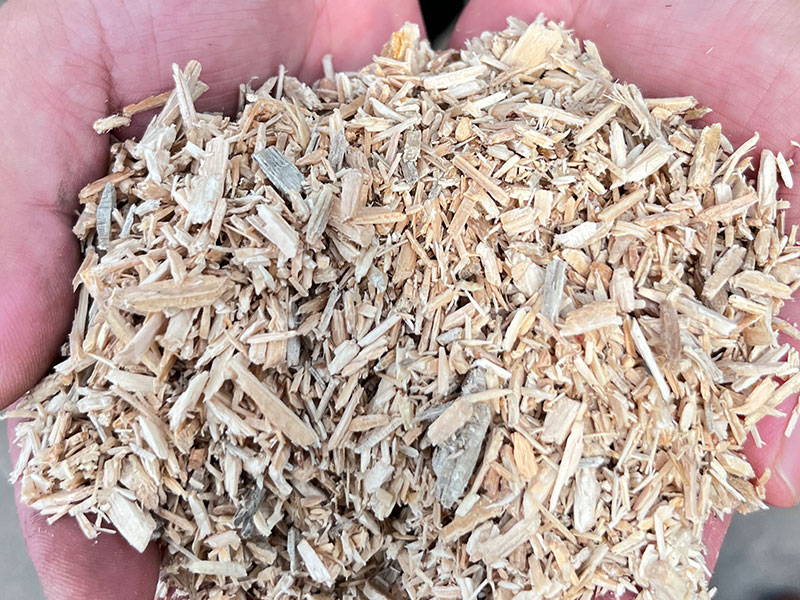
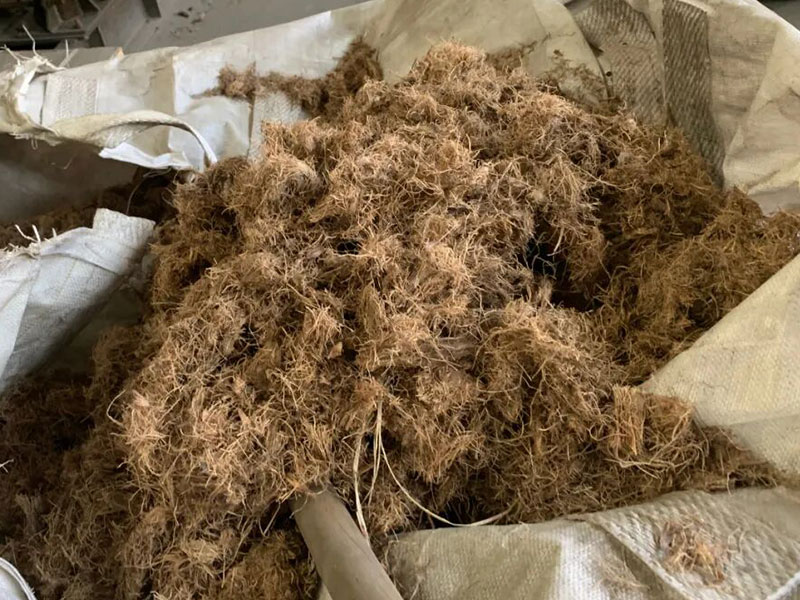
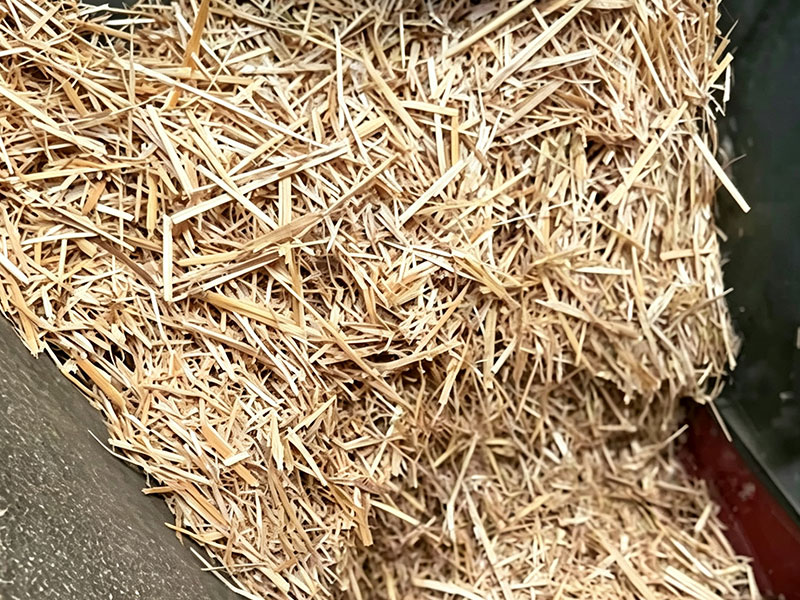
- Forestry waste projects primarily utilize forest tending residues, wood processing scraps, and landscaping waste. Wood-based raw materials have low ash content, making it easy to produce high-grade EBC-certified biochar. The raw materials are dispersed, resulting in higher collection and transportation costs, making them suitable for large-scale centralized pyrolysis parks.
- Tropical biochar projects utilize cocoa shells and palm waste. Raw materials are concentrated around agricultural processing plants, resulting in low collection costs. The ash content is higher, and the biochar produced is rich in minerals such as potassium, making it highly suitable for local farmland improvement. However, it is highly seasonal, posing a risk of raw material supply fluctuations.
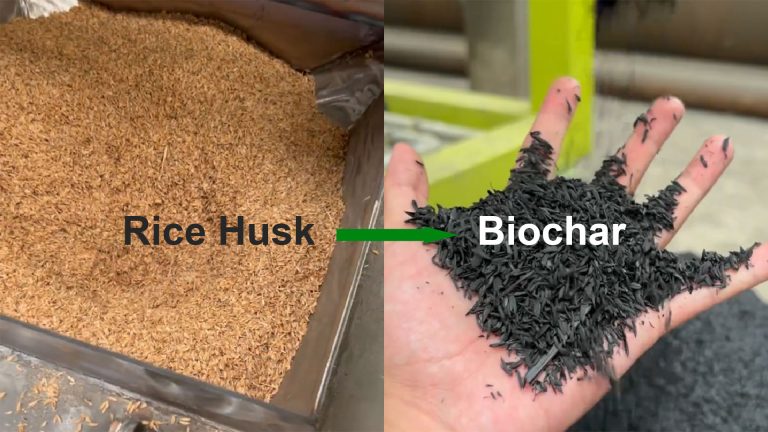
- Agricultural waste projects utilize field agricultural residues such as corn stalks and rice husks. The output is large and concentrated, leading to significant open-air burning issues. Biochar projects offer environmental benefits, including reduced combustion and improved air quality. The raw materials are bulky, resulting in high costs for pre-treatment crushing and drying.
Differences in raw materials directly influence equipment selection. Wood waste is best suited for medium-to-high temperature continuous pyrolysis. Lightweight materials like straw place higher demands on the hardware of the feeding and drying pre-treatment units.
Differences in Pyrolysis Equipment and Process Routes
Puro registration projects cover both fully continuous pyrolysis and semi-continuous pyrolysis equipment. Different equipment technologies result in differences in MRV data acquisition capabilities, operation and maintenance costs, and annual carbon removal capacity per plant.
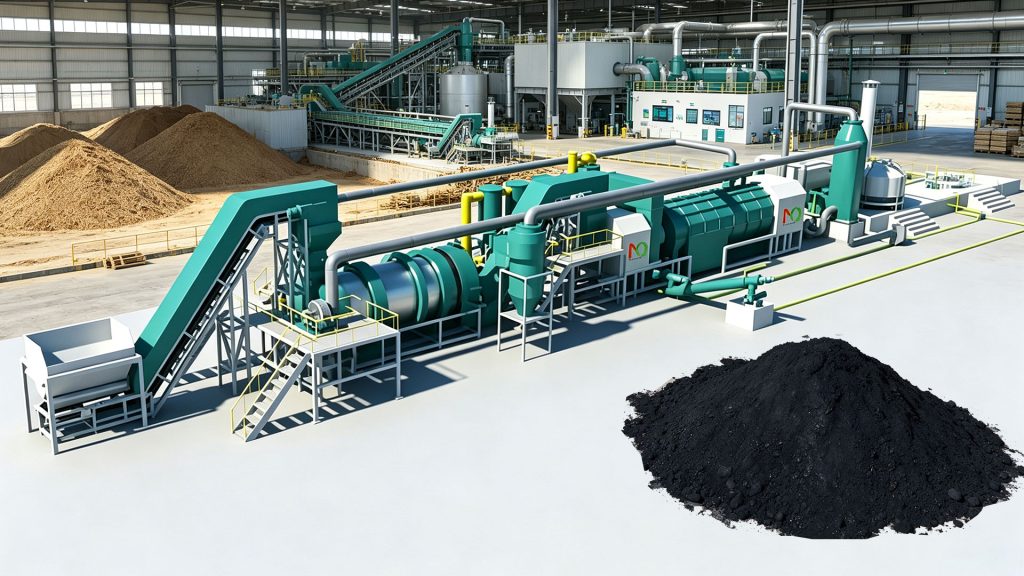
Large-scale fully automated continuous pyrolysis production lines: Stable operating conditions, continuous digital recording of temperature and residence time, meeting Puro batch-MRV digital acquisition requirements. By-product heat can supply industrial park heating, improving energy self-sufficiency. Annual carbon removal capacity per site can reach thousands of tons of CO₂, suitable for large-scale industrial CORC supply.
Rotary kiln semi-continuous pyrolysis projects (mostly in Africa and Southeast Asia): Relatively lower investment threshold, strong adaptability to tropical agricultural waste, suitable for localization in developing countries. Greater batch-to-batch fluctuations in operating conditions require increased sampling frequency. An additional digital recording system needs to be built to supplement dMRV data capabilities and meet Puro audit requirements.
Biochar methodology itself does not mandate specific equipment types. Batch/semi-continuous equipment can also be registered with Puro. However, digital batch tracking capability is a hard requirement. Intermittent equipment requires more investment in testing and manpower to complete MRV (Match Record Vehicle). The continuous large scale biochar production equipment makes it easier to achieve low-cost compliance.
Differences in Project Scale and Carbon Removal Output
- Large scale industrial projects have an annual CORC output of over 3000 tCO₂ per plant. Carbon credit supply is stable, with bulk purchases from large multinational corporations.
- Medium sized regional projects have an annual output of 800-2000 tCO₂. These often rely on local agricultural waste, serving regional carbon purchasing clients.
- Small scale pilot projects are common in Southeast Asia and Africa. They also aim to improve farmers’ livelihoods. Carbon credits are supplementary income, not the sole source of revenue.
Project Revenue Model Differences
Dual Revenue Model: Biochar Sales + CORC Carbon Credit Revenue
European projects can obtain EBC European Biochar Product Certification. The biochar itself is sold as a soil conditioner and industrial adsorbent. Combined with CORC carbon removal certificate trading, this generates dual revenue. Under favorable market conditions, CORC prices are higher, significantly improving the project’s IRR.
Carbon Credit-Focused, Local Product Consumption Model
Biochar is primarily applied locally to surrounding farmland, with minimal commercial sales. The main revenue of biochar projects comes from selling CORC through the Puro platform. The project also includes SDG social benefits such as rural poverty reduction and reducing open burning of straw. Carbon buyers are willing to pay a premium for these synergistic benefits.
Additional Product Certification and Market Adaptation Differences
Some European projects also obtain EBC biochar product certification. EBC controls product safety indicators such as heavy metals and organic pollutants. EBC is not equivalent to carbon credits, but the combination of EBC and Puro-CORC satisfies both EU product access requirements and provides carbon removal certificates. It can be linked to EU CRCF-BCR commercial projects.
Note: Puro overseas projects cannot apply for EU BCR statutory credits and are only for commodity trade.
Most emerging market projects only meet the Puro methodology and do not have EBC certification: biochar is limited to local soil application, products are not exported to Europe, and carbon credits are traded independently.
Differences in Co-benefits
Co-benefits are not a mandatory condition for certification, but they do affect the CORC market premium. Different biochar projects have different focuses.
- European biochar projects: Industrial waste heat utilization, mine remediation, soil remediation.
- African biochar projects: Increased smallholder income, increased agricultural production, and solid waste disposal in the agricultural product supply chain.
- Southeast Asian biochar projects: Elimination of open burning of agricultural waste, reducing local air pollution.