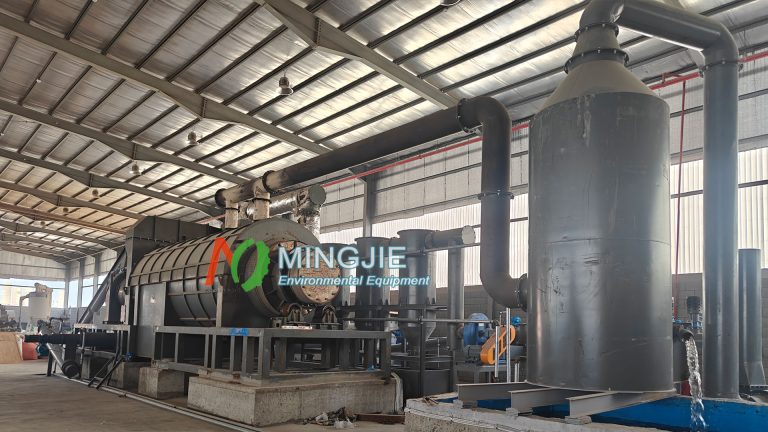
On December 13, 2025, the MJT-1000 biochar manufacturing plant was successfully commissioned and began operation in South Korea. Mingjie biochar production equipment represents a sustainable energy solution. It utilizes continuous pyrolysis technology to convert waste biomass into biochar.
Preparations Before Biochar Manufacturing Plant Operation
The operation of biomass pyrolysis equipment requires a series of meticulous preparations. Equipment inspection, raw material preparation, and environmental considerations are crucial steps.
Equipment Inspection
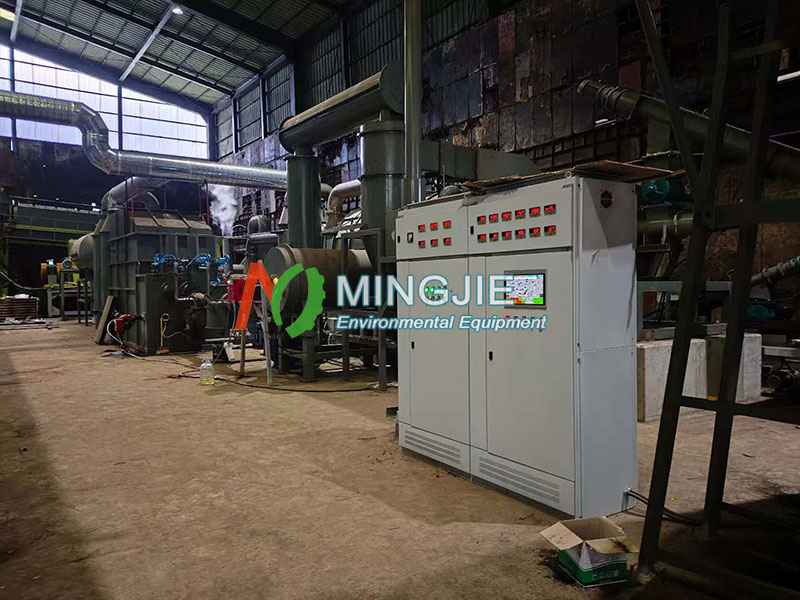
During the equipment inspection phase, technicians need to conduct a comprehensive check of every system of biomass pyrolysis machine. This includes the heating system, sealing system, transmission components, electrical control system, and instrumentation. This will lay a solid foundation for the smooth operation of the biochar manufacturing plant.
Raw Material Preparation
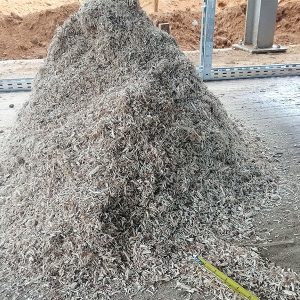
Raw material preparation is another important step before trial operation. Suitable raw materials are key to the success of the pyrolysis reaction, such as wood chips, rice husks, and straw. To meet the stringent requirements of the pyrolysis reaction, the raw materials also need to undergo a series of fine pre-treatments.
Drying is one of the key steps in pre-treatment, as excessively high moisture content will affect the efficiency of the pyrolysis reaction and the quality of the products. The particle size of the raw materials also has a significant impact on the pyrolysis reaction. A crusher is used to break the raw materials into suitable particle sizes. This can improve the rate and uniformity of the biomass pyrolysis reaction.
Environmental Consideration
The selection of the biochar equipment installation site is the primary consideration in environmental planning. The site needs to have good ventilation. Furthermore, the site must be located away from flammable materials and densely populated areas, maintaining a sufficient safety distance from surrounding buildings.
The ground of the site needs to be hardened to withstand the weight of the equipment. A good drainage system is also required to promptly remove any accumulated water. In addition, sufficient space must be reserved around the site to facilitate equipment operation and maintenance.
Before the biochar production plant starts operation, a comprehensive inspection of surrounding infrastructure (power supply and water supply) is also necessary. This ensures that they can meet the needs of the biomass pyrolysis equipment operation.
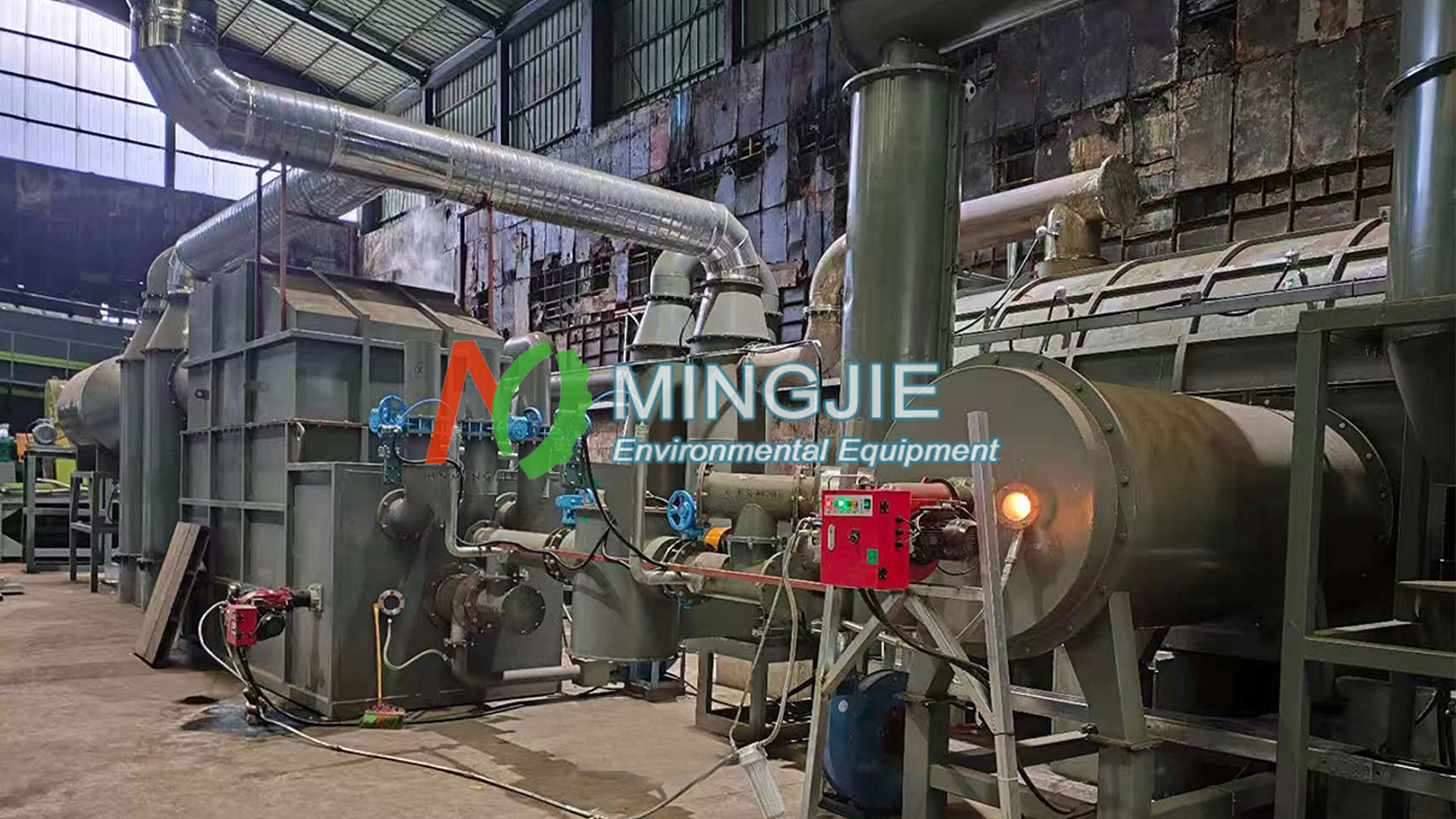
Key Operating Processes of Biomass Pyrolysis Equipment
Once all preparations are complete, the trial run phase of the biomass pyrolysis equipment begins. Every operating step strictly follows the established procedures. Every parameter change is closely monitored, including equipment startup and heating, the pyrolysis reaction process, and product collection.
Startup and Heating Phase
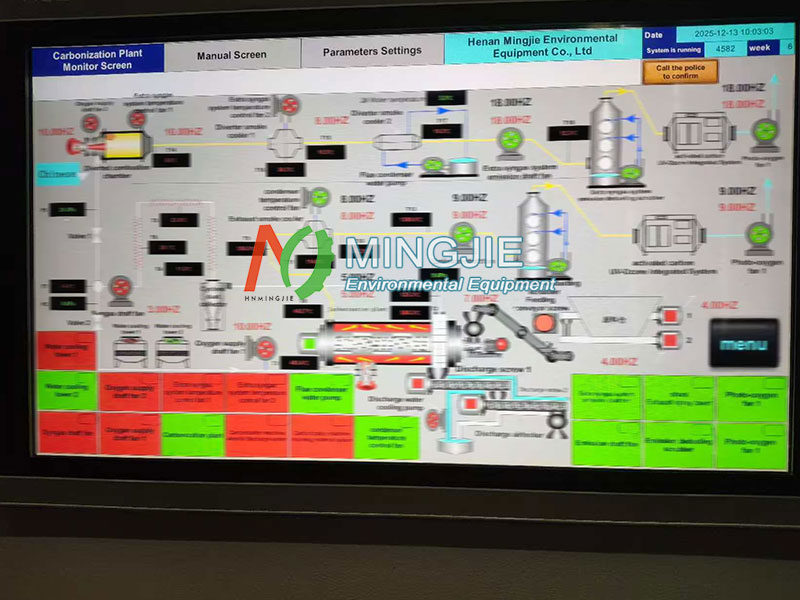
With the heating system activated, the pyrolysis reactor begins to preheat gradually. During this process, technicians monitor the temperature changes inside the reactor using a PLC control system. They adjust the power of the heat source equipment to ensure a uniform temperature increase in the reactor.
When the reactor temperature gradually approaches the predetermined pyrolysis temperature, biomass raw materials are slowly fed into the pyrolysis reactor. The feeding rate of the raw materials must be strictly controlled. According to the pre-set program, the feeding device precisely controls the amount of raw material fed. This ensures that the biomass raw materials begin the pyrolysis reaction under suitable temperature conditions.
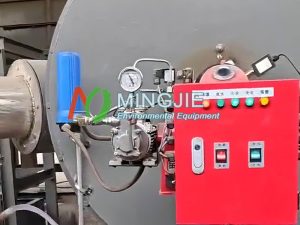
Biomass Pyrolysis Reaction Process
As the temperature continuously increases, the pyrolysis reaction gradually reaches its peak. When the temperature reaches a certain level, the moisture in the biomass is rapidly evaporated. This process not only creates a dry environment for the subsequent pyrolysis reaction, but also releases a portion of energy.
Subsequently, the large organic molecules in the biomass begin to undergo thermal decomposition. Their chemical bonds gradually break under the impact of high temperature. These decomposed small molecules form new compounds, transforming into gaseous, liquid, and solid products.
During the pyrolysis reaction, the atmosphere and pressure inside the reactor also have a significant impact on the reaction process and product distribution. Technicians precisely control the atmosphere inside the reactor, such as using inert gas N₂ for protection to isolate oxygen. This prevents the biomass from undergoing combustion reactions, ensuring the purity and quality of the pyrolysis products. At the same time, they adjust the pressure inside the reactor according to different pyrolysis process requirements to promote the formation of biochar.
Technicians constantly monitor data changes inside the Biomass Pyrolysis Equipment, such as temperature and pressure. They adjust the reaction conditions in a timely manner based on real-time data to ensure that the pyrolysis reaction proceeds under optimal conditions.
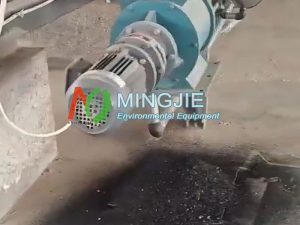
Collection of Biomass Pyrolysis Products
The biomass pyrolysis products biochar is discharged through a water-cooled screw conveyor system. Bio-oil and syngas are separated and collected through a condensation system. After purification, the syngas can be used to heat the reactor.
Summarize
Biochar manufacturing plant, as a key vehicle for realizing the biomass-to-biochar transformation process, has profound significance for environmental protection and resource recycling.
On the one hand, biomass pyrolysis plant can transform a large amount of waste biomass resources into valuable resources. For example, agricultural crop residues, forestry waste, and livestock manure can be converted into usable energy and chemical raw materials. This effectively reduces environmental pollution from waste and lowers waste disposal costs.
On the other hand, compared with traditional fossil fuels, biomass pyrolysis product biochar is clean and low-carbon. Their use significantly reduces greenhouse gas emissions, contributing to global efforts to combat climate change and aligning with sustainable development goals.