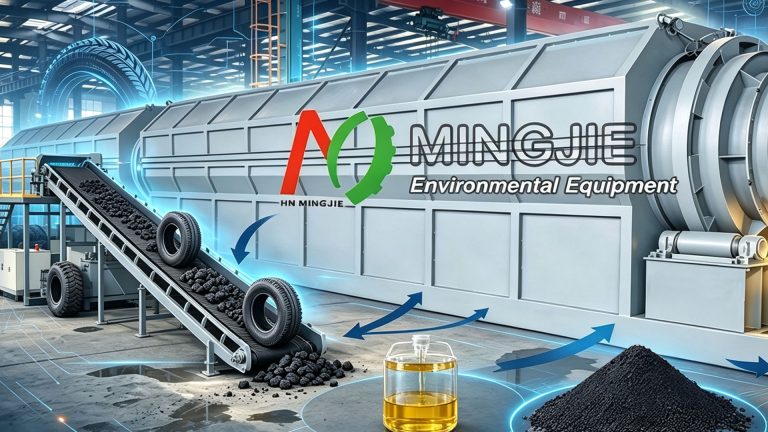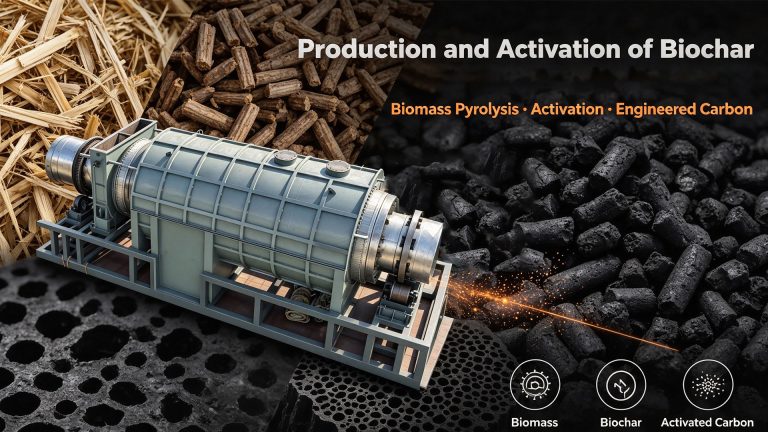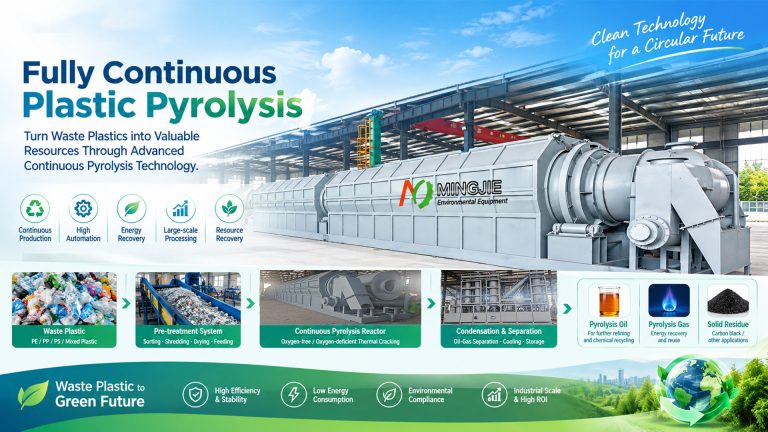
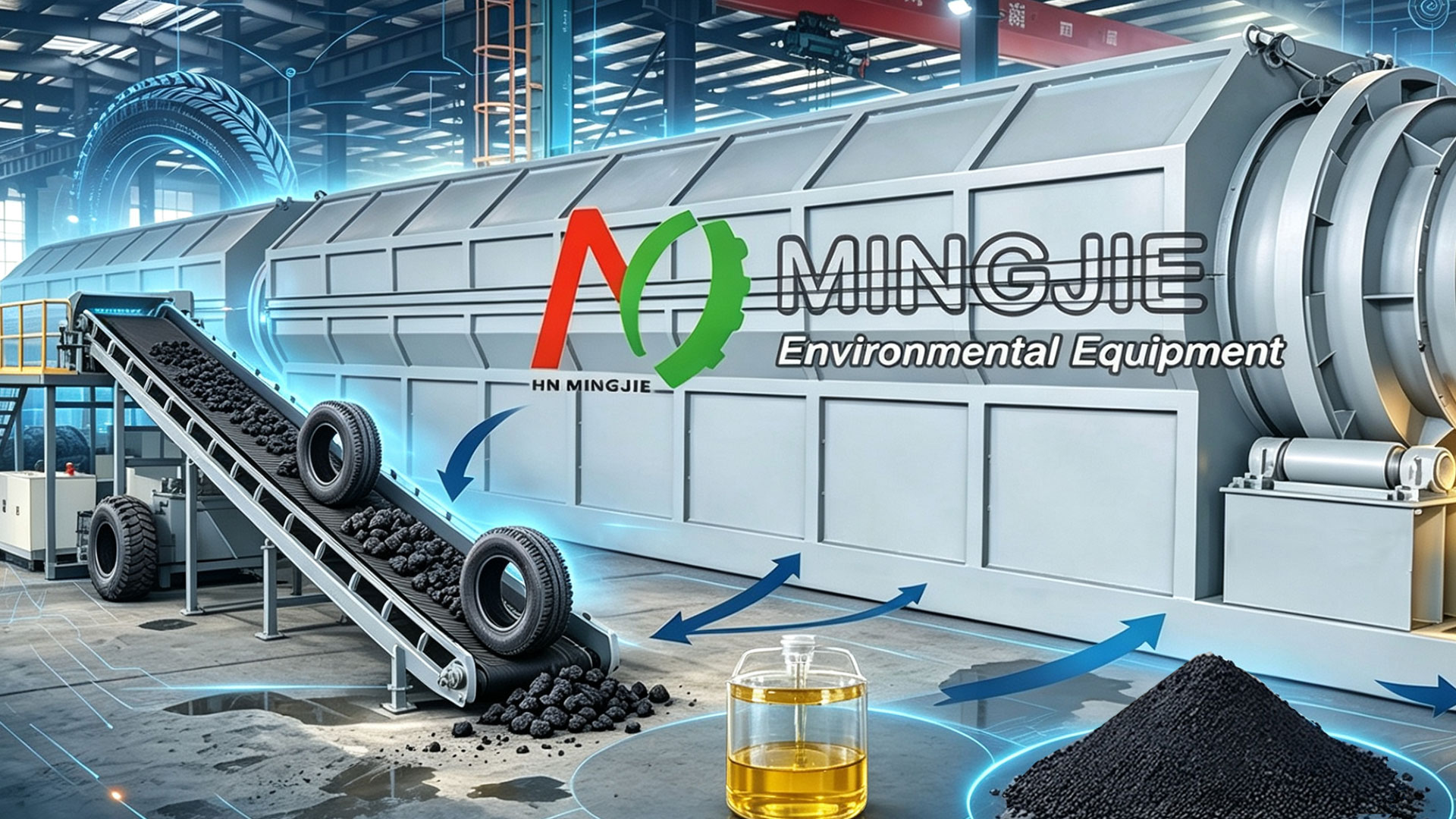
The fully continuous tire pyrolysis system establishes a complete industrial chain, spanning raw material pre-treatment and high-temperature pyrolysis to the high-value deep processing of end products. It centers on a continuous rotary kiln, operating under slight negative pressure with indirect, oxygen-free heating. This configuration enables continuous feeding, pyrolysis, and residue discharge, alongside the full recovery of oil and gas.
Designed for continuous operation, stability, traceability, and scalability, the fully continuous tire pyrolysis system aims to maximize the value of its two primary outputs: pyrolysis oil and recovered carbon black. Currently, this is the mainstream technology for the large-scale industrial implementation of waste tire pyrolysis.
Pre-processing Line for Waste Tire Shredding
This system serves as a stabilizing front-end unit for fully continuous tire pyrolysis. Its primary objective is to process whole tires into rubber granules with uniform particle size and low impurity content, meeting the specific feed requirements of continuous pyrolysis reactors. Simultaneously, it separates and recovers steel wire and fibers, ensuring the long-term, stable operation of the pyrolysis reactor from the very beginning of the process.
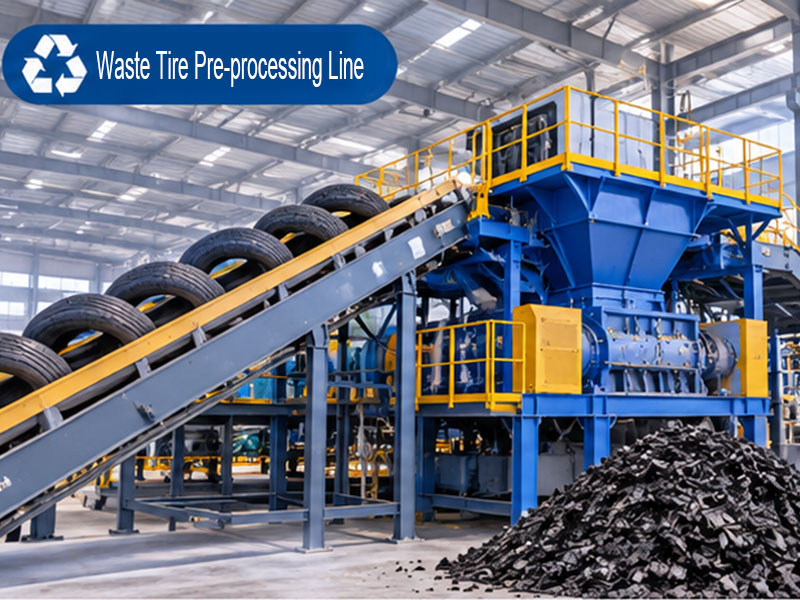
Waste tires vary significantly in composition, which directly leads to fluctuations in the quality of fully continuous tire pyrolysis products. This inconsistency makes it difficult for the resulting pyrolysis oil and recovered carbon black to be utilized in high-value applications.
Particle size control must balance pyrolysis efficiency with the cleanliness of the oil and gas output. Industrial-scale continuous production experience indicates that the rubber granules fed into the system should be maintained within an optimal range of 5–8 mm.
If the granules are too fine, they may be carried by the pyrolysis oil and gas into the condensation system, increasing the dust content in the oil. Conversely, if they are too coarse, heat transfer becomes uneven, leading to incomplete pyrolysis. The precision of screening and classification during the shredding stage directly influences the predictability of the material’s residence time within the subsequent pyrolysis reactor.
The separation of steel wire is the first line of defense in controlling ash content. The ash level in the recovered carbon black is largely determined by the residual steel wire and other impurities present in the feedstock. If the magnetic separation process within the shredding line is inefficient, residual steel wire will end up mixed with the crude carbon black, significantly increasing the costs associated with purification during downstream processing. Consequently, the magnetic separation stage is considered a critical prerequisite for ensuring the quality of the recovered carbon black.
Fully Continuous Pyrolysis Production Line
The fully continuous pyrolysis plant serves as the core conversion hub within the recycling value chain for waste tires. The choice of technology for a pyrolysis production line directly determines both the project’s environmental compliance and its economic viability. Henan Mingjie Environmental Protection Equipment Co., Ltd. offers three types of tire pyrolysis solutions: batch, semi-continuous, and fully continuous pyrolysis plants.
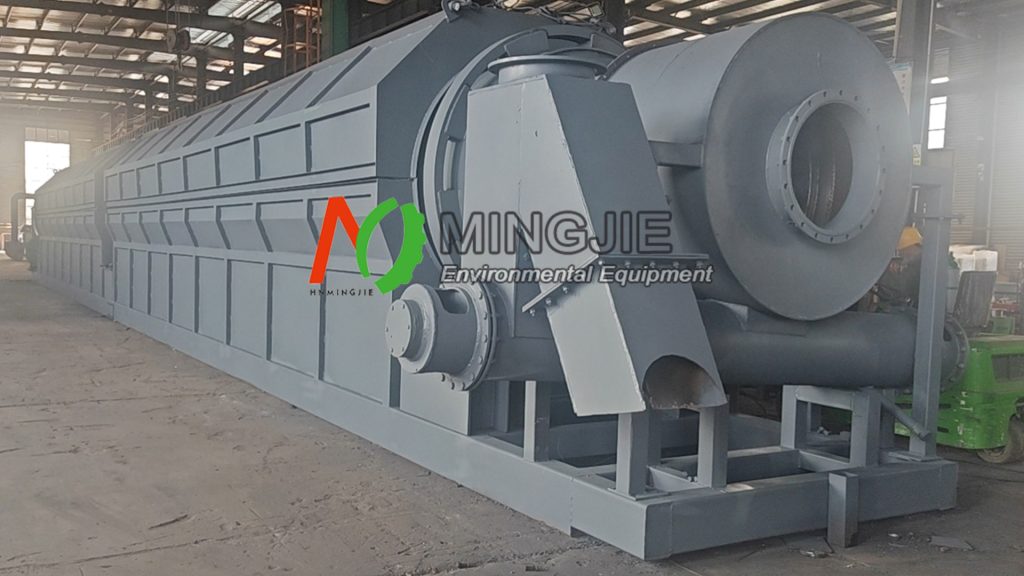
In a fully automatic tyre pyrolysis plant, waste rubber is converted into pyrolysis oil, carbon black, and syngas under high-temperature and oxygen-free conditions.
The fully continuous tire pyrolysis process flow is as follows:
Sealed feeding of rubber granules → Preheating and drying within the furnace → Fully continuous tire pyrolysis reactor (400–600°C) → Extraction of oil and gas → Multi-stage condensation and fractionation → Recovery and reuse of non-condensable combustible gases → Sealed discharge of crude carbon black, followed by transport to the deep-processing section.
Deep Processing of Tire Pyrolysis Products
This represents a value-added processing stage for fully continuous tire pyrolysis projects. Typically, such projects yield pyrolysis oil and crude carbon black as primary products. By investing in deep-processing equipment, enterprises can transform these primary products into industrial raw materials with consistent quality and well-defined applications. This enhances the overall value of the output and strengthens the resilience of the tire pyrolysis operation against market price volatility.
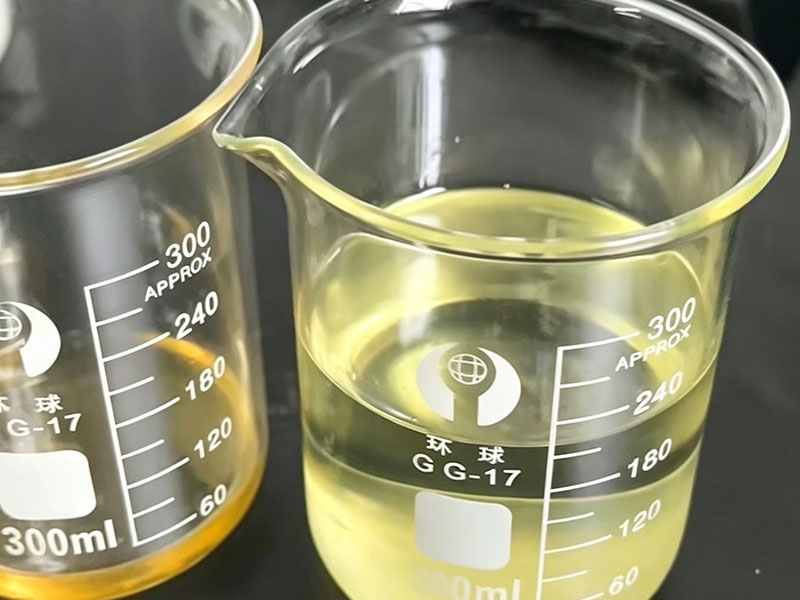
Upgrading of Tire Pyrolysis Oil
Pyrolysis oil is the most valuable component derived from the pyrolysis process. Through pyrolysis oil distillation plant and necessary post-treatment, the quality of the crude pyrolysis oil can be significantly improved. This expands its potential market as an industrial fuel or as a feedstock for the chemical industry.
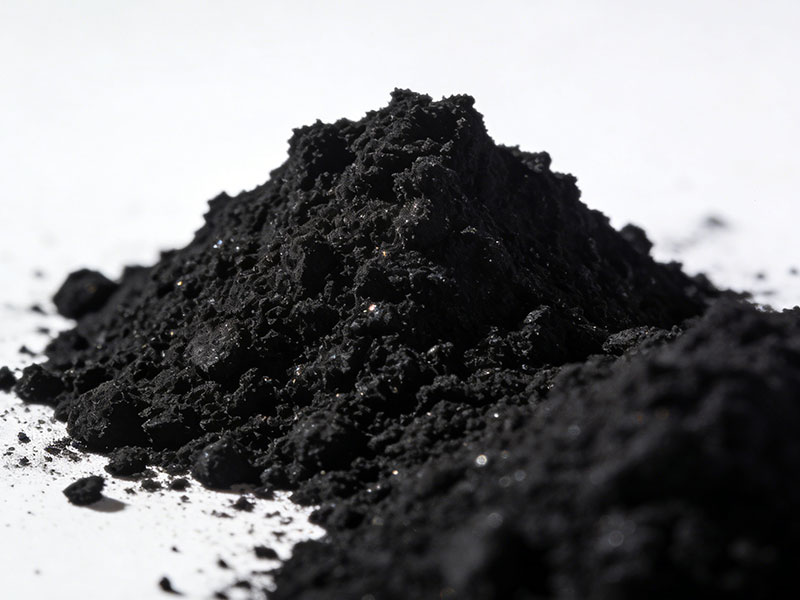
Deep Processing of Tire Pyrolysis Carbon Black
Crude carbon black generated from a fully continuous tire pyrolysis line can undergo further processing to produce various grades of Recovered Carbon Black (rCB). This process enhances the purity, particle size uniformity, dispersibility, and functional performance of the carbon black, making it more suitable for diverse industrial applications.