Raw pyrolysis oil from tires and plastics often lacks the quality for direct engine use. This crude liquid fuel contains many impurities and possesses a very dark appearance. Henan Mingjie Environmental Protection Equipment Co., Ltd. addresses this significant industrial challenge effectively. We lead the global market in providing waste-to-energy technology and professional engineering solutions. Our mission involves converting complex waste streams into high-value renewable energy sources. The Waste Oil Distillation To Diesel System serves as the core technology for this critical transition. It upgrades low-value liquids into refined products for professional industrial applications. This process ensures that waste materials gain a second life as premium fuel. Global investors rely on this technology to improve performance and reduce environmental impact.
The Science Behind Raw Pyrolysis Oil Production
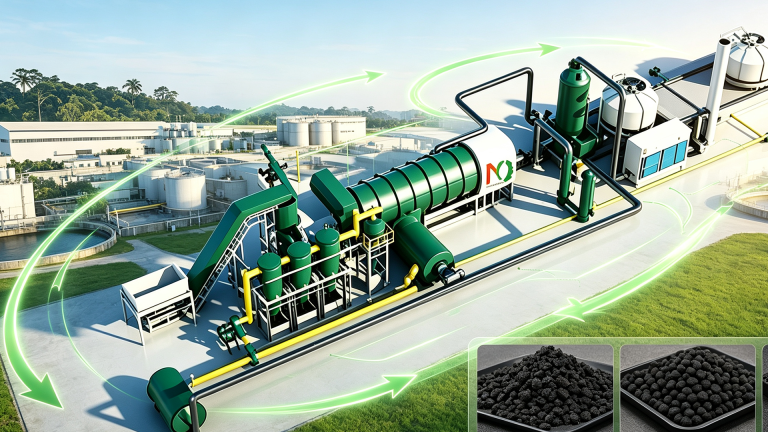
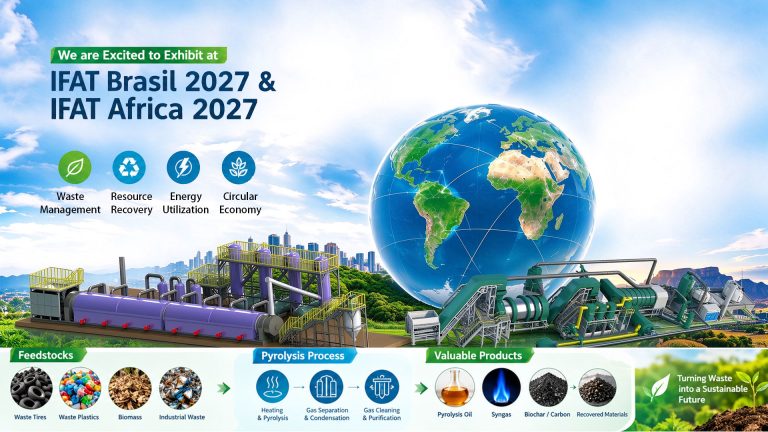
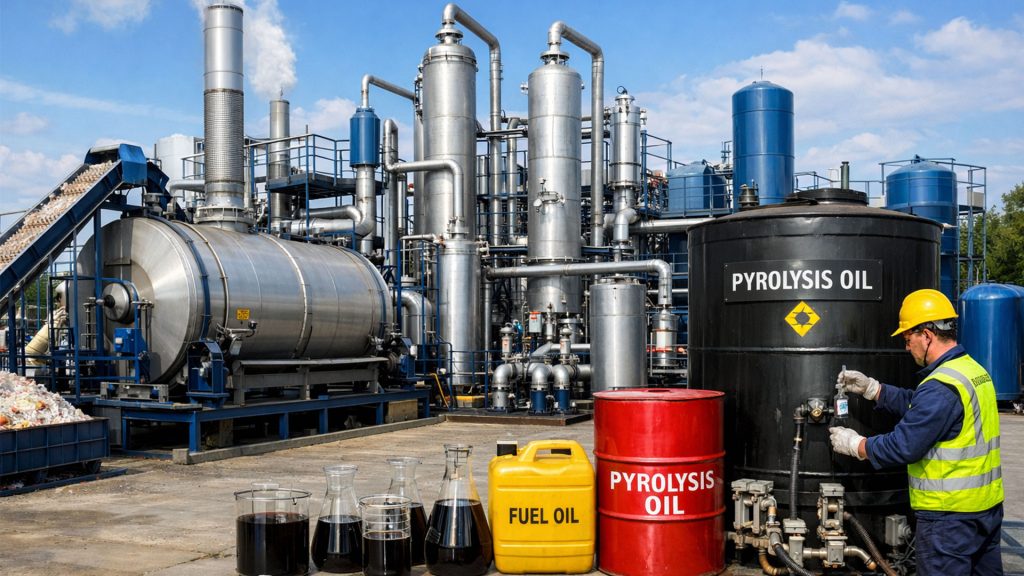
A standard pyrolysis plant processes organic wastes like discarded tires and various plastics. These machines use thermal decomposition within a strictly low-oxygen environment. High temperatures break down the chemical bonds of solid waste materials. This process successfully converts polymers into liquid fuel oil, carbon black, and syngas. However, the resulting raw oil remains crude, unrefined, and chemically unstable. It often contains heavy sediments and carbon particles from the original materials. These impurities limit its use to industrial boilers or large furnaces. Most standard engines cannot burn this dark oil safely without causing damage. Upgrading this fuel requires the advanced separation techniques of Waste Oil Distillation To Diesel System.
The production of raw oil starts in the main reactor of the pyrolysis plant. Operators load whole tires or crushed plastics into the system for processing. The burners heat the materials to approximately 420 degrees Celsius inside the chamber. In this oxygen-deficient state, the waste transforms into high-energy oil gas. Cooling systems then condense this gas into a stable liquid state. This liquid is the raw pyrolysis oil that requires further treatment. While useful as a basic fuel, it lacks the purity of refined diesel. Refining this oil creates a much more versatile and valuable product. The Waste Oil Distillation To Diesel System provides the necessary cleaning and refinement steps.
How the Waste Oil Distillation To Diesel System Works
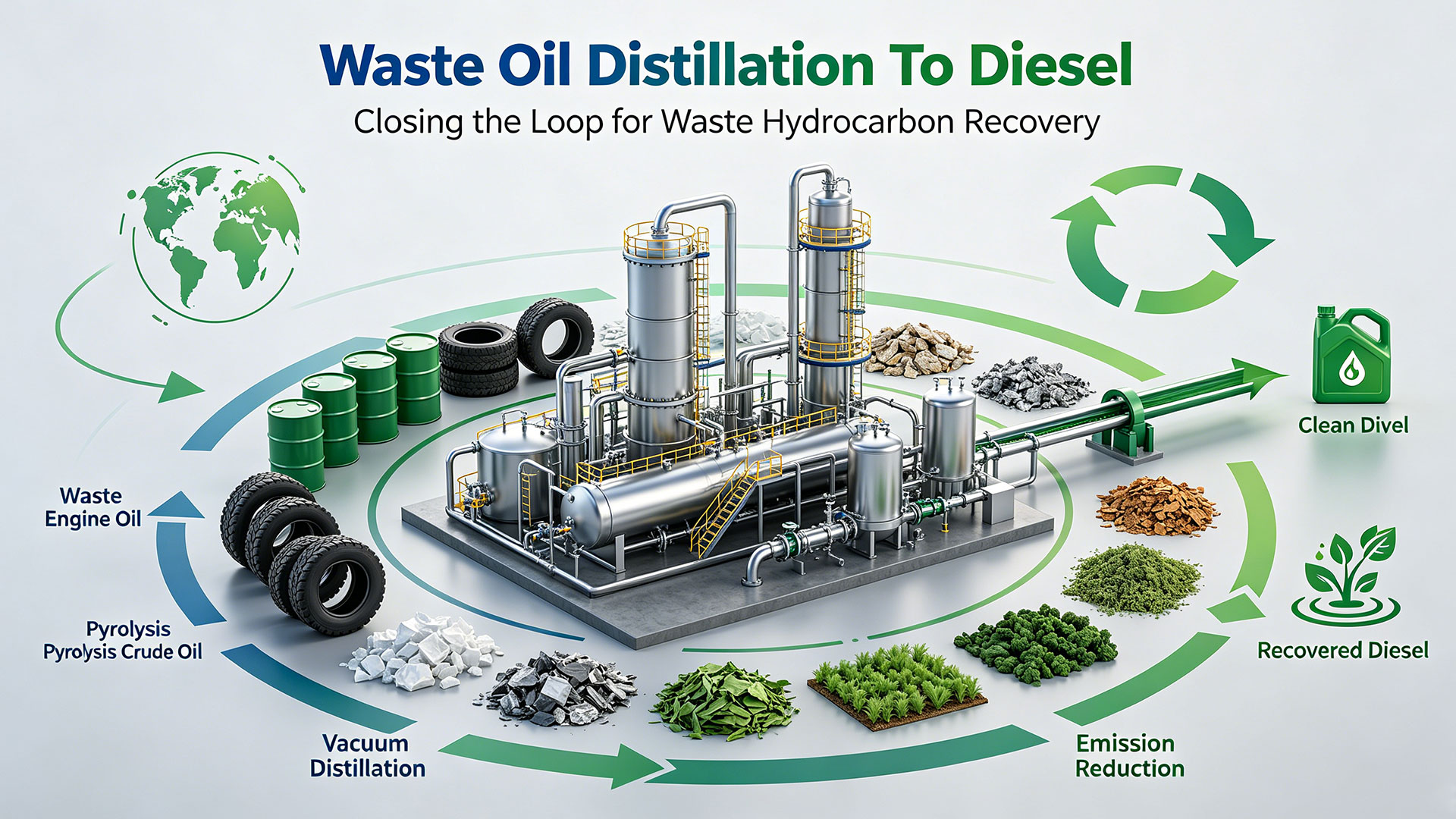
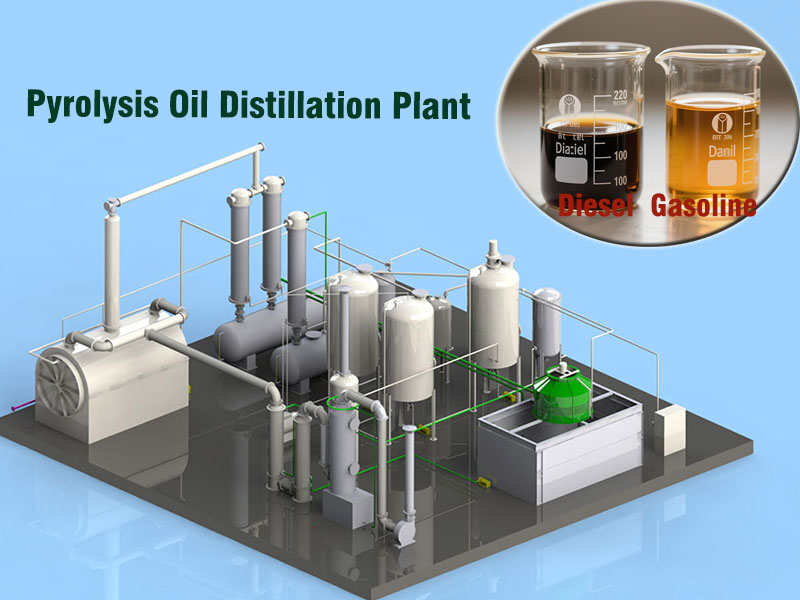
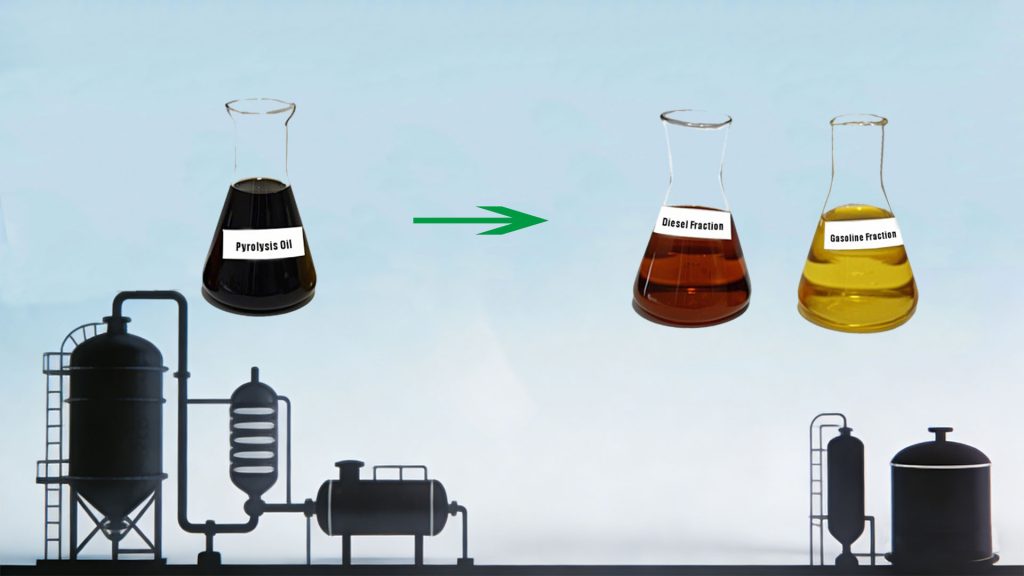
The pyrolysis oil distillation plant functions by using high-temperature decomposition and fractional separation. It removes heavy impurities and chemical pollutants from the raw input oil. The system accepts various feedstocks like waste engine oil and transformer oil. It also processes the crude oil generated by a primary pyrolysis plant. Operators heat the input oil until it reaches a gaseous state. Special distillation columns then separate the different oil fractions based on boiling points. This precision allows the system to isolate high-quality light oils. The result is a bright, purified non-standard diesel or gasoline product.
This advanced equipment features a sophisticated purification system and a catalyst reaction phase. It successfully removes the dark color and foul odors from the raw oil. Modern pyrolysis oil distillation plant designs ensure that the final product meets industrial standards. The process also recovers useful components that would otherwise go to waste. It effectively filters out coke, heavy metals, and other solid contaminants. This mechanical refinement increases the market value of the output fuel significantly. Investors use this technology to turn a low-grade byproduct into a premium resource. The Waste Oil Distillation To Diesel Plant ensures maximum efficiency during every production cycle.
Processing Multiple Waste Oil Sources
Waste oil distillation to diesel equipment handles a wide variety of waste materials beyond standard pyrolysis products. It can process used lubricating oil and dirty transformer oil efficiently. Many industrial sectors generate these waste oils in large quantities every year. A pyrolysis oil distillation plant provides a way to regenerate these fluids completely. This prevents the environmental damage caused by improper or illegal oil disposal. The system also handles waste fuel oil and discarded engine lubricants. These materials often contain harmful additives that the distillation process safely removes. This versatility makes the equipment a vital tool for comprehensive waste management.
The yield of refined oil depends on the quality of the raw materials. Specific plastics like polyethylene provide excellent returns before the distillation phase. Pure polyethylene materials can yield between 70% and 80% fuel oil. Polypropylene is even more productive and can reach an 80% oil yield. These materials provide a consistent feedstock for the pyrolysis oil distillation plant. High yields ensure that the operation remains profitable for the investor. The system allows for the recovery of 800 kilograms of oil from 1000 kilograms of plastic. This high efficiency supports the economic viability of recycling projects worldwide.
Powering Heavy-Load Industrial Machinery
The final product of the pyrolysis oil distillation plant is bright non-standard diesel. This fuel has several practical applications in heavy industry and transportation. It provides a cost-effective alternative to expensive standard diesel fuels. Operators use this refined oil in heavy-load, low-speed diesel engines. Large ships and marine vessels also utilize this high-grade fuel for propulsion. It provides a reliable energy source for large-scale diesel generators. This makes the fuel highly sought after in the global industrial market. The Waste Oil Distillation To Diesel Plant creates a product that powers essential infrastructure.
Industrial boilers and heating systems also benefit from this refined fuel source. The bright non-standard diesel burns more cleanly than the raw alternative. It produces fewer emissions and less soot during the combustion process. This protects the longevity of the machinery and reduces maintenance costs. Many companies buy this fuel for large-scale industrial heating applications. The Waste Oil Distillation To Diesel Plant ensures the oil meets required viscosity standards. This consistency allows for seamless integration into existing industrial operations. The high energy density of the fuel provides excellent thermal performance.
Operating Cycles and Technical Maintenance
Successful operation of a pyrolysis plant requires strict adherence to technical cycles. The batch pyrolysis system follows a rigorous 20-hour production timeline. Feeding one ton of material into the reactor takes 20 minutes. The primary pyrolysis period lasts between four and five hours. The reactor must then cool down for four hours before discharging. Carbon black discharging requires one hour to complete the cycle safely. This structured process prepares the raw oil for the pyrolysis oil distillation plant. Precision in these timing cycles ensures a consistent and high-quality output.
Maintenance remains a critical priority for a Senior Industrial Process Engineer. We suggest stopping the batch plant once a week for regular checking. Operators must inspect all wearing parts and apply necessary lubricants. Every month, the Waste Oil Distillation To Diesel Plant requires a full day for cleaning. This routine ensures the longevity of the heating elements and columns. Continuous machines processing waste tires require maintenance once per month. Systems handling waste plastics should receive maintenance twice per month. Proper care minimizes downtime and protects the valuable capital investment.
Engineering Excellence and Manufacturing Capacity
Mingjie Group brings 20 years of experience to the manufacturing of these systems. Our factory features a CNC equipment workshop covering 12,000 square meters. This large-scale facility allows for the precise fabrication of every machine component. The engineering team consists of senior experts and environmental specialists. They focus on continuous technological innovation to improve equipment performance. Every Waste Oil Distillation To Diesel Plant undergoes rigorous quality control checks. The equipment holds both CE and ISO certifications for international safety standards. This dedication to quality has won the trust of over 200 customers.
The company offers high cost-effectiveness and high-quality after-sales service. Our systems are technically and commercially proven in over 30 countries. Mingjie Group provides customized environmental solutions to meet specific client needs. This includes providing guidance on site preparation and machine installation. Our pyrolysis oil distillation plant units operate with high reliability and low downtime. This ensures that investors see a return on their capital quickly. The robust design of the machinery handles continuous operation in demanding environments. This engineering excellence sets the standard for the global recycling industry.
Maximizing Value from Distillation Byproducts
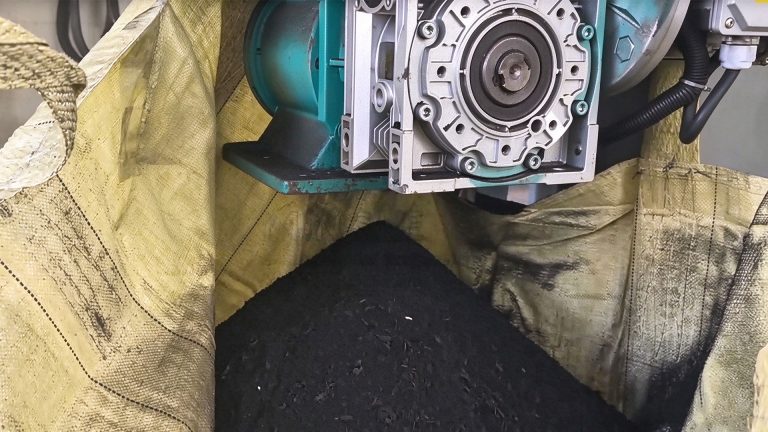
The pyrolysis oil distillation plant produces several valuable byproducts alongside refined diesel. The process generates a heavy oil residue during the final separation stage. Investors can sell this heavy oil as asphalt to local markets. They can also return it to the pyrolysis plant for further refinement. This flexibility ensures that no material goes to waste during production. The primary pyrolysis stage also produces high-quality carbon black. Industrial clients use this carbon black in the rubber and plastic industries. It serves as a vital fortifier or a color master batch.
Refining waste oil creates a robust revenue stream for professional investors. Every byproduct from the Waste Oil Distillation To Diesel System has a clear market value. High-grade non-standard diesel powers heavy-load engines and large ships. Carbon black provides essential material for new rubber and plastic products. Syngas from the pyrolysis plant often fuels the heating system itself. This creates a self-sustaining and highly profitable industrial operation. Investors solve environmental problems while securing significant and sustainable commercial profits. The system transforms a liability into a highly liquid asset.
Sustainable Development and the Circular Economy
A pyrolysis oil distillation plant contributes significantly to a green future. It reduces environmental pollution by transforming hazardous waste into energy. Traditional incineration methods often release large amounts of CO2 into the atmosphere. Pyrolysis technology operates under oxygen-deficient conditions to prevent this. It effectively lowers the carbon footprint of waste disposal activities. The process helps achieve a closed-loop system for plastics and rubber. This aligns perfectly with the global concept of a circular economy. The pyrolysis oil distillation plant makes sustainable development a reality for industrial investors.
Turning waste into high-value products offers impressive economic returns. Investors solve prominent environmental problems while generating significant profit. The reduction in landfill use also alleviates the burden on municipal infrastructure. Every ton of recycled oil represents a ton of fossil fuels saved. This reduces the global dependence on traditional oil and natural gas. The pyrolysis oil distillation plant plays a vital role in this energy shift. It provides a clean way to recover resources from city waste. This technology fosters both economic growth and environmental protection simultaneously.
Future-Proofing Global Waste Management
Upgrading raw oil into high-grade fuel is essential for modern waste management. The pyrolysis oil distillation plant provides the necessary technology for this evolution. Mingjie Group remains committed to providing the most advanced machinery available. Our systems empower businesses to process waste tires, plastics, and oils efficiently. This creates a sustainable path forward for the global recycling industry. Advanced distillation ensures that waste products never lose their potential value. It turns environmental challenges into opportunities for renewable energy production. The role of this technology will only grow in the coming years.
The pyrolysis oil distillation plant stands as a symbol of industrial progress. It combines chemical engineering with environmental stewardship for the best results. Professional investors choose these systems to ensure long-term commercial success. Mingjie Group continues to lead the way with proven technical solutions. Our expertise helps customers improve performance while protecting the planet. Refining waste oil is no longer a luxury but a necessity. High-grade non-standard diesel provides the power for the future of industry. Global environmental protection starts with advanced distillation technology.