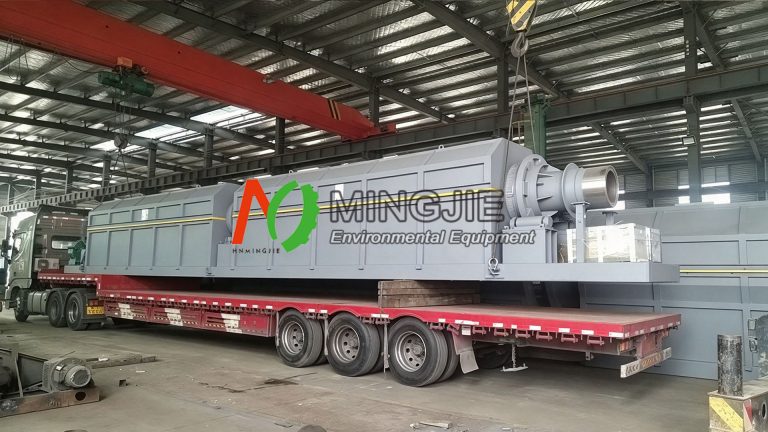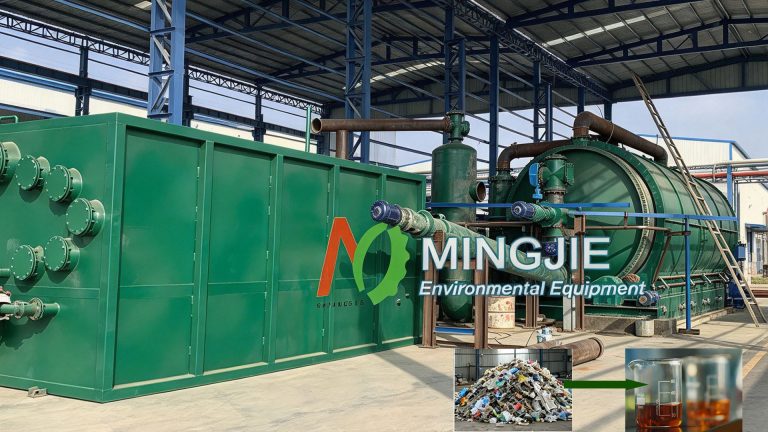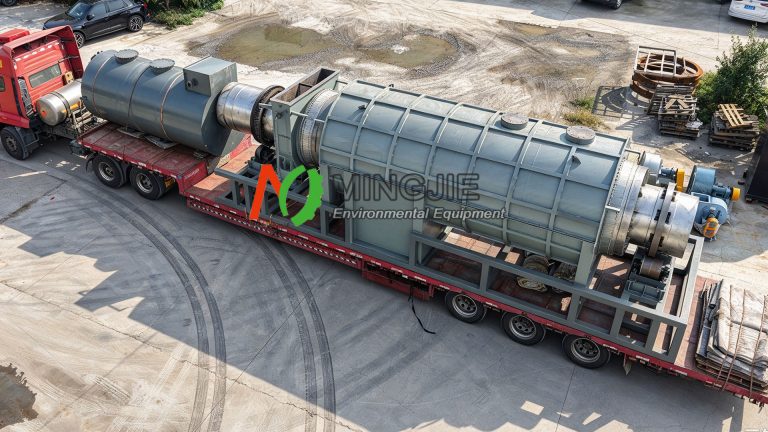
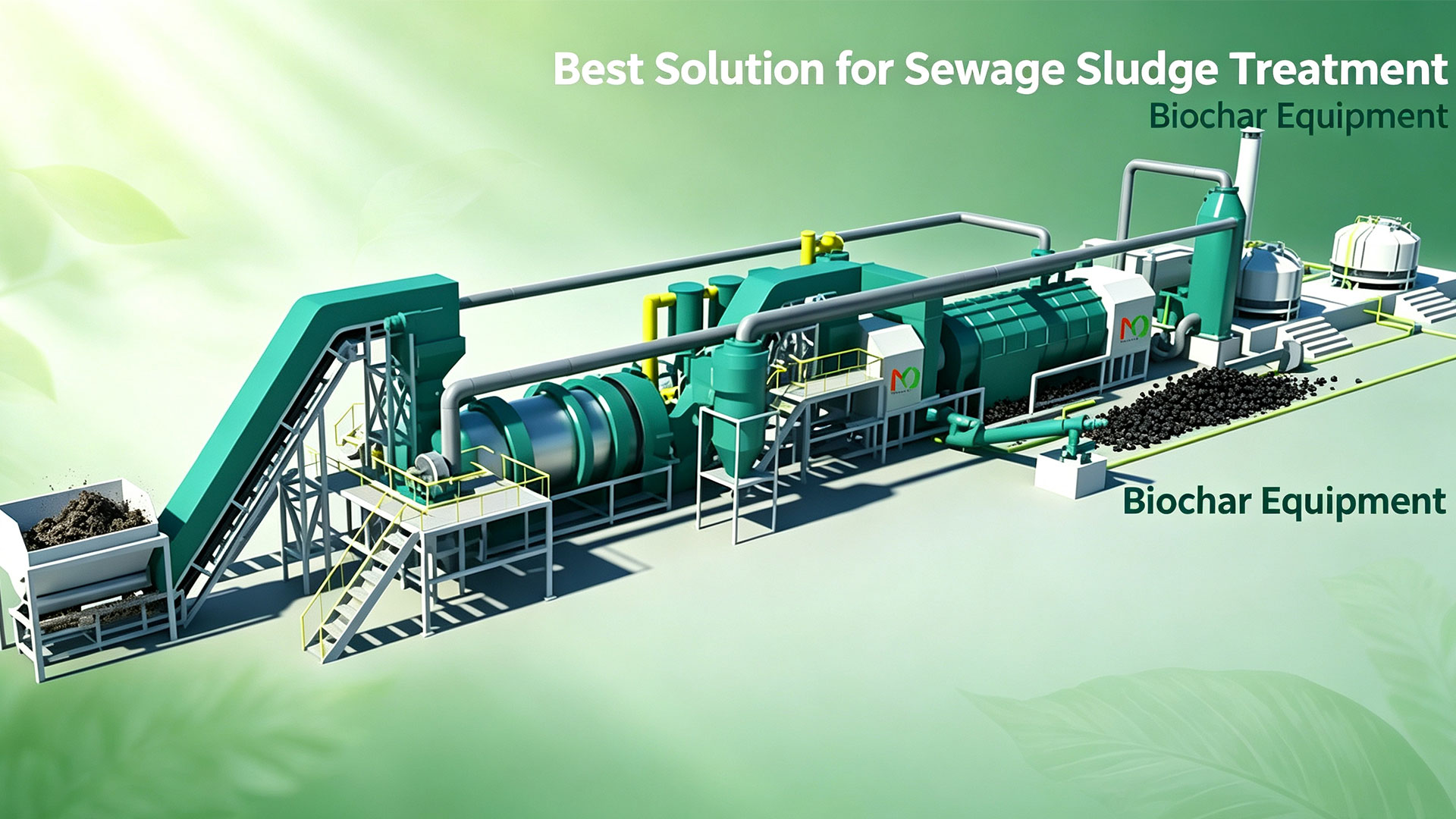
Global cities face a massive challenge with sewage sludge disposal today. Traditional waste management often fails to protect local ecosystems effectively. Large scale biochar production equipment provides an optimal solution for sewage sludge treatment. It converts sludge into biochar and syngas through pyrolysis technology, simultaneously achieving resource recovery and energy conversion. Pyrolysis, as a promising thermochemical treatment technology, has numerous successful cases in sludge treatment projects worldwide.
Common Sewage Sludge Treatment Methods
Currently, the mainstream treatment and disposal methods for municipal and industrial sludge can be divided into four core systems: landfill, composting, incineration, and pyrolysis carbonization. All sewage sludge treatments require pretreatment: mechanical dewatering, drying, and flocculation sedimentation. These are used to reduce the sludge’s moisture content.
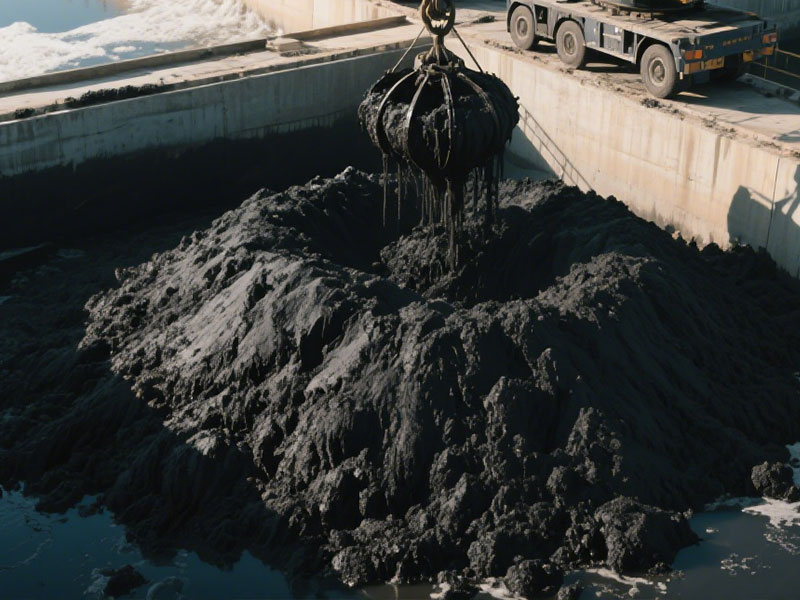
Landfilling and direct incineration methods create significant environmental risks for municipal projects. Landfills consume vast land areas and leak harmful pollutants into the surrounding soil. Standard biomass incineration releases dangerous emissions like NOx and SO2 into the atmosphere. Incineration also produces toxic dioxins that degrade local air quality significantly. Rising industrial waste volumes demand more technologically advanced approaches to handle sludge safely. Modern carbonization processes produce far fewer harmful gases compared to these outdated disposal methods.
Biomass carbonization equipment for biochar production can achieve harmlessness, volume reduction, resource recovery, and low carbonization, making it the optimal sewage sludge treatment solution.
How Biochar Production Equipment Transforms Waste
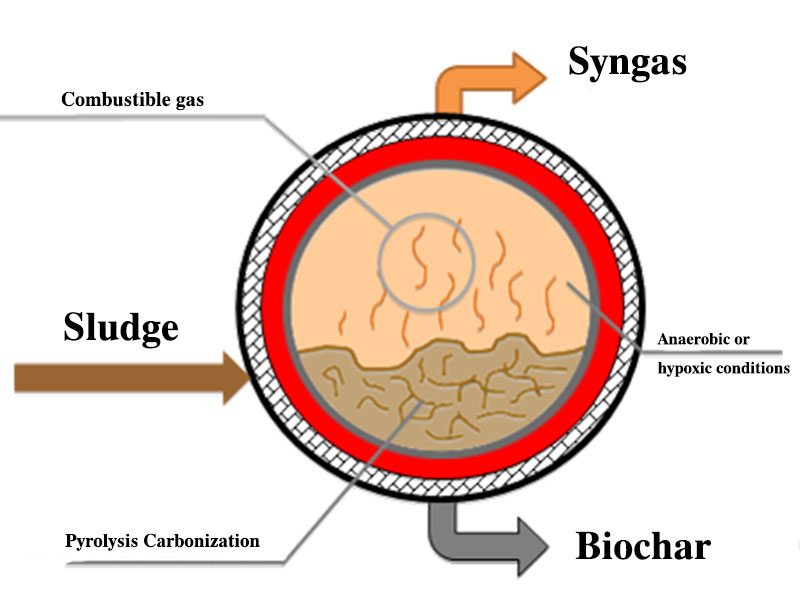
The biochar production equipment utilizes pyrolysis technology, with the sludge carbonization process operating in a slightly negative pressure sealed furnace environment. Under anaerobic or oxygen-limited conditions (400-700℃), sludge is heated to decompose organic matter, producing biochar, pyrolysis oil, and combustible gas. It achieves resource recovery biochar, has low carbon emissions, and fixes harmful substances.
Superior Environmental Performance of Carbonization Technology
Carbonization technology mitigates the risk of dioxins and other toxic combustion by-products effectively. This process significantly reduces CO2 greenhouse gas emissions compared to traditional disposal alternatives. It promotes active carbon circulation by sequestering carbon within a stable solid form. Modern sealed equipment prevents the release of fly ash and secondary pollutants during operation. This advanced approach supports global sustainability goals through efficient carbon sequestration methods. Each industrial facility provides a clean and safe operating environment for technicians.
Economic Returns from High-Value Biochar Production
Biochar serves as the primary valuable output from the biomass carbonization plant. Markets utilize this material for soil conditioning, carbon sequestration, and industrial heating fuel. Investors further process raw biochar into high-grade activated carbon for secondary sales. This upgrade adds significant economic weight to the total project profitability. The biomass carbonization system also generates syngas to provide alternative energy for internal facility needs. This renewable energy reduces operational costs while increasing the total return on investment.
Scalability for Diverse Industrial Sludge Projects
Large scale biochar production plants meet the high-capacity needs of major municipal sludge projects. The biomass pyrolysis systems deliver high yields and fast charring speeds through continuous 24-hour operation. Water-cooled automatic slag discharge systems maintain continuous operation without requiring downtime for cooling. A biomass carbonization plant scales easily to fit any specific municipal or industrial requirement.
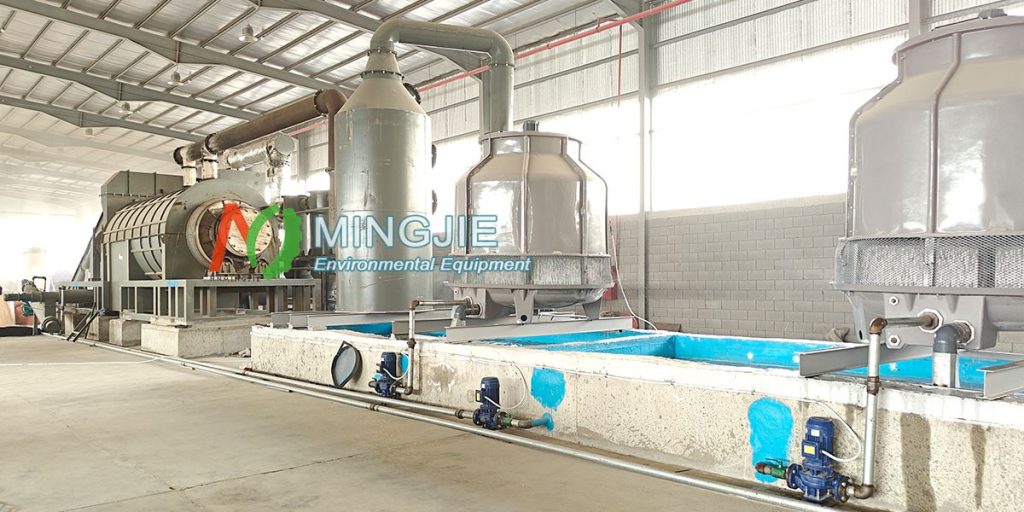
Sludge carbonization technology has been validated and promoted globally, with large-scale applications particularly in Japan, Europe, and China.
A sewage treatment plant in the Hirano area of Japan utilizes low-temperature carbonization technology (operating at 200–350°C). The carbonization equipment processes 150 tons of dewatered sewage sludge daily, converting it into high-calorific solid fuel.
Germany’s PyroPower plans to construct a pyrolysis project to convert sewage sludge into biochar while recovering energy.
Sewage sludge carbonization projects have also been implemented in various locations across China, including Hefei (Anhui), Wuhan (Hubei), Wuhu (Anhui), and Qingdao (Shandong).
In summary
The sludge biochar production equipment remains the definitive choice for modern sewage sludge treatment. It balances environmental protection with high economic profitability for global industrial investors. Pyrolysis technology paves a reliable path toward a cleaner and greener future. Sustainable resource recovery turns waste management into a successful circular economy model. This advanced technology secures long-term environmental health while generating valuable energy resources.
A high-efficiency biomass carbonization plant represents the most sustainable and profitable technological breakthrough for modern sewage sludge treatment today.