In the solid waste recycling sector, waste plastic pyrolysis (chemical recycling) has always been a highly controversial route. It can convert mixed, dirty, low-value plastics into pyrolysis oil and syngas, achieving material-level recycling. However, many practitioners are concerned about the high cost of pyrolysis. Objectively speaking, pyrolysis is a process with high initial investment and highly flexible operating costs. The cost of plastic waste pyrolysis cannot be determined simply in one sentence. It depends on four core conditions: raw material quality, production scale, process configuration, and product sales channels.
Capital Expenditure of Plastic Waste Pyrolysis Plant
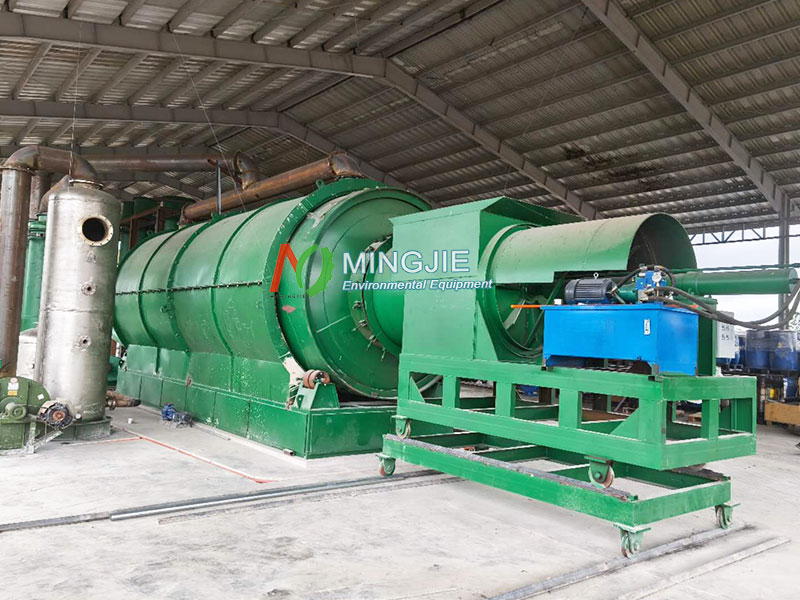
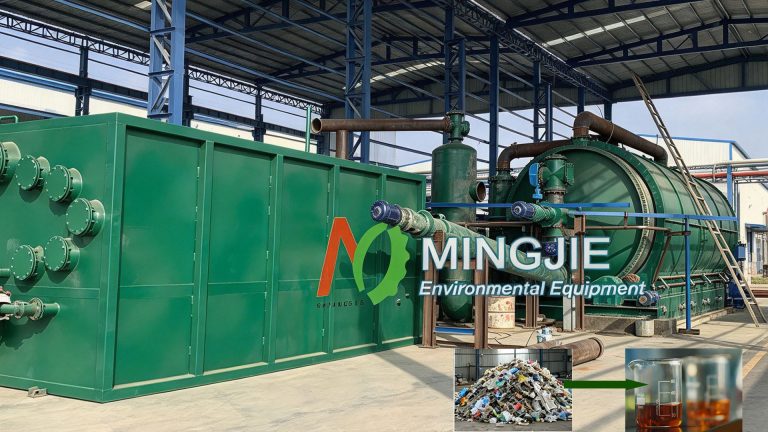
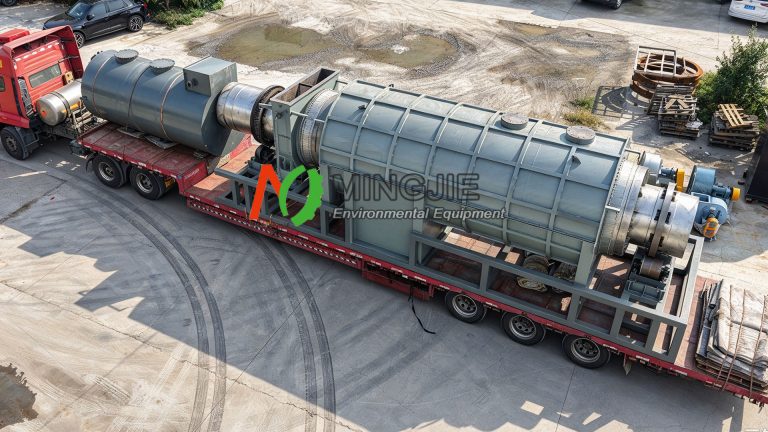
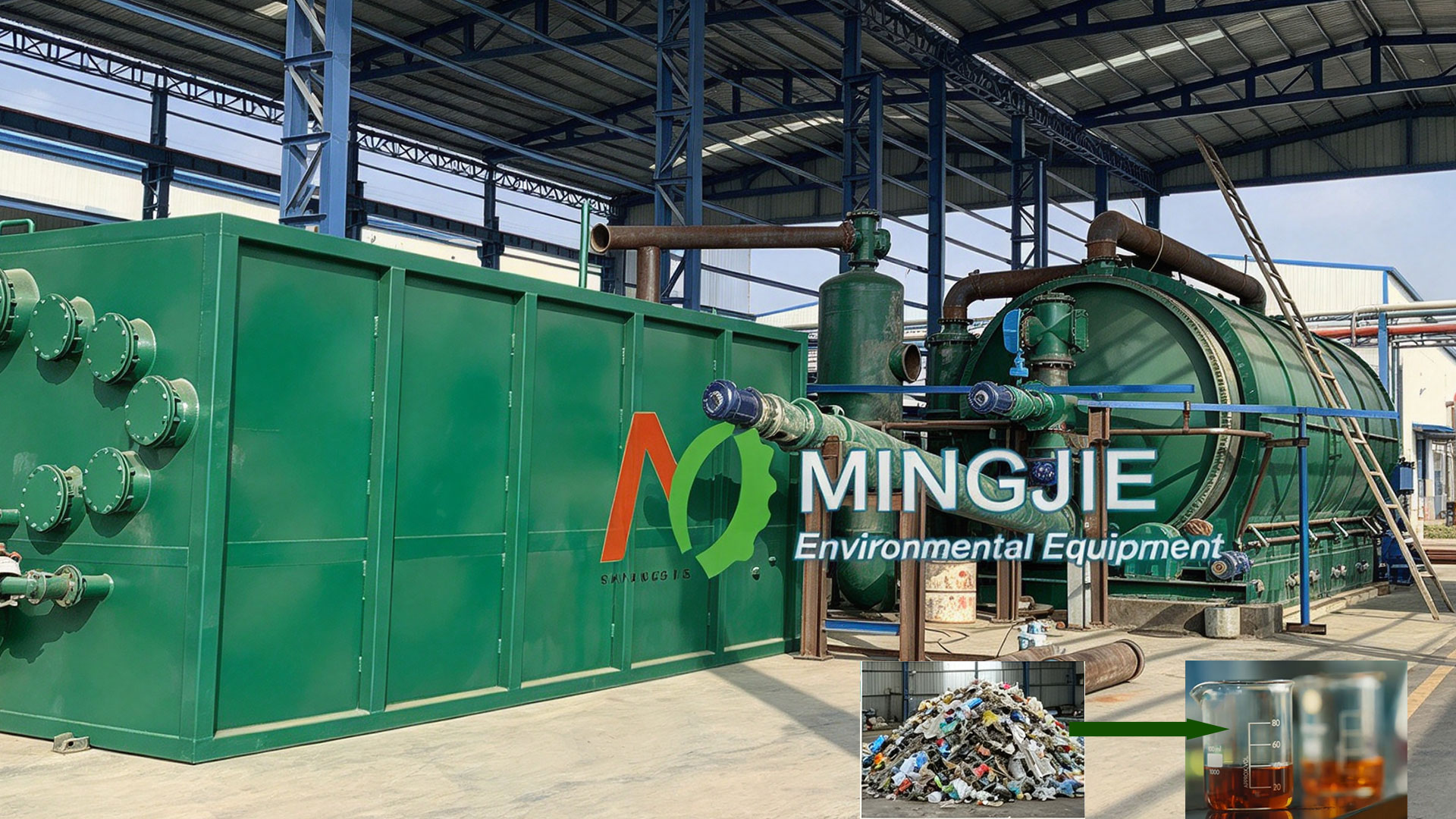
The initial investment in pyrolysis is extremely sensitive to the scale of processing. Pyrolysis equipment is not just a cracking furnace. A complete plastic pyrolysis oil production line includes crushing and washing, feeding, a closed pyrolysis reactor, condensation recovery, flue gas purification, oil distillation, storage systems, and automated safety systems.
- Small-scale batch plastic waste pyrolysis (5-10 t/d): Lower equipment investment, but poor automation and high depreciation per ton. Suitable for small-scale pilot projects.
- Medium-scale plastic waste continuous pyrolysis (20–50 t/d): Includes continuous feeding, automatic slag removal, and deep tail gas treatment. Investment per unit capacity is significantly higher.
- Large-scale integrated plastic waste pyrolysis projects: Requires hydrogenation refining, ISCC certification, and online dMRV monitoring. Investment scale will increase exponentially.
Operating Costs: Raw Materials are the Biggest Variable
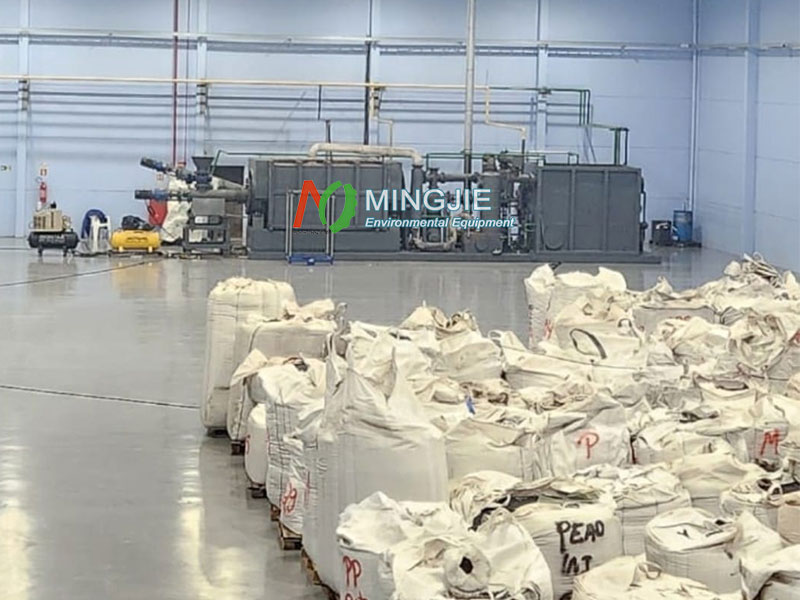
Raw materials are the primary variable determining the cost of a plastic waste pyrolysis plant. A simulation of a pyrolysis plant with an annual capacity of 100,000 tons shows that raw material purchase and transportation account for 48.2% and 31.8% of operating costs, respectively, totaling nearly 80%. This means that the availability of a low-cost, stable source of waste plastics almost determines the project’s survival.
- High-quality, pure PE/PP: Oil yield 75%–85%, producing crude pyrolysis oil that can be sold externally, offsetting most of the disposal costs. Pyrolysis gas can provide self-sustaining heat, eliminating the need for continuous external fuel.
- Mixed municipal solid waste plastics: Requires additional dechlorination, deep cleaning, and solid slag disposal processes. PVC produces hydrogen chloride that corrodes the furnace body, significantly increasing the consumption of corrosion-resistant spare parts and catalysts. The raw material’s calorific value is unstable, making self-sustaining heat supply impossible.
The main components of pyrolysis operating costs are: raw material costs, pretreatment energy consumption, electricity and water consumption, catalysts, consumables, equipment maintenance, labor, environmental protection operation and maintenance. If pyrolysis oil distillation and hydrogenation are also required to upgrade the crude cracked oil to compliant fuel oil or chemical naphtha, subsequent refining costs will increase further.
Benefits of Waste Plastic Pyrolysis Products
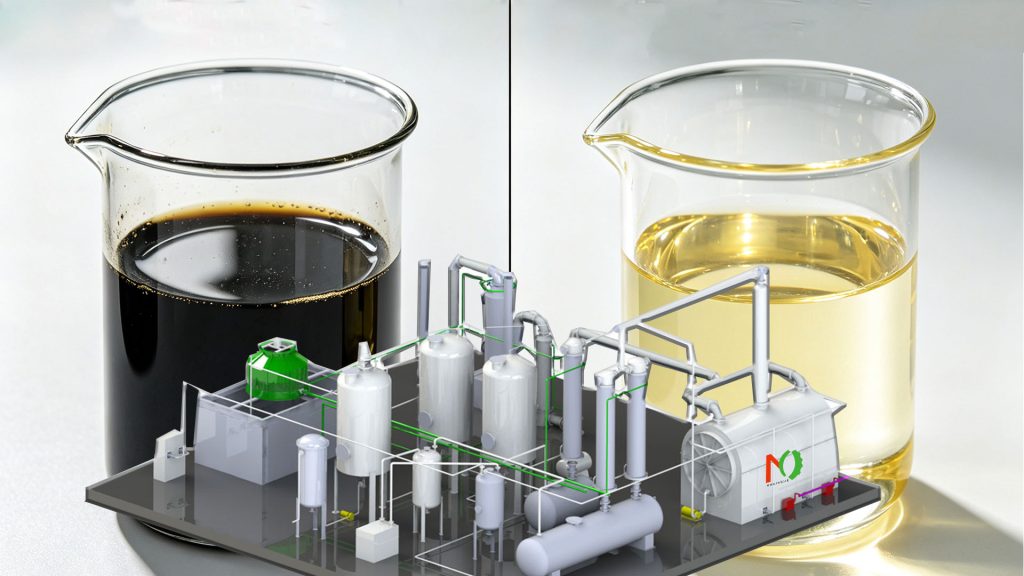
The main source of revenue for plastic pyrolysis plant is pyrolysis oil. Market data from 2026 shows that the average price of pyrolysis oil was approximately $509 per ton. Under conditions of controllable raw material costs and appropriate scale, pyrolysis oil can be profitable. However, if raw material prices rise or the oil quality fails to meet standards and needs to be sold at a discount, profit margins shrink rapidly.
The pricing of plastic pyrolysis oil is not simply based on the logic of an energy commodity. Its value depends on the quality of its naphtha substitute, which directly affects the price. Oil from polyolefins (PE, PP) is of higher quality, while mixed plastics containing PET or PVC produce corrosive byproducts and low-quality oil.
Environmental Costs and Policies
The environmental benefits of plastic waste pyrolysis are real. Life cycle assessments show that processing 1 ton of PET waste plastic with advanced pyrolysis results in a net climate change impact of −202 kg CO₂ equivalent. This means that the system as a whole generates carbon reduction credits rather than net emissions.
However, converting environmental benefits into economic benefits depends on policy tools, such as carbon credit mechanisms, mandatory recycling content targets, and extended producer responsibility systems. The existence or absence of these policies determines whether the Green Premium of plastic waste pyrolysis can be priced by the market.