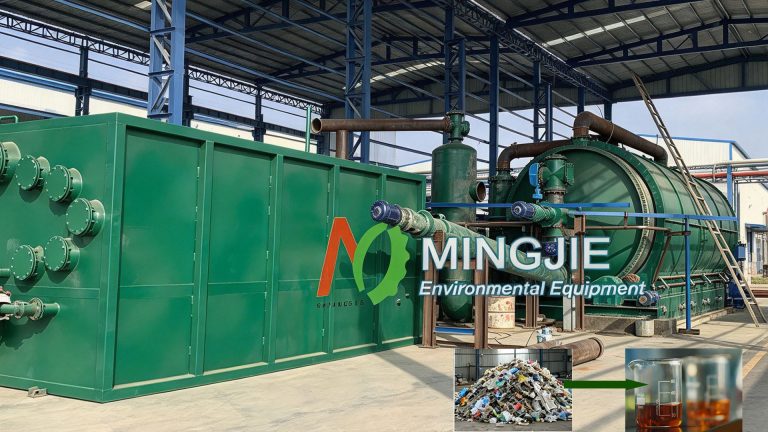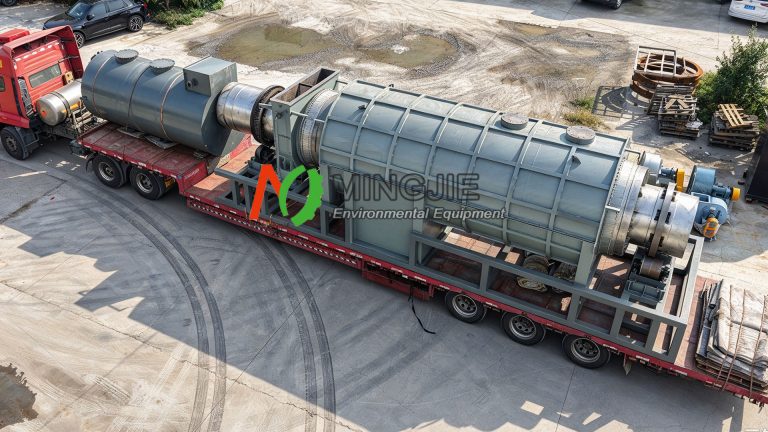
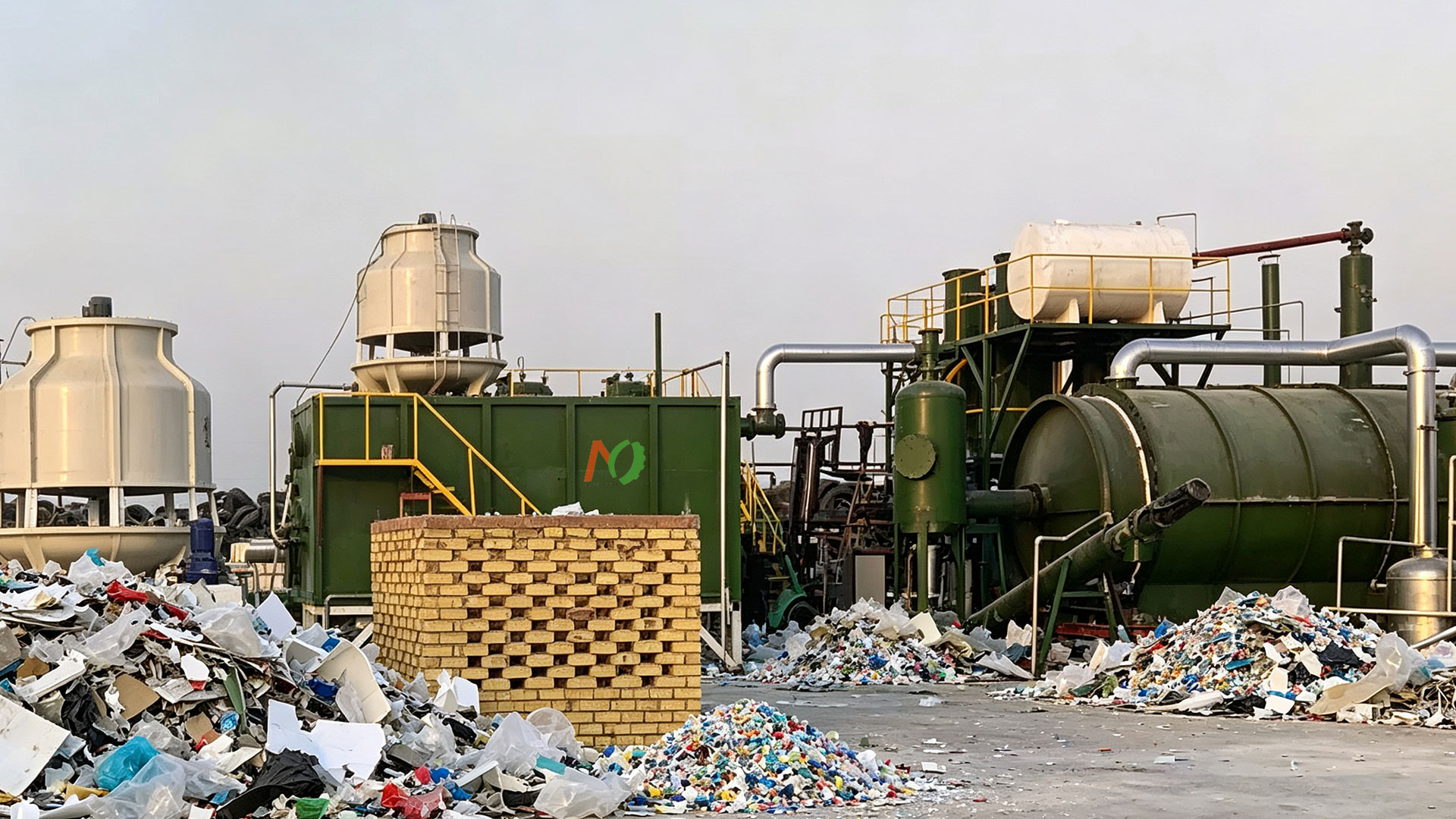
The pyrolysis plastic to diesel plant refers to a combination of pyrolysis machine and distillation equipment. The pyrolysis machine can convert waste plastic into pyrolysis oil, while distillation equipment enables the further upgrading of pyrolysis oil to diesel.
Shipping companies face intense pressure from volatile bunker fuel costs. High fuel prices directly impact vessel performance and logistics efficiency. Ship operators must find reliable energy alternatives to stay competitive. Plastic waste provides a high-energy resource for heavy-load diesel engines. The pyrolysis plastic to diesel plant is the essential technology for the pyrolysis plastic to diesel transition.
The pyrolysis plastic to diesel plant can converts low-value solid waste into high-purity fuel oil for the maritime sector. This process helps logistics firms stabilize their operational budgets. Active resource recovery turns environmental waste into a strategic energy asset. Businesses can now produce their own fuel from recycled materials.
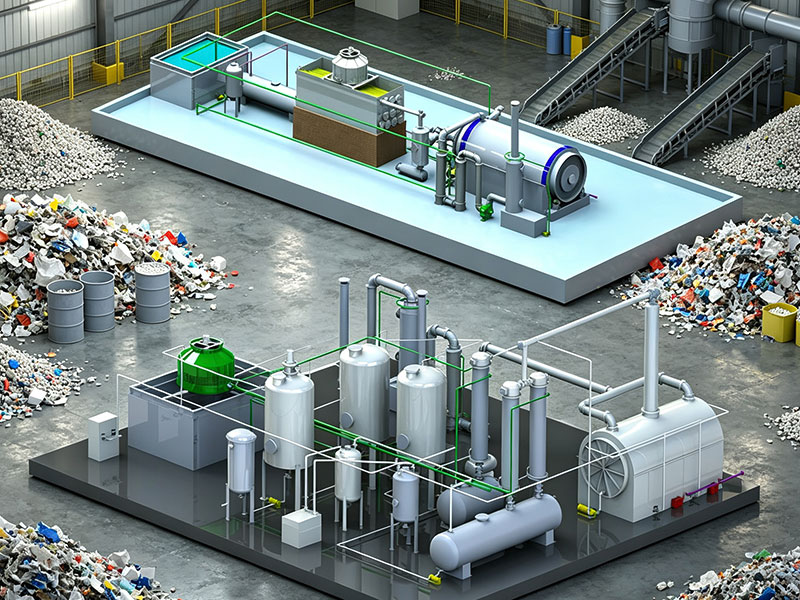
Process of Pyrolysis Plastic to Diesel Plant
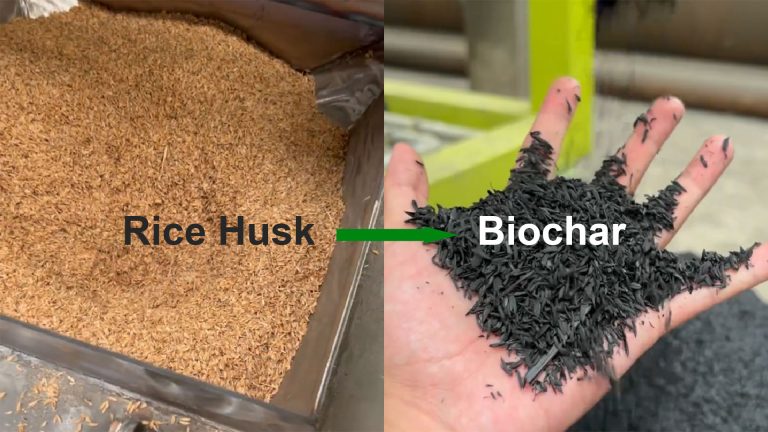
The first step converts raw plastic into liquid pyrolysis oil. Yields for pure materials remain high. Specifically, pure PE plastic delivers between 70% and 80% oil. Pure PP plastic typically offers a high oil yield of 80%. High temperatures in a low-oxygen environment break down complex plastic polymers. This chemical reaction produces a raw liquid fuel from discarded waste. The process handles thin films, ropes, and various furniture parts. These materials become the foundation for creating marine-grade diesel. This initial liquid serves as feedstock for the next refining stage. High-yield recycling makes the entire energy production chain efficient.
Transforming Dark Pyrolysis Oil into Bright Diesel
Every waste oil distillation machine performs a critical refining function. It separates and purifies raw pyrolysis oil or waste lubricants through distillation. This equipment also treats used transformer oil and engine lubricants effectively. The process removes heavy impurities and pollutants from the raw liquid. It isolates the useful light fractions to produce bright non-standard diesel. This step is vital for ensuring high fuel quality. The machine upgrades dark, crude substances into clear, usable energy. This refined product meets the specific needs of industrial maritime users. Investors use this technology to upgrade low-value liquids into premium fuel assets.
Powering Ships with Non-Standard Diesel
Distilled non-standard diesel is ideal for the maritime sector. Operators use this fuel in heavy-load, low-speed diesel engines. The waste oil distillation machine produces oil with a high calorific value. This fuel provides a powerful alternative to traditional, expensive marine fuels. It offers consistent energy for large vessels and maritime generators. Ships can maintain high performance while utilizing this recycled resource. This light fraction oil integrates seamlessly into modern engine systems. It provides a practical and sustainable solution for global shipping logistics. Large-scale maritime projects benefit greatly from this reliable fuel source.
Pyrolysis Platic to Diesel Plant Manufacturer
Mingjie Group is a premier pyrolysis plastic to diesel plant manufacturer with CE and ISO certifications. They operate a massive 12,000-square-meter CNC equipment workshop. Their senior engineers possess over 20 years of manufacturing experience. This expertise has served more than 200 customers across 30 countries. The company’s R&D team constantly drives innovation in the recycling field. Their proven technology ensures high cost-effectiveness for all maritime investors. Mingjie Group helps clients improve performance while reducing their environmental footprint. The pyrolysis plastic to diesel plant delivers reliable results in diverse global markets. Investors receive comprehensive support and technical guidance from their expert team.
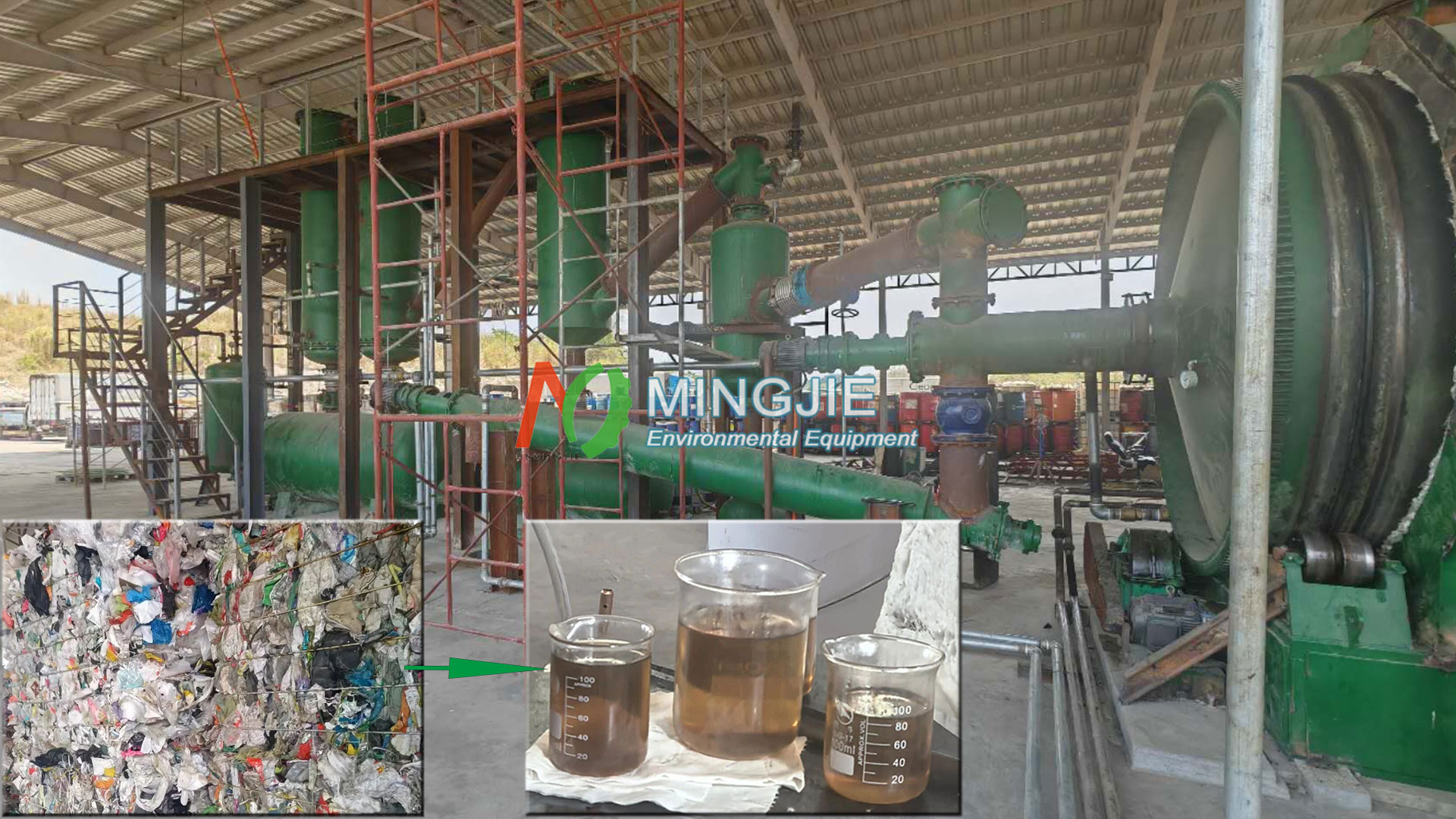
Achieving Sustainability through Resource Recovery
Using pyrolysis plastic to diesel plant provides substantial environmental benefits. Converting plastic waste into energy significantly improves CO2 emission profiles. This technology creates a “closed loop” where waste no longer pollutes oceans. It directly supports the goals of a modern circular economy. Pyrolysis and distillation reduce the need for landfills and incineration. Waste materials become valuable energy resources instead of hazardous pollutants. This approach solves prominent environmental problems for the shipping industry. Resource recovery promotes a sustainable future for international maritime trade. Sustainable development is now achievable through these advanced energy solutions.
Significant Savings on Operational Expenses
Producing fuel in-house offers a major financial edge to operators. A pyrolysis plastic to diesel plant slashes the need for external fuel purchases. Recycling plastic waste is far more affordable than buying market diesel. Investors see high returns through this efficient resource recovery method. Every ton of plastic waste creates hundreds of kilograms of fuel. This strategy transforms waste into high-value products for immediate use. Operators solve environmental liabilities while increasing their profit margins significantly. Local fuel pyrolysis plant and provides a stable energy supply for large-scale fleets. Use this technology to gain a lasting competitive advantage.
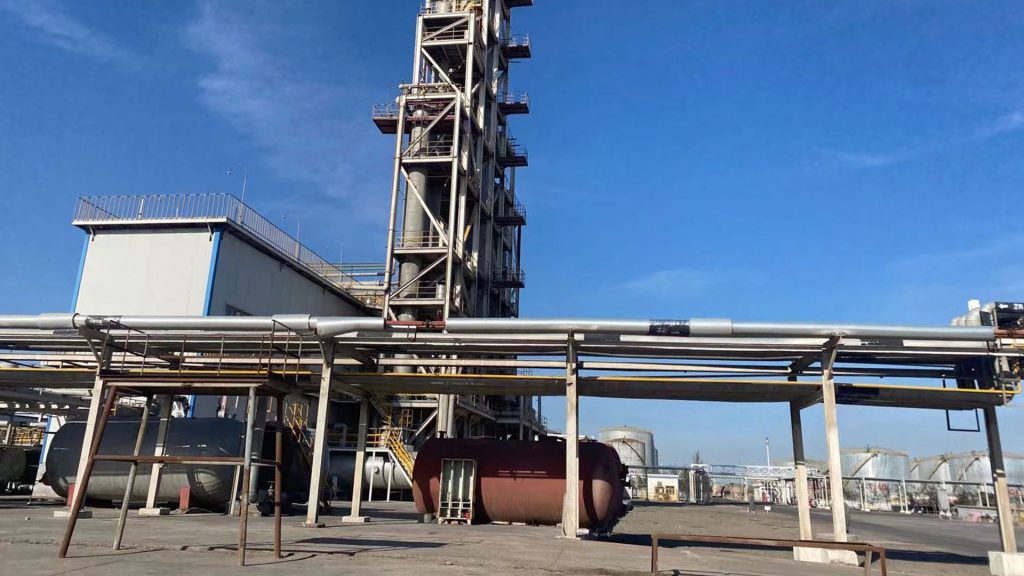
Sustaining High Performance in Oil Refining
Proper maintenance ensures the long-term reliability of your refining system. Operators should check wearing parts and lubricants once every week. Regular inspections prevent costly downtime during the fuel production cycle. For continuous machines processing plastics, maintenance should occur twice a month. This schedule includes deep cleaning to maintain optimal efficiency. Regular care extends the lifespan of the pyrolysis plastic to diesel plant. These routine steps keep the oil bright and the system running. Proper attention to detail protects the investor’s long-term capital assets. Consistent maintenance habits guarantee a steady supply of high-quality fuel.
Integrating plastic recycling into maritime operations solves two major problems. Companies reduce waste and create low-cost fuel simultaneously. This technology empowers ship operators to control their energy future. The transition to recycled fuel supports both profit and the planet.
Ship operators can significantly lower operational expenses by using pyrolysis plastic to diesel plant to convert plastic waste into maritime fuel. Learn how a pyrolysis plant and waste oil distillation machine converts plastic and waste oil into high-purity non-standard diesel to reduce marine fuel costs effectively.