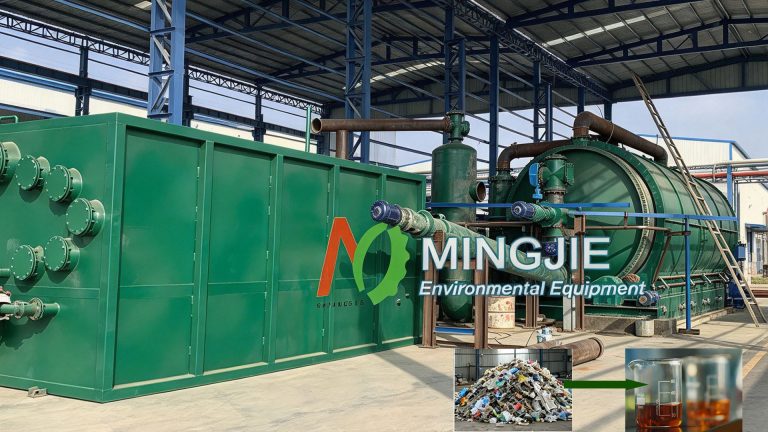
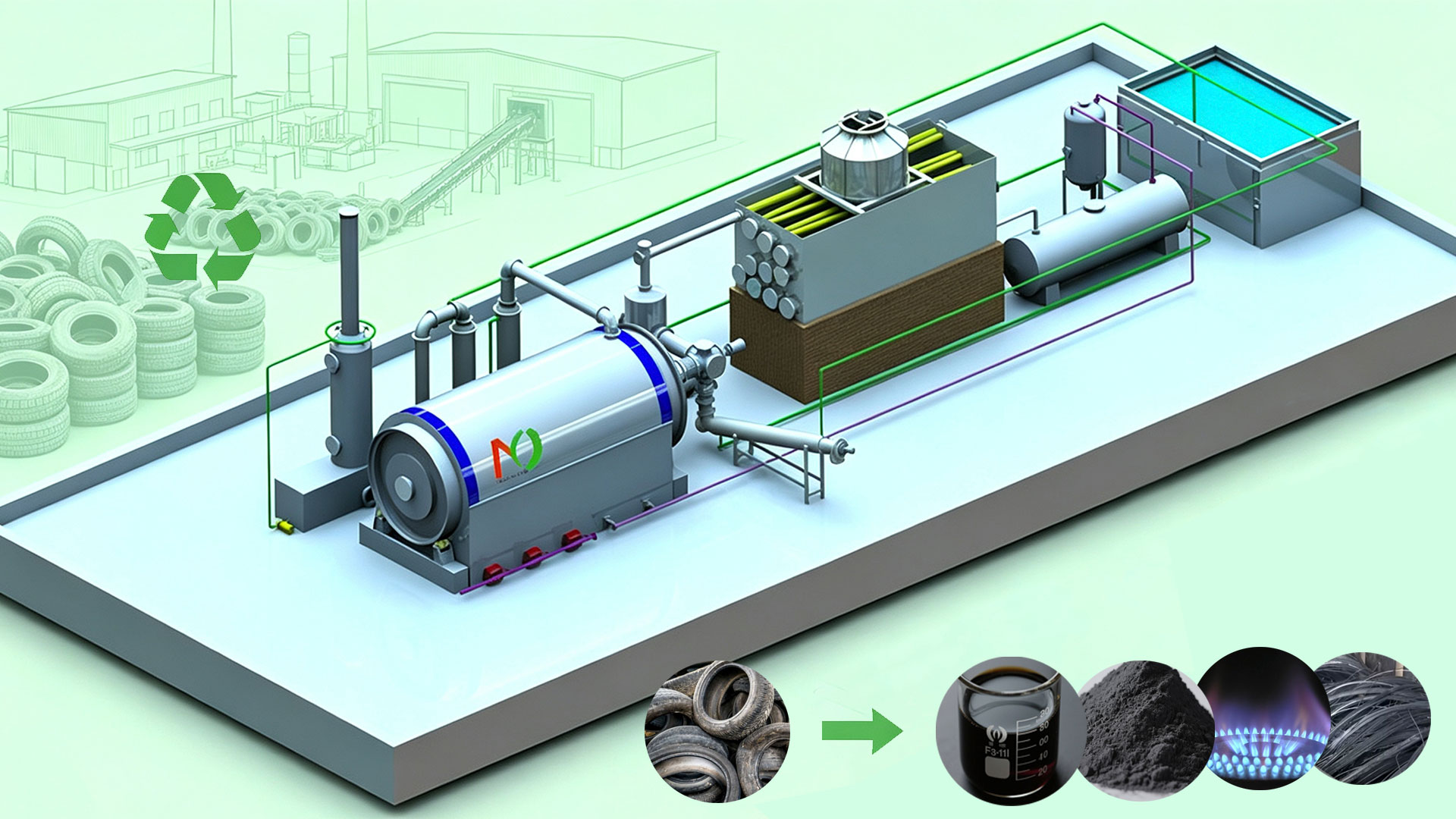
The Middle East faces a massive problem with mountain-high waste tire graveyards. These sites create severe environmental hazards in regions like Iraq and surrounding nations. Arid climates turn these tire stockpiles into dangerous fire hazards. They also provide breeding grounds for pests and spread disease. Pyrolysis plants provide an effective solution for waste tires treatment, converting them into pyrolysis oil, carbon black, syngas, and steel wire. It provides a sustainable alternative to the dangers of waste incineration.
Tire graveyards pollute the air and soil of the desert landscape. These massive piles represent a significant loss of potential energy resources. Implementing a waste tyre pyrolysis plant helps to solve this crisis effectively. This system processes discarded rubber into fuel oil and carbon black. It clears the land for productive industrial or economic uses. Local governments can use this technology to protect public health. The process reduces the environmental footprint of waste tires treatment in rapidly developing nations.
Scale of Waste Tires Treatment in the Middle East
Mountainous tire piles in the Middle East grow every single year. Arid conditions make these stockpiles an extreme fire risk. These fires burn for months and pollute the regional air. Tire graveyards also leach toxic chemicals into the dry soil. Traditional disposal methods struggle with the sheer volume of rubber waste. The tyre pyrolysis plant has high efficiency for waste tires treatment. This method avoids the harmful and outdated practices of landfilling.
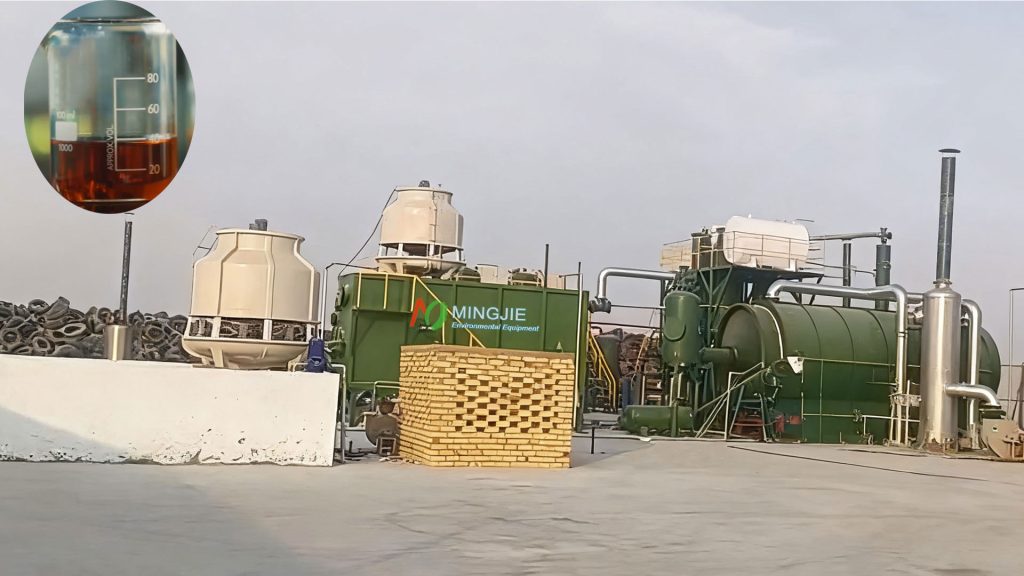
The Middle East needs to move toward resource recovery. Simple waste storage creates long-term liabilities for local governments. This thermal technology effectively handles the hidden dangers of waste accumulation. It protects local ecosystems from the risks of chemical leaching. Standard incineration releases high levels of pollutants into the atmosphere. This system operates in a controlled environment to prevent harmful emissions. Clearing tire mountains creates land for new industrial development projects.
Waste Tyre Pyrolysis Technology
Pyrolysis is a thermochemical decomposition process of organic materials. It occurs inside a reactor with very little oxygen. A waste tyre pyrolysis plant uses heat to break down rubber molecules. The reactor reaches an optimal operating temperature of 420°C. The tyre pyrolysis process converts solid rubber into oil and flammable syngas. The complete reaction cycle typically takes around 20 hours. Using this technology ensures waste remains inside a sealed system. This setup prevents the release of harmful substances during treatment.
This process provides a cleaner alternative to direct waste incineration. Incineration releases high levels of dioxins and sulfur dioxide. This advanced system significantly reduces these harmful air emissions. Oxygen-deficient conditions inside the reactor prevent material combustion. This controlled reaction recovers chemical raw materials and clean fuels. The technology offers high yields for many organic waste materials. It transforms environmental liabilities into secondary raw materials for the market.
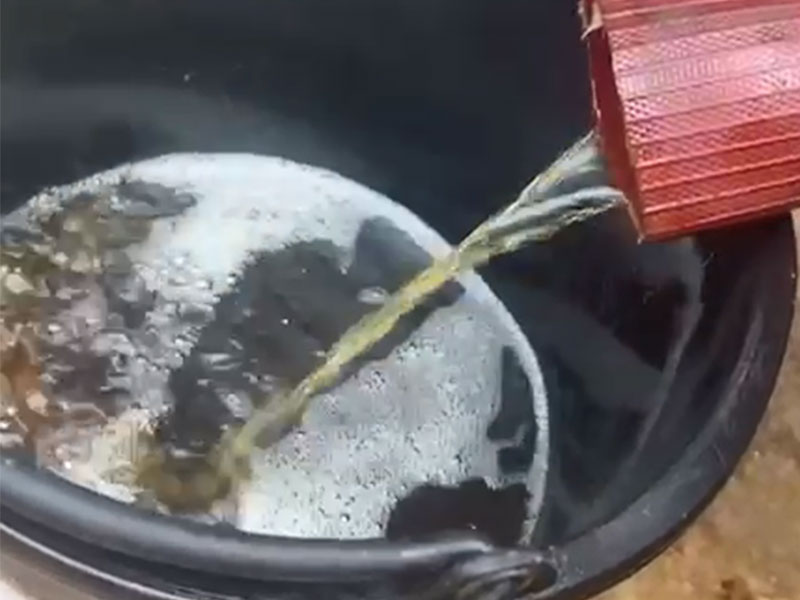
Industrial Energy from Tire Waste: Fuel Oil and Gas
The primary output is high-purity fuel oil for industrial boilers. This oil serves as a reliable replacement for traditional fossil fuels. It possesses a high calorific value for diverse industrial uses. Factories use this liquid to power their heavy heating systems. A waste tyre pyrolysis plant also produces flammable syngas during the reaction. This gas powers the reactor to save on overall energy costs. This self-sustaining loop improves the efficiency of the facility.
This pyrolysis technology supports the global shift toward a circular economy. Discarded tires no longer remain useless waste in landfills. Instead, the process recovers energy stored in synthetic rubber. This reduces industrial dependence on traditional oil and gas sources. High yields for plastics like PE and PP reach 70-80%. This makes the facility a profitable investment for energy providers. These plants turn waste into assets for the regional industrial market.
Profiting from Carbon Black and Sequestration
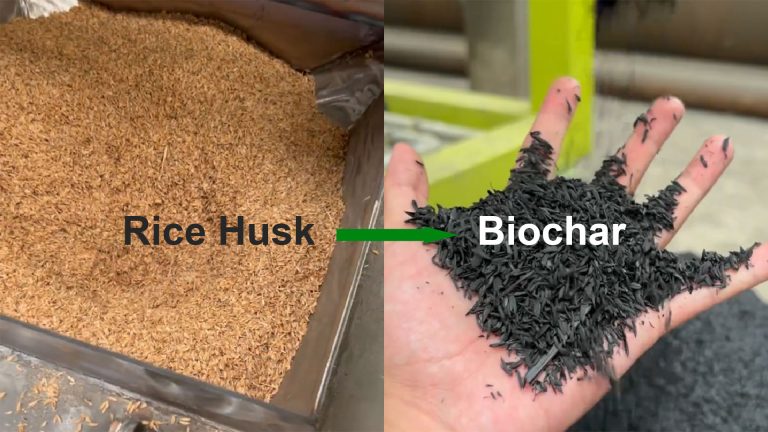
The tire pyrolysis system also generates a valuable byproduct called carbon black. This material can be pressed into fuel briquettes for industry. Some companies use it as a fortifier in rubber production. It also serves as a filler for the plastic industry. Recovery of this material reduces the burden of tire disposal. Every waste tyre pyrolysis plant contributes to carbon sequestration efforts. This process produces solid char for various profitable commercial applications.
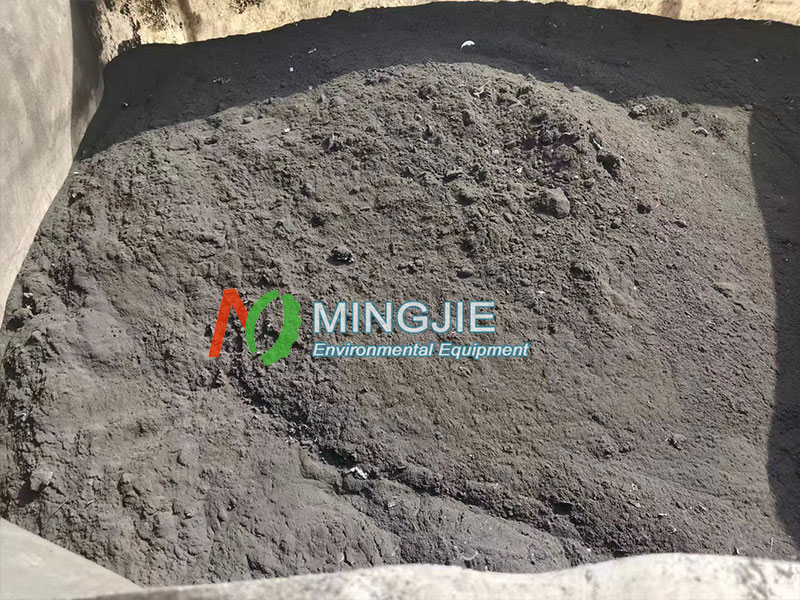
Resource recovery allows investors to obtain high financial returns. Selling carbon black alongside fuel oil increases project profitability. This material has wide demand in the manufacturing sector. The facility ensures every part of the tire provides economic value. This approach aligns with sustainable development and environmental protection. Using these systems helps close the loop in industrial production. It offers a holistic solution for regional waste management challenges.
Choosing Between Batch and Fully Automatic Systems
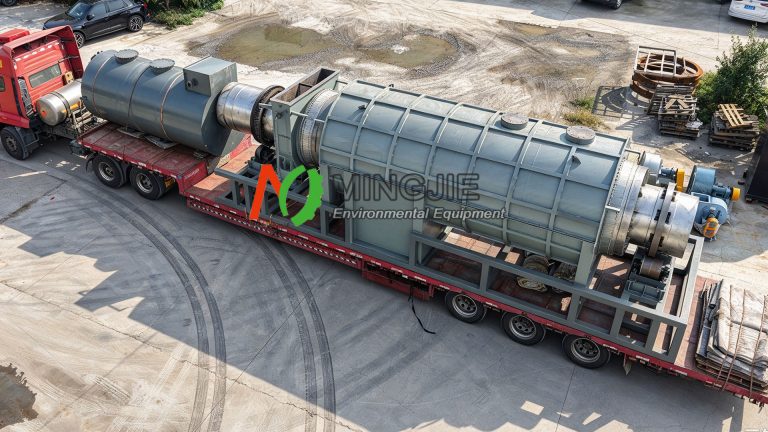
Investors choose specific configurations based on their operational needs. A batch pyrolysis plant processes 6 to 15 tons daily. This system suits smaller operations with lower initial investment costs. It handles whole tires or large pieces of plastic waste. After each cycle, workers must reload the reactor for processing. Small-scale investors prefer the high slag discharge of this model. This versatile machine offers a low-entry point for tire recycling.
A semi-continuous system offers a mid-range production solution. This configuration processes about 15 to 16 tons of tires daily. It requires raw materials crushed into powder under 8mm in size. This system includes an automatic feeding unit for improved efficiency. It feeds materials at high temperatures without waiting for cooling. This bridge between batch and automatic systems maximizes daily output. It provides a clean operating environment for medium-scale projects.

Large waste tires treatment projects require a fully automatic waste tyre pyrolysis plant. These systems process between 35 and 40 tons every day. They operate 24 hours a day with continuous feeding. Feed size must remain under 8mm for proper functioning. Tires must undergo shredding and steel wire removal first. The automatic pyrolysis plant maintains a clean environment through total sealing. It represents the highest level of industrial tire recycling technology.
Refining Pyrolysis Oil into High-Grade Diesel
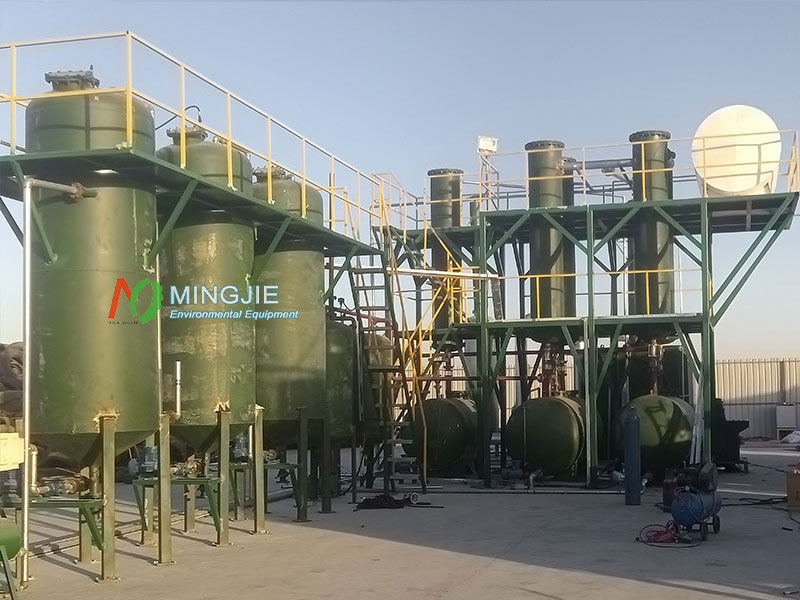
Output from the tyre pyrolysis plant can undergo further chemical purification. Pyrolysis oil distillation plant converts raw oil into non-standard diesel. This bright fuel powers heavy-load and low-speed engines. It is ideal for ships and large diesel generators. Investors can also process waste engine oil for extra revenue. Mingjie Group has implemented these distillation projects in Iraq successfully. This step adds significant value to the liquid energy products.
Distillation separates useful components from impurities and pollutants. The resulting diesel meets the needs of industrial fuel customers. Heavy oil from the distillation process also has market value. It can be sold as asphalt in local construction markets. Alternatively, operators can refine it again in the pyrolysis reactor. This integrated system maximizes the benefits of every ton of rubber. It creates a comprehensive solution for regional energy challenges.
Economic Viability for Middle Eastern Investors
The pyrolysis system provides high cost-effectiveness for Middle Eastern investors. Sale of energy products ensures a high return on investment. The waste tyre pyrolysis plant helps companies improve performance. This technology supports the transition to a circular economy. The system processes dirty materials without expensive pre-washing. This feature reduces operational costs for large recycling projects. It simplifies the recycling process for various organic waste streams.
The pyrolysis plant can also process municipal waste and oil sludge. This versatility allows investors to diversify their waste streams. Pre-sorting materials like metal and glass improves machine performance. The reactor can reach temperatures of 420°C for mixed plastics. This yields 80% fuel oil from pure PP materials. Industrial customers value these high calorific products for heating. This economic advantage makes the technology a primary solid waste treatment solution.
Regular maintenance keeps the waste tyre pyrolysis plant running. Operators should stop the machine once a week for checks. This weekly routine focuses on wearing parts and lubricants. Each month, the plant requires one full maintenance day. This monthly stop allows for thorough cleaning of all components. Continuous systems processing tires require maintenance once a month. These steps ensure long-term stability and high production yields.