The global continuous pyrolysis waste plastic project is experiencing unprecedented rapid growth in 2026. In 2025, the global market size for continuous waste plastic pyrolysis equipment reached US$4.085 billion. In the pyrolysis oil sector, the global market size for waste plastics pyrolysis oil was US$310.3 million in 2025. It is projected to grow to US$835.6 million by 2032, representing a CAGR of 15.2%.
The world’s plastic waste is now at a breaking point. The conventional approach of landfilling and incineration is rapidly giving way to more advanced methods of resource recovery. A growing trend is to recover energy from plastic waste by utilizing its hydrocarbon content. A continuous pyrolysis waste plastic plant offers a highly efficient solution for this purpose. Many traditional waste polymers, such as Polypropylene (PP) and Polyethylene (PE), have long been considered unrecyclable. Yet these materials contain high levels of energy and are now ideal candidates for advanced chemical recycling through thermally induced degradation in continuous pyrolysis plant.
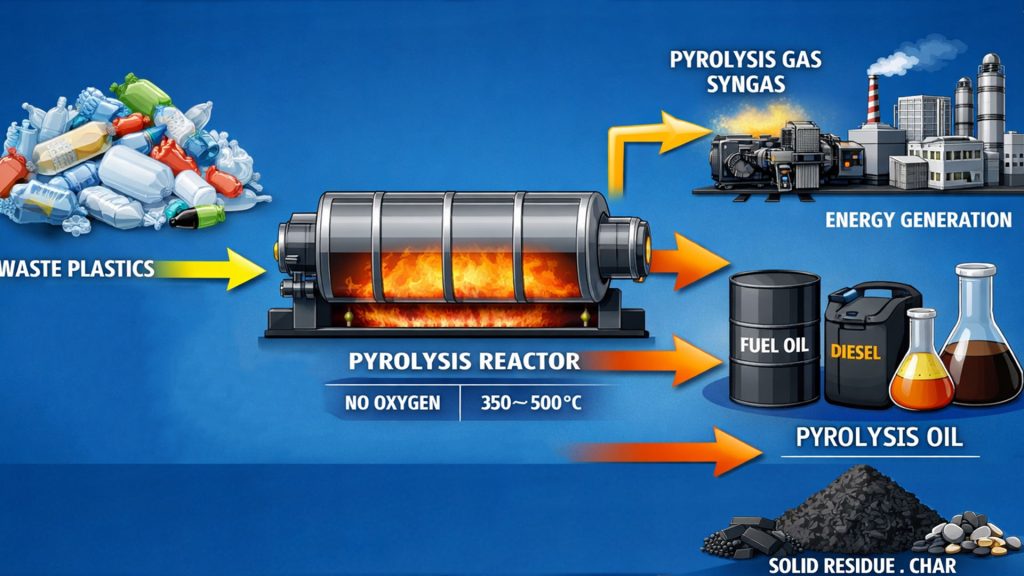
From 2025 to 2026, a sustained investment boom is expected in Europe, America, the Asia-Pacific region, and Southeast Asia. The total processing capacity of waste plastic pyrolysis projects under construction or already in operation globally will exceed 120 million tons per year. A complete industrial chain covering raw materials, pyrolysis, oil refining, and carbon asset value-added is rapidly taking shape. It has become one of the fastest-growing sub-sectors in the circular economy.
Large-Scale Continuous Pyrolysis Waste Plastic Plant
In Industrial plastic recycling factories dealing large amounts of scrap materials and raw materials the conventional use of batch pyrolysis systems can be financially counter productive. On the other hand, a continuous waste plastic pyrolysis plant offers a non-stop treatment and reuse of plastic waste and resources in a fully automated process with continuous in and outfeed options of materials in process.
Compared to batch pyrolysis plant, this continuous pyrolysis waste plastic system has significant advantages concerning energy efficiency. By always working at the same temperature, the energy consumption per treated ton is lowered greatly. Furthermore, a constantly high yield of high quality pyrolysis oil and carbon black is generated. This is absolutely ideal for big scrap recycling companies that are trying to find alternative resources in order to keep up their supply for their customers in the materials industry.
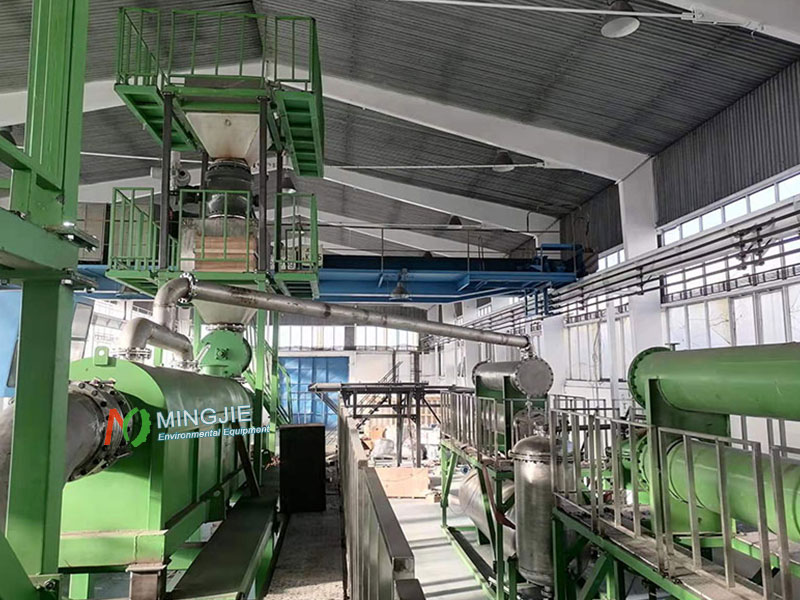
Composition of Continuous Pyrolysis System
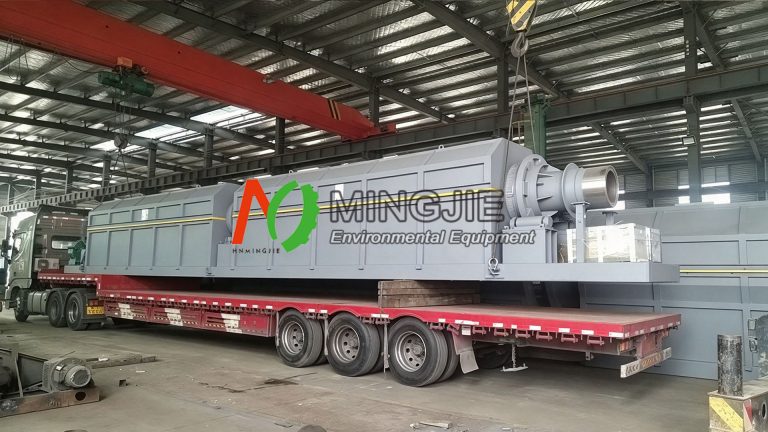
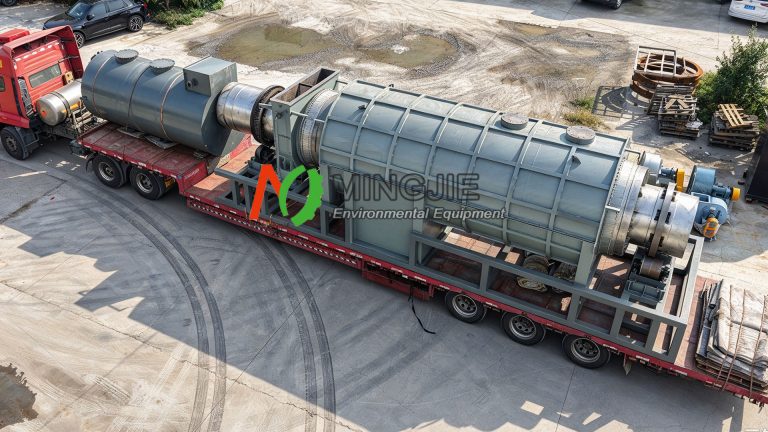
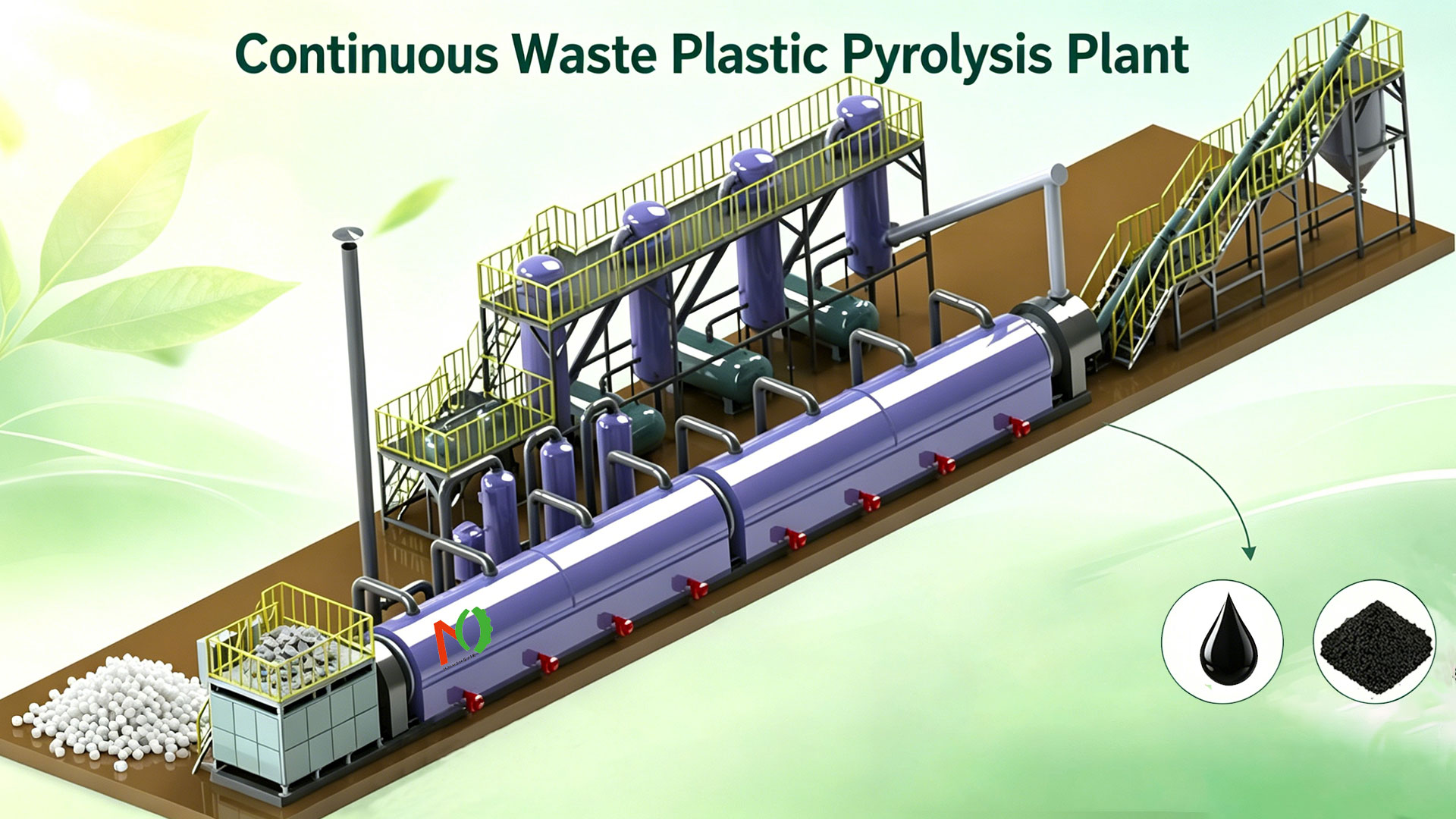
Our modern waste oil recovery projects incorporate a number of specialist components into the overall design of the facility. The core equipment of this system is the continuous pyrolysis waste plastic lant, which ensures uninterrupted processing and high thermal efficiency for large-scale operations. The continuous pyrolysis system utilises a horizontal rotating reactor with a sophisticated drive system. Each fully automatic pyrolysis plant is equipped with automated shredding feed systems and multi-level condensers to maximise oil yield.
In addition, every unit is provided with a syngas recycling section to capture non-condensable gases to be used as a burner fuel within the reactor. Pressure sensors and emergency vent over pressure protection are also incorporated to ensure compliance with all relevant safety regulations.
How to Obtain Fuel Oil from Waste Plastic
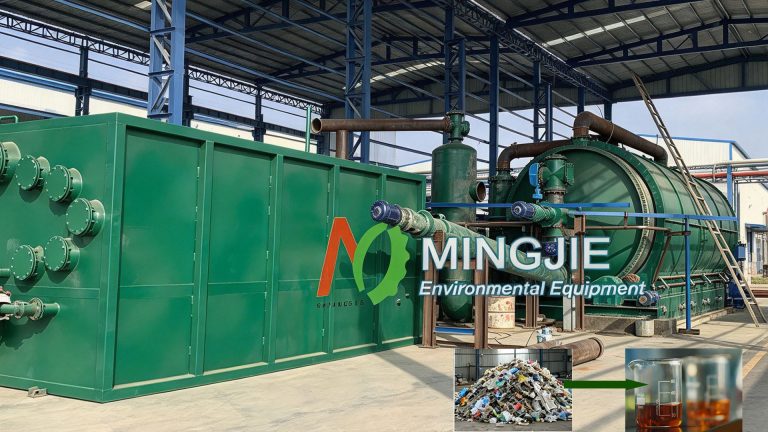
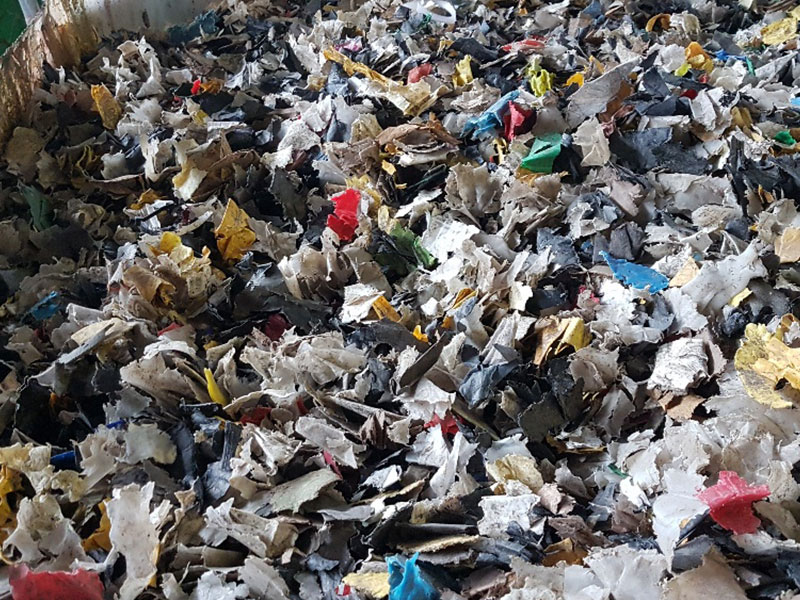
The first step in this process is preparing raw materials, such as PP and PE and shredding them into suitable sizes to get even heating in a continuous pyrolysis waste plastic plant. The raw materials thus go through a process of anaerobic thermal cracking at a temperature of 400°C to 500°C.
As long chain hydrocarbon chains are broken into short chains, they convert into vapors in the process. This vapor is cooled through a high efficiency condenser to obtain liquid plastic pyrolysis oil. Thus the temperature control of this process is very important. Pyrolysis oil obtained has chemical properties including viscosity and fuel energy, which are suitable for being high energy contents and low impurity levels.
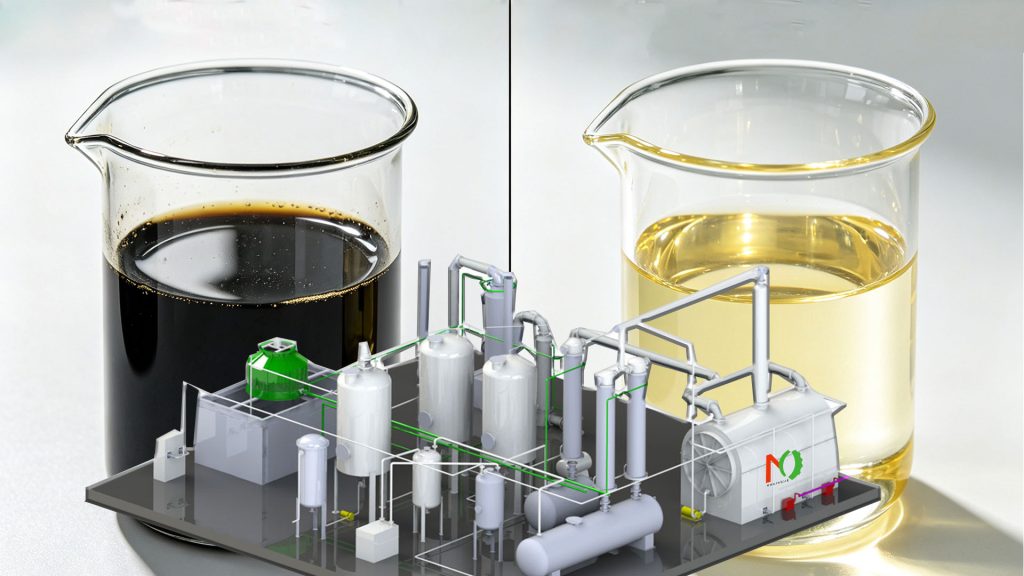
Distillation Process: Upgrading Pyrolysis Oil into Bright Diesel
After the raw pyrolysis oil has been sold on the market as bio-fuel for diesel power units, the product can undergo further refining. This secondary process uses a vacuum distillation column to upgrade the raw oil into a higher quality fuel. Raw pyrolysis oil typically contains waxes and heavy residues that limit its direct application in high-performance engines.
By applying a catalyst inside the vacuum distillation column and optimizing the cooling process, operators can transform the heavy, dark oil into a clean-burning non-standard diesel fuel. The resulting product appears bright and light yellow in colour, indicating a significant reduction in impurities.
This upgraded diesel offers multiple advantages over standard pyrolysis oil. By investing in distillation technology, plant operators can access premium fuel markets and achieve higher profit margins from the same plastic waste feedstock.
- Due to its increased cetane number and reduced sulfur content, the secondary distillation product becomes an attractive bio-fuel for a wide range of industrial applications.
- Industrial burners can use it as a reliable energy source for manufacturing processes.
- Diesel power generators benefit from its cleaner combustion properties, which reduce maintenance requirements.
- Mining and construction equipment, often operating in remote locations with limited fuel supply options, can also run efficiently on this non-standard diesel.
Continuous Pyrolysis Turning Waste into Energy
The economic benefits of converting to chemical recycling are significant, as the sale of high value pyrolysis oil and non-standard diesel provides a quick return on investment for continuous pyrolysis waste plastic plant operators. The social benefits include generation of jobs in the “green-tech” industry, and mitigation of environmental harm caused by plastic pollution. Turning this waste into a profitable energy alternative also grants communities greater energy independence, while tackling the dirty problem of plastic waste.
Building a Sustainable Future with Pyrolysis Solutions
Mingjie never just supply hardware to achieve long-term sustainability; instead our offering is always engineered around the specific waste composition and local legislation. Every continuous pyrolysis system we deliver is designed to adapt to each client’s unique operational environment. Our bespoke waste recycling plants are expandable as waste volumes increase, and our expert team can source the precise components needed for a small-scale or commercial-scale operation.
The heart of many successful projects is a reliable continuous pyrolysis system, which ensures non-stop processing and consistent output. Our unique offering combines the latest automation and energy-efficient innovations to support a complete resource recovery solution that is both environmentally responsible and commercially sustainable. As countries continue to tighten carbon neutrality targets, investing in a customized continuous plastic pyrolysis plant remains an essential strategy for companies leading the global green transition.