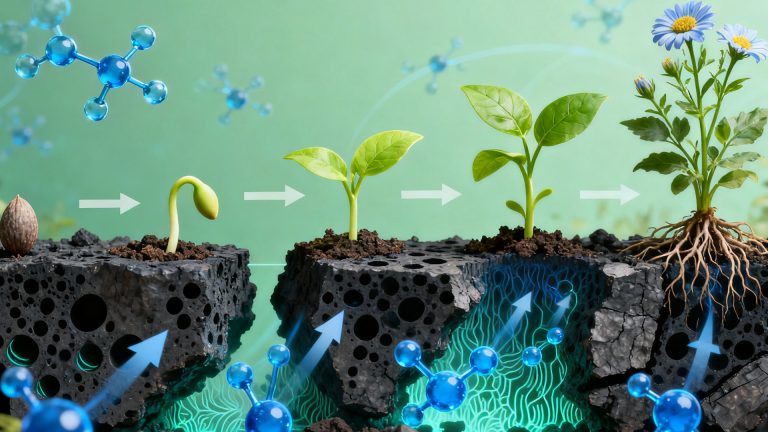
Carbon Dioxide Removal by Biomass Pyrolysis
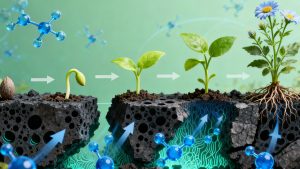
In the global carbon neutrality movement, carbon dioxide removal (CDR) technology is considered a key means of bridging the emissions reduction gap and achieving net-zero emissions. Biomass pyrolysis is one of the most mature and readily scalable carbon dioxide removal technologies available today. It is a key tool in the
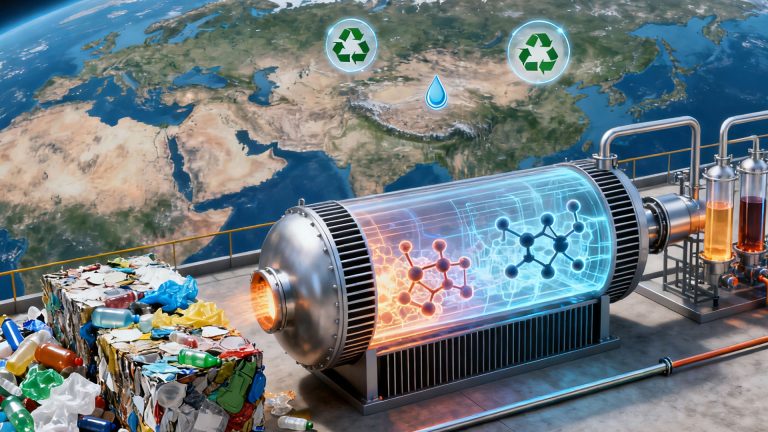
Chemical Solution for Plastic Pollution
Faced with the dire situation of plastic pollution, pyrolysis technology is gradually gaining attention as a highly promising solution. Pyrolysis solution for plastic pollution is a thermochemical process that decomposes organic matter at high temperatures oxygen-free environment. Pyrolysis equipment can break down complex, large-molecule plastics into smaller molecules. The final
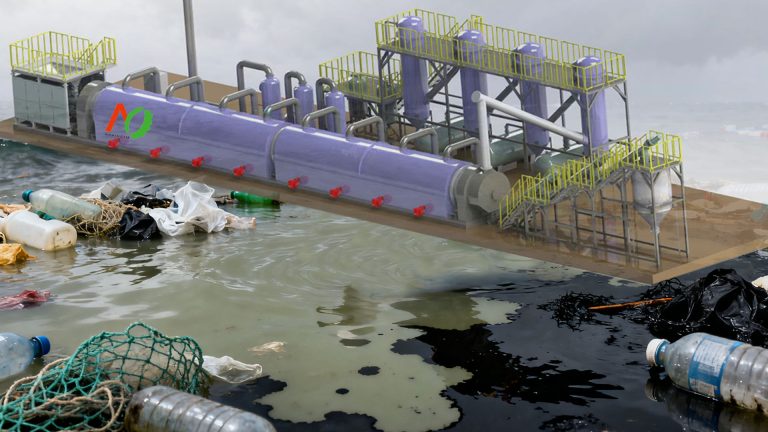
Marine Pollution Solution – Pyrolysis Equipment
Marine pollution has become a major environmental issue threatening global ecosystems. Pollutants such as plastic waste, oil spills, and ship debris continue to disrupt the marine ecosystem. Among numerous pollution control technologies, due to the advantages of reduction, resource utilization, and harmlessness, pyrolysis equipment has become a crucial technical support
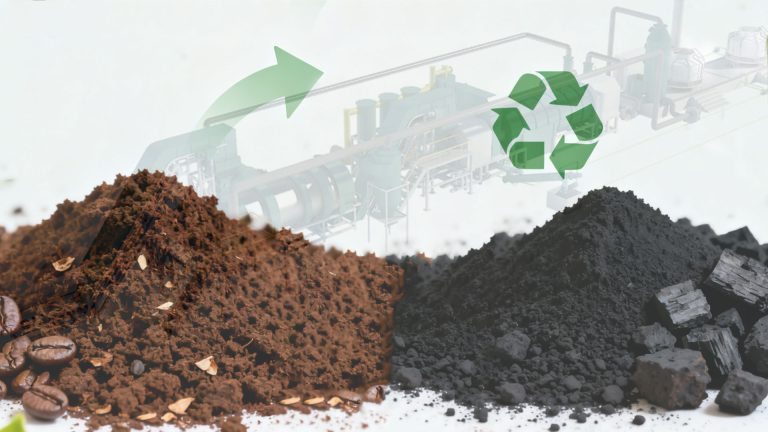
Coffee Biochar Production: Turning Coffee Grounds into Black Gold
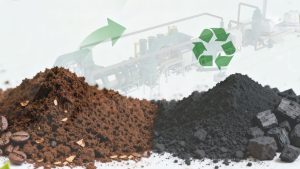
Coffee biochar is a porous carbon material made from waste coffee grounds through pyrolysis. It has a high specific surface area, abundant surface functional groups and a stable carbon structure. It is widely used in environmental remediation, agricultural improvement, energy storage, and other fields. The creation of coffee biochar is
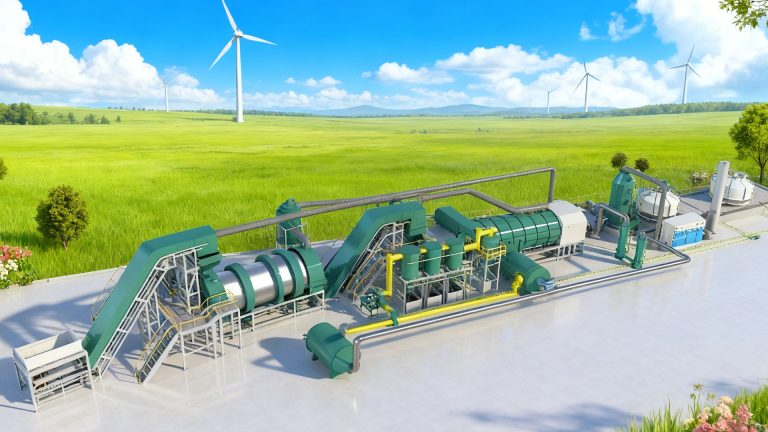
Biomass Pyrolysis Project – Sustainable Energy Development
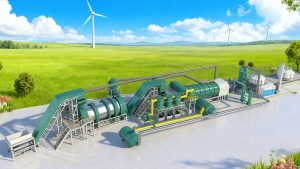
Biomass pyrolysis projects are rapidly developing worldwide, ranging from small pilot projects to large commercial facilities. These projects are attracting attention for their potential for carbon removal, waste management, and renewable energy production. As a key direction for sustainable energy development, biomass pyrolysis projects play an indispensable role in energy
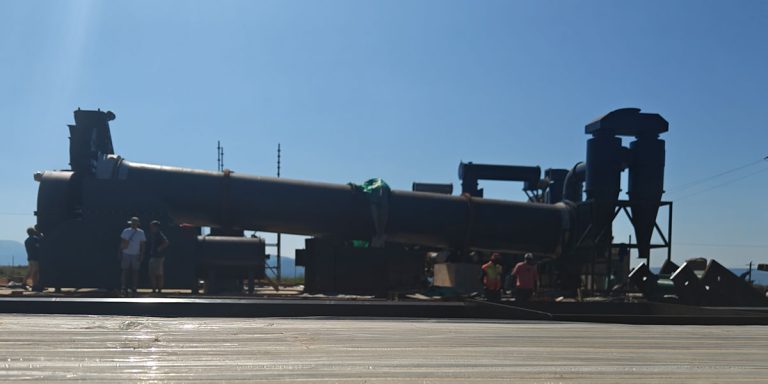
Preparation Work for Implementing Biomass Carbonization Project
Implementing a biomass carbonization project is a systematic undertaking that requires thorough preparation and planning. Below is a comprehensive preparatory checklist, covering all stages from concept to operation. Feasibility Assessment and Strategic Planning for Biomass Carbonization Projects The goal of this phase is to determine “whether” the biomass carbonization project
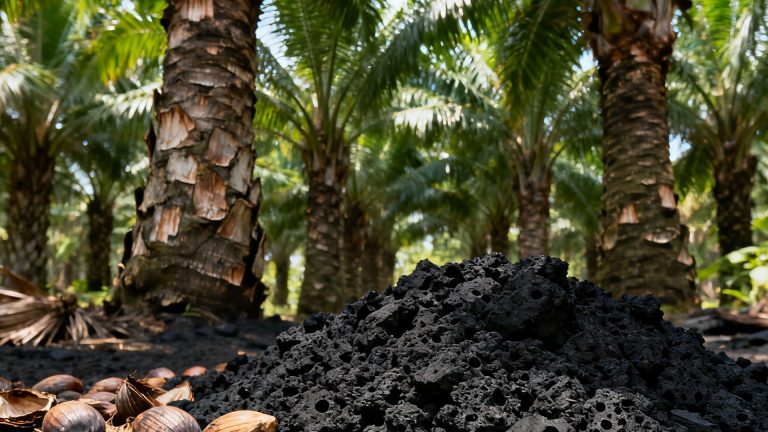
Palm Kernel Shell Biochar Production
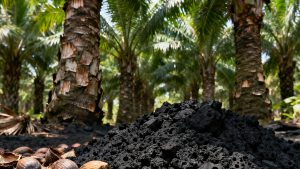
Before palm oil is pressed, the pulp and kernel of the palm fruit must be separated. The palm kernel shell is the hard outer shell of the kernel. Its exceptionally hardness and high carbon content make it an ideal raw material for producing high-quality biochar. Palm kernel shell biochar is
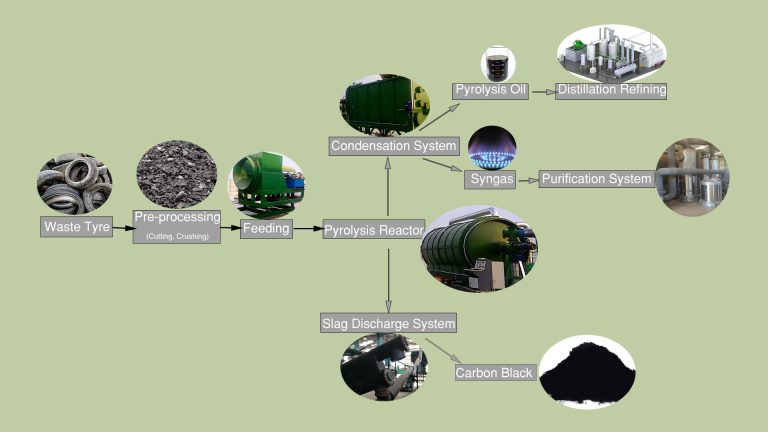
Environmental Impacts of Waste Tyre Pyrolysis Process
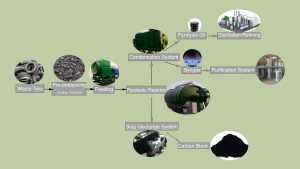
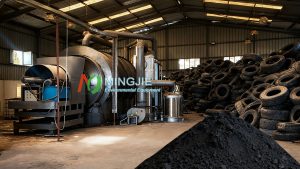
The waste tyre pyrolysis process involves heating waste tyres at high temperatures in an oxygen-deficient environment, breaking them down into high-value-added products. The main products of waste tyre pyrolysis are pyrolysis oil, carbon black, steel wire, and syngas. Pyrolysis technology is currently one of the most promising technologies for achieving

What is Pyrolytic Carbon Black
Pyrolytic carbon black (PCB) is a black powder obtained by separating and purifying the pyrolysis products of waste rubber or plastic. Pyrolytic carbon black is a key product in the resource recovery of solid waste. Its core component is carbon (70%-95%), along with small amounts of ash, volatile matter, and
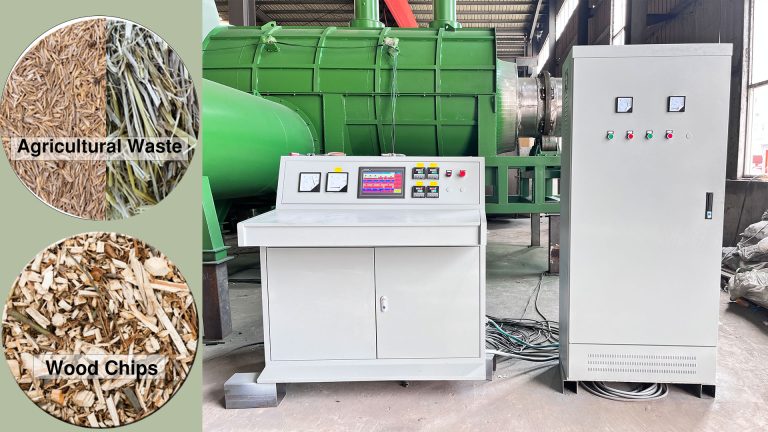
Pyrolysis Machine for Biomass Resource Utilization
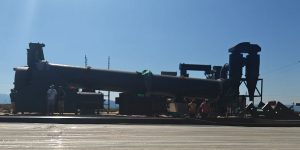
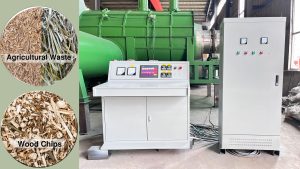
The principle of biomass resource utilization is based on thermochemical conversion. A pyrolysis machine for biomass heats solid waste to a specific temperature range in an oxygen-free or low-oxygen environment. This causes a complex thermal decomposition reaction, transforming the waste biomass into biochar, syngas, and tar. Biomass resources are zero-carbon,