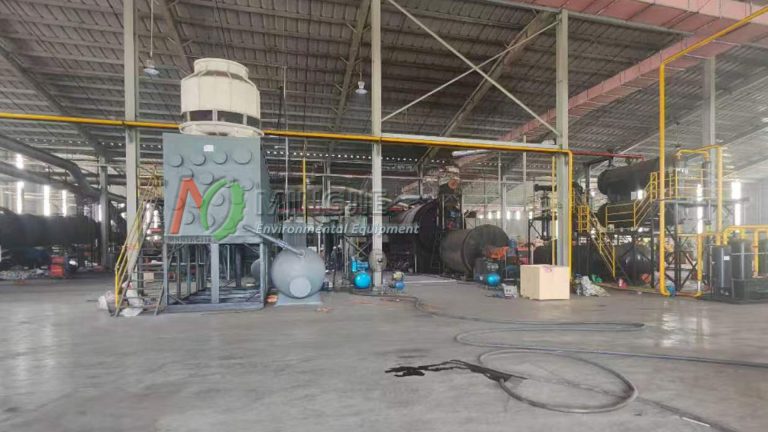
MJ-15 Plastic Pyrolysis Plant in Vietnam
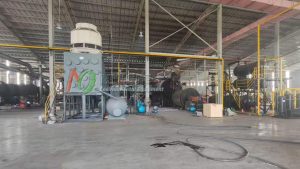
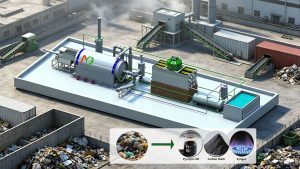
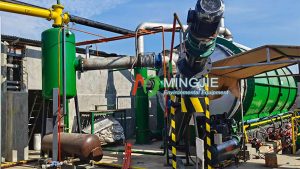
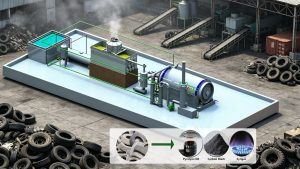
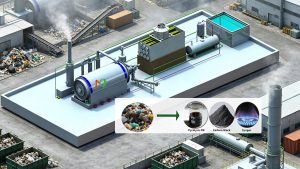
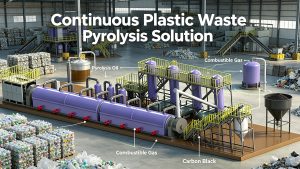
In mid-April 2026, Mingjie Group completed the installation and commissioning of MJ-15 plastic pyrolysis plant in Vietnam. Plastic pyrolysis equipment converts waste plastics into products such as pyrolysis oil, syngas, and carbon black through an oxygen-free, low-temperature pyrolysis process. It possesses dual value in environmental disposal and energy regeneration. The
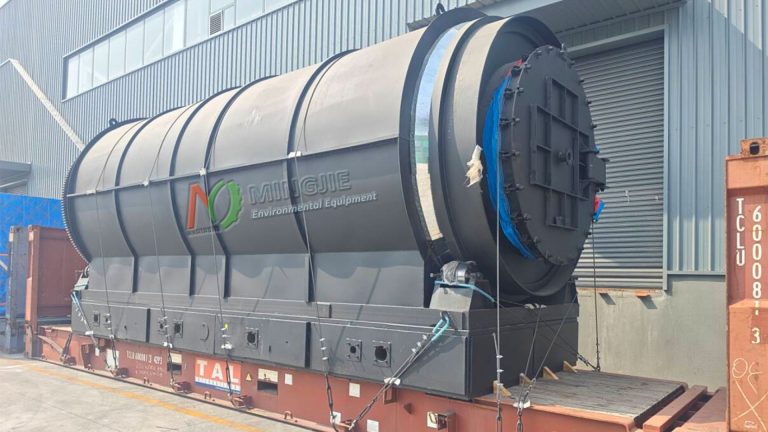
MJ-15 Pyrolysis Plant for Sale to Africa
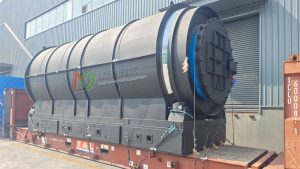
On March 27, 2026, the MJ-15 Pyrolysis Plant for Sale to Africa was shipped from Mingjie’s factory. We used four 40HQ high-cube containers to transport the pyrolysis reactor, cooling system, dust removal system, and accessories. For equipment accessories, consumable parts, operating manuals, and other materials, Mingjie staff will check each
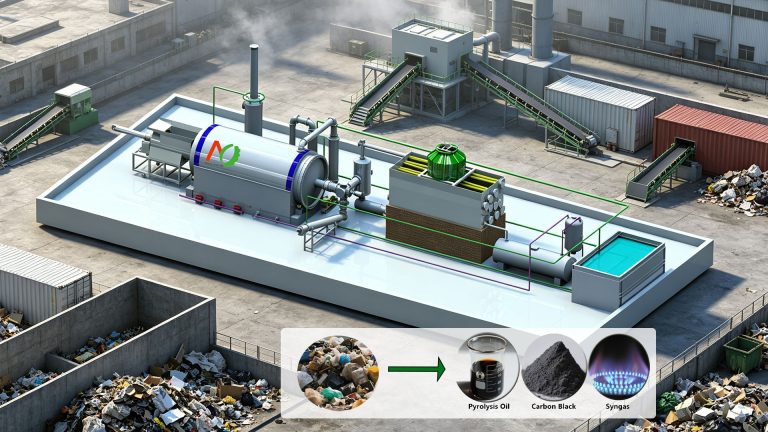
Post-War Green Reconstruction: Why Municipal Solid Waste Pyrolysis Plants Are Essential for Ukraine
Ukraine faces a massive challenge during its national reconstruction. We must prioritize sustainable energy and modern waste solutions now. Municipal Solid Waste Pyrolysis Plants provide a vital framework for this recovery. These facilities offer a dual benefit for war-torn urban areas. They drastically reduce waste volumes while generating essential industrial
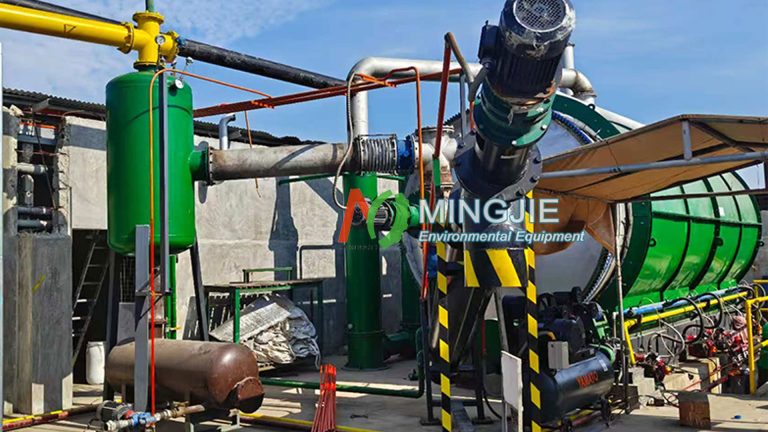
Medical Waste Pyrolysis Machine for Efficient Emergency Response
Discover how a Medical Waste Pyrolysis Plant provides safe, on-site disposal in crisis zones. Learn about resource recovery and low-emission waste-to-energy.
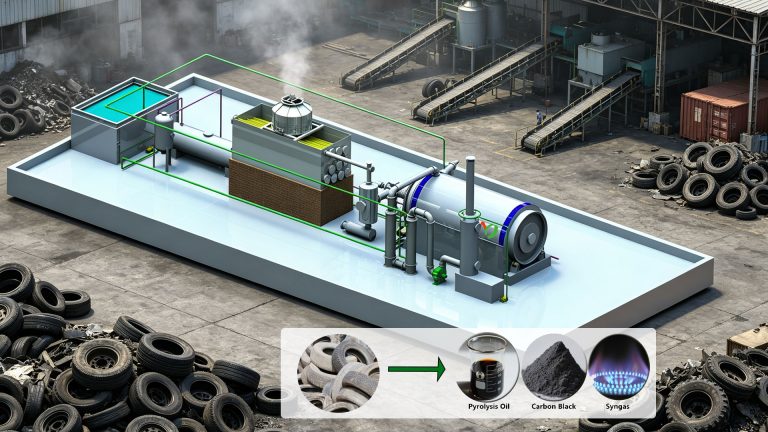
Waste Tire Pyrolysis Equipment Supporting Energy Solutions in Central Asia
Central Asian nations face immense energy hurdles due to their landlocked positions. These states rely on fragile fuel supply chains for daily industry. Transport costs often spike during seasonal shifts or geopolitical changes. A Waste Tire Pyrolysis Equipment provides a localized solution for immediate energy recovery. This tire pyrolysis technology
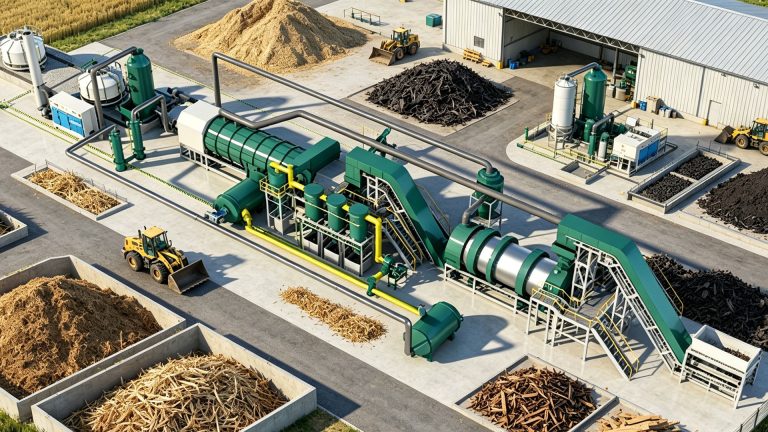
Turning Agricultural Waste into Black Gold with Biochar Systems
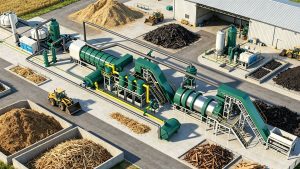
Global fertilizer prices hurt many farmers and industrial producers across the world today. Food security now faces massive risks in many different regions due to high input costs. The Biochar Systems offer a sustainable path forward for modern agriculture and waste management. This technology turns low-value agricultural waste into renewable
Sino-US Green Tech Dialogue: Expanding the Market for Continuous Plastic Pyrolysis Plants
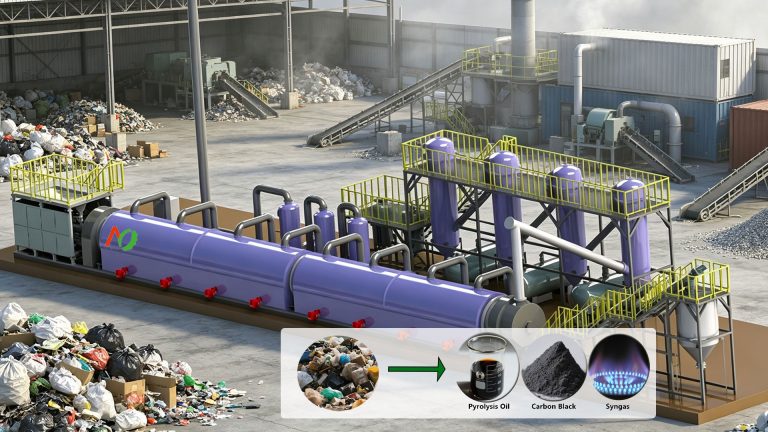
Diplomatic visits like the historic Trump trip highlight new avenues for transpacific environmental cooperation. These high-level exchanges foster meaningful dialogue between Chinese innovators and American industrial leaders. A continuous plastic pyrolysis plant represents a critical bridge for this burgeoning technological partnership. Analysts observe that such interactions create vital pathways for
Why High Crude Oil Prices Drive Demand for Pyrolysis Oil Distillation Plant
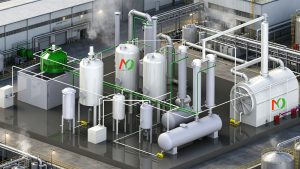
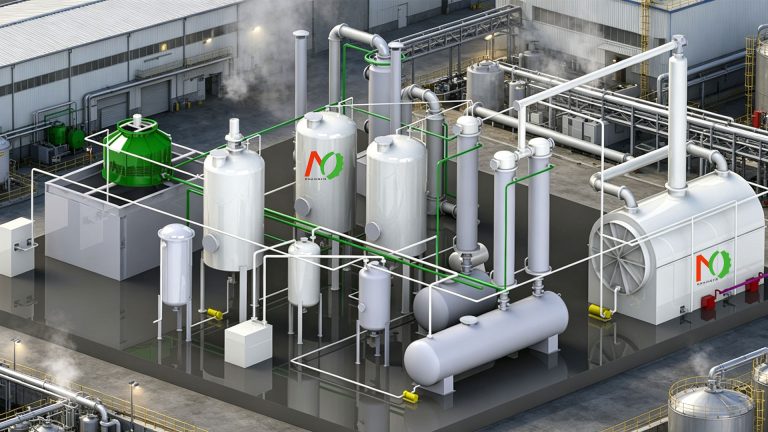
Global energy markets react sharply when crude oil reaches the one-hundred-dollar mark. This price point causes significant financial strain for many heavy industrial sectors. Businesses now seek ways to achieve total fuel independence from traditional petroleum markets. A Pyrolysis Oil Distillation Plant provides a vital solution for these energy challenges.
Solving Urban Land Scarcity with Pyrolysis of Municipal Solid Waste
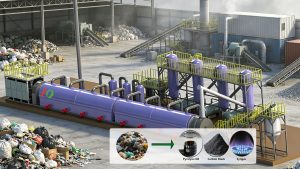
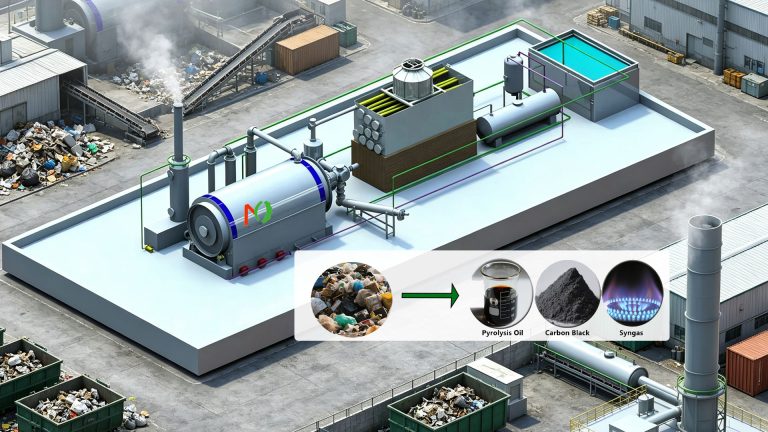
Urban centers face a serious land crisis today. Expanding populations produce more trash every single day. Available space for disposal shrinks rapidly. Municipal Waste Pyrolysis provides a vital technological breakthrough. This method transforms waste into valuable renewable energy. It serves the needs of modern megacities effectively. Traditional waste management requires
Continuous Plastic Waste Pyrolysis Solution for Vietnam
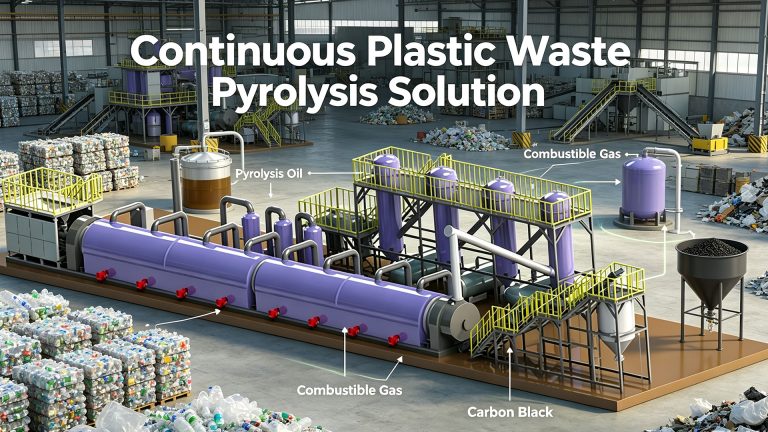
Maximizing Profits in Vietnam with a Continuous Plastic Pyrolysis Plant