Electrical Waste Pyrolysis Recycling
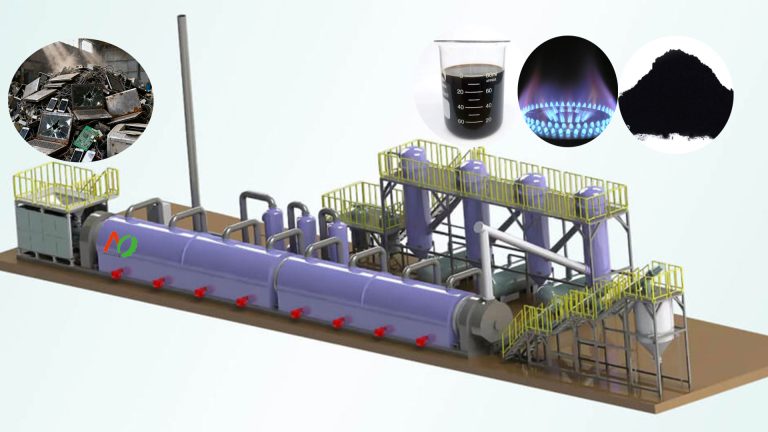
Electrical Waste Pyrolysis is a thermal decomposition process conducted under anaerobic conditions. This pyrolysis process of E-waste breaks down e-waste into pyrolysis oil, syngas, and solid residues. Pyrolysis plant can process various types of e-waste, including discarded computers, televisions, and smartphones. Its main advantage lies in its ability to recover
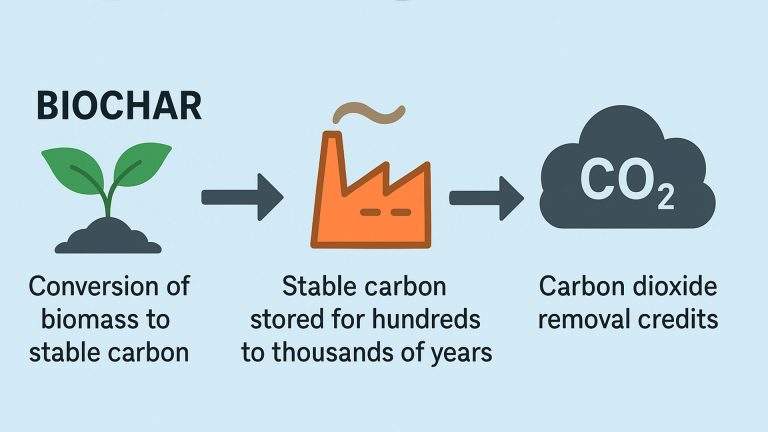
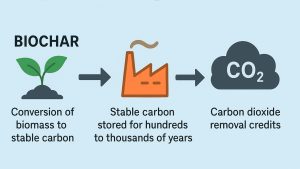
Biochar Market CDR Credits in 2025
The industrial biochar CDR market is tightening at an unprecedented pace. According to new data from the carbon removal market, 89% of biochar CDR credits have been committed by 2025, compared to just 62% in March. The latest analysis shows that buyers are scrambling to secure high-quality credits as demand
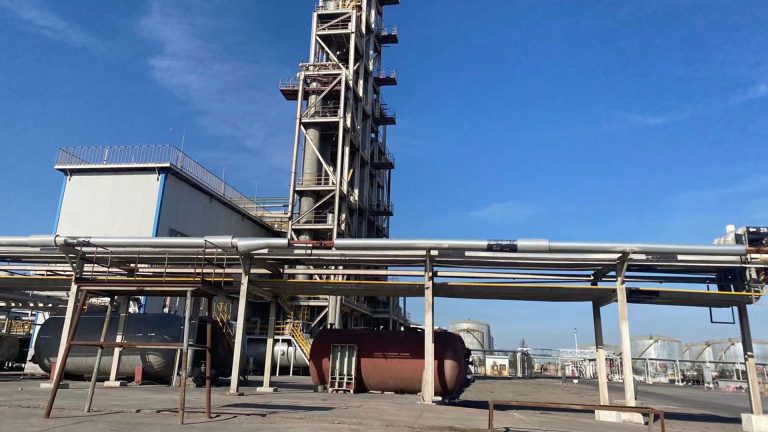
Distilling Waste Motor Oil
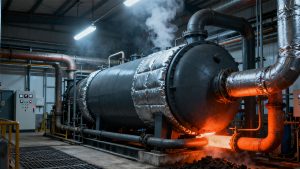
Waste motor oil is not worthless waste, it possesses enormous resource recycling potential. Distilling waste motor oil can give it new value. Distillation equipment can effectively separate the various components in waste motor oil. It removes impurities and harmful substances, regenerating the waste oil into high-quality base oils. These base
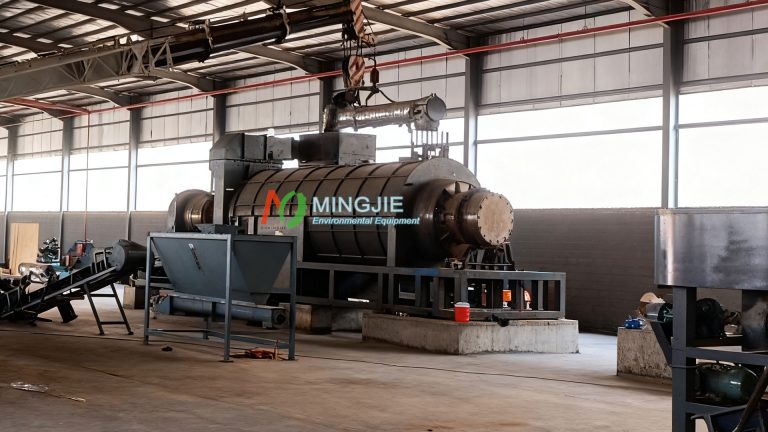
Installation of MJT-2000 Biochar Machine in Saudi Arabia
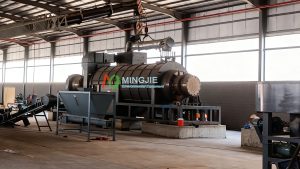
In November 2025, Mingjie Group provided on-site installation guidance for MJT-2000 biochar machine in Saudi Arabia. After the Saudi customer received the goods, we dispatched technicians to the site. The customer had completed the basic setup, and our technicians then began guiding the next step: assembling the biochar plant. The
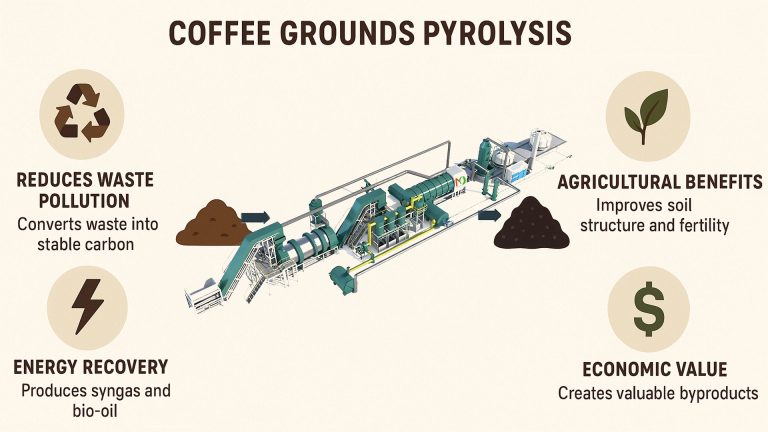
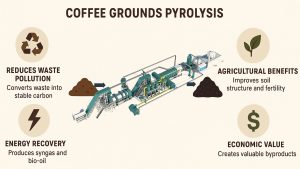
Coffee Grounds Waste Disposal by Pyrolysis Carbonization
Globally, approximately 9 million tons of coffee powder are consumed annually, generating about 18 million tons of wet coffee grounds. Most of these coffee grounds are treated as waste, disposed of through landfills or incineration. Pyrolysis carbonization technology offers a completely new approach to coffee grounds waste disposal, transforming them
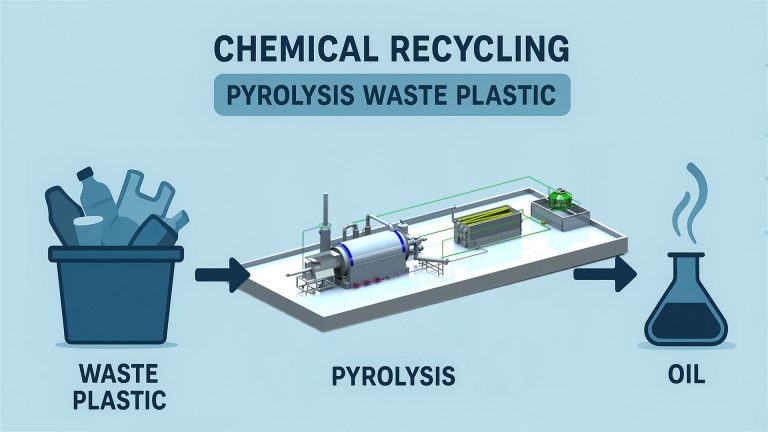
Chemical Recycling Pyrolysis Waste Plastic
Pyrolysis is the core technology of chemical recycling, which can convert waste plastics into fuel oil and achieve recycling. Compared to traditional landfill and incineration, chemical recycling pyrolysis is the most efficient and environmentally friendly method for solving waste plastic pollution problems. Pyrolysis Plant achieves zero toxic gas leakage and
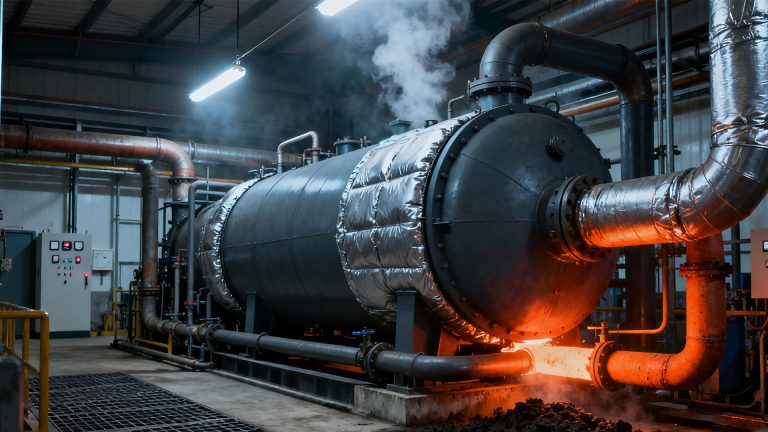
Sludge Disposal Methods: From Pollution to Resource Transformation
With increasing environmental awareness and emphasis on sustainable development, sludge disposal methods are constantly evolving. Various advanced sludge treatment technologies have emerged, progressing from simple dewatering and landfilling to today’s diversified treatment methods such as anaerobic digestion, aerobic fermentation, drying and incineration, and pyrolysis carbonization. More and more wastewater sludge
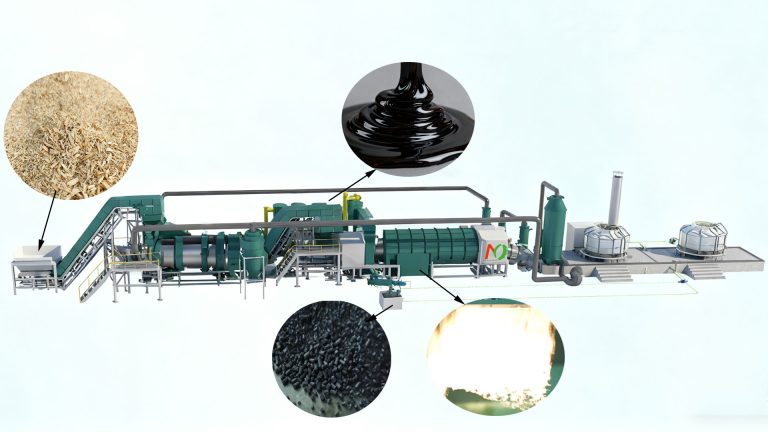
Wood Chips Pyrolysis Machine for Energy Convertion
Wood chips pyrolysis machine can convert wood processing residues into high-value-added biochar. It shows broad application prospects in energy supply, soil improvement, and environmental pollution control. Wood chips, as one of the main wastes generated by the forestry and wood processing industries. They have long been mostly incinerated or discarded,
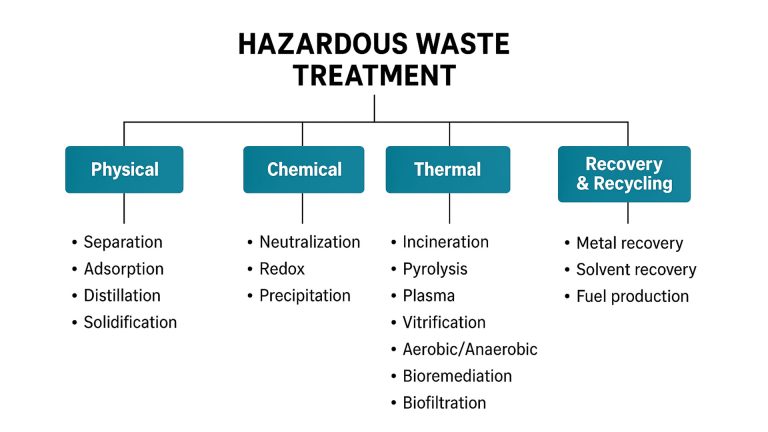
Hazardous Waste Treatment by Pyrolysis Technology
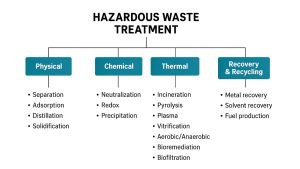
Advanced hazardous waste treatment technologies, including physical, chemical, and thermal processes, are transforming the landscape of waste management. Regulatory policies emphasizing waste reduction, recycling, and sustainable disposal practices are driving market growth. Governments worldwide are implementing stricter regulations to minimize environmental impact, leading to increased demand for hazardous waste treatment
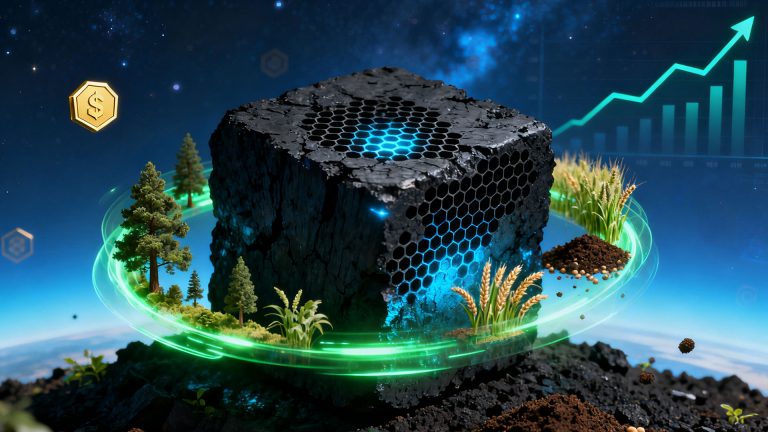
How Biochar Projects Create Carbon Assets
Biochar is considered one of the most promising and uniquely valuable carbon assets. Unlike biocoal, which primarily relies on carbon substitution for emission reduction, the core value of biochar lies in its ability to achieve carbon removal or negative emissions. This is becoming increasingly valuable in the international community’s pursuit