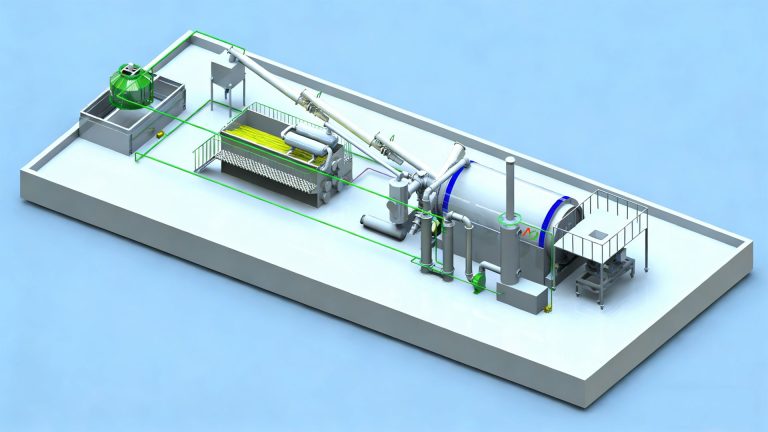
Semi Continuous Pyrolysis System for Waste Tyre Disposal
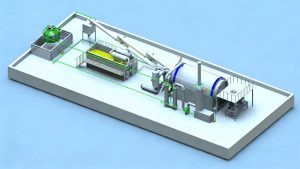
Market data shows that semi continuous pyrolysis system holds a prominent share in the segmented market of waste tire pyrolysis equipment. According to relevant industry research reports, semi-continuous pyrolysis devices are widely used in waste tire and plastic recycling due to their comprehensive performance advantages. They meet the needs of
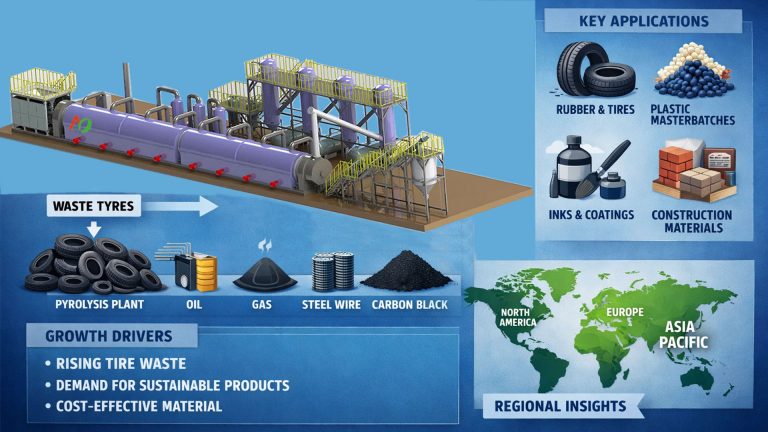
2025 Waste Tyre Pyrolysis Carbon Black Market
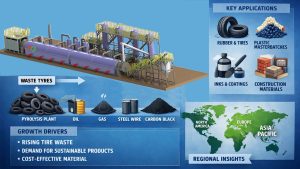
In 2025, the global recycled carbon black market size from tire recycling reached US$91 million. This figure not only marks a significant achievement for the tire pyrolysis industry in solid waste treatment and resource recycling, but also foreshadows its vast development potential. In 2025, in terms of regional distribution, the
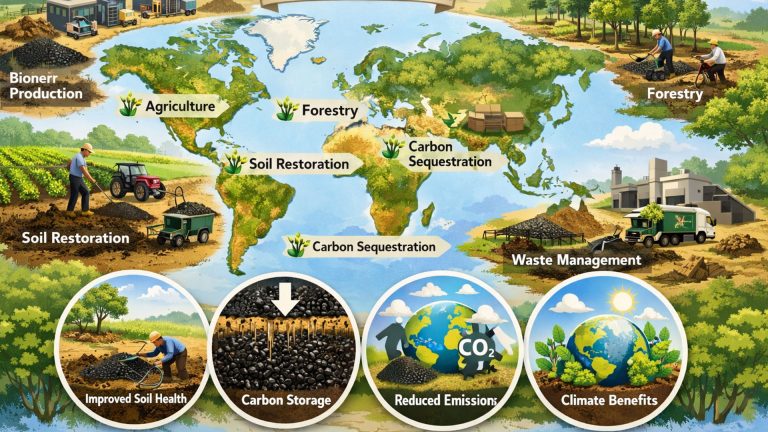
Global Biochar Market Outlook for 2026
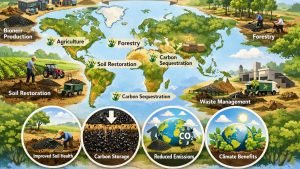
The global biochar market is experiencing continuous expansion, driven by a focus on sustainable agricultural and environmental practices. The global biochar market size was US$859 million in 2025 and is projected to reach US$969 million in 2026, representing an annual growth rate of approximately 12.8%. The increasing applications of biochar
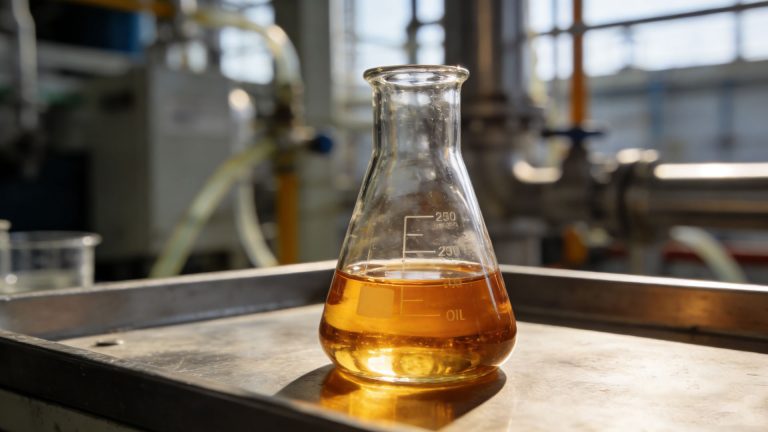
Plastic Pyrolysis Oil Market Price in 2025
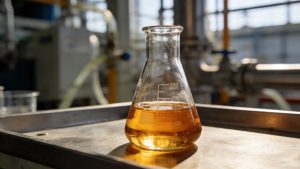
In 2025, the pyrolysis oil market was valued at US$1.44 billion and is projected to grow from US$1.69 billion in 2026 to US$3.72 billion in 2031. Waste plastics accounted for 55.02% of the pyrolysis oil market share in 2025, while fuel accounted for 93.15% of the market size. The global
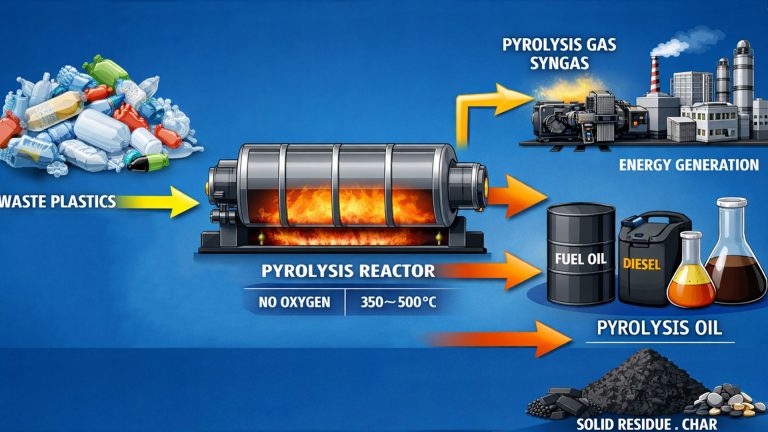
Pyrolysis Of Waste Plastics Into Fuels
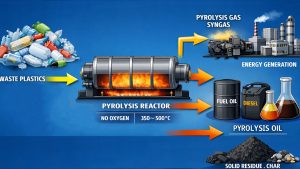
Pyrolysis of waste plastics into fuels, a common method of thermochemical conversion, is a popular and promising option in municipal solid waste recycling. Compared to biological recycling, pyrolysis of waste plastics is easier to scale up and can handle unsorted and contaminated waste. Among numerous thermochemical pathways, pyrolysis has received
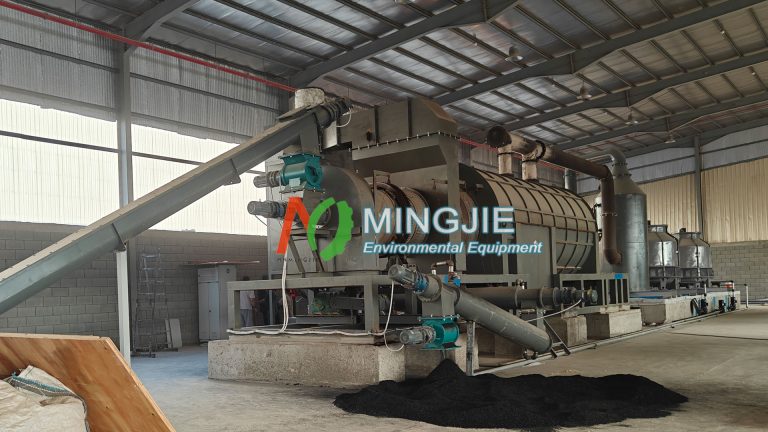
Wood Biochar Production Equipment
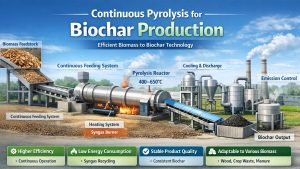
The wood biochar production equipment provided by Mingjie Group is a continuous biomass pyrolysis machine. It is a fully automatic charcoal manufacturing machine that integrates drying, preheating, and carbonization. It uses wood chips as raw material for direct continuous feeding and discharging. Most modern biochar plants utilize continuous pyrolysis systems.
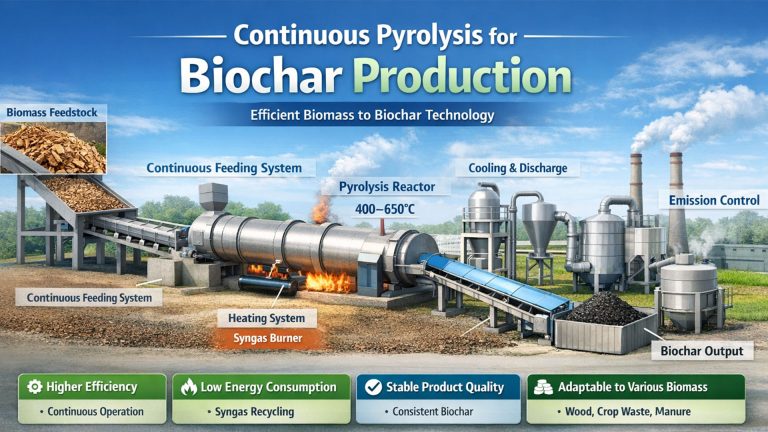
Continuous Pyrolysis for Biochar Production
Continuous pyrolysis for biochar production breaks away from the batch pyrolysis model, enabling continuous feeding of biomass raw materials and continuous discharge of biochar. The biochar production line can operate continuously 24 hours a day without interruption. It can process several tons or even tens of tons of biomass raw
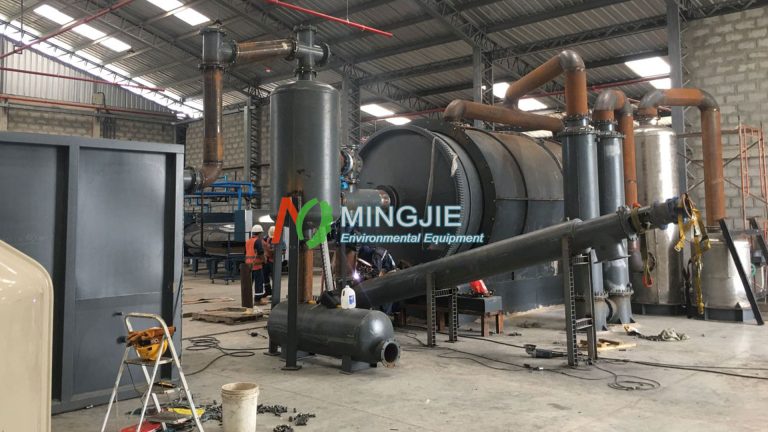
Aluminum Plastic Waste Pyrolysis Equipment
Aluminum plastic composite materials are widely used in packaging, construction, electronics, medical, and many other fields due to their excellent properties such as lightweight, moisture resistance, heat insulation, and corrosion resistance. However, they are among the most difficult wastes to recycle. Currently, the most common treatment method is aluminum plastic
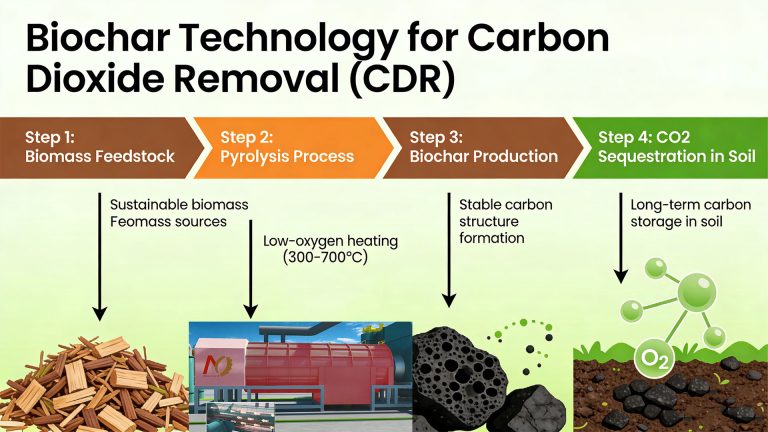
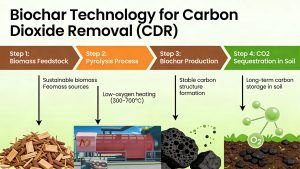
Biochar Technology for Carbon Dioxide Removal CDR
Biochar technology is a process that converts biomass waste (such as crop residues and wood waste) into a stable carbon-based solid material by heating it under oxygen-deficient conditions. This biochar technology was initially used to improve soil health and fertility. However, with the exacerbation of global climate change, biochar has
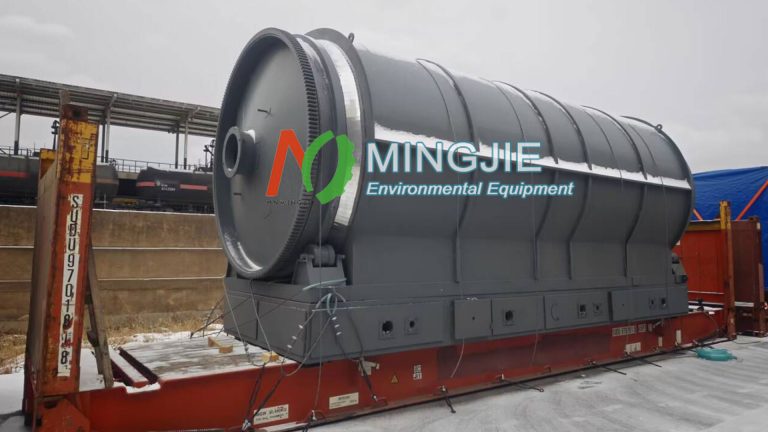
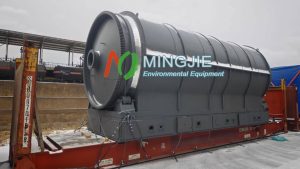
MJ-15 Plastic Pyrolysis Plant for Sale to Vietnam
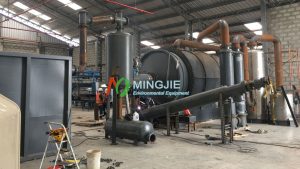
In mid-January 2026, Mingjie Group completed the shipment of the MJ-15 plastic pyrolysis plant for sale to Vietnam. The pyrolysis equipment arrived at the port on January 19th. Before dawn, the workers were systematically loading the plastic pyrolysis plant for sale to Vietnam in the workshop. The pyrolysis reactor, feeding