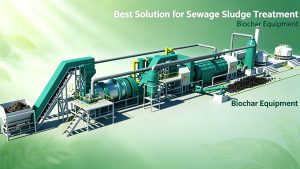
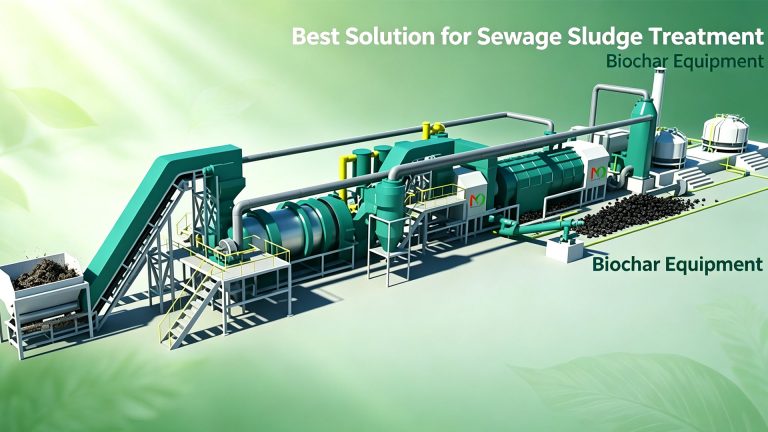
Best Solution for Sewage Sludge Treatment – Biochar Equipment
Global cities face a massive challenge with sewage sludge disposal today. Traditional waste management often fails to protect local ecosystems effectively. Large scale biochar production equipment provides an optimal solution for sewage sludge treatment. It converts sludge into biochar and syngas through pyrolysis technology, simultaneously achieving resource recovery and energy
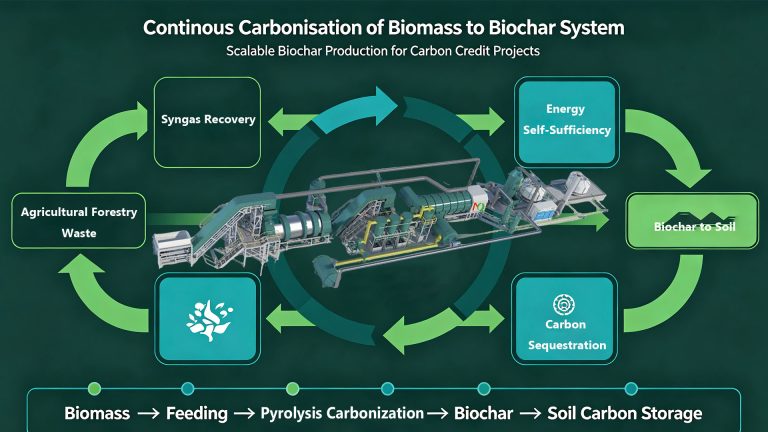
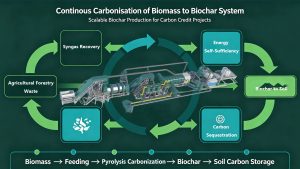
Continuous Carbonisation of Biomass to Biochar System
Continuous carbonisation of biomass technology is a key method for producing high-value carbon removal credits. By transforming agricultural waste into tradable carbon assets, it achieves a closed-loop integration of environmental benefits and economic value. Carbon sequestration transforms modern industrial operations and effectively mitigates rising greenhouse gas levels. A high-efficiency biomass
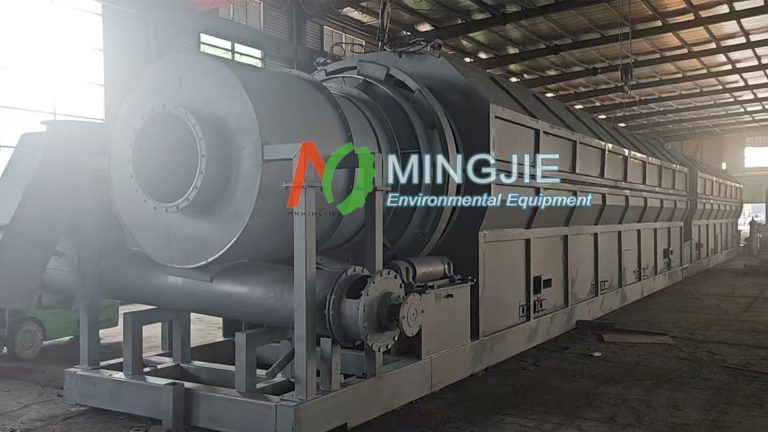
Transition from Batch to Fully Continuous Automatic Pyrolysis Plant
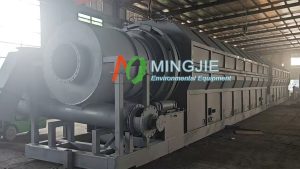
Industrial waste management now demands high-efficiency thermochemical decomposition systems for recycling. The fully automatic continuous pyrolysis plant represents the peak of modern waste-to-energy technology. While batch pyrolysis systems serve as entry points, scaling provides competitive advantages. Large-scale firms must transition to high-throughput automation to remain profitable today. A fully continuous
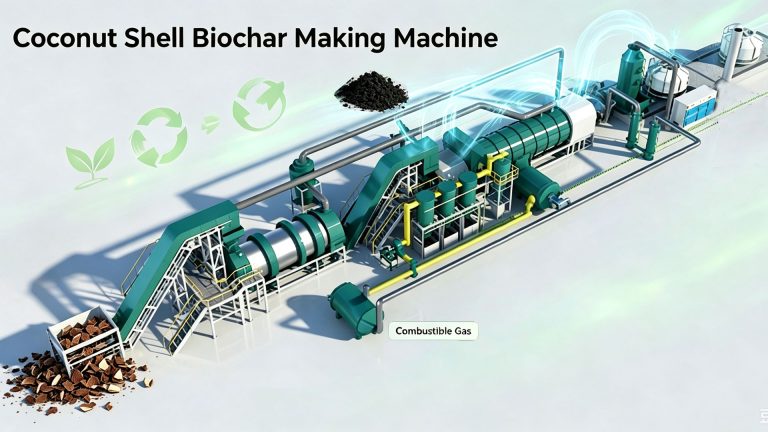
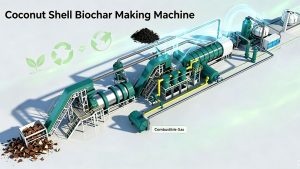
Best Coconut Shell Biochar Making Machine
Coconut shells offer immense economic potential for the global waste management sector. Many regions currently discard these shells as agricultural waste. A biomass carbonization plant transforms this waste into profitable commodities. These facilities create high value where others see a disposal problem. Industrial operators generate significant revenue through advanced carbonization
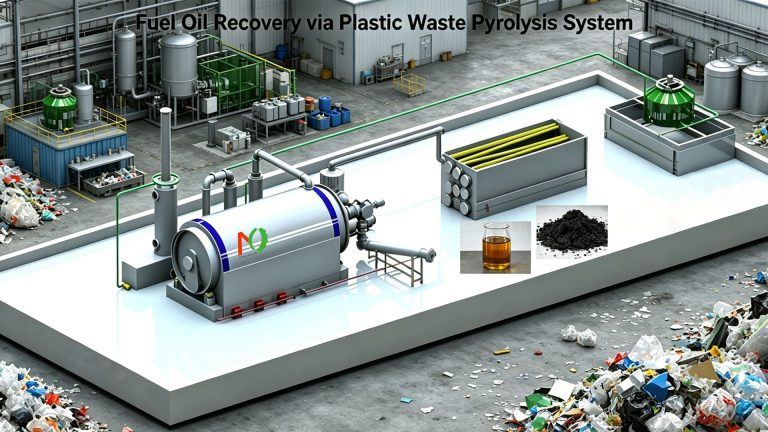
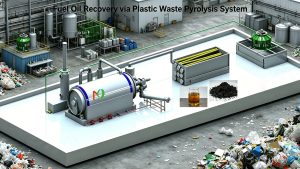
Fuel Oil Recovery via Plastic Waste Pyrolysis System
The management of high-density (HDPE) and low-density (LDPE) polyethylene waste remains a global priority. Landfills are reaching capacity due to the volume of hand bags and water pipes. Plastic waste pyrolysis system provides a strategic solution for large-scale plastic recycling. This technology transforms discarded polymers into fuel oil and renewable
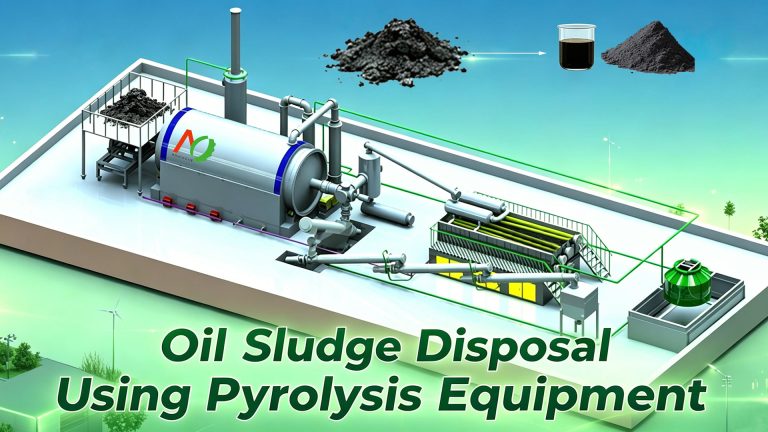
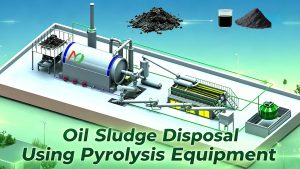
Oil Sludge Disposal Using Pyrolysis Equipment
Learn how oil sludge pyrolysis effectively treats hazardous waste and recovers high-value fuel oil using Mingjie’s advanced, sealed treatment plants.
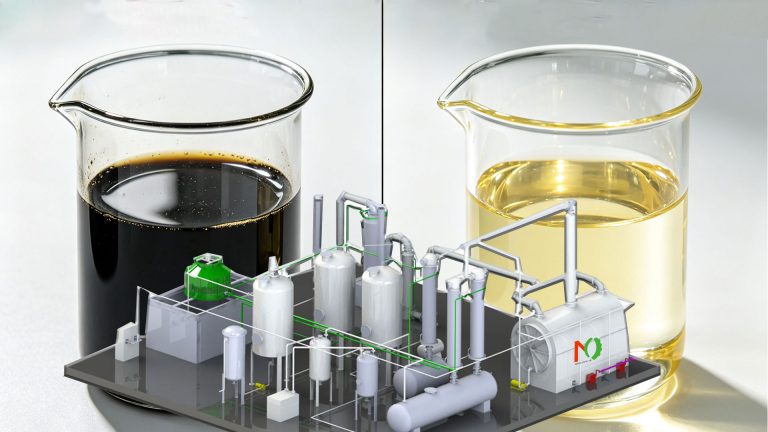
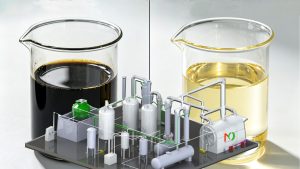
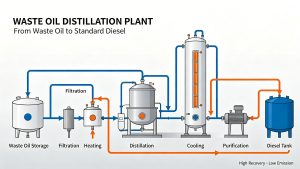
Used Oil Distillation Technology Turns Waste into Treasure
How a Waste Oil Distillation Plant Eliminates Impurities in Waste Engine Oil to Create Premium Ship-Grade Fuel
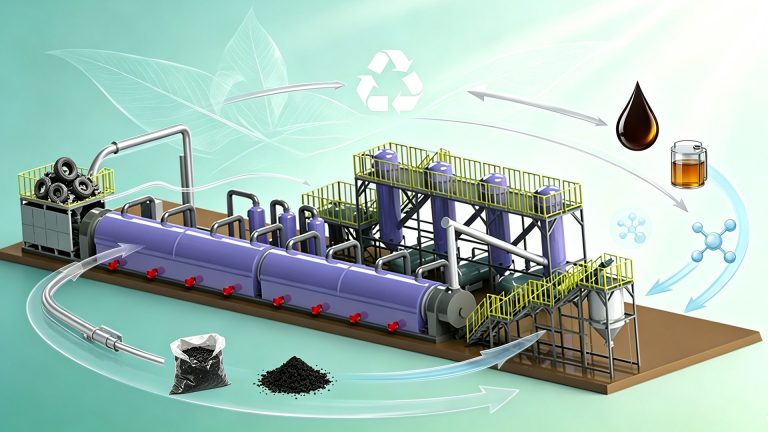
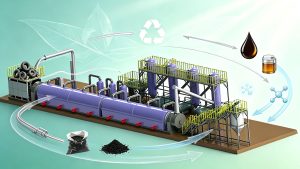
Fully Automatic Pyrolysis Plant for Closed-Loop Economy and 24-Hour Tire-to-Oil Success
Mountain-high waste tires represent a significant environmental challenge for our modern industrial society. These massive scrap piles create fire hazards and harbor pests in many developing regions. Traditional disposal methods often fail to address the long-term ecological impact of rubber waste. Henan Mingjie Environmental Protection Equipment addresses this crisis through
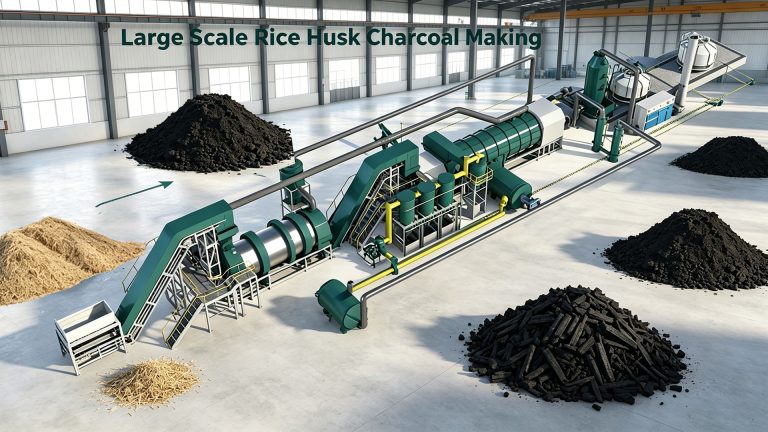
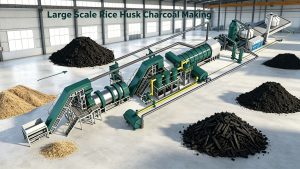
Large Scale Rice Husk Charcoal Making Technology
Discover how a rice husk charcoal making machine solves waste crises through portable skid-mounted technology for sustainable biochar production and high returns.
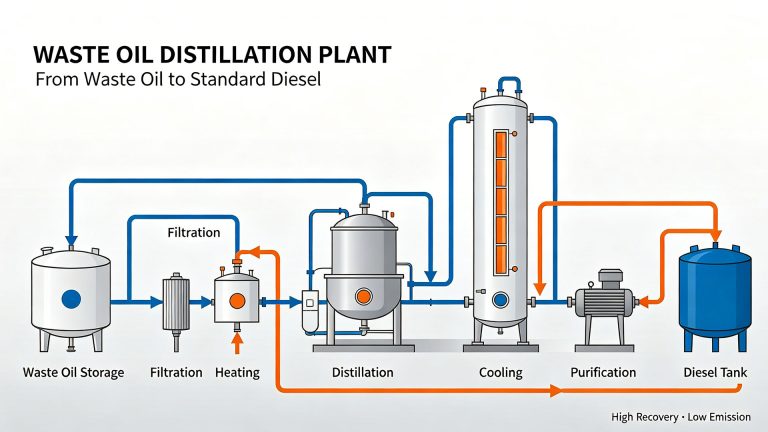
Waste Oil Distillation to Bright-Colored Fuel Oil
Waste oil distillation is a mature and efficient resource recovery technology. It enables the conversion of waste oil into diesel or gasoline through distillation, purifying the waste oil and transforming it into clean fuel. Industrial production, the operation and maintenance of machinery, and transportation activities generate significant quantities of waste