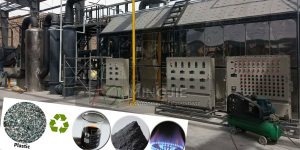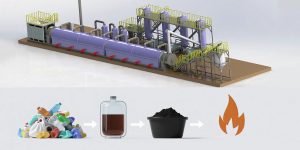
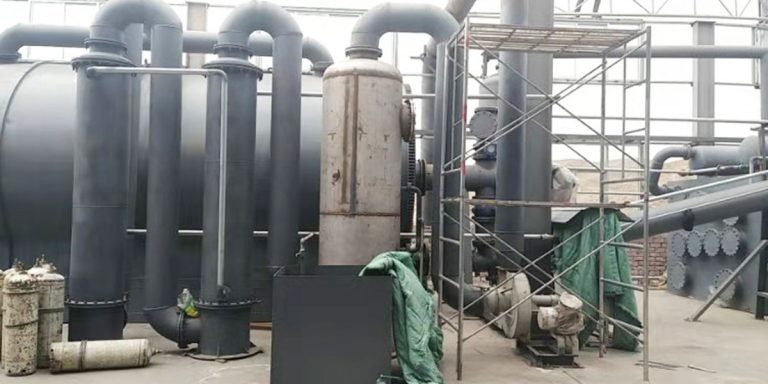
Tire Pyrolysis Machine for Waste Recycling Solution
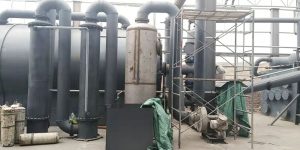
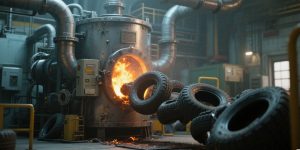
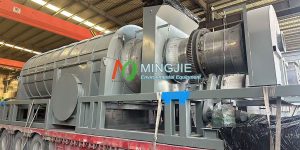
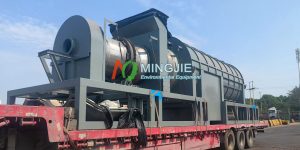
Facing the challenge of billions of discarded tires worldwide each year, tire pyrolysis, with its unique resource conversion capabilities, is opening a green recycling path for “black pollution.” The core equipment for all of this is the tire pyrolysis machine. Mingjie Group is a professional tire pyrolysis machine manufacturer in
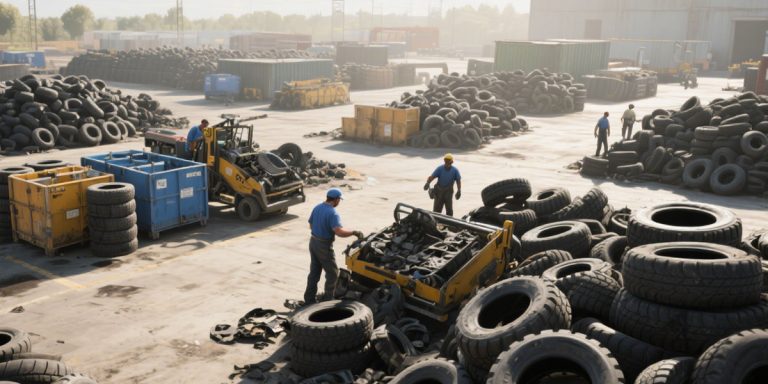
Effective Tyre Waste Recycling Process
Scrap tire recycling plants convert tires into reusable resources or products through physical, chemical, or biological methods. Their goal is to extract materials such as rubber, steel wire, and fiber from tires. These products can then be used for recycled rubber, high-value products, or energy. An effective tyre waste recycling
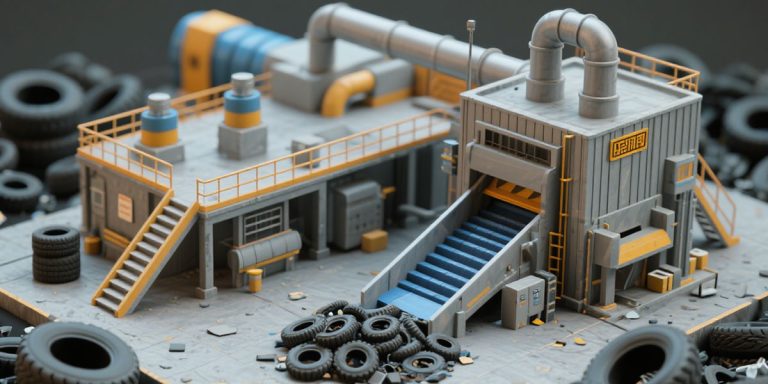
How Does Scrap Tyre Recycling Plant Process Waste Tire?
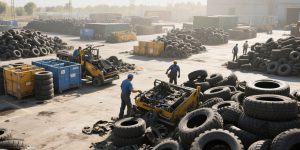
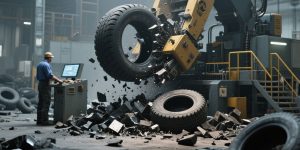
The scrap tyre recycling plant utilizes mechanical recycling and pyrolysis technology to achieve resource utilization, ensuring an environmentally friendly and efficient process. The following are the main processing steps and methods: Pretreatment Stage Sorting When tires arrive at a scrap tyre recycling plant, they go through pre-processing. This stage begins
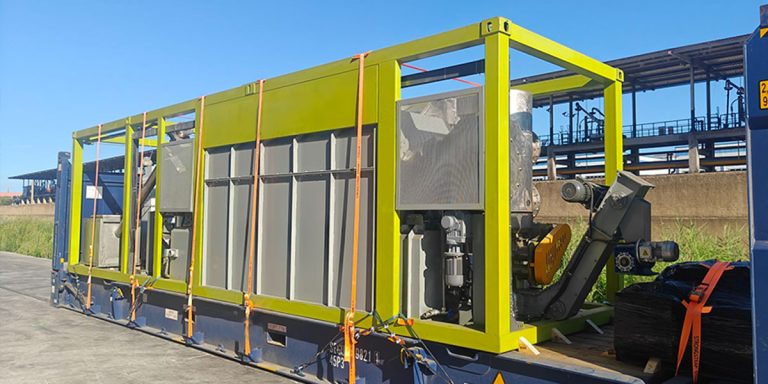
MJT-100 Small Scale Biochar Production Equipmet for Sale to Chile
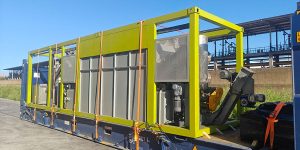
On July 28, 2025, Mingjie Group completed the shipment of MJT-100 small scale biochar production equipment for sale to Chile. The MJT-100 biochar making machine adopts a skid-mounted design. It can process 50-100kg of waste biomass per hour, and achieve 24-hour uninterrupted continuous production operations. The working principle of the
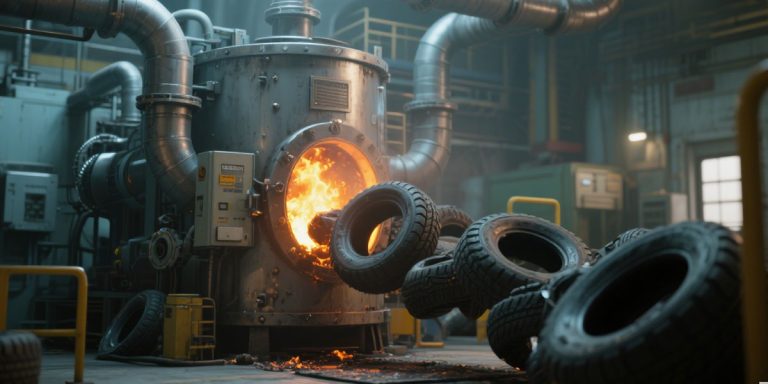
4 Used Tire Disposal Methods
Faced with many problems brought by waste tires, people have been exploring various used tire disposal methods. In the past, some traditional used tire disposal methods have been formed, such as refurbishment, crushing, and thermal energy utilization. These methods have alleviated the waste tire disposal pressure to a certain extent,
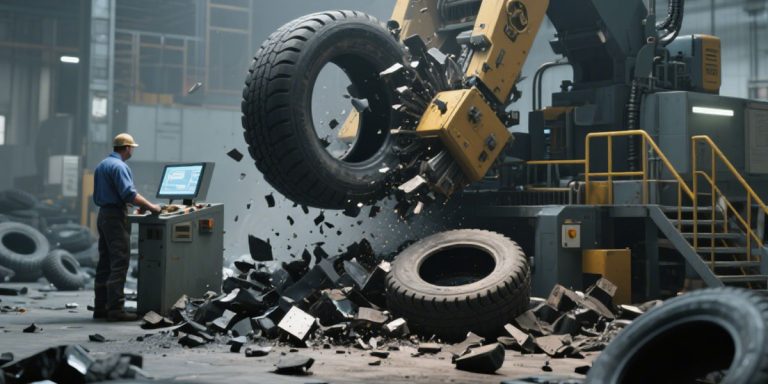
4 Waste Tyre Recycling Solutions
In the search for solutions to the waste tire problem, people have tried a variety of tyre recycling methods. Each tyre recycling solution works to a certain extent, but each has its own limitations. Retreading Waste Tyre Retreading is a common way of utilization, which is mainly for tires with
Carbonization Machine Cost
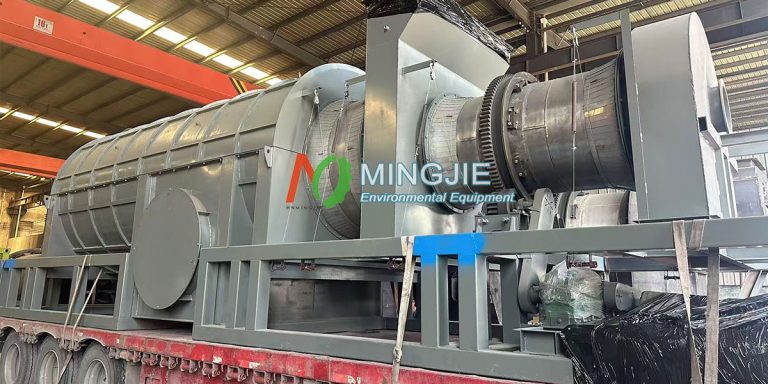
Mingjie carbonization machine has relatively mature biomass pyrolysis technology, and adopts full continuous pyrolysis to improve efficiency and quality of biochar production. The large carbonization machine cost is relatively high, and for small enterprises and farmers, the financial pressure is relatively large. In the working process of biomass carbonization machine,
MJT-2000 Biochar Making Machine for Sale to Saudi Arabia
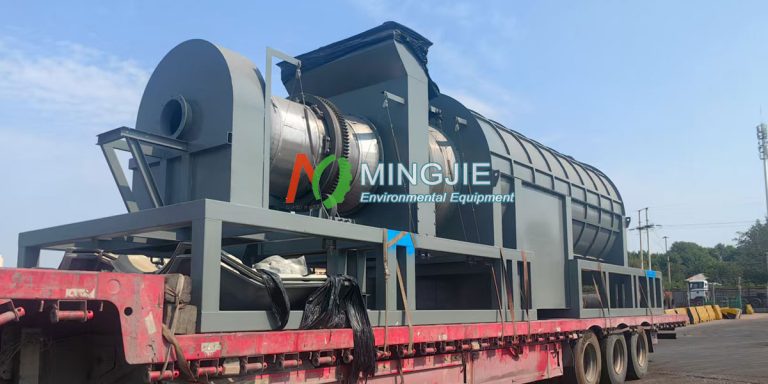
On July 24, 2025, Mingjie Group completed the shipment of MJT-2000 biochar making machine for sale to Saudi Arabia. The biochar making machine converts waste biomass such as agricultural and forestry waste, urban organic waste, livestock and poultry manure into biochar, tar and synthesis gas through pyrolysis technology. So the
Pyrolysis Of Mixed Plastic Waste
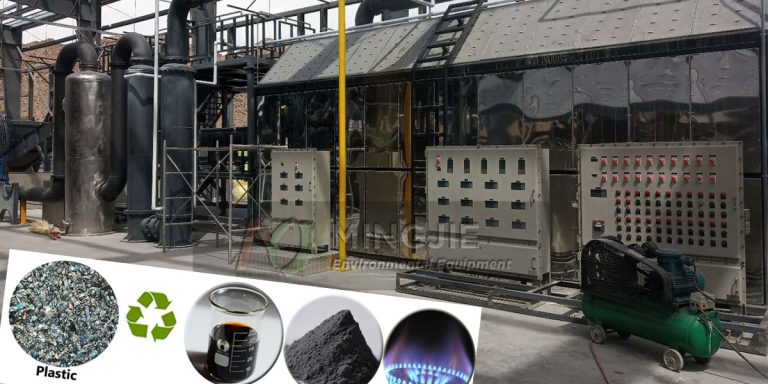
Pyrolysis of mixed plastic waste is a promising chemical recycling method, it can convert plastic waste into pyrolysis oil. Pyrolysis oil can be further processed to produce chemicals or fuels. Plastic pyrolysis oil can also be used as a chemical feedstock to make new plastic products, thus achieving closed-loop recycling.
Solid Waste Pyrolysis For Plastic Recycling
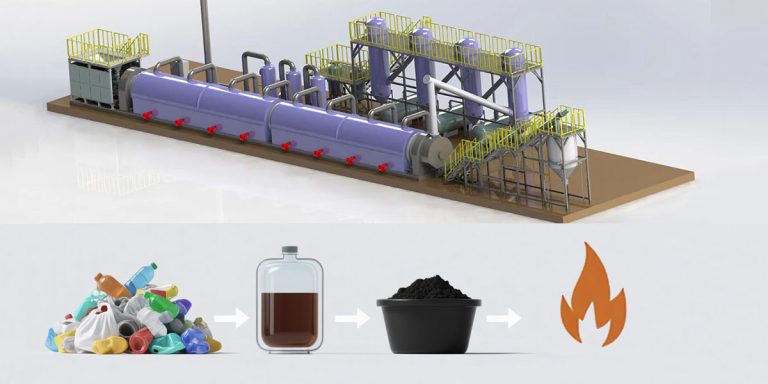
In the field of plastic solid waste treatment, pyrolysis for plastic recycling has demonstrated a strong ability to handle complex plastics, which is difficult for mechanical recycling to achieve. Pyrolysis plant can directly process mixed plastics. Mixed plastics are very common in plastic solid waste. For example, many food packaging