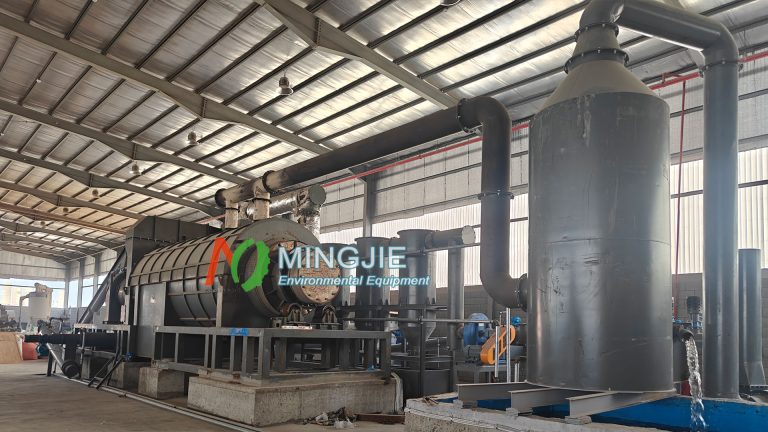
On September 17, 2026, Mingjie engineers conducted commissioning and trial runs of the MJT-100 small biochar machine in South Korea. The biochar production system comprises two core modules: rotary drying equipment and a skid-mounted continuous biomass carbonization unit. The entire drying and carbonization process is automatically regulated by a PLC control system, allowing operators to easily adjust temperature, rotation speed, and operating frequency.
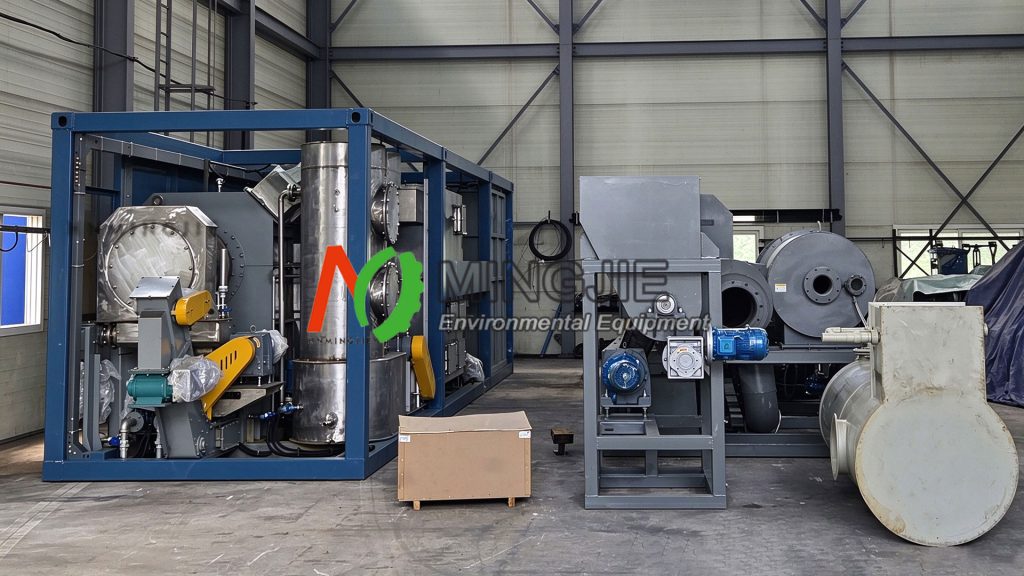
Utilizing pyrolysis technology, the biomass carbonization plant enables the volume reduction, harmless treatment, and resource recovery of pig manure. It has become a key approach in the current management of livestock and poultry waste.
In animal manure treatment processes, drying equipment and biomass carbonization equipment often work synergistically. This combination facilitates a continuous progression of pig manure treatment through the stages of volume reduction, stabilization, and resource recovery.
How Small Biochar Machine Enables Continuous Processing of Animal Manure
Drying equipment plays a crucial role in reducing the moisture content of pig manure, thereby preparing the material for the subsequent carbonization process. Small biomass pyrolysis equipment then converts the dried manure into biochar, enabling a continuous and stable treatment process.
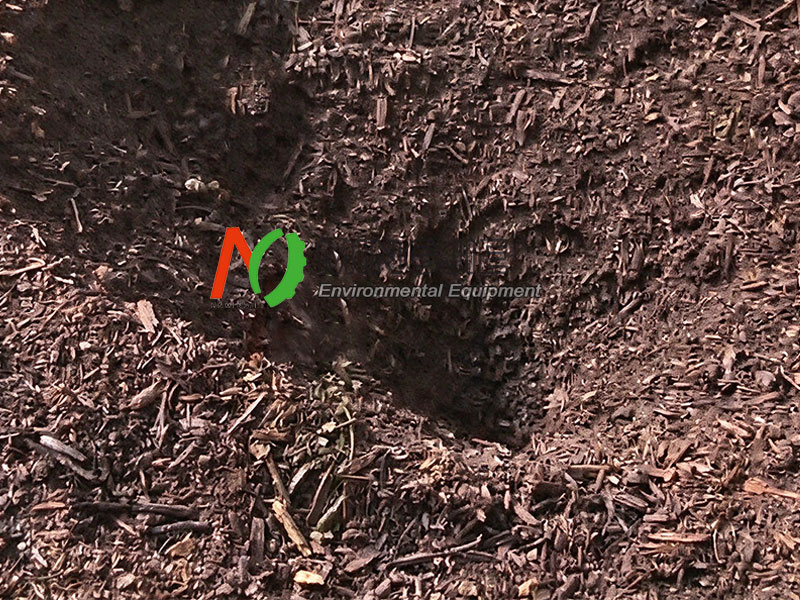
Drying equipment is essential in pig manure processing. Due to its high moisture content and viscosity, pig manure is difficult to process directly. Drying significantly lowers the moisture content and drastically reduces the material volume, facilitating easier transport and storage. Additionally, the drying process inhibits microbial activity, reduces the emission of foul-smelling gases, and improves environmental conditions.
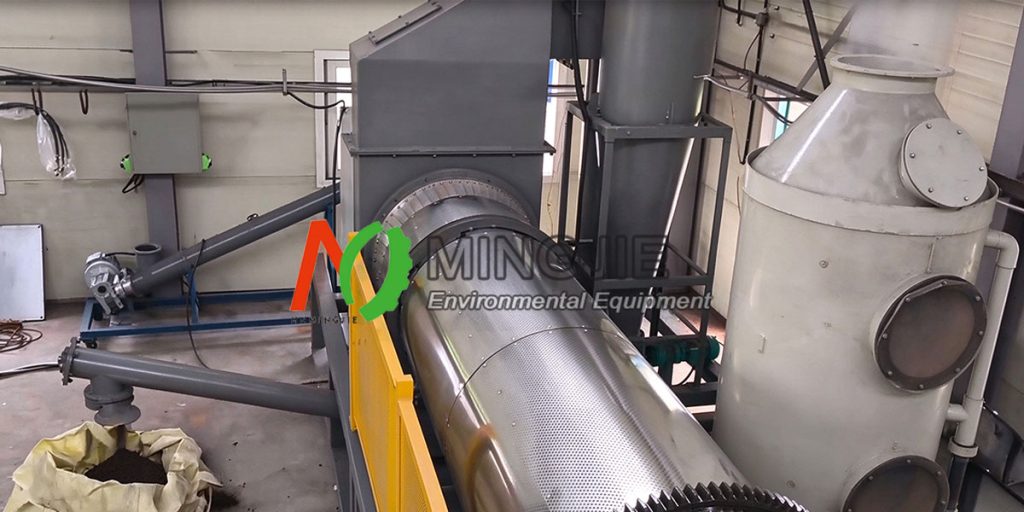
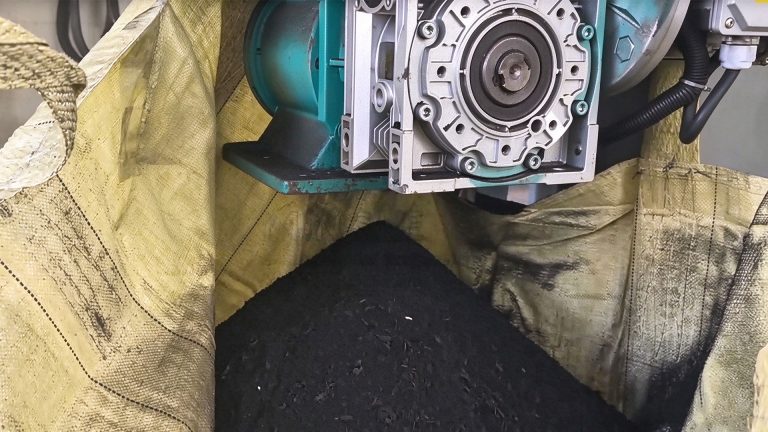
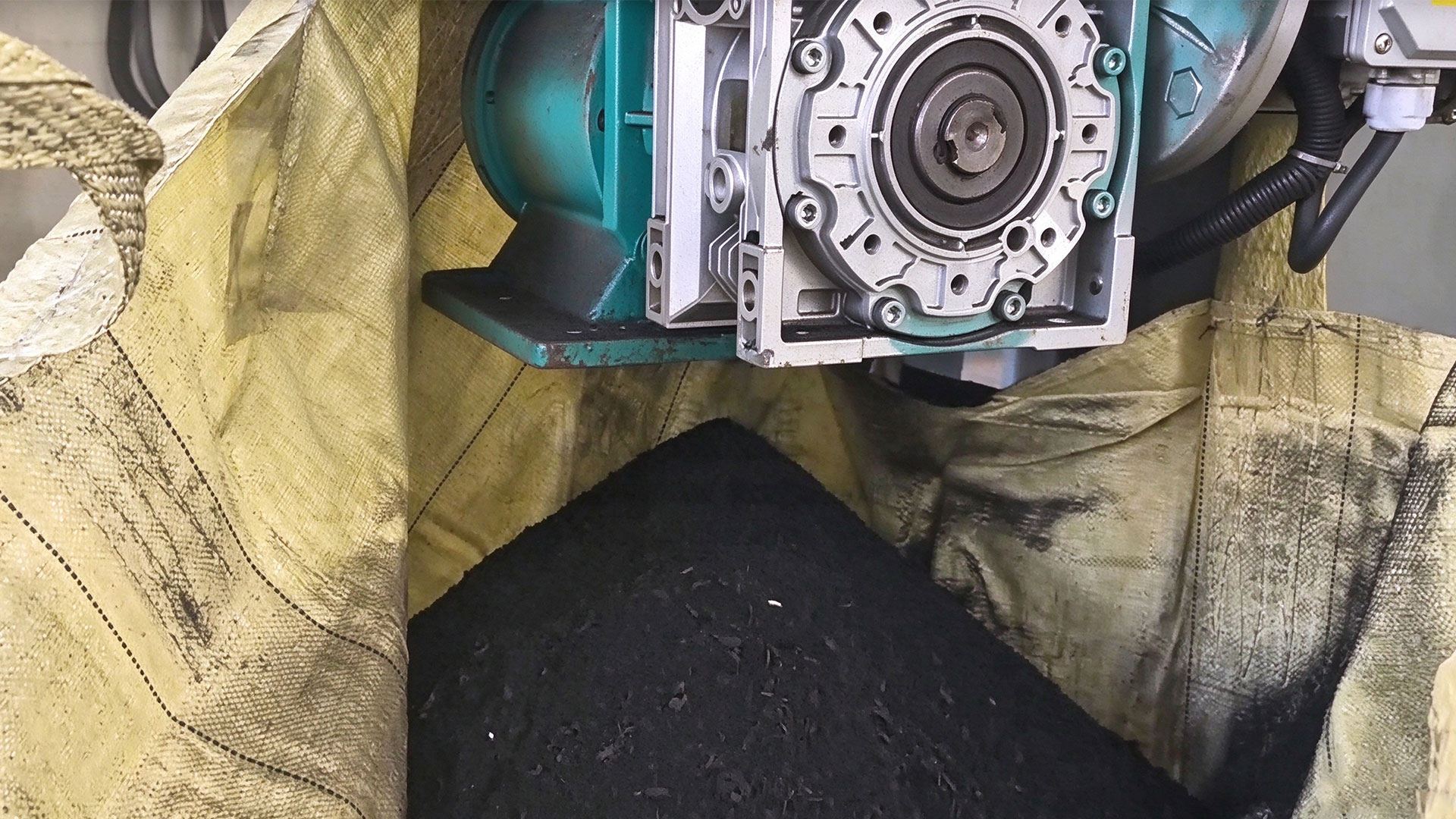
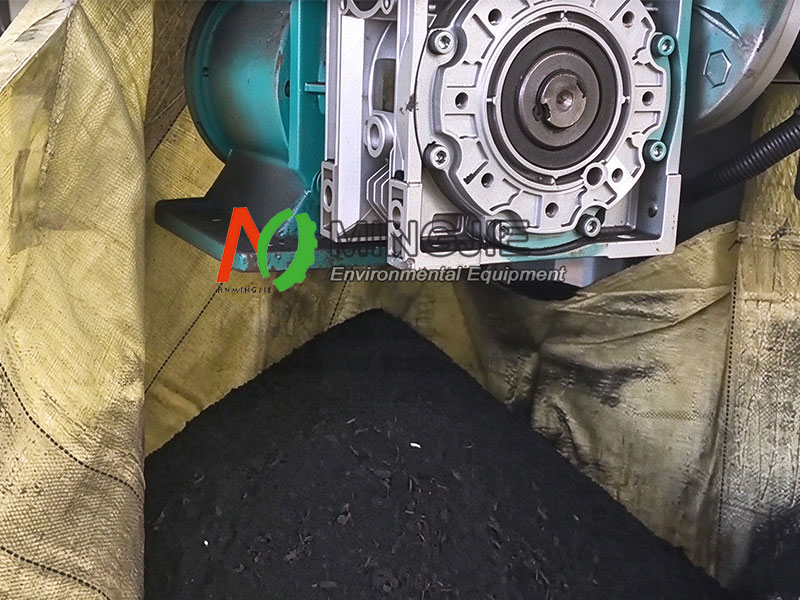
Small biochar machine can further enhance the resource utilization of pig manure. They subject the dried manure to heat treatment under oxygen-deprived or low-oxygen conditions. Through pyrolysis, the organic matter is converted into biochar. Biochar is characterized by a porous structure, high stability, and excellent water and nutrient retention capabilities. It serves various applications, including as a soil conditioner, a carrier for organic fertilizers, a material for greenhouse gas emission reduction, and an agent for environmental remediation.
Meanwhile, the combustible syngas generated during the pyrolysis process is recovered and utilized to supply thermal energy to the dryer and carbonization furnace. This significantly reduces external energy consumption and enhances the system’s self-sufficiency. The flue gas undergoes multi-stage purification to ensure compliance with South Korea’s strict local emission standards.
In practical applications, pig manure treatment processes must be rationally configured based on material properties, processing scale, environmental regulations, and resource recovery objectives. For small size farms or decentralized farming areas, small biochar machine offers advantages such as short installation times, compact layouts, and flexible mobility, allowing it to better adapt to varying site conditions and processing requirements. Meanwhile, the integration of drying equipment can effectively enhance the carbonization system overall processing efficiency and ensure the stability of subsequent biochar production.
Coordinated Operation of Drying and Carbonization
The coordinated integration of drying equipment and small biochar machine is not merely a simple sequential arrangement of process steps. Rather, it constitutes a systems engineering approach involving heat balance, and control of material states.
The coordination between drying and pyrolysis carbonization equipment is primarily reflected in the matching of material states. Drying equipment must flexibly adjust drying intensity in response to fluctuations in the initial moisture content of the incoming material, as raw material moisture levels vary with the season and the manure removal method.
- If the moisture content remains too high after drying, the load on the carbonization reactor increases.
- Conversely, if the material is over-dried, thermal energy is wasted, and the subsequent granulation and molding processes may be adversely affected.
The heat recovery system serves as the energy link facilitating this coordinated operation. By recycling heat generated from the combustion of syngas from the carbonization furnace back to the drying equipment, a thermal loop is established. This not only resolves the issue of treating syngas but also significantly reduces energy consumption during the drying stage. This optimizes the energy efficiency of the entire biomass carbonization plant.
The coordinated operation of drying and carbonization equipment essentially involves striking a dynamic balance among moisture content, temperature, and the final product. Drying system prepares the feedstock to meet the requirements for biochar production, while small biochar machine supplies a reusable heat source for the drying process.