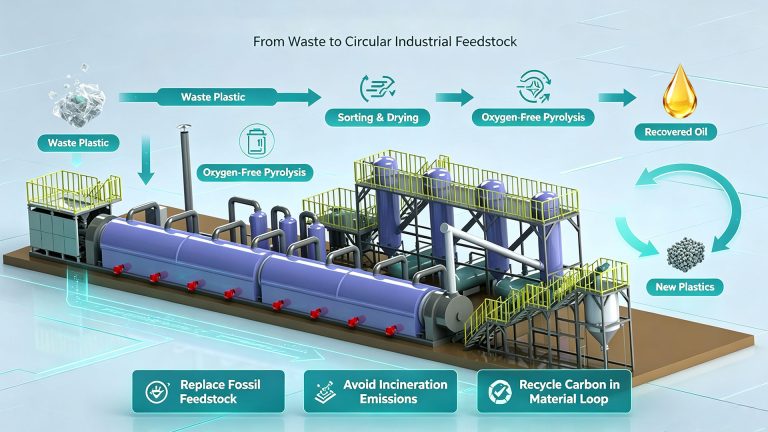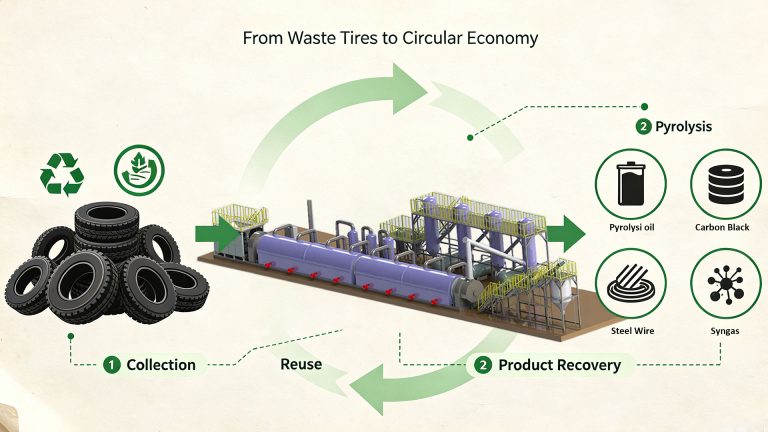
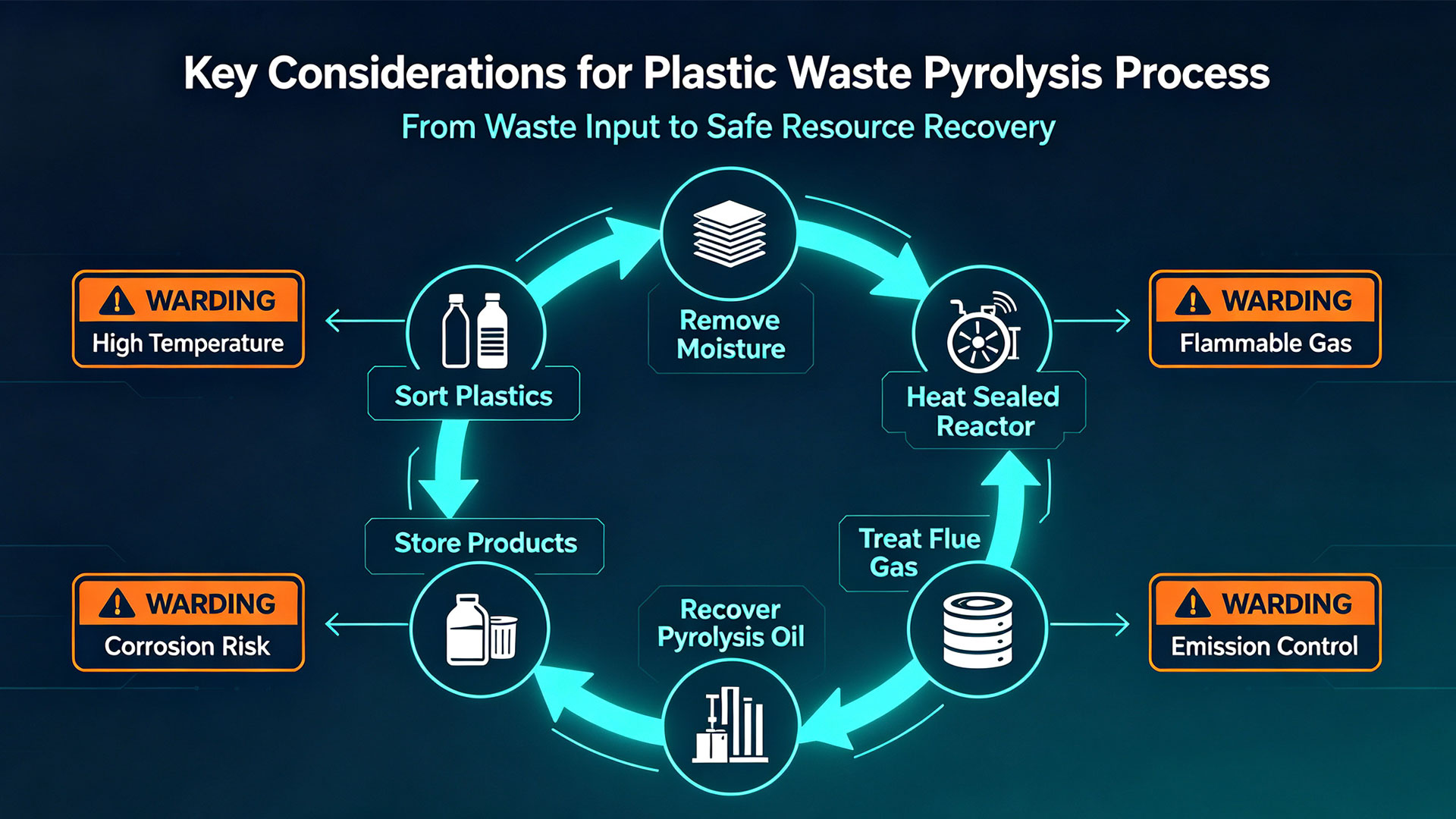
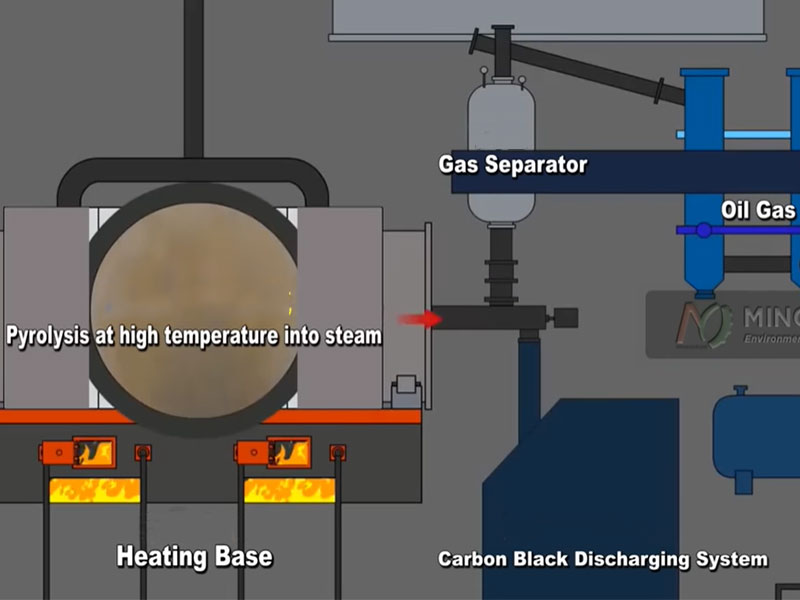
Plastic pyrolysis is a resource recovery technology that converts waste plastics into pyrolysis oil, syngas, and carbon black through anaerobic high-temperature pyrolysis. It offers both environmental and economic value. However, the plastic waste pyrolysis process operates under high temperature, negative pressure, flammable and explosive, and corrosive conditions. It encompasses raw material pretreatment, pyrolysis reaction, exhaust gas treatment, and product storage. Improper operation at any stage can lead to safety and environmental problems.
The safety and efficiency depend entirely on meticulous control of every step of the plastic waste pyrolysis process. Unlike ordinary processing industries, plastic pyrolysis machine operation has strict process and safety control standards.
Raw Material Control: Managing Risks at the Source
The root cause of black smoke, corrosion, furnace blockage, and substandard oil in most pyrolysis plants is the mixed use of raw materials. This is also the first line of defense in the plastic waste pyrolysis process.
All plastics are suitable for pyrolysis. PVC and PET are the primary materials to be rejected. PVC releases highly corrosive hydrochloric acid (HCl) gas at high temperatures, severely corroding pyrolysis equipment. PET may affect oil quality.
Different plastics (such as PE and PP) have different pyrolysis temperatures. It is recommended to process different types of plastics separately and avoid mixing plastics with other materials, such as tires for pyrolysis to prevent affecting the value of the products.
Plastic Waste Pyrolysis Process Control: Precision is Key
Plastic waste pyrolysis process is extremely sensitive to temperature, oxygen, pressure, and feed rate. Uncontrolled parameters directly lead to low oil yield, black smoke leakage, and safety hazards. This is a core aspect of plastic waste pyrolysis process management.
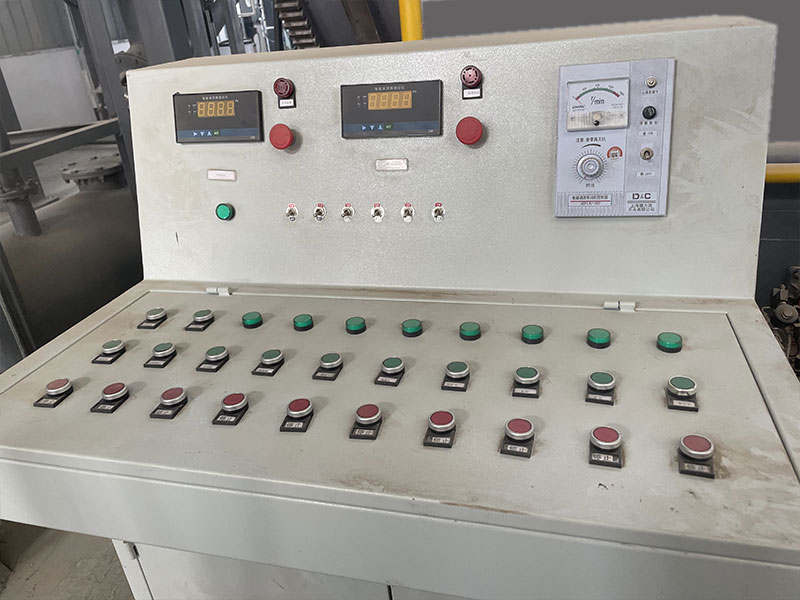
Precise Temperature Control: Temperature is the core of pyrolysis. Too low a temperature results in incomplete reaction and more residue. Too high a temperature easily generates byproducts, increasing energy consumption and safety hazards.
Maintaining a Sealed and Inert Environment: Plastic Waste Pyrolysis Process must be carried out under oxygen-free or limited-oxygen conditions. The reactor must have good sealing properties to prevent the leakage of pyrolysis gases.
Standardized Start-up and Shutdown Operations: During startup, the temperature should be raised to the design temperature before feeding, and the feed rate should be gradually increased. Carbon black residue is produced at the end of pyrolysis. High-temperature residue will instantly oxidize and burn upon contact with air, producing a large amount of black smoke. Continuous pyrolysis machine requires closed-loop negative pressure automatic slag discharge. Batch pyrolysis plant must be cooled and isolated from air before slag discharge.
Beware of Coking and Blockage: These are common problems in pyrolysis. The wax produced during the pyrolysis of plastics can easily clog pipes. A dewaxing system could be considered to solve this problem.
Environmental Control: Preventing Secondary Pollution
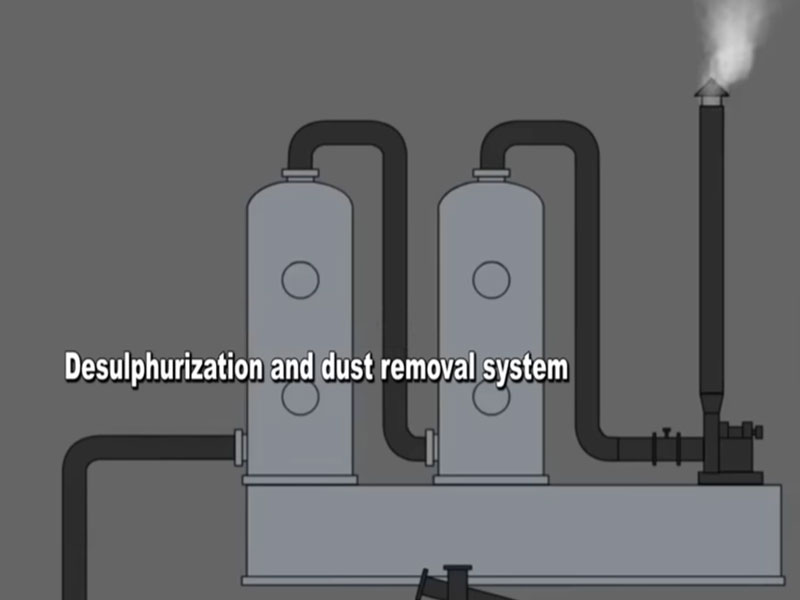
Waste gas treatment is the biggest environmental challenge. Plastic Pyrolysis Plant must be equipped with efficient exhaust gas treatment systems to remove dust, acidic gases (such as HCl and SOx), heavy metals, and highly toxic substances such as dioxins.
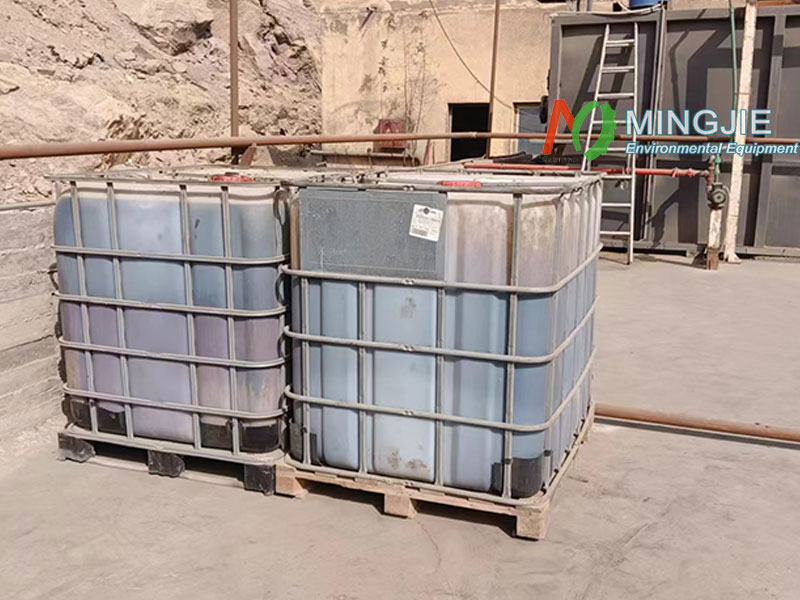
Comprehensive Control of Secondary Pollution: Oily wastewater generated during the process must be treated. Carbon black and bottom slag generated must be properly disposed of; if identified as hazardous waste, they must be managed as such.
Safety Management: Risk Mitigation
The entire plastic waste pyrolysis process produces flammable pyrolysis gas and flammable pyrolysis oil, classifying it as a high-risk production condition. Safety standards must never be crossed.
Prevent flammable gas leaks and accumulation: The main components of pyrolysis gas are methane, ethane, and olefins, all of which are flammable and explosive. The workshop must maintain good ventilation and be equipped with flammable gas alarms, explosion-proof fans, and explosion-proof electrical components. Regularly check the sealing of pipelines to prevent gas accumulation in enclosed spaces and to prevent explosions and fires.
Prevent burns and fires during high-temperature operations: The furnace and pipelines are constantly exposed to temperatures of several hundred degrees Celsius. Unauthorized contact with high-temperature equipment is strictly prohibited. Plastic pyrolysis oil has a low flash point and is flammable, requiring safe storage.
Equipment Maintenance: Ensuring Long-Term Stable Operation
Plastic Pyrolysis Machine operates under conditions of high temperature, corrosion, and tar adhesion. Standardized operation and maintenance are crucial for ensuring equipment longevity and stable production.
Regular cleaning of tar and scale to prevent pipe blockage: Tar and carbon black produced by plastic pyrolysis easily adhere to the inner walls of the equipment. Long-term accumulation can cause pipe blockage, leading to smoke and shutdown. Regular cleaning of scale buildup inside the plastic pyrolysis equipment is necessary.
Focus on corrosion prevention and maintenance of vulnerable components: Regularly check for rust and leaks, and repair or replace components promptly. Prevent plastic pyrolysis machine damage that could lead to oil and gas leaks.
Ensuring stable negative pressure and induced draft systems: The induced draft fan is the core equipment for maintaining negative pressure inside the furnace and preventing flue gas overflow. Regular inspection and maintenance are required to prevent smoke leakage problems.