In the global effort to address climate change, the low-carbon transformation of plastic waste disposal methods is becoming increasingly urgent. Current mainstream methods of incineration and landfill not only occupy land and release pollutants, but also directly convert fossil carbon in plastics into carbon dioxide emissions into the atmosphere. Waste plastic recycling pyrolysis, as a chemical cycle pathway, has unique advantages in carbon emission reduction. It has become a key bridge connecting waste management and climate goals.
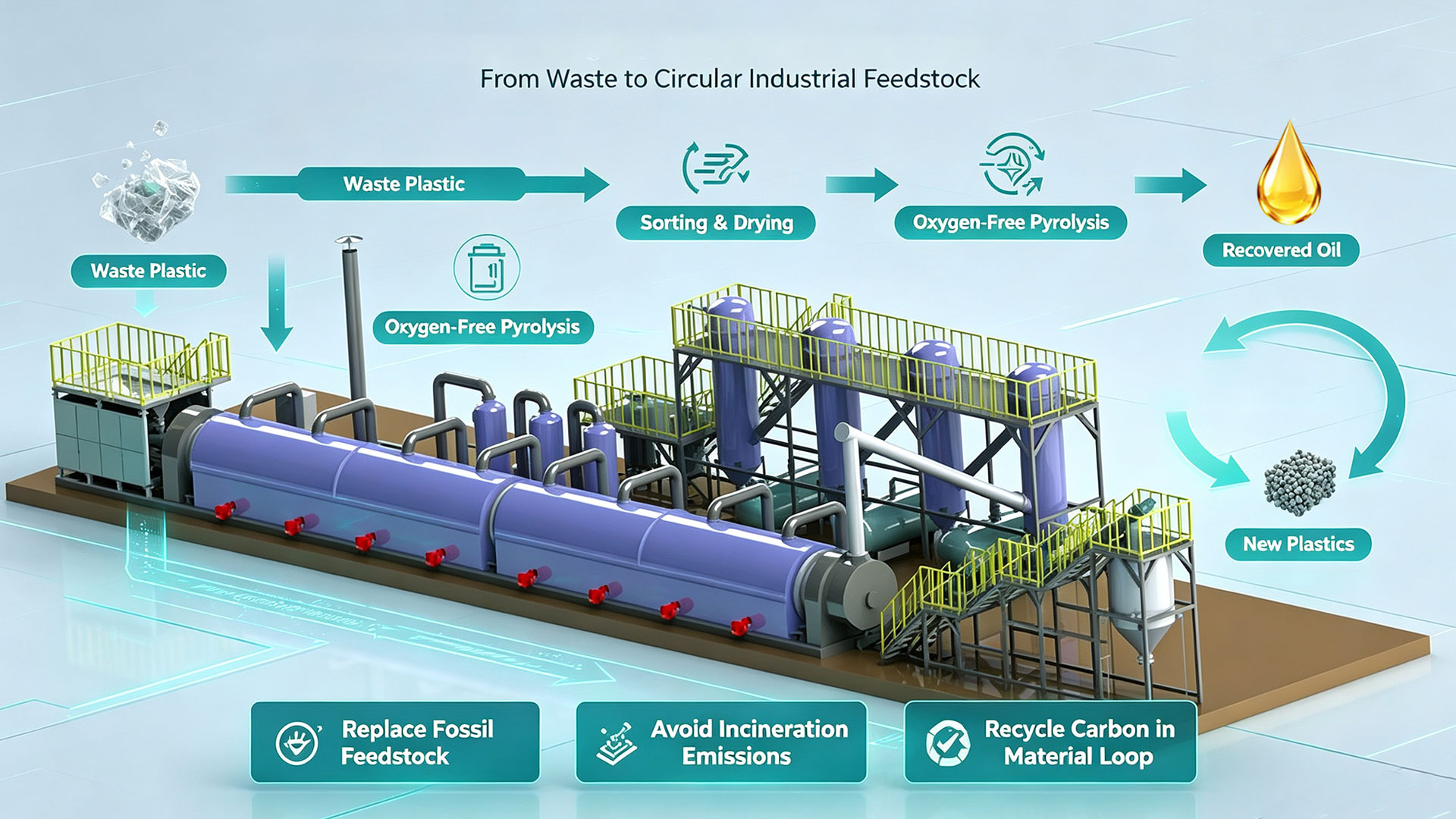
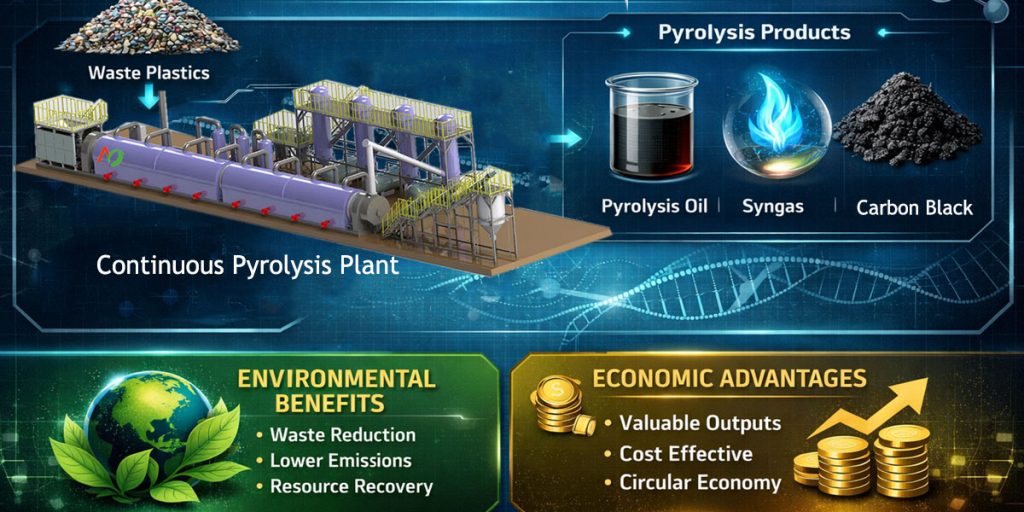
Pyrolysis technology breaks down the large molecules of waste plastics in an anaerobic environment, producing pyrolysis oil, syngas, and solid carbon black. Plastic pyrolysis plant is no longer simply waste processing equipment. It shifts the focus of solid waste management from pollution control to carbon resource management.
Mechanism of Carbon Reduction Achieved by Waste Plastic Recycling Pyrolysis
Avoiding Direct Carbon Release During Incineration
The carbon reduction benefits of waste plastic recycling pyrolysis are primarily reflected in its replacement of traditional treatment methods.
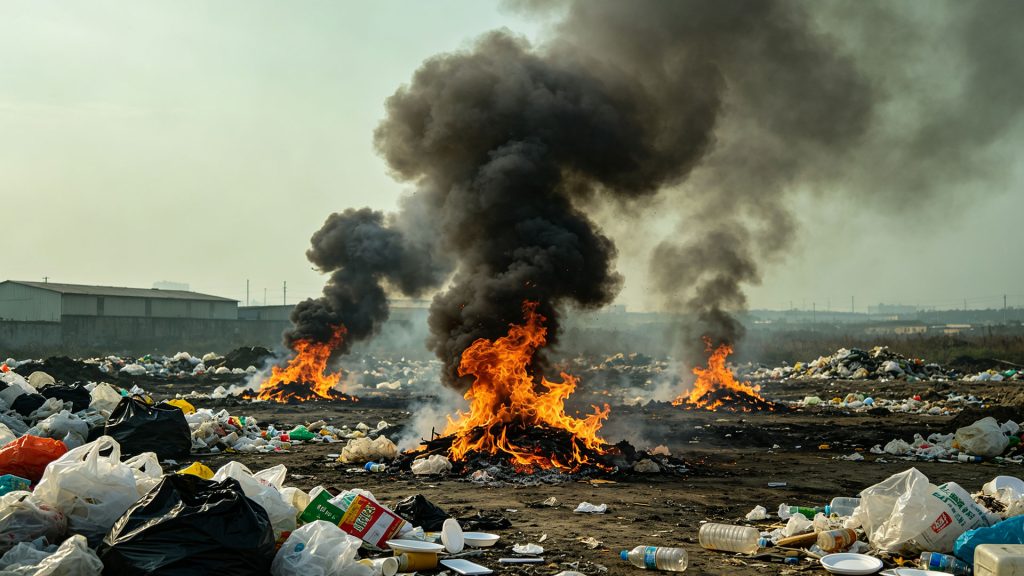
Incineration: Almost all the carbon in plastics is oxidized into CO₂ and released into the atmosphere.
Pyrolysis: The waste plastic recycling pyrolysis plant adopts closed-loop reaction, syngas reuse and tail gas purification, which can reduce emissions and improve resource recovery rate. Under anaerobic conditions, plastic macromolecules are broken down into pyrolysis oil, syngas, and carbon black. Most of the carbon is fixed in the products rather than released as greenhouse gases.
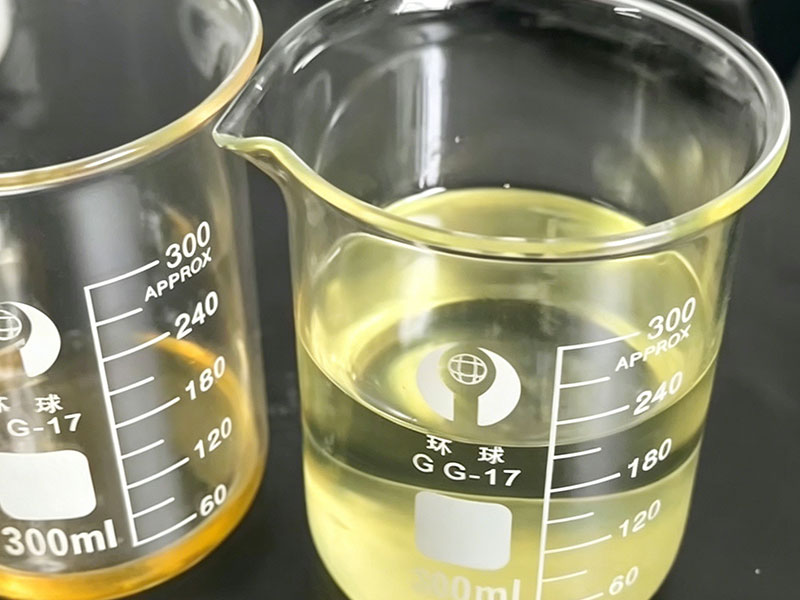
Research data shows that pyrolysis oil from waste plastics pyrolysis can recover 38% to 55% of the carbon. This carbon enters the next cycle of use in the form of liquid fuels or chemical feedstocks, avoiding direct emissions.
Energy Cycle Reduces Carbon Footprint
Modern continuous pyrolysis plant can reduce external fuel consumption by recycling syngas and recovering waste heat from flue gas. This is crucial for plastic pyrolysis projects to truly achieve net emission reductions.
Pyrolysis Products as Substitutes for Primary Resources
Waste plastic recycling pyrolysis oil can be used as a refining feedstock to replace naphtha, recovered carbon black can replace virgin carbon black in rubber products, and syngas can replace natural gas for power generation and heating. This avoids the carbon emissions from mining fossil resources underground, constituting a core part of pyrolysis’s contribution to carbon reduction.
How to Calculate Carbon Residue
Waste plastic recycling pyrolysis products are often co-processed with fossil fuels in refineries and ethylene plants, making it impossible to physically distinguish which drop of oil comes from waste plastic. Therefore, the industry generally uses Mass-Balance to trace and calculate carbon reduction and recycled content.
ISCC PLUS International Sustainability Certification: Records the source and quantity of waste plastic raw materials. It uses recycled carbon attributes as a transferable green certificate, passing through each level of the supply chain. Even when pyrolysis oil is mixed with fossil naphtha, the corresponding recycled attributes can be allocated to the end product according to the input ratio. This simultaneously completes full-chain carbon footprint tracking. This is also the entry threshold for exporting products to the EU and meeting the mandatory PPWR packaging recycled material standards.
LCA (Life Cycle Assessment) as the Calculation Benchmark: The system boundary needs to fully cover all stages of waste plastic collection, sorting and cleaning, pyrolysis, product upgrading, and by-product disposal. The carbon emissions from pretreatment energy consumption and pollutant treatment cannot be ignored; otherwise, emission reductions will be overestimated.
Carbon Assets and Carbon Credit Potential: Globally, the chemical recycling of waste plastics is being explored for inclusion in carbon trading mechanisms. Europe includes pyrolysis oil in its RED (Renewable Energy Sources) framework, allowing emissions reductions to be converted into compliant revenue.
Trends in the Waste Plastic Pyrolysis Recycling Industry
The global waste plastic recycling pyrolysis industry is undergoing a profound transformation in 2026, shifting from waste disposal to a low-carbon industrial raw material track. Pyrolysis plant is no longer merely a solid waste disposal method, but has become an important supplement to the low-carbon industry transformation. The EU PPWR packaging regulations and various countries’ extended producer responsibility systems are mandating an increase in the proportion of recycled materials.