Chemical recycling is a breakthrough technology for treating low-value waste plastics. It transforms plastic waste into chemical raw materials through molecular-level deconstruction, achieving closed-loop resource utilization. Plastic chemical recycling can process mixed and heavily polluting low-value waste plastics and produce recycled materials with performance comparable to virgin plastics. It is a powerful supplement to the current circular economy model.
The core advantage of plastic chemical recycling lies in its adaptability to complex waste streams. It can effectively recycle mixed plastics unsuitable for mechanical recycling, transforming low-value plastic waste into renewable industrial raw materials. This fundamentally changes the fate of non-recyclable plastics and fills a gap in existing plastic waste management systems.
Plastic Chemical Recycling Technology
Plastic chemical recycling processes are mainly divided into three categories: pyrolysis, depolymerization, and gasification. Pyrolysis is currently the absolute mainstream of global plastic chemical recycling projects.
Pyrolysis Technology
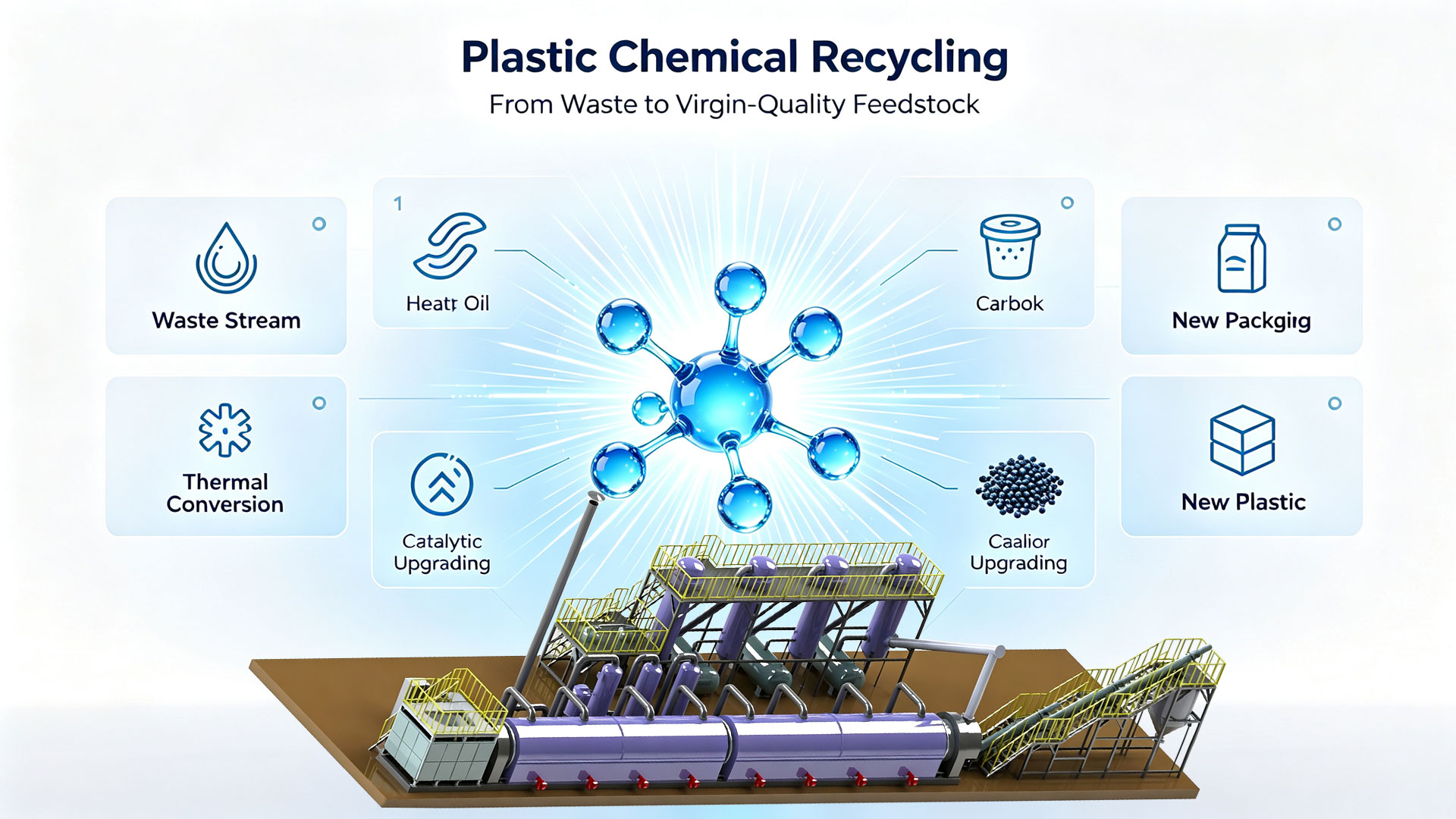
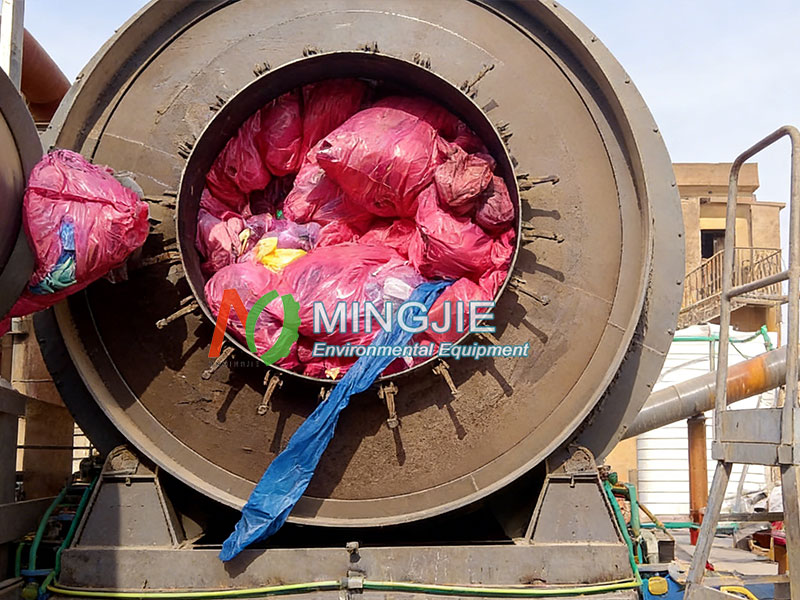
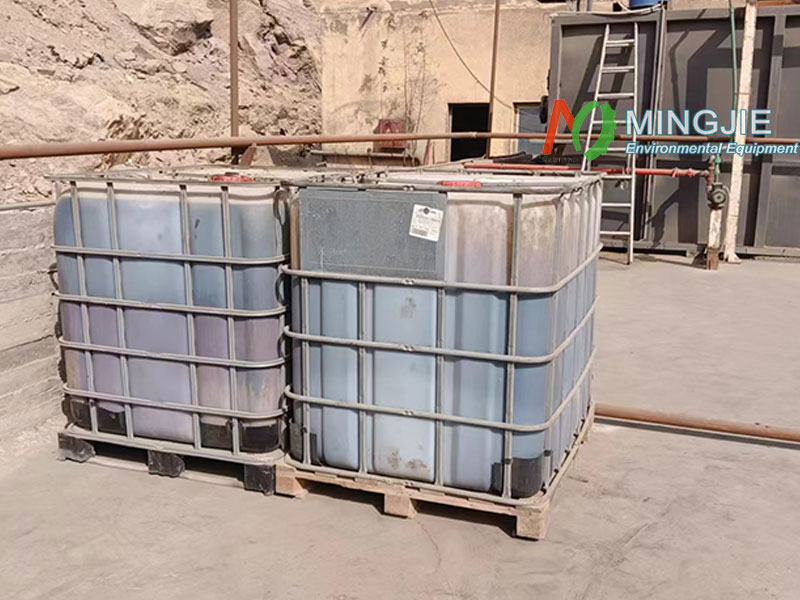
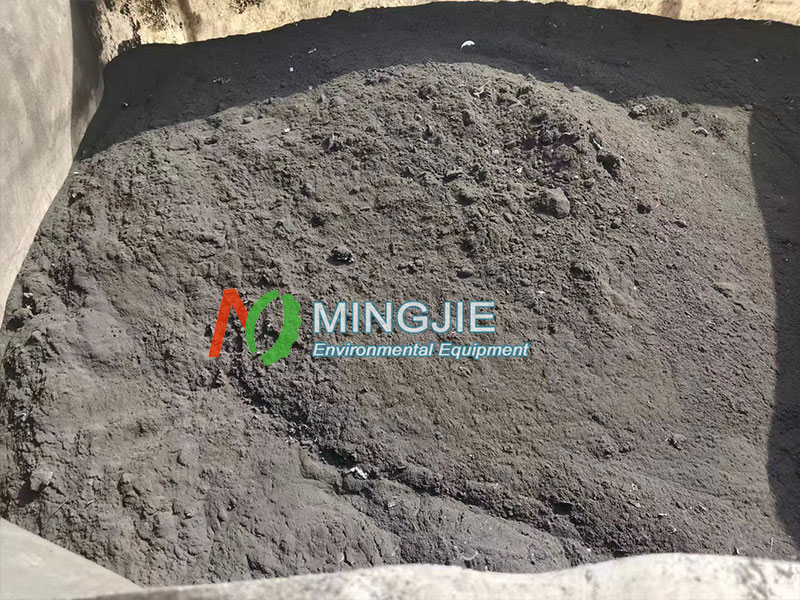
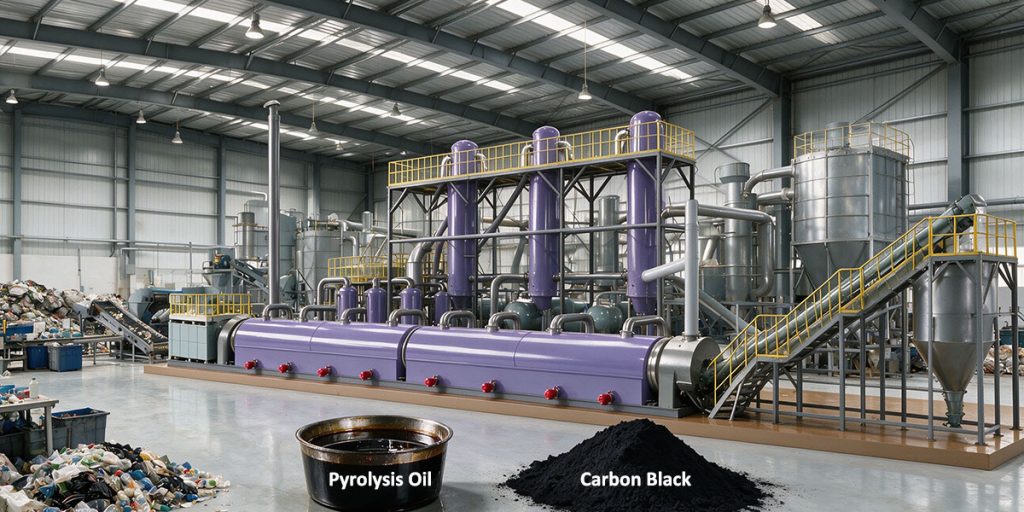
Pyrolysis is currently the most mature and widely used chemical recycling technology. Plastic pyrolysis plant converts waste plastics into pyrolysis oil, syngas and carbon black under anaerobic or low-oxygen high-temperature conditions. Pyrolysis oil can be further refined into naphtha, diesel and other petrochemical raw materials, which can be used to replace fossil raw materials for the production of new plastics.
The waste plastic pyrolysis recycling project focuses on thermochemical conversion and purification and upgrading of pyrolysis products. Pyrolysis technology is suitable for most thermoplastic waste, especially mixed plastics that are difficult to sort. It has the most realistic handling capabilities for mixed polyolefins. PE, PP, PS and the polyolefin phase in multi-layer flexible packaging are one of the core target streams for plastic pyrolysis recycling.
Depolymerization Technology
Depolymerization is a precise recycling technology targeting specific polymer chemical bonds. It breaks down polymer chains into original monomers through catalytic reactions, hydrolysis, glycolysis, or alcoholysis. This technology is particularly suitable for specific plastics such as PET and PLA. The recovered monomers have ultra-high purity and can be directly used to produce virgin food-grade plastics, achieving a closed-loop recycling of plastic resources.
The limitations of depolymerization technology lie in the high requirements for raw materials, which typically need to be collected separately according to the type of plastic. Furthermore, it consumes a large amount of reaction media (such as water and alcohols) and involves complex post-processing steps.
Gasification Technology
Gasification is a process that treats waste plastics at extremely high temperatures, converting them into syngas (a mixture of hydrogen and carbon monoxide). Syngas can be used for power generation, hydrogen production, or the synthesis of new chemicals and plastics. Gasification is particularly suitable for treating heavily polluted plastic waste and residual waste after initial sorting. It maximizes the utilization of resources in complex waste streams.
Compared to pyrolysis, the syngas produced by gasification is more suitable for the synthesis of basic chemicals rather than the direct production of plastic monomers. The drawbacks of gasification technology include system complexity, high investment costs, and low energy efficiency (approximately 60%). Currently, gasification technology is mainly used to treat plastic components in municipal solid waste, rather than for specialized waste plastic recycling.
Global Status of Chemical Recycling of Waste Plastics
Global waste plastic chemical recycling is at a policy inflection point, but the inflection point for large-scale commercialization is expected to lag by about 2-3 years.
Policy Shift from Encouraging Exploration to Mandatory Quantification
The EU Packaging and Packaging Waste Regulation (PPWR, EU 2025/40) came into effect in February 2025 and was fully implemented on August 12, 2026. For the first time, it uniformly implemented mandatory requirements for the recycled content of plastic packaging in all 27 member states through legislation. From 2030, single-use plastic beverage bottles must contain ≥30% recycled materials, and other plastic packaging must contain 10%-35% recycled materials. It also clarifies that plastic chemical recycling is included in the recycling rate calculation through the mass balance method.
Mandatory requirements for the recycled content of plastic packaging are the most direct policy impetus for the plastic chemical recycling industry. For polyolefin (PE, PP) packaging, chemical recycling is currently the only commercially proven plastic recycling route.
China Action Plan for Promoting the Application of Recycled Materials was released in early 2026, and the 15th Five-Year Plan listed continuous pyrolysis equipment as a key research area.
Japan revised Law for Promoting the Effective Utilization of Resources came into effect in April 2026. It requires companies to set targets for recycled plastic usage and report regularly.
Challenges to the commercialization of the plastics chemical recycling industry include: continuous operation of pyrolysis plants, stable raw material supply, product quality compliance, and cost competitiveness with virgin plastics.