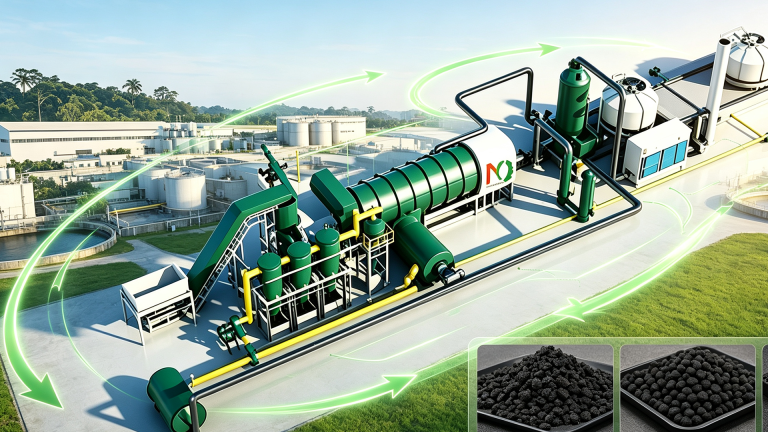

Sludge pyrolysis treatment plant converts organic matter into biochar and syngas in an oxygen-free, high-temperature environment. It represents a highly promising solution for sludge management and is particularly well-suited to Brazil’s specific context.
Currently, large-scale sewage treatment plant operations are established in key Brazilian urban clusters such as São Paulo and Rio de Janeiro. The country ranks first in South America for annual sewage sludge production, with a sludge treatment and disposal market exceeding US$1.1 billion and maintaining rapid growth. However, existing disposal models face challenges—including high energy consumption, low resource recovery rates, and significant risks of secondary pollution—due to technological limitations, the physicochemical properties of the sludge, and increasingly stringent environmental regulations.
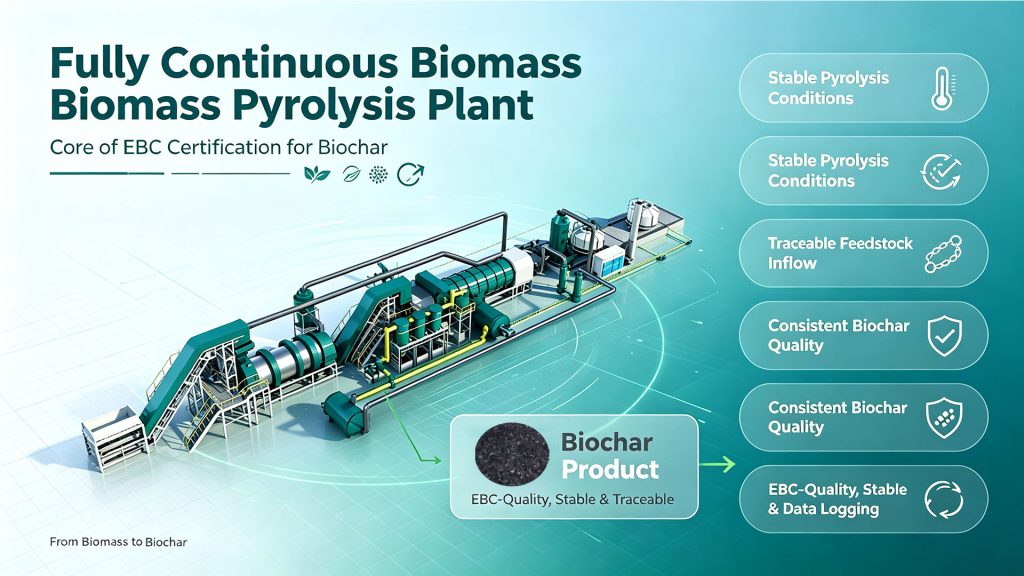
Pyrolysis represents an innovative technological pathway for sewage sludge treatment. The biomass pyrolysis plant offers the advantages of harmless, resource recovery, low-carbon and environmentally friendly. It is ideally suited to Brazil’s tropical climate and specific sludge disposal needs.
Why Pyrolysis Technology Is the Solution for Wastewater Treatment in Brazil
Pyrolysis technology offers a highly attractive solution to the challenges posed by sewage sludge. This process involves the thermal decomposition of organic matter at high temperatures in the absence of oxygen. When applied to sewage sludge, pyrolysis yields three main products: biochar, bio-oil, and syngas.
Advantages of Sewage Sludge Pyrolysis Treatment
Significant Reduction in Sludge Volume
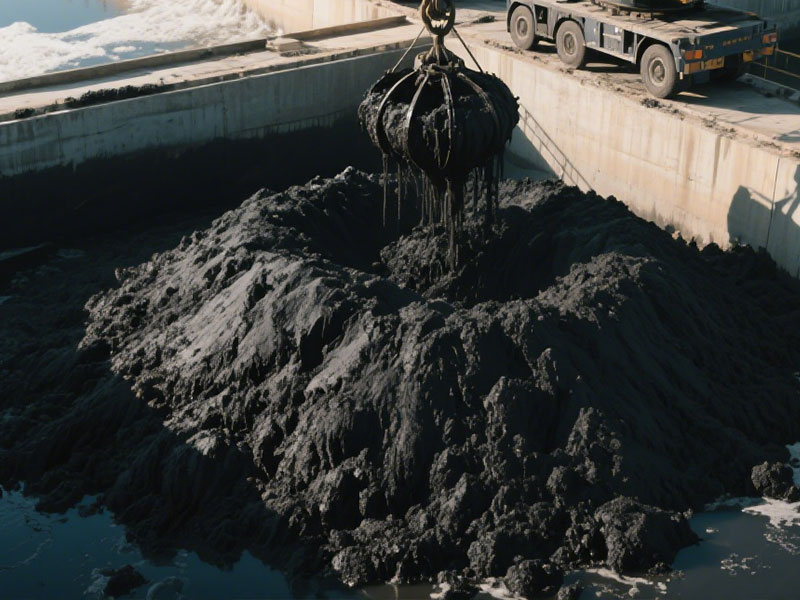
Sludge pyrolysis treatment enables significant volume reduction, typically decreasing the sludge volume by more than 90%.
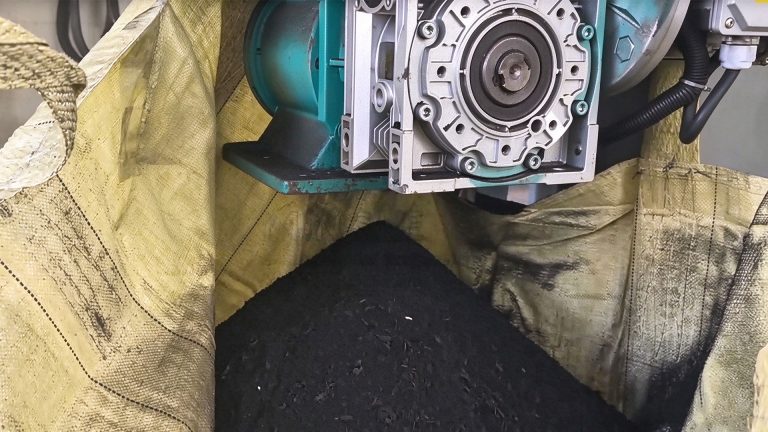
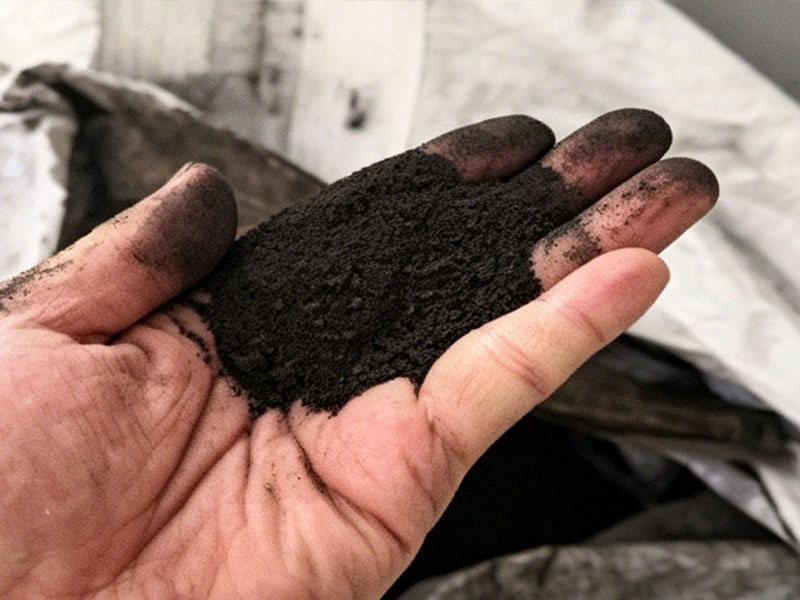
Removal of moisture and volatile matter: Organic matter in the sludge is converted into pyrolysis gas and pyrolysis oil, which are released and discharged, leaving behind only a small amount of solid residue—biochar.
Small solid residue volume: The solid residue resulting from sludge pyrolysis treatment is a loose, dry carbonized product. Its volume is far smaller than that of the original wet sludge, and the residue is chemically stable, making it easy to compress and process further.
Elimination of Biological Hazards
Sewage sludge contains pathogens that pose health risks if improperly handled. The high temperatures involved in the pyrolysis process destroy these pathogens, yielding a sanitized, harmless product.
High-Temperature Inactivation in an Oxygen-Free Environment: The high temperatures of pyrolysis (particularly above 500°C) disrupt the protein and nucleic acid structures of pathogenic bacteria and viruses, rendering them completely inactive and eliminating the risk of disease transmission. The oxygen-free environment inhibits pathogen proliferation, preventing secondary contamination during processing.
Complete Degradation of Antibiotics and Organic Pollutants: Under high-temperature pyrolysis conditions, recalcitrant organic pollutants in the sludge undergo thermal cracking, converting into small-molecule substances or decomposing entirely. This eliminates their biological toxicity and the risk of antibiotic resistance gene (ARG) transmission.
Heavy Metal Immobilization and Passivation: Sludge pyrolysis treatment transforms heavy metals from unstable, bioavailable forms into stable residual forms, immobilizing them within the sludge-derived biochar matrix. This significantly reduces heavy metal leachability and bioavailability, eliminating hazards to the ecosystem and food chain. The resulting biochar adsorbs and passivates heavy metals, ensuring no secondary pollution occurs during subsequent utilization.
Elimination of Emerging Contaminant Hazards: Emerging contaminants in sludge, such as microplastics, undergo pyrolysis at high temperatures and convert into low-molecular-weight compounds. This effectively reduces their potential environmental impact.
Sludge Pyrolysis Treatment Facilitates Resource Recovery
Syngas Energy Recovery: During sludge pyrolysis treatment process, the organic components are converted into syngas. This gas serves as a clean energy source for power generation, heating, or as a substitute for traditional fossil fuels, enabling energy recycling.
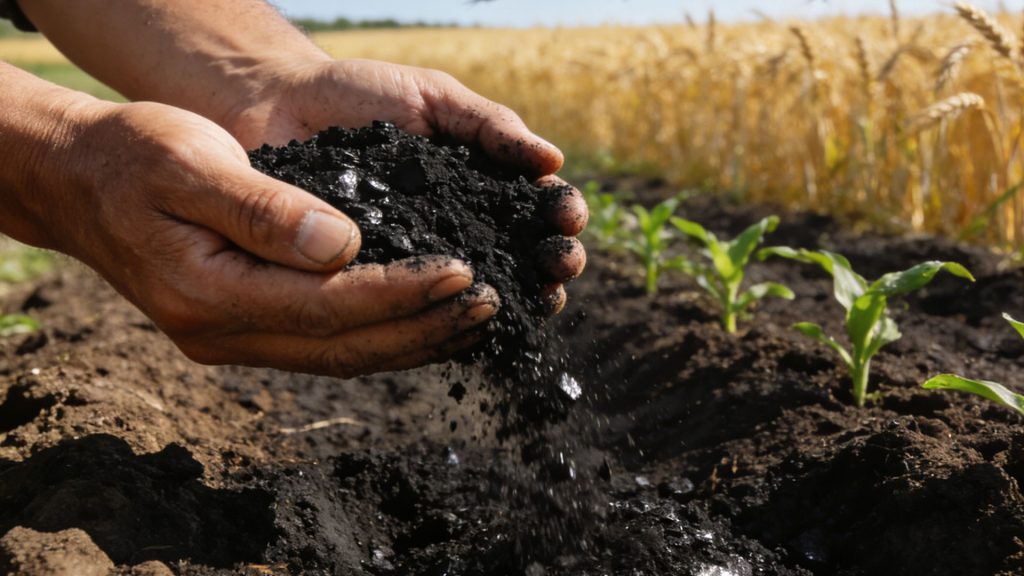
Solid Biochar Utilization: The sludge biochar can be utilized in wastewater treatment, waste gas purification, and soil amendment, or incorporated into construction materials, thereby realizing resource recovery.
Carbon Reduction and Resource Cycling: The sludge pyrolysis treatment process mitigates greenhouse gas emissions associated with sludge landfilling and incineration. Simultaneously, the recovery of syngas and biochar reduces the carbon footprint, aligning with the principles of sustainable development.
Increasingly Significant Economic Benefits
Resource Recovery and Product Revenue: Sludge Biochar serves as a soil conditioner or adsorbent in sectors like agriculture and environmental protection, while syngas can be utilized as fuels or chemical feedstocks, enabling energy recovery. The sale or reuse of these products generates direct economic returns; indeed, some projects have achieved cost recovery or even profitability through such resource utilization.
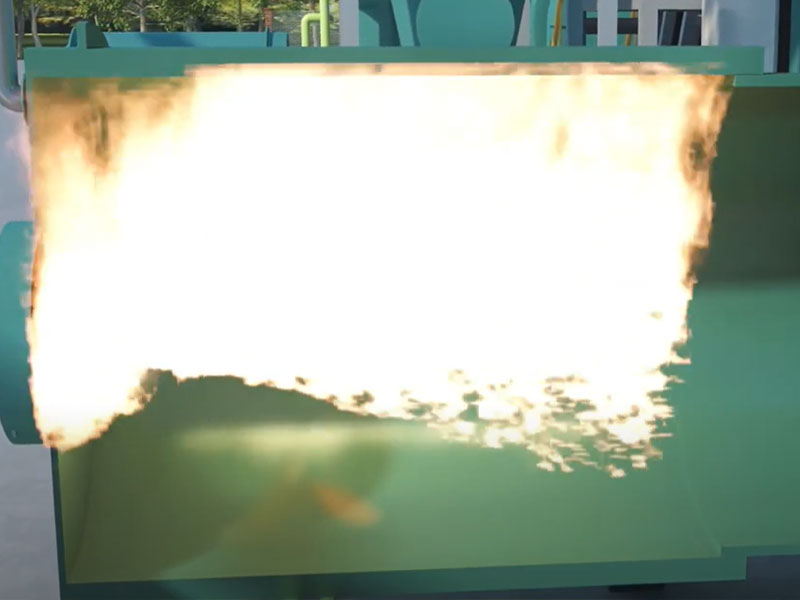
Cost Savings and Operational Optimization: Pyrolysis plant significantly reduces sludge volume, thereby lowering costs associated with downstream handling, such as transportation, landfilling, or incineration. Furthermore, Mingjie biomass carbonization plant adopts advanced continuous pyrolysis technology, it can reduces energy consumption and operating costs while boosting energy self-sufficiency, further enhancing economic viability.
Policy and Market Support: Stricter environmental regulations have prompted increased government support for sludge resource utilization, including financial subsidies and tax incentives. Simultaneously, growing market demand for biochar expands the market potential for sludge pyrolysis treatment projects, thereby improving their economic feasibility.
Mingjie Group Offers Solutions for Sludge Treatment
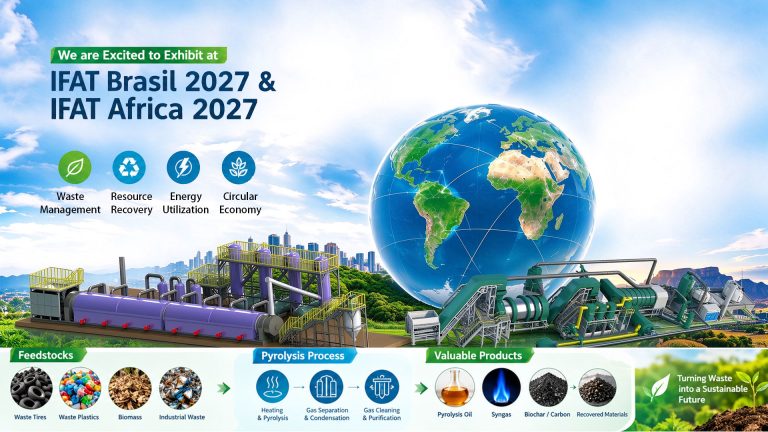
As a professional pyrolysis plants manufacturer, Mingjie Group will participate in IFAT Brasil 2027, providing pyrolysis technology and equipment support for solid waste and sewage sludge treatment in Brazil. This event represents a commercial opportunity for Mingjie Group to expand into the Latin American market. More importantly, it serves as a vital external catalyst for Brazil’s sludge treatment, environmental protection industry, low-carbon economy, and agro-ecological development.