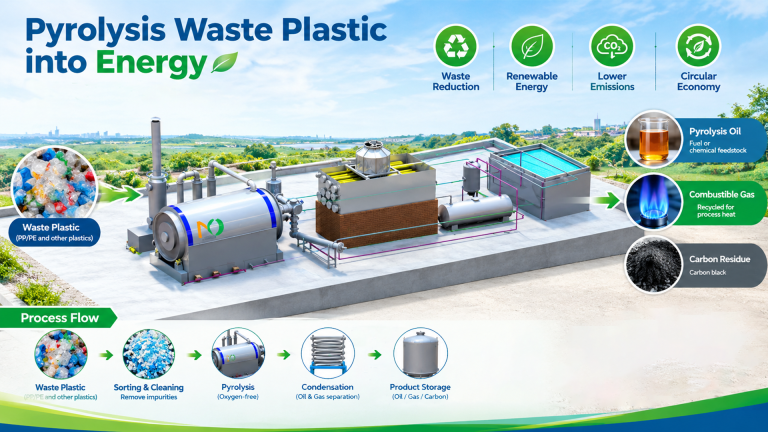

The pyrolysis plant enables the conversion of the waste plastic into energy products: pyrolysis oil, syngas, and carbon black. Plastic waste poses a significant challenge for many African cities. Given the high level of impurities and poor sorting associated with mixed plastic waste in these urban areas, pyrolysis stands out as the most suitable mainstream technology.
While waste-to-energy incineration and gasification are also options, they entail higher barriers to implementation. Large quantities of mixed PE, PP, and PS plastics found in Africa are unsuitable for conventional mechanical recycling.
Why Pyrolysis Is the Best Fit for Plastic into Energy Conversion in Africa?
Pyrolysis technology is the preferred choice, aligning perfectly with the local realities of the African continent. Demonstration projects have already been implemented in several African nations, including Nigeria, Ghana, and South Africa.
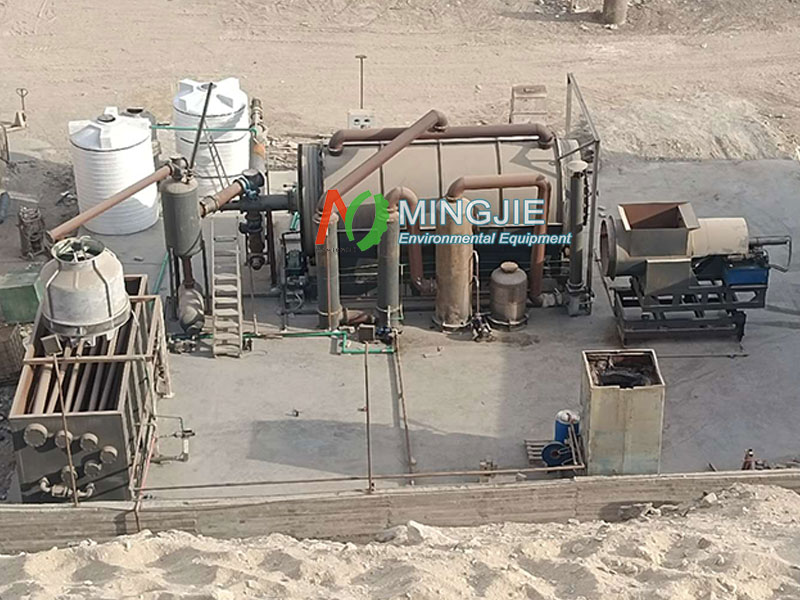
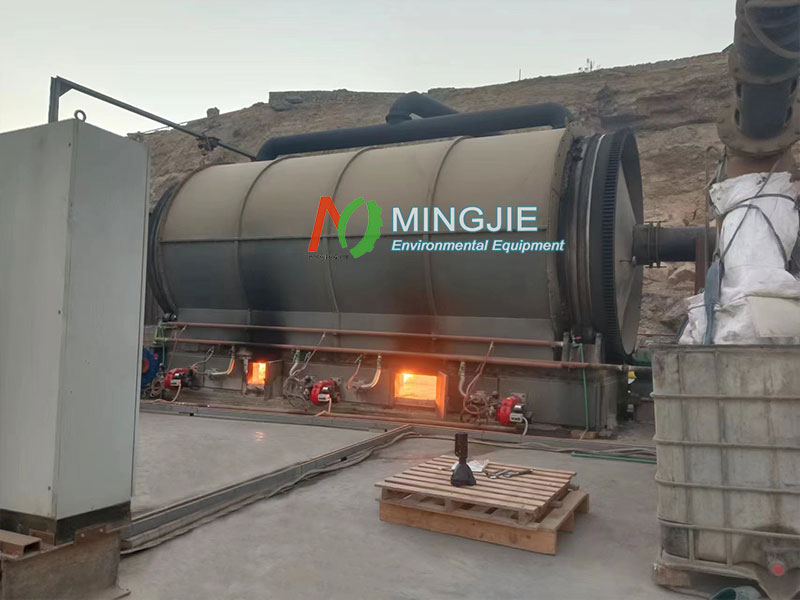
A key advantage of pyrolysis technology is its ability to process mixed plastic waste. The equipment features a modular design and comes in various specifications: batch pyrolysis units handle 2–15 tons per day, while continuous pyrolysis plants process 15–30 tons daily. These systems are equipped with exhaust gas purification units to minimize environmental pollution.
Gasification involves converting plastic into syngas at high temperatures (700–1200°C) with a limited supply of oxygen. It is suitable for large-scale, centralized power plants that require a stable, high-volume feedstock supply. Challenges in the African context include high investment costs for gasification equipment and stringent requirements for feedstock pre-treatment. Additionally, the control systems are complex, sourcing maintenance spare parts is difficult, and emission control costs are high.
Plastic-to-energy via incineration involves the direct combustion of plastics with excess air to generate steam for power production. Challenges in Africa include the need for rigorous flue-gas purification and the difficulty of obtaining environmental approvals. Additionally, the waste has high moisture content and significant fluctuations in calorific value. Very few large-scale incineration plants are being built in Africa.
The pyrolysis plastic into energy is highly compatible with the realities of solid waste management and energy demands in Africa. Plastic pyrolysis plant can effectively transform African plastic waste into valuable resources and energy, simultaneously addressing the long-standing challenge of plastic pollution and bridging the region’s energy gap. This offers a practical, actionable pathway for Africa’s green, low-carbon development and the circular use of resources.
How to Build a Plastic to Energy Pyrolysis Plant?
The core advantages of converting waste plastic into energy in Africa lie in its lightweight, modular, and locally adaptable nature. The entire process requires no large-scale supporting infrastructure and can be rapidly deployed.
A complete, viable plastic into energy process for Africa hinges on localized pre-treatment and standardized, environmentally safe processing. A successful pyrolysis project relies on more than just equipment. It requires the integration of five key elements: feedstock collection and pre-treatment, pyrolysis technology, environmental compliance, and energy utilization.
Feedstock Collection and Pre-treatment: This is the most critical stage for the success of plastic-to-energy projects in Africa. It involves collecting PE/PP plastics while sorting out contaminants such as PVC, PET, metals, and glass.
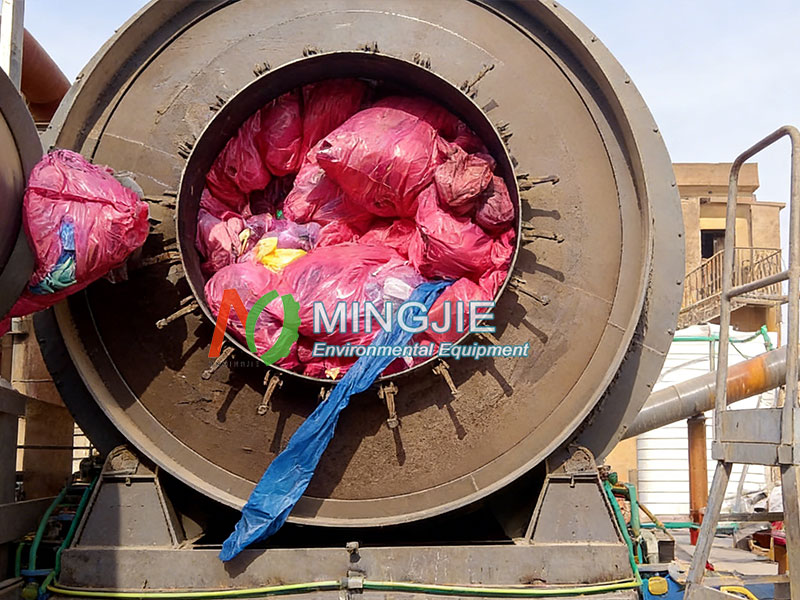
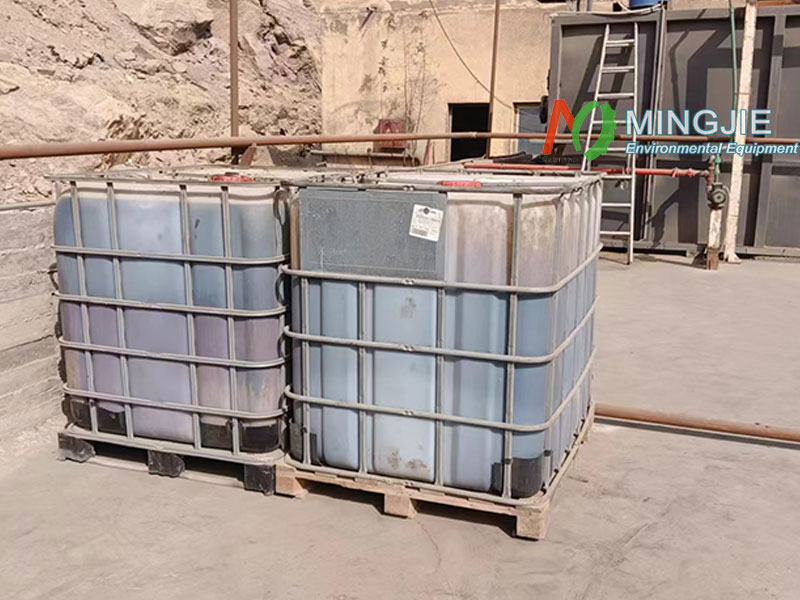
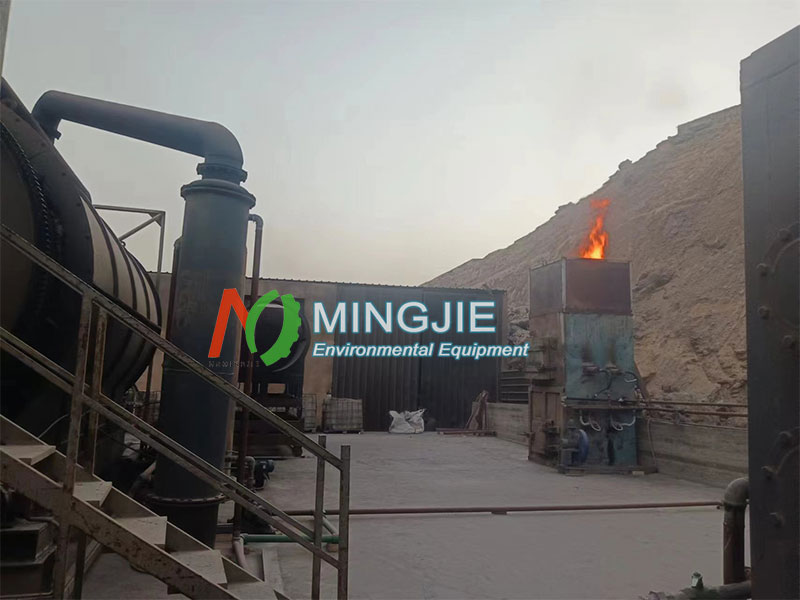
Pyrolysis Plant: Mixed plastics are heated in a sealed reactor at 400–500°C in the absence of oxygen, undergoing thermal cracking to produce hydrocarbon vapors and residual char. The vapors enter a condensation system and are cooled to yield crude pyrolysis oil. Non-condensable syngas is recovered and used as fuel to provide self-sustaining heat for the process.
Product Market: Plastic pyrolysis oil can be supplied to industrial boilers, power generation companies, and the fuel market. Securing off-take agreements for the oil ensures the project’s long-term profitability.
Environmental Compliance: Acidic gases can be neutralized using an alkaline scrubbing tower. Flue gas undergoes dust removal and activated carbon adsorption to control VOCs and dioxins. Carbon residue can be refined into carbon black for sale or used as raw material for construction materials.