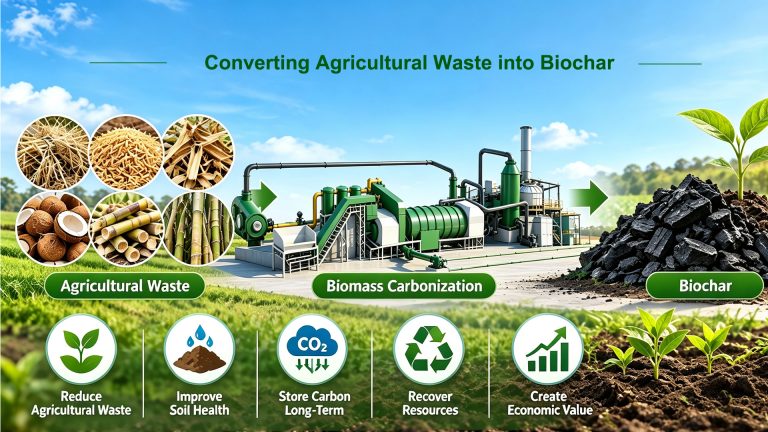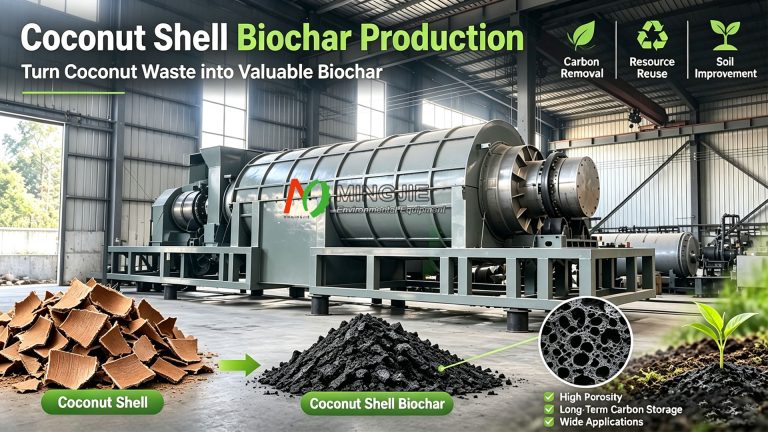
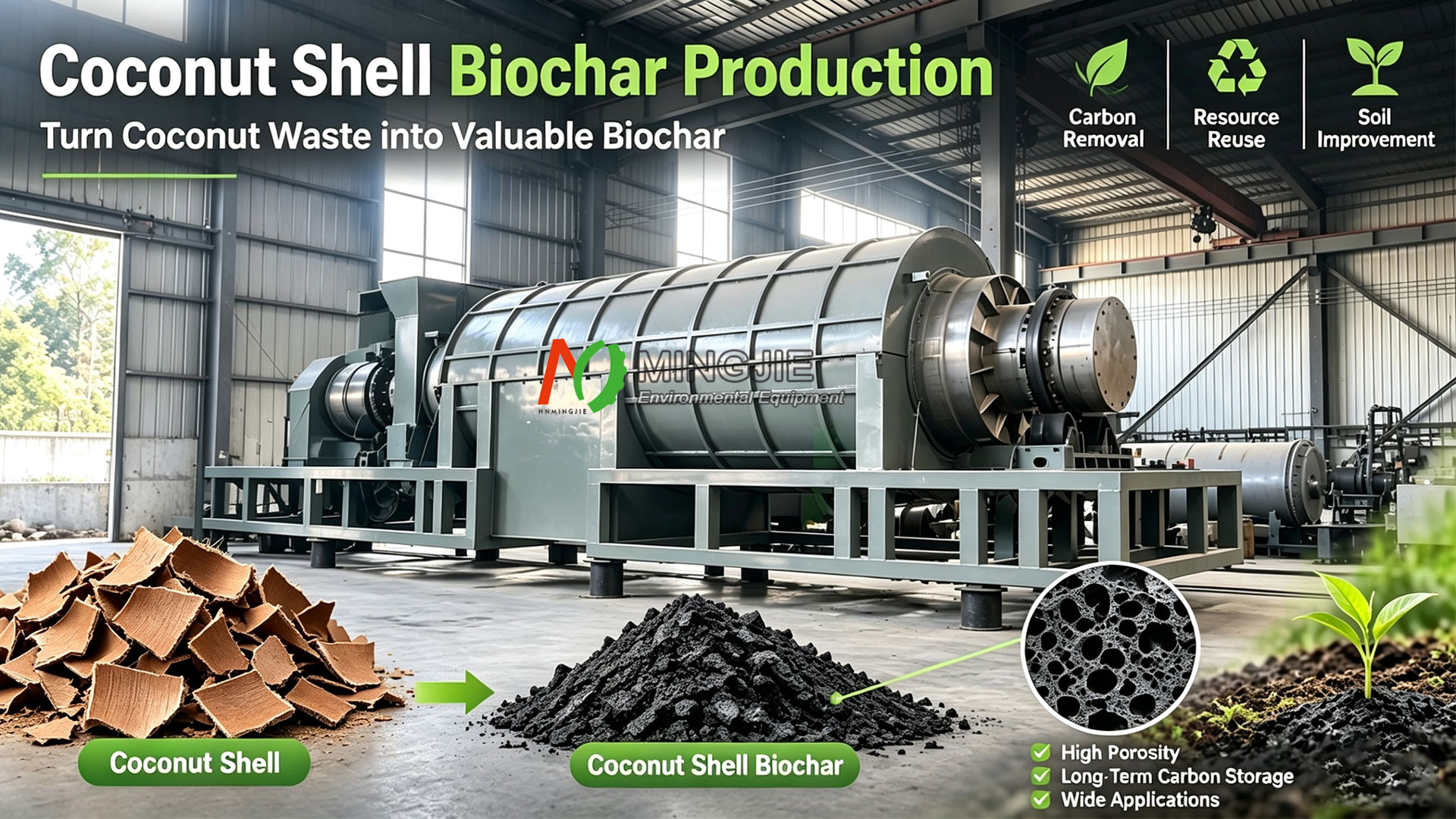
With the growth of the global biochar market, the demand for agricultural soil amendments, and the expansion of the Biochar Carbon Removal (BCR) sector, an increasing number of companies are exploring the conversion of coconut shell waste into biochar. Globally, Southeast Asia and South Asia have emerged as key regions for coconut shell biochar projects, with Indonesia, Thailand, Sri Lanka, and India offering a strong foundation in terms of raw material availability.
It is important to distinguish between these products: coconut shell charcoal, coconut shell activated carbon, and coconut shell biochar are not the same. Traditional production processes for coconut shell charcoal or activated carbon cannot simply be classified as biochar projects that meet the criteria for biochar carbon removal.
Why South & Southeast Asia Are Key Markets for Coconut Shell Biochar Projects?
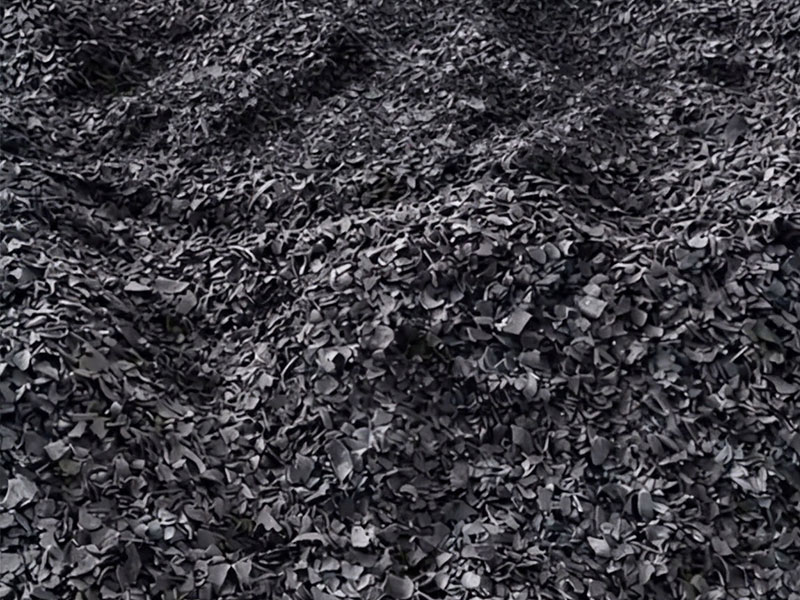
Coconut shell biochar is rapidly gaining global attention for carbon sequestration, soil amendment, water treatment, and low-carbon material manufacturing. Among all regional markets, South and Southeast Asia stand out as the most strategic base for coconut shell biochar projects. This advantage comes from a unique combination of raw material endowment, local agricultural demand, carbon policy momentum, and export accessibility.
Abundant and Low-Cost Coconut Shell Feedstock
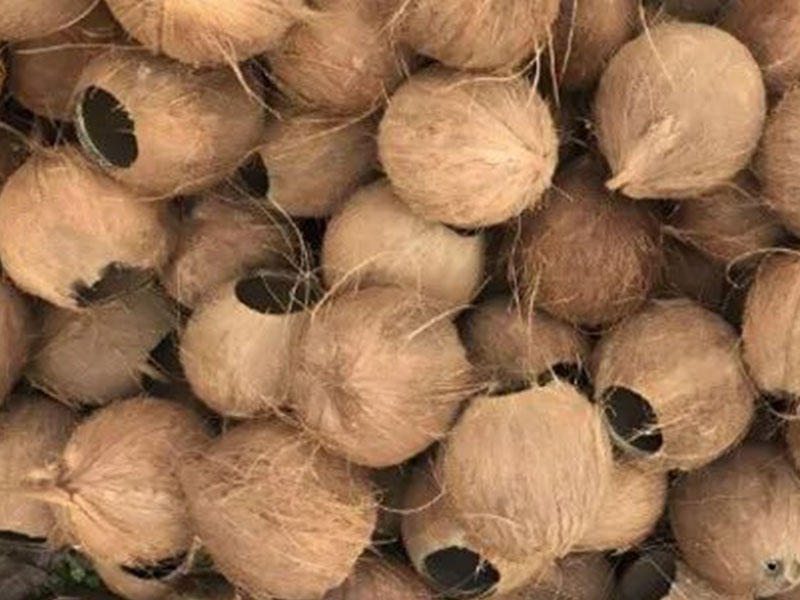
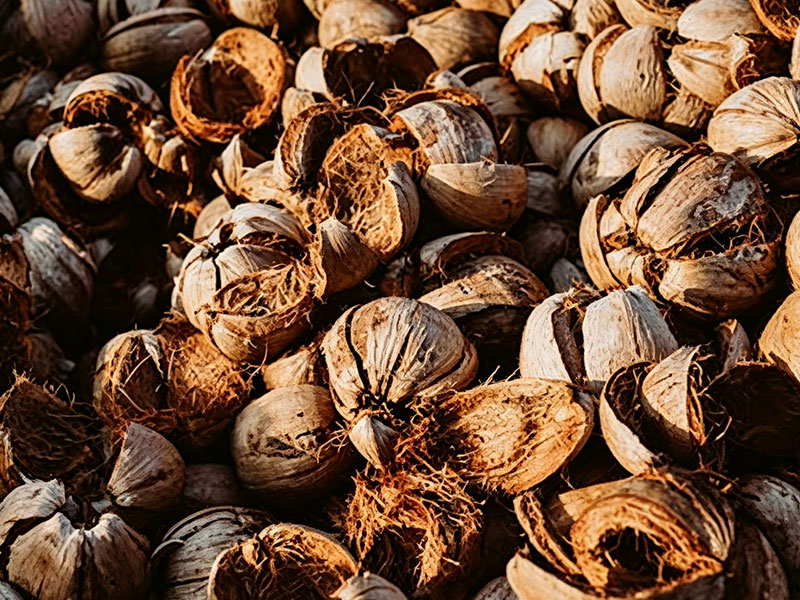
South and Southeast Asia account for the vast majority of the world’s coconut output. Countries such as Indonesia, the Philippines, Vietnam, Sri Lanka, Thailand, India, and Malaysia generate massive volumes of coconut shells as agricultural by-products from copra, coconut oil, coconut milk, and desiccated coconut processing.
For decades, most coconut shells were either burned openly, dumped as waste, or used only for low-value fuel. They are often treated as a disposal burden rather than a resource. This creates a stable, continuous, locally available supply of feedstock at a much lower cost than other biomass like wood or crop straw. Producers can build biomass carbonization plants close to coconut processing clusters, cutting long-distance raw material transport costs and lowering the overall carbon footprint of the final biochar.
Strong Domestic Agricultural Demand
Smallholder farming and plantation agriculture form the backbone of the rural economy across this region. Tropical soils commonly face well-known challenges: poor water retention, nutrient leaching, low organic matter content, and soil degradation caused by intensive cultivation, heavy rainfall erosion, and overuse of chemical fertilizers.
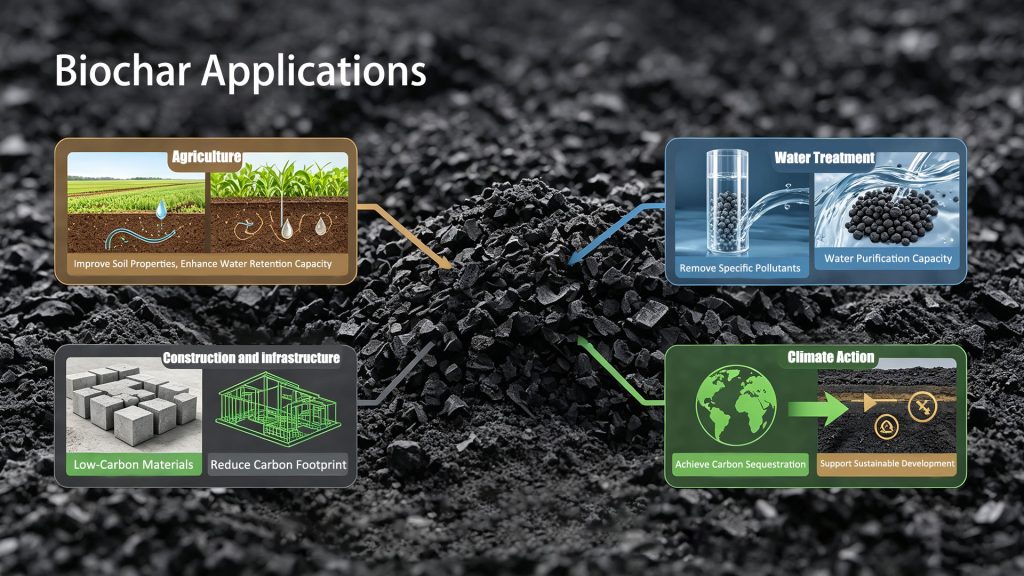
Coconut shell biochar, with its highly porous structure, is an ideal soil improver. It holds moisture, locks in nitrogen, phosphorus and potassium, provides habitat for beneficial soil microbes, and reduces fertilizer runoff. Local cash crops including rubber, oil palm, fruit trees, vegetables, rice, and spices all benefit from biochar amendment.
Many regional governments are also promoting regenerative agriculture and sustainable farming to lift yields while reducing chemical input. This opens a steady domestic offtake channel, so biochar producers do not rely purely on overseas export orders.
Growing Carbon Markets and Climate Policy Alignment
Nations in South and Southeast Asia are increasingly committing to net-zero and climate action targets. Many are developing domestic carbon credit frameworks, verifying biomass carbon removal projects, and aligning with international standards such as ISCC, Verra, and other high-integrity carbon certification schemes.
Coconut shell biochar projects fit neatly into this policy direction. When produced through controlled biomass pyrolysis, biochar can store carbon in soil for hundreds of years. Project developers can monetize the carbon removal benefit alongside revenue from selling the biochar product itself.
At the same time, European and North American buyers are searching for verified, traceable biochar supplies to meet corporate carbon accounting, Biochar Carbon Removal BCR, and sustainable procurement requirements. Proximity means Southeast Asian suppliers can ship containerized biochar efficiently to these premium markets.
Favorable Cost and Industrial Conditions
Compared with Europe, North America or Australia, capital and operating costs for biomass carbonization plant in South and Southeast Asia are competitive. There is a growing supply chain of local engineering, fabrication, carbonization plant installation, and labor support.
The region also has well-established port logistics. Major coconut-producing provinces are within reasonable distance of international shipping terminals, making bulk export of granular coconut shell biochar convenient for buyers in Europe, the United States, Japan and Korea. This dual-market model greatly improves coconut shell biochar project resilience.
Expanding New Application Scenarios
Beyond agriculture, coconut shell biochar is entering fast-growing downstream sectors. It can be processed into filter media for drinking wastewater treatment, used as a filler in low-carbon construction composites, and further upgraded into activated carbon. These emerging uses add extra revenue streams for biochar manufacturers, turning a simple coconut shell carbonization plant into a multi-product circular economy facility.