Biochar production technology involves the pyrolysis of biomass. It is a carbon-rich solid product generated from biomass feedstock under oxygen-limited, high-temperature conditions. Biochar production technology can be used not only for biomass waste treatment but also in various other fields, such as improving soil health and carbon sequestration.
Biochar has a well-developed porous structure and stable chemical properties. It can sequester carbon in soil for extended periods. It is a green carbon-based material that combines agricultural improvement, pollution remediation, and carbon sequestration value enhancement.
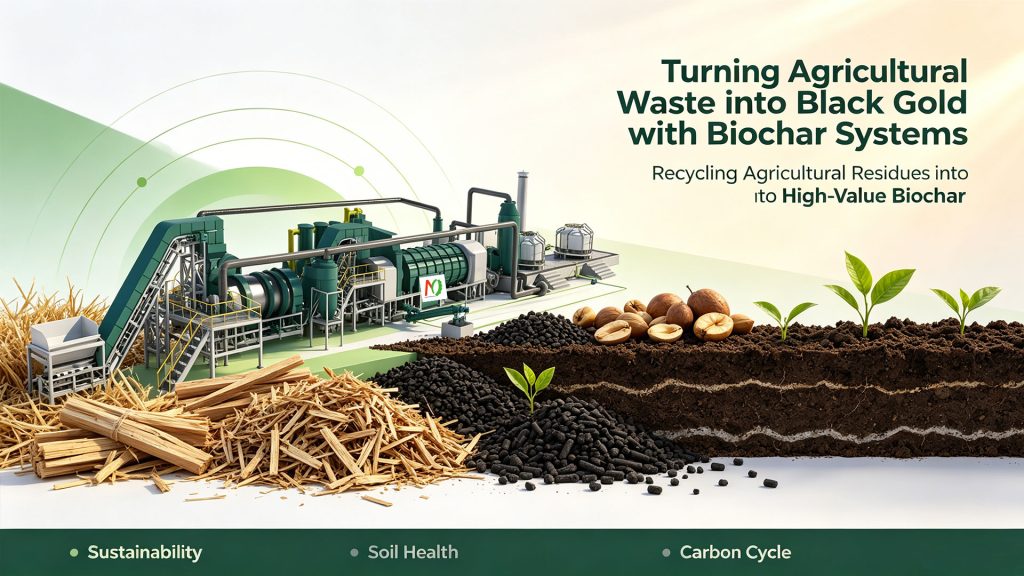
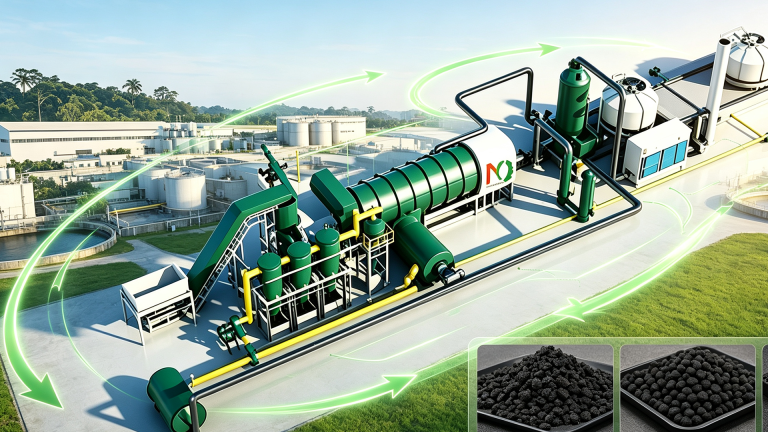
Mingjie Biomass Carbonization Plant efficiently converts waste biomass into biochar, syngas, and tar. It employs modern, standardized biochar production technology, with a continuous pyrolysis carbonization system at its core.
The biomass carbonization equipment employs a dual-cylinder rotary continuous biomass pyrolysis method. This effectively solves the problem of low biochar production efficiency. Simultaneously, the carbonization plant utilizes a pyrolysis combustible gas recirculation scheme, effectively addressing the issue of high energy consumption.
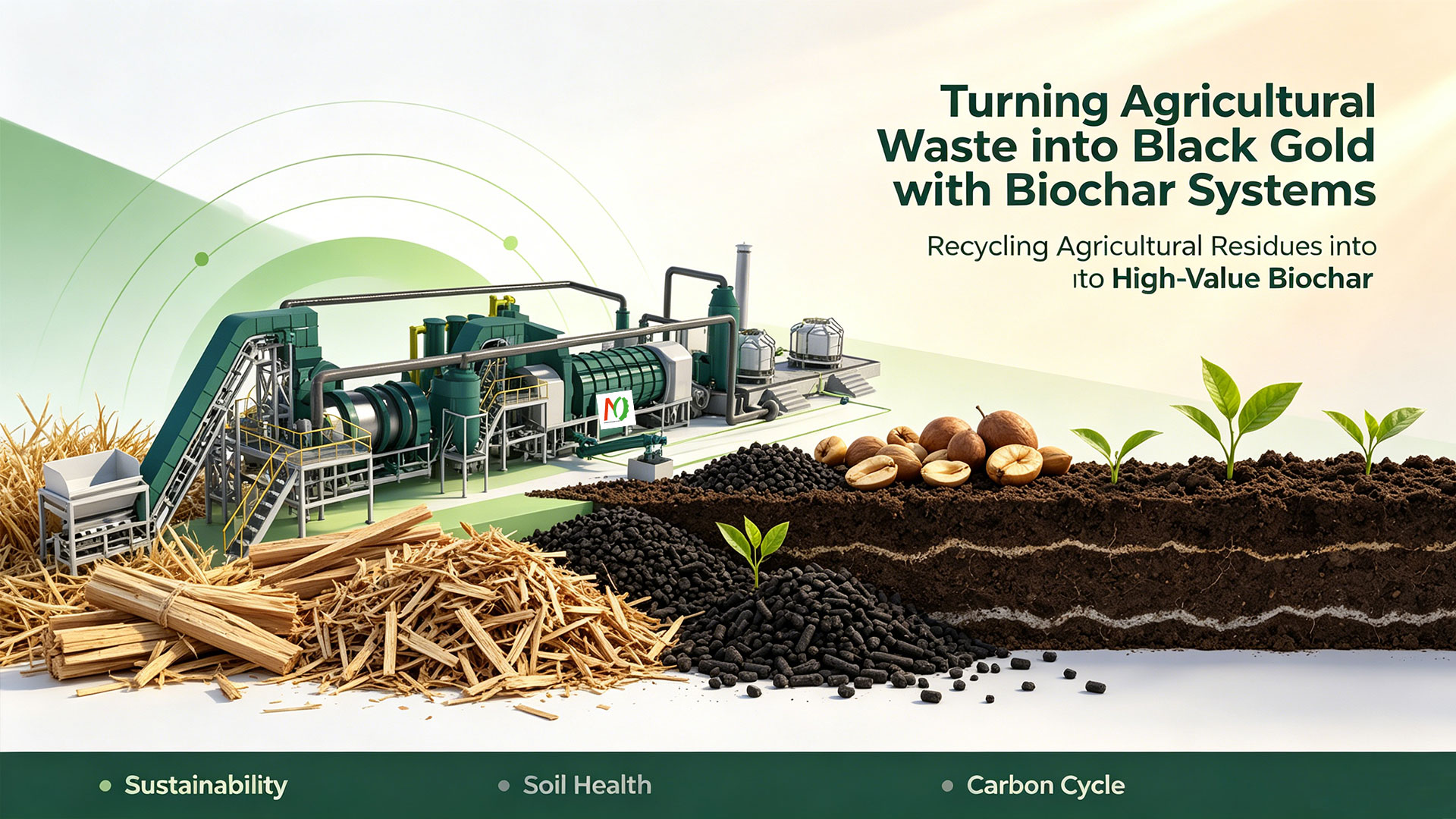
The biomass carbonization equipment is equipped with raw material pretreatment, waste heat recovery, and flue gas purification systems. It can continuously convert agricultural and forestry waste such as straw, bamboo and wood chips, fruit shells, and garden waste into biochar 24 hours a day. Simultaneously, it produces combustible syngas, wood vinegar, and biomass oil.
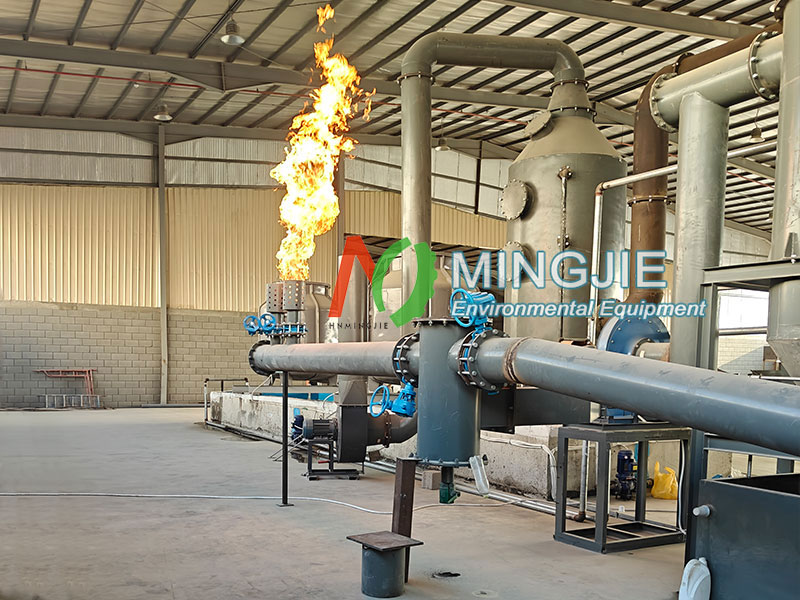
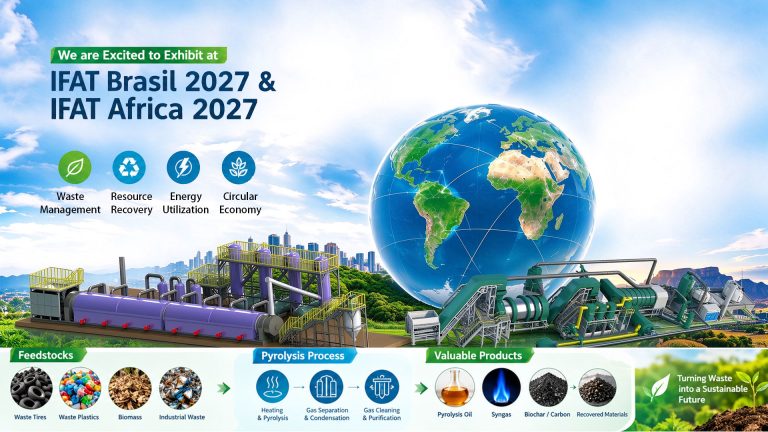
Biomass Pyrolysis Plant is a core supporting biomass to biochar production technology. Mingjie biochar production plant constructs an integrated circular production line encompassing “solid waste disposal + carbon product output + clean energy recovery.”
Types of Biochar Production Equipment
Traditional biochar production methods utilize simple pit kilns. The resulting biochar often fails to meet quality standards and emits significant amounts of harmful gases during production. Therefore, modern biochar production systems are needed to improve product quality and reduce emissions.
We offer the skid-mounted small biochar pyrolysis machine MJT-100, specifically designed for experimental or small scale biochar production. We also provide various models of biochar carbonization equipment for large scale biochar production, including MJT-500, MJT-1000, MJT-2000, MJT-3000, and MJT-5000.
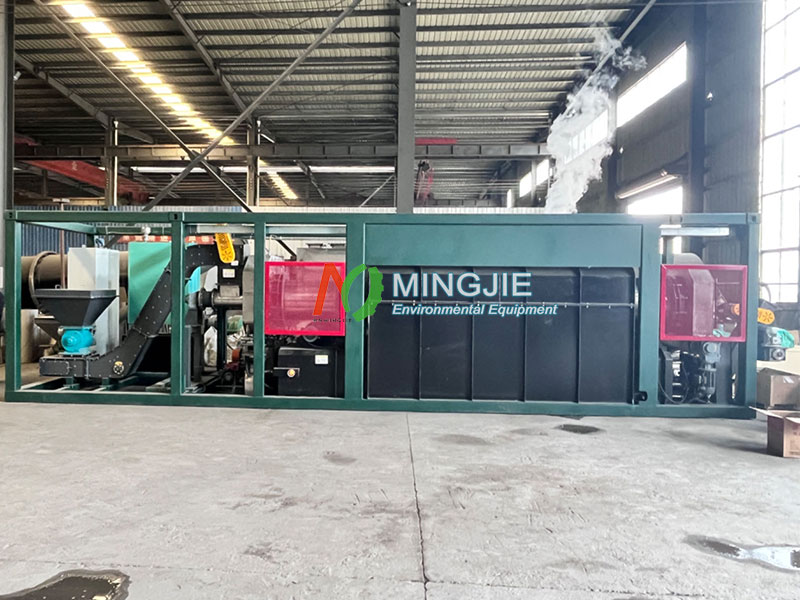
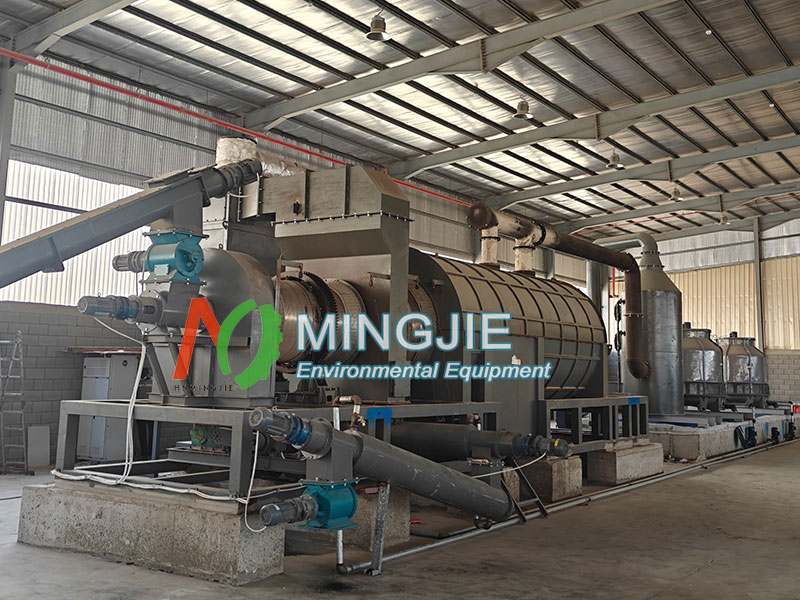
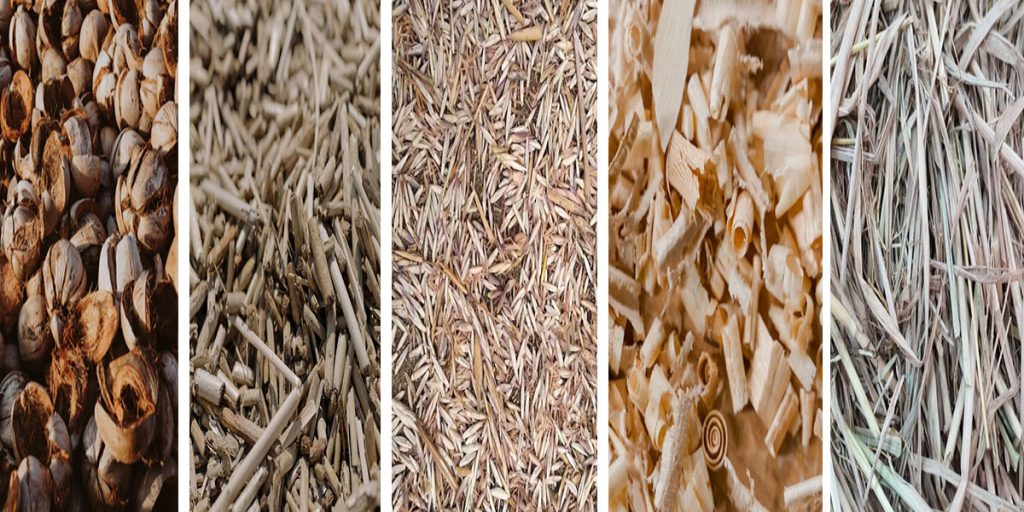
These are suitable for processing waste biomass with a diameter of 5-20 mm and a moisture content ≤15%. Applicable raw materials include bamboo shavings, rice husks, coffee husks, nut shells, wood chips, palm shells, and similar materials.
Our modern biochar production equipment come with many innovations. Smart temperature management and control throughout the whole process is a standard, and with the option of automated feedstock in- and output our operators do not need to get their hands dirty.
The biochar produced from the new designed improved reactor has uniform properties. The fully automatic biomass pyrolysis equipment is designed for the materials with diameter above 20mm and moisture above 15% and below 65%.
Automated Integration of Biochar Production Equipment
Fully automated biochar making machine operates in conjunction with crushers and dryers. For efficient biochar production, pre-treatment processes such as crushers and dryers must be closely integrated with the carbonization equipment.
Except for sorting and conveying, all other operations of the biochar production equipment can be automated. This mainly includes achieving efficient carbonization through temperature control, gas control, and output control. To enable fully automated operation of the entire production line, the control system can dynamically monitor various operating conditions on the production line in real time. This facilitates real-time automatic adjustment and control of carbonization process parameters, ensuring that the biochar production equipment is in optimal working condition.
Efficiency Solutions in Biochar Production Technology
Enhancing Energy Efficiency in Biochar Production
Energy efficiency is an important factor in commercial biochar production. There are number of ways in which energy consumption can be reduced. Some of the important factors have been discussed below:
Pre-drying of feedstock to achieve the required moisture is the first step, which reduces the energy required for water evaporation during pyrolysis. Other methods include particle size reduction of the feedstock to a uniform particle size which reduces thermal resistance and processing time.
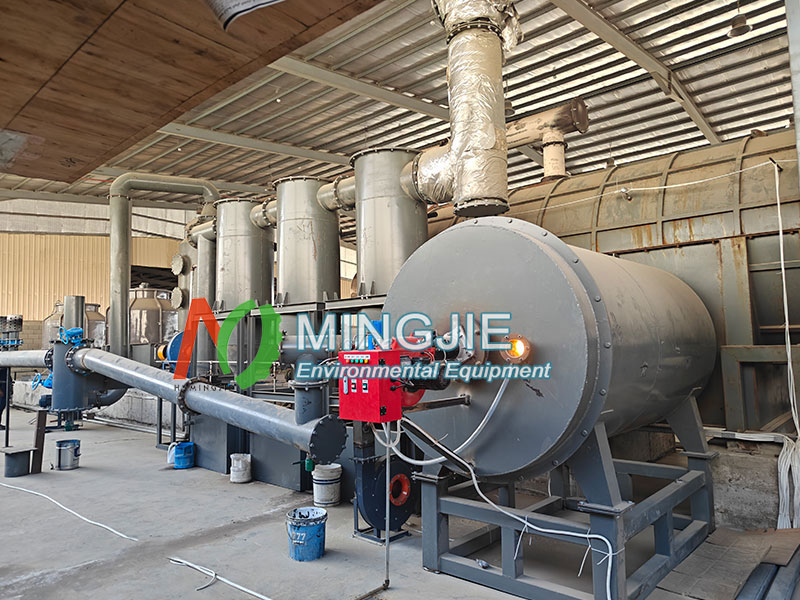
Heat recovery systems play a key role in increasing efficiency in new biochar machines. The heat in the cooled biochar and exhaust gases is recovered and can be utilised for preheating of the input feedstock or other processes in the system. More advanced designs are reported to achieve energy recovery efficiencies of 60% and above.
The use of renewable energy sources for biochar production technology is in line with the sustainability goals and significantly reduces the operational costs. Solar heating systems can be employed as auxiliary heating systems to provide process heat during periods of high solar irradiance. The combustible gases produced during pyrolysis can be also recovered and used as fuel for the process, thus allowing for a nearly external fuel free operation.
Reducing Environmental Impact with Innovative Equipment
State of the art biochar production equipment utilizing modern technologies significantly reduces local emissions and impacts. Modern air pollution control systems, combined with advanced gas cleaning technologies, utilizing cyclone separators, scrubbers and filters efficiently remove particulates and condensable vapors. With modern systems, emissions are kept to a minimum and are in line with current air pollution control legislation and standards while valuable by-products are recovered.
The biochar machine will have built in waste management solutions that deal with all unwanted waste created from the process. These include water condensate management to ensure the biochar machine doesn’t create water contamination in a land or aquatic environment, and non-condensable gas management to stop direct emission to the atmosphere by dealing with gases through flare or further processing.
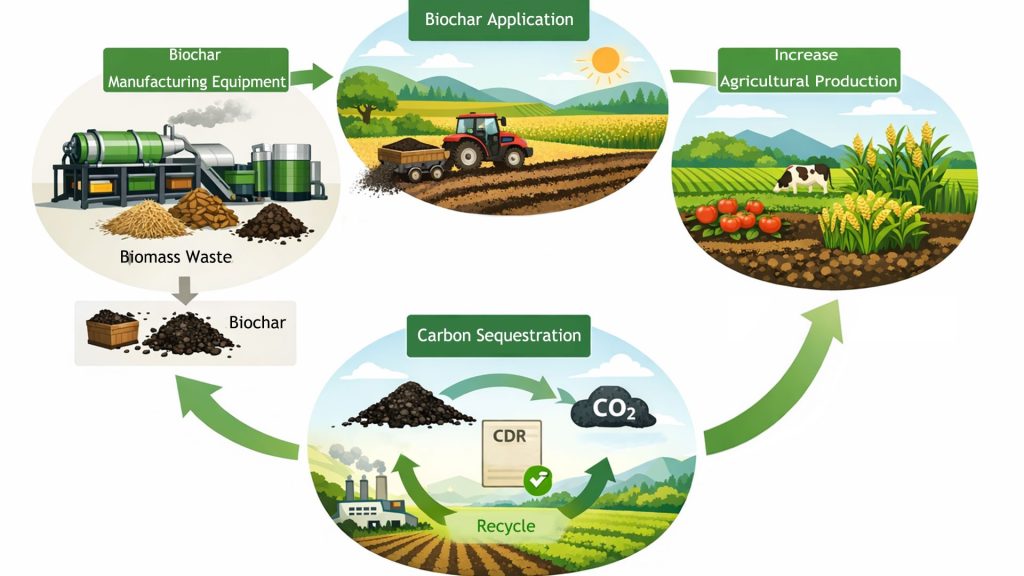
Biochar production for carbon sequestration and soil improvement is considered a major environmental benefit. Once biochar is applied to farmland, it can lock away carbon for centuries, boosting soil fertility and water holding capacity, and making more nutrients available for plants. Therefore, the waste reduction and soil enhancement benefits of biochar production technology achieve a wide range of environmental effects that extend far beyond the production site.
Frequently Asked Questions (FAQ) about Biochar Production Equipment
What factors should be considered when choosing a biochar machine?
When choosing the type of biochar production equipment, several important factors need to be taken into account. The required production capacity of the biochar equipment will depend on the available feedstock for biochar production and the future demand for biochar in the target market. It is also important to consider the feedstock properties such as moisture content, particle size and composition, as these will have a direct bearing on the type of equipment and preprocessing required.
It is important to consider the economic aspects of the application including capital cost, operating cost and return on investment. Local regulations and permits required for operation, as well as access to electrical supply, must also be reviewed. The availability of technical support, spare parts, and the requirement for operator training are also important when considering the long term performance of the equipment.
How do modern biochar Equipment improve production efficiency?
Modern biochar equipment are engineered to deliver higher productivity through a variety of innovations. With precise automated control, producers can ensure that the process is always carried out under ideal conditions, with less product variation and more productive runs. Through design improvements in heat transfer, energy usage is reduced while product quality is preserved.
Advanced systems for continuous processes operate without stoppage for batches. A wide variety of pre-processing equipment may be integrated to the system to reduce manual labour and optimize material flow. Improved condition monitoring can also be provided through this system which can be used to plan predictive maintenance thereby reducing unnecessary system stoppages and increasing the overall lifespan of the equipment.
Are there any specific maintenance requirements for advanced biochar equipment?
Regular maintenance is required for all advanced biochar units. This involves periodic checks to the heating elements, temperature sensors and control systems to prevent any unforeseen breakdowns in the system and to maintain high levels of operational consistency. Regular cleaning of the gas system, including ductwork and emissions control is also required to ensure compliance with all relevant regulations.
Lubrication of all conveyor, auger and rotating equipment is performed to the manufacturer’s recommendations to prevent premature wear. Calibration of analytical instruments is done on a regular schedule to ensure accurate measurements. Operator training is provided to ensure that all personnel are well informed of operational procedures and are aware of potential problems before they become major issues.